
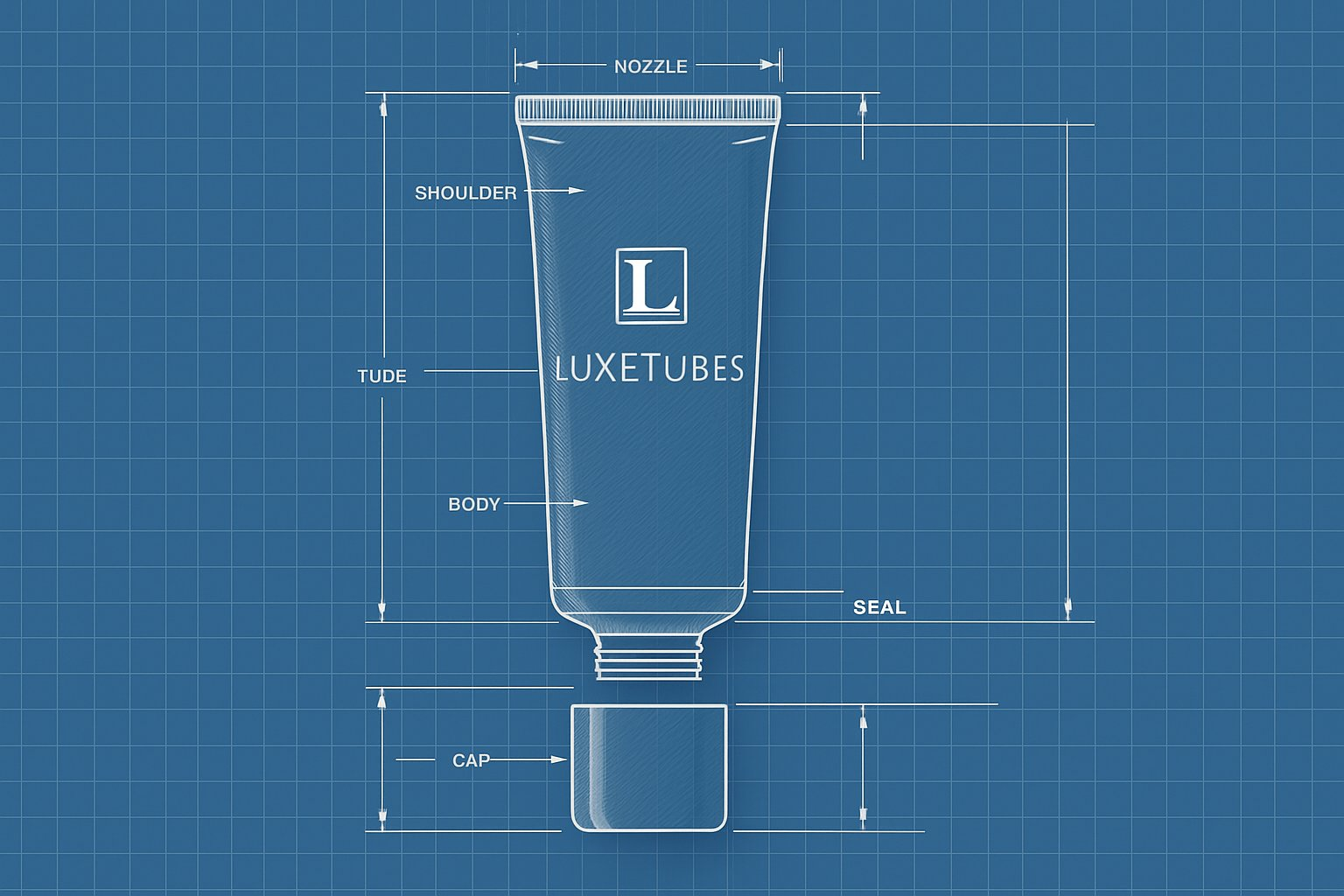
Custom cosmetic tubes shape how a product looks, feels, and performs in the hands of customers. They do more than hold lotions or creams—they communicate brand identity and product quality from the first glance.
Custom cosmetic tubes allow us to control every detail—from materials and finishes to closures and printing—so packaging aligns perfectly with both function and design goals.
We design tubes from materials like PE, PP, PET, or aluminum, each chosen for its durability, flexibility, and compatibility with skincare or makeup formulas. Customization options such as gloss, matte, or spot UV coatings, along with flip-top or screw-on caps, help tailor the experience to specific product types.
As we explore what custom cosmetic tubes are, how they’re made, and how they support sustainability and compliance, we’ll show how thoughtful packaging design can improve usability, shelf appeal, and brand trust.
What Are Custom Cosmetic Tubes?
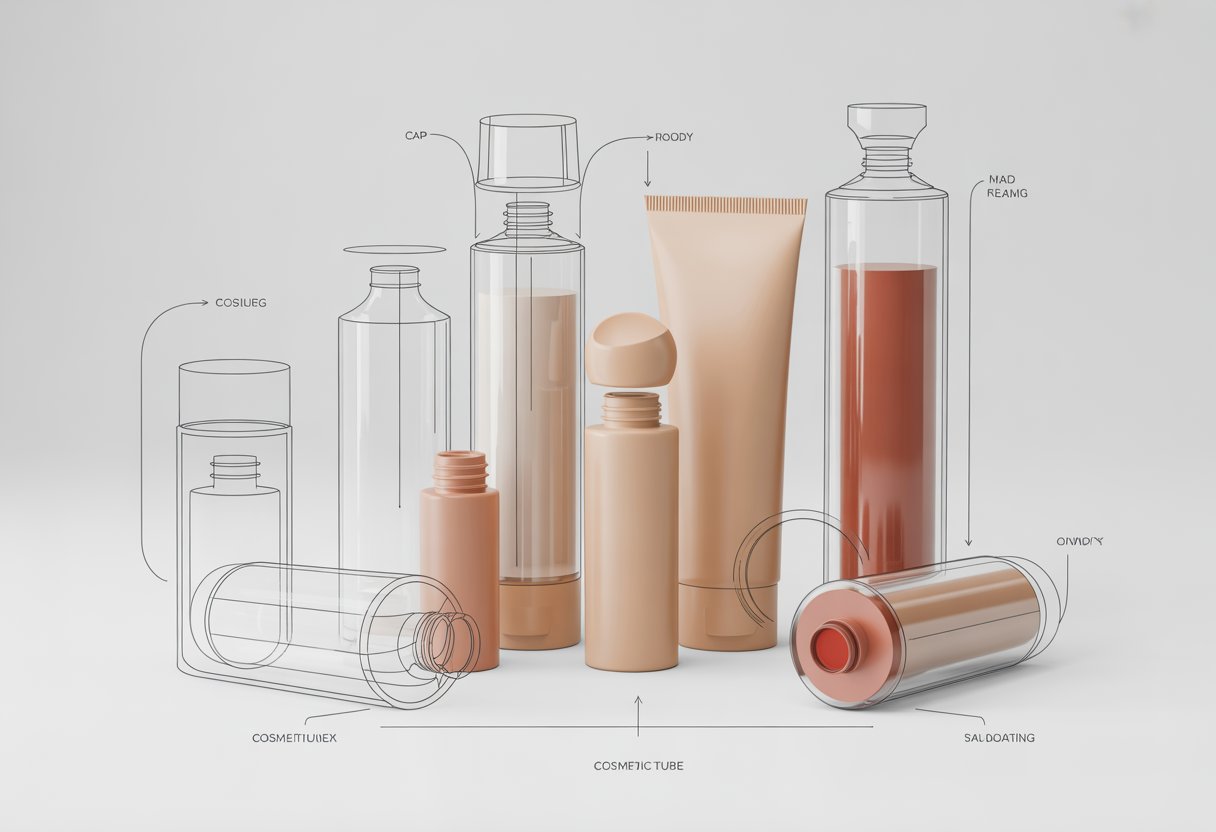
Custom cosmetic tubes serve as both protective containers and brand communication tools. They combine material science, design, and manufacturing precision to deliver safe, attractive, and efficient cosmetic packaging for products such as creams, gels, and makeup formulations. Their structure and decoration directly influence product quality, shelf life, and consumer perception.
Key Features and Benefits
We design custom cosmetic tubes to meet specific product and branding needs. A typical tube includes a body, shoulder, neck, and closure system—each engineered for performance and aesthetics.
Common materials include:
- Plastic (LDPE, HDPE, or laminated structures) for flexibility and low cost
- Aluminum for light- and air-sensitive formulas
- Eco-friendly options like PCR (post-consumer recycled) or bio-based plastics
These tubes protect formulations from contamination and oxidation while allowing precise dispensing. Their lightweight and squeezable design improves user control and reduces product waste.
Customization extends to shape, size, finish, and decoration. Offset printing, silk screening, and hot stamping enable detailed branding. We often recommend matte or glossy coatings to match a product’s market position.
| Feature | Benefit |
|---|---|
| Multi-layer laminates | Enhanced barrier protection |
| Airless pump systems | Longer shelf life |
| Flip-top or screw caps | Controlled dispensing |
| Recyclable materials | Sustainability compliance |
By tailoring these features, we help brands balance performance, cost, and visual appeal.
Common Applications in the Beauty Industry
Custom tubes appear across nearly every beauty category. Cream tubes hold moisturizers, sunscreens, and hand creams. Makeup tubes package foundations, primers, and tinted balms. In skincare, serum and cleanser tubes use airtight or dual-chamber designs to preserve active ingredients.
Private-label and luxury brands use custom tubes to differentiate their lines. A metallic finish or embossed logo signals premium quality, while paper-based laminates appeal to eco-conscious buyers.
We also see growing demand for travel-size and refillable tube packaging. Compact formats suit on-the-go consumers, and refillable systems support sustainability goals.
By selecting the right tube type and decoration method, brands can align product function, identity, and user experience with market expectations.
Types of Cosmetic Tubes

We choose tube types based on how they protect formulas, support branding, and meet sustainability goals. Material composition, barrier strength, and dispensing design all affect performance and user experience.
Plastic Squeeze Tubes
Plastic squeeze tubes remain the most common choice for creams, gels, and lotions. We often use polyethylene (PE) or polypropylene (PP) because they are lightweight, flexible, and cost-effective.
Depending on the product’s viscosity, we select between LDPE for soft squeezability and HDPE for firmer structure. These tubes are easy to decorate through silk screen, offset, or hot stamping methods, allowing full-color branding and tactile finishes.
A typical plastic cosmetic tube may include a single layer or multiple co-extruded layers for added strength. Some designs use EVOH (Ethylene Vinyl Alcohol) as a barrier layer to reduce oxygen transmission and extend shelf life.
We also use post-consumer recycled (PCR) and sugarcane-based PE to reduce environmental impact. Caps come in many forms—flip-top, screw-on, or disc caps—each chosen for convenience and product control.
| Material | Key Feature | Common Use |
|---|---|---|
| LDPE | Soft, flexible | Daily lotions |
| HDPE | Rigid, durable | Thick creams |
| PCR PE | Sustainable | Eco-focused lines |
Laminate Tubes
Laminate tubes combine multiple layers of plastic and sometimes aluminum to form a plastic composite tube with strong barrier protection. They are ideal for formulas sensitive to air, light, or moisture, such as toothpaste or medicated creams.
Two main types exist: ABL (Aluminum Barrier Laminate) and PBL (Plastic Barrier Laminate). ABL includes a thin aluminum layer between plastic films, while PBL uses high-barrier plastics like EVOH for full recyclability.
We often recommend laminate tubes when clients need print clarity and product stability. Their smooth surfaces allow high-resolution graphics and metallic effects, giving brands a premium look.
These tubes resist deformation, maintain shape under pressure, and prevent pinholes. Typical wall structures range from 3 to 5 layers, balancing flexibility with durability.
Collapsible Tubes
Collapsible tubes—usually made from aluminum—offer superior protection against oxygen, light, and moisture. They are ideal for pharmaceutical creams, ointments, and high-end skincare where formula integrity matters most.
Unlike plastic tubes, aluminum does not rebound after squeezing, so users can dispense nearly all the product. This property also minimizes contamination and waste.
We produce these tubes through impact extrusion, followed by internal coating and external printing. The coating prevents chemical reactions between the product and the metal.
Collapsible tubes are fully recyclable and often paired with tamper-evident or crimped ends for safety. Their metallic finish gives a clean, professional appearance that aligns with premium branding.
| Feature | Benefit |
|---|---|
| Total light and air barrier | Protects active ingredients |
| Non-rebound structure | Enables full product use |
| Recyclable aluminum | Supports sustainability goals |
Tube Components and Closures

We design cosmetic tubes by balancing protection, usability, and aesthetics. Each component—from the cap to the inner barrier—affects how the product performs, how long it lasts, and how consumers interact with it.
Screw Caps and Flip Tops
Screw caps and flip tops are the most common closure systems used in custom cosmetic tubes. We select between them based on product texture, viscosity, and user convenience.
Screw caps provide a tight seal that prevents leaks and evaporation. They are ideal for travel-size items or formulas with active ingredients that require air resistance. Aluminum or polypropylene screw caps are often used for premium lines because of their durability and clean look.
Flip tops, by contrast, allow one-handed use and quick dispensing. They are molded from lightweight polyethylene and work well for lotions, cleansers, and gels. The hinge design ensures repeated opening without cracking, making them cost-effective for daily-use products.
| Closure Type | Key Benefit | Best For |
|---|---|---|
| Screw Cap | Secure seal, classic look | Thick creams, small tubes |
| Flip Top | Easy use, quick dispensing | Lotions, cleansers |
We often test closure torque and hinge strength to confirm consistent performance under repeated use.
Applicators and Dispensers
Applicators and dispensers improve precision and user experience. We match each type to the product’s viscosity and application area.
Brush applicators work well for liquid concealers or serums. They spread product evenly without waste. Roller balls made from stainless steel or ceramic offer cooling effects for eye treatments.
For thicker formulas, pump dispensers provide controlled output and minimize contamination. Airless pump systems are especially useful for sensitive skincare products since they reduce oxygen exposure.
When designing these components, we consider:
- Material compatibility with the formula
- Flow rate to prevent clogging
- Ease of cleaning during manufacturing
We also verify that the orifice diameter and applicator shape match the intended use, ensuring consistent dosing and comfort.
Barrier Properties and UV Protection
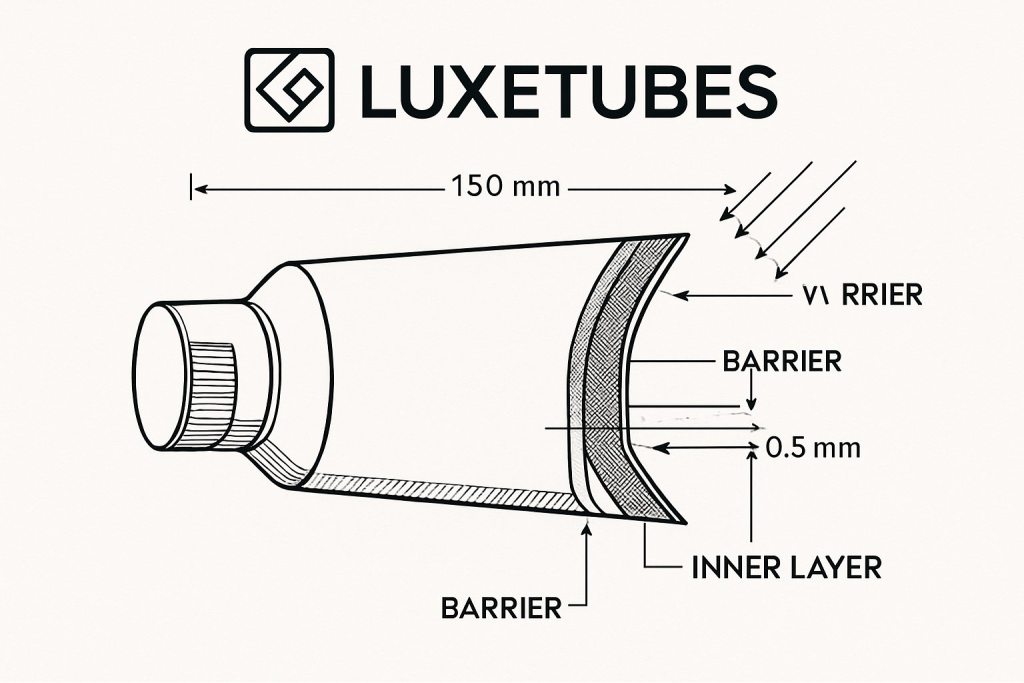
The tube’s barrier layer determines how well it protects the formula from oxygen, moisture, and light. We often use multi-layer laminated tubes (PBL or ABL) that combine plastic and aluminum for superior barrier properties. These layers prevent ingredient degradation and extend shelf life.
For light-sensitive products like vitamin C serums, UV protection is critical. We achieve this through tinted materials or UV-blocking additives blended into the tube resin. Aluminum tubes naturally block light, while co-extruded plastics can include a middle layer that filters UV rays.
Testing includes oxygen transmission rate (OTR) and water vapor transmission rate (WVTR) measurements to confirm compliance with industry standards.
By selecting the right barrier and UV protection system, we maintain formula integrity and ensure the product stays stable until the last use.
Customization Options
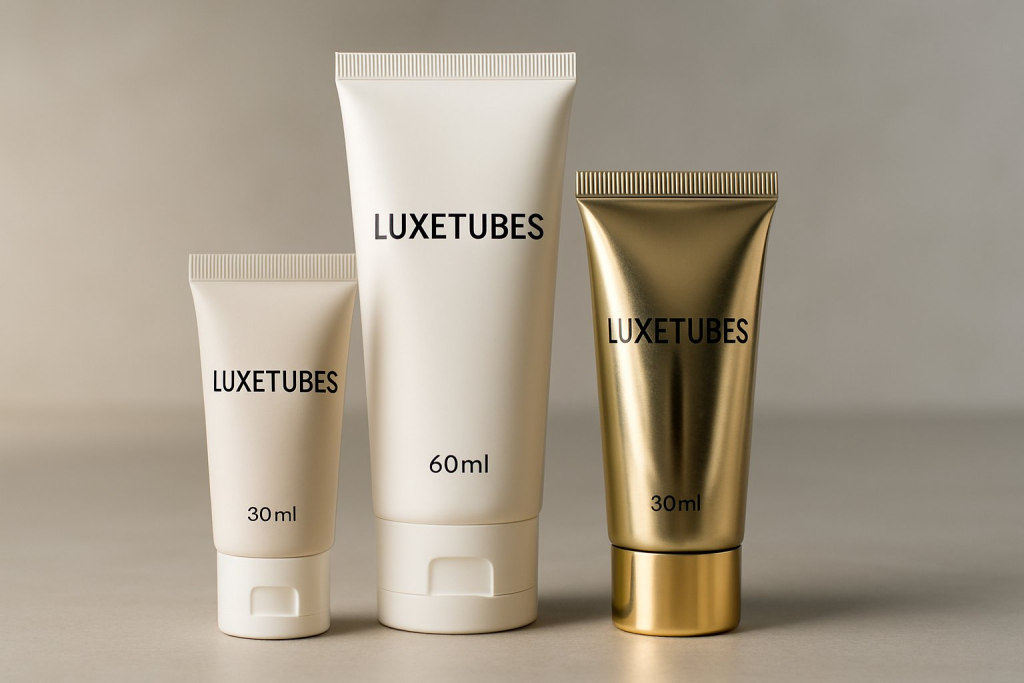
We design cosmetic tubes that balance form, function, and brand identity. Each option—from structure to surface treatment—affects how consumers interact with the product and perceive its quality. Attention to detail in these elements ensures consistency, usability, and shelf appeal.
Shapes and Sizes
Tube shape and capacity determine both aesthetics and practicality. Round tubes remain the most common because they fill easily and work well for creams or cleansers. Oval tubes provide a sleeker silhouette and fit comfortably in the hand, while flat tubes are ideal for travel-size or promotional items.
We also produce airless tubes that protect oxygen-sensitive formulas. These designs often use multilayer materials such as EVOH or LAM for improved barrier properties. Typical diameters range from 16 mm for eye creams to 50 mm for body lotions, with fill volumes between 5 mL and 250 mL.
| Tube Type | Common Use | Key Feature |
|---|---|---|
| Round | Lotions, cleansers | Standard, cost-effective |
| Oval | Premium skincare | Ergonomic, upscale look |
| Airless | Serums, sensitive formulas | Preserves product integrity |
Selecting the right shape and size ensures proper dispensing, visual harmony, and compatibility with filling equipment.
Surface Finishes
Surface finish defines the first tactile and visual impression. A matte coating conveys natural or minimalist branding, while a glossy finish enhances vibrancy and color depth. Soft-touch coatings add a velvety texture that feels premium and improves grip.
For luxury lines, we often recommend metallic finishes or pearlescent effects. Metallic layers reflect light and emphasize logos, whereas pearlescent coatings create subtle shimmer suitable for skincare or cosmetic products. Both finishes can be combined with frosted or transparent layers to highlight the formula inside.
Finishes also serve functional roles. For example, UV-resistant coatings prevent label fading, and anti-slip textures improve handling in wet environments. Selecting the right surface treatment supports brand storytelling while maintaining durability.
Printing and Decoration
Printing transforms a plain tube into a branded communication tool. We use silk screen printing for bold, raised logos or text that customers can feel. This process is durable and ideal for limited color designs. Offset printing, by contrast, delivers smooth, full-color graphics across the entire tube surface.
Hot stamping adds metallic accents like gold or silver foil for a refined look. Heat transfer and digital printing allow photo-quality images and quick turnaround for small batches or seasonal editions.
Decorative methods such as embossing, debossing, and gradient coloring further enhance depth and texture. Combining multiple techniques—such as silk screen text over a metallic base—creates a distinctive, layered appearance that strengthens brand recognition and product value.
Specialized Tubes for Different Products
We design each cosmetic tube to match the product’s texture, usage, and formula stability. Selecting the right structure, applicator, and material ensures proper dispensing, product protection, and a consistent user experience.
Eye Cream Tubes

Eye cream tubes require precision dispensing and formula protection. Most eye creams include active ingredients like retinol or peptides that degrade when exposed to air or light. We often use multi-layer PE or laminate tubes with airless tips to maintain stability.
A common diameter ranges from 16–19 mm, ideal for small-volume applications. Metal or ceramic applicator tips help deliver a cooling effect that reduces puffiness during use.
Key design features:
- Material: Multi-layer PE or aluminum barrier
- Applicator: Metal, ceramic, or roller tip
- Capacity: 10–25 ml
- Finish: Matte or glossy for a premium look
These tubes balance functionality and aesthetics, ensuring both hygienic application and brand appeal.
Lip Gloss Tubes
Lip gloss tubes focus on controlled flow and visual clarity. The product’s viscosity and color visibility drive material choice—transparent PET or soft PE allows consumers to see the shade and texture.
We typically integrate soft squeeze bodies with angled nozzles or wand applicators for smooth, precise application. For travel-friendly use, the tube must resist leakage under pressure and temperature changes.
Common specifications:
| Feature | Specification |
|---|---|
| Diameter | 13–19 mm |
| Capacity | 5–15 ml |
| Material | PET, PE, or laminated composite |
| Decoration | Offset or silk-screen printing |
These lip gloss tubes combine ergonomic design with brand customization through color-matched caps and printed logos.
Hand Cream Tubes
Hand cream tubes need durability and easy squeezability for thicker formulations. We use medium-to-large diameter tubes (30–50 mm) made from LDPE or multi-layer laminate for flexibility and barrier protection.
Caps are often flip-top for one-handed use. Some brands prefer post-consumer recycled (PCR) materials to meet sustainability goals without sacrificing performance.
Technical highlights:
- Volume range: 50–120 ml
- Wall thickness: 0.4–0.6 mm for optimal squeeze control
- Printing options: Hot stamping or screen printing for branding durability
These tubes maintain product integrity while providing a comfortable grip and consistent dispensing.
Toothpaste Tubes
Toothpaste tubes, also known as paste tubes, handle abrasive and moisture-sensitive formulas. We use laminated or aluminum barrier layers to prevent flavor loss and ingredient oxidation.
A typical toothpaste tube diameter ranges from 25–40 mm, depending on product size. The shoulder and cap design must ensure resealability and prevent drying.
Design considerations:
- Barrier type: ABL (Aluminum Barrier Laminate) or PBL (Plastic Barrier Laminate)
- Cap style: Flip-top or stand-up cap for convenience
- Printing: Multi-color offset printing for brand clarity
Our toothpaste tubes combine structural strength with clean dispensing, extending shelf life while maintaining consumer trust.
Sustainability and Regulatory Compliance

We design our custom cosmetic tubes to meet sustainability goals while complying with international packaging regulations. Our focus is on reducing environmental impact through responsible material selection and meeting strict safety and quality standards that protect both consumers and brands.
Eco-Friendly Materials and Designs
We prioritize sustainable packaging by using materials that reduce waste and energy use. Common options include mono-material polyethylene (PE) and polypropylene (PP) tubes, which are easier to recycle than multi-layer structures. Some models incorporate post-consumer recycled (PCR) resin, lowering virgin plastic consumption by up to 50%.
Our design process emphasizes lightweight construction and optimized wall thickness to minimize material use without sacrificing durability. We also explore bio-based plastics derived from renewable sources like sugarcane, offering comparable performance to traditional polymers.
To further enhance recyclability, we avoid mixed materials and use removable labels or direct printing. This helps meet the requirements of EU Packaging Waste Directive and similar global regulations.
Example comparison:
| Material Type | Recyclability | Carbon Footprint | Common Use |
|---|---|---|---|
| PE Mono-layer | High | Low | Sunscreen, lotion |
| PCR PE | High | Very Low | Skincare, haircare |
| Multi-layer (EVOH) | Moderate | Moderate | Sensitive formulas |
Industry Standards and Certifications
We align our production with recognized industry standards to ensure product safety, performance, and environmental responsibility. Our tubes comply with ISO 9001 for quality management and ISO 14001 for environmental management.
For regulatory compliance, we follow EU REACH, GMP guidelines to control material safety and traceability. These frameworks confirm that our packaging materials contain no restricted chemicals and meet hygiene requirements for cosmetic contact.
We also validate sustainability claims through third-party certifications such as SGS, or Intertek testing. These certifications verify recyclability rates, material composition, and compliance with Extended Producer Responsibility (EPR) laws.
By maintaining transparent documentation and traceable supply chains, we help brands demonstrate accountability and meet both consumer expectations and government regulations.
