
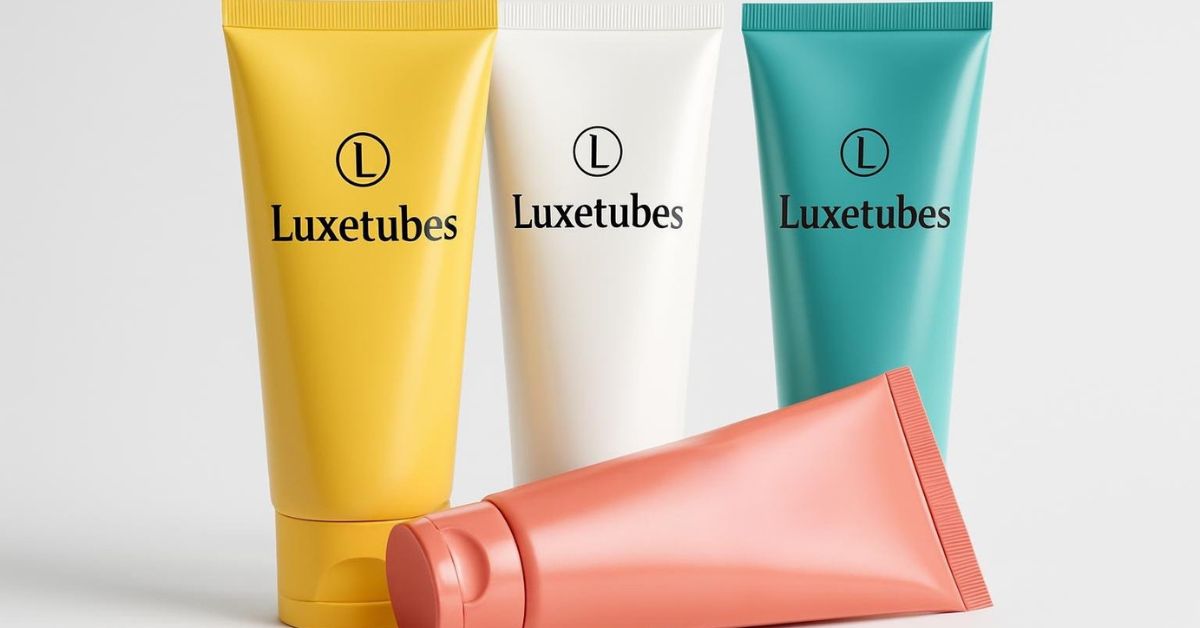
Squeeze tubes have become one of the most practical and reliable packaging choices in the cosmetic industry. They hold everything from lotions and creams to cleansers and lip care products, making them a versatile option for both everyday use and travel.
We use squeeze tubes in cosmetics because they protect the product, allow controlled dispensing, and provide a clean, convenient experience.
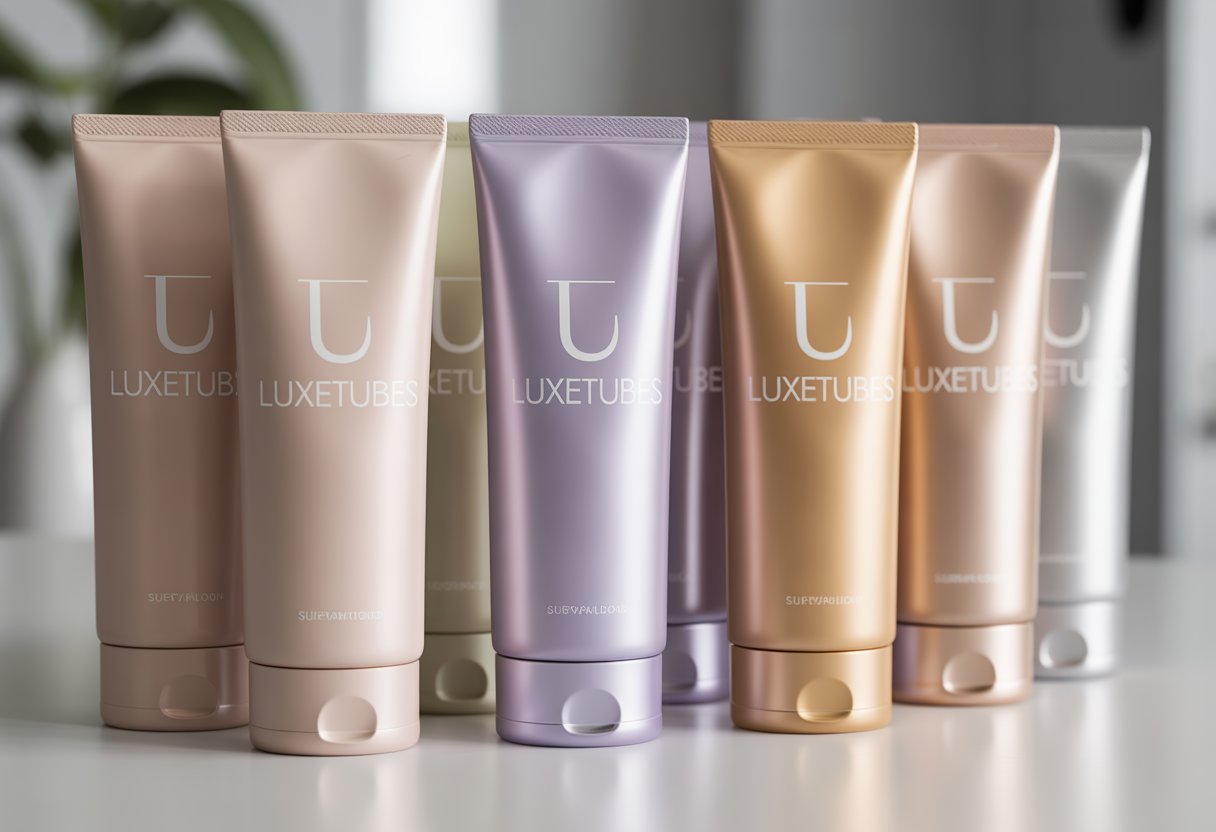
As we look at the different types of squeeze tubes available, it’s clear that not all tubes are the same. Materials, sizes, and features vary depending on the product inside, whether it’s a thick cream, a lightweight gel, or a liquid formula. This variety gives brands the flexibility to match the right tube to the right product.
Beyond function, squeeze tubes also play a big role in how a product looks and feels in the hand. With options for custom colors, finishes, and printing, they offer a way to create packaging that stands out while staying practical. By understanding the features and supplier options, we can make smarter choices that balance design, cost, and performance.
Types of Squeeze Tubes for Cosmetics
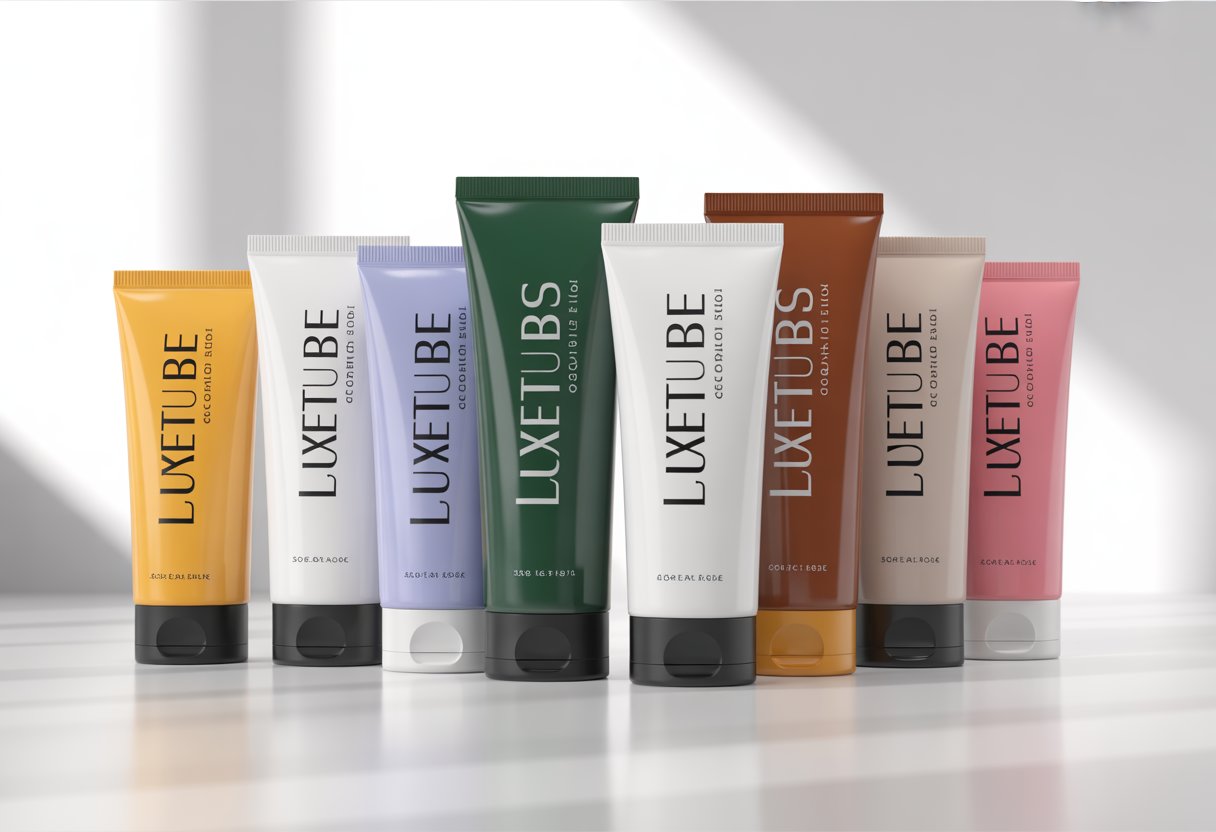
Cosmetic squeeze tubes come in different forms depending on the material used. Each type offers unique benefits in terms of durability, cost, product protection, and appearance. Choosing the right option depends on the formula inside, the brand image, and how the product will be used.
Plastic Squeeze Tubes
Plastic tubes are the most common choice for lotions, creams, gels, and cleansers. They are lightweight, flexible, and cost-effective, which makes them suitable for both mass-market and premium products.
We often see polyethylene (PE) used because it is soft, squeezable, and easy to produce in different sizes. Another option is PET plastic, which provides a glossier finish and greater rigidity. Both materials can be customized with printing, labeling, or colored finishes.
Plastic tubes also support a wide range of caps, such as flip-top, screw-on, or nozzle tips. This flexibility makes them practical for products that need controlled dispensing. However, they may not always provide the strongest barrier against oxygen or light, which can limit their use for formulas that are highly sensitive.
Aluminum Cosmetic Tubes
Aluminum cosmetic tubes are valued for their strong barrier properties. They protect products from air, light, and moisture, which helps extend shelf life. This makes them ideal for formulas like ointments, medicated creams, or sunscreens that must remain stable.
Unlike plastic, aluminum does not bounce back after squeezing. Once pressed, the tube stays flattened, which helps prevent air from re-entering. This feature is important for products that need to remain hygienic and uncontaminated.
Aluminum tubes also have a clean, metallic appearance that aligns well with premium or pharmaceutical-style branding. On the downside, they can dent easily and usually cost more to produce than plastic versions. Still, for sensitive or high-value products, the extra protection often outweighs these drawbacks.
Laminate Tubes (ABL and PBL)
Laminate tubes combine layers of different materials to balance flexibility, durability, and barrier strength. They are often used for toothpaste, creams, and gels that need better protection than standard plastic provides.
There are two main types:
- ABL (Aluminum Barrier Laminate): Uses a thin layer of aluminum for strong protection against oxygen and light.
- PBL (Plastic Barrier Laminate): Uses special plastic layers to create a lighter, fully recyclable option.
These tubes look similar to plastic squeeze tubes but perform closer to aluminum in terms of product safety. They also support detailed printing, which makes them popular for brands that want both function and visual appeal. Laminate tubes give us a middle ground between cost, protection, and design flexibility.
Key Features and Benefits
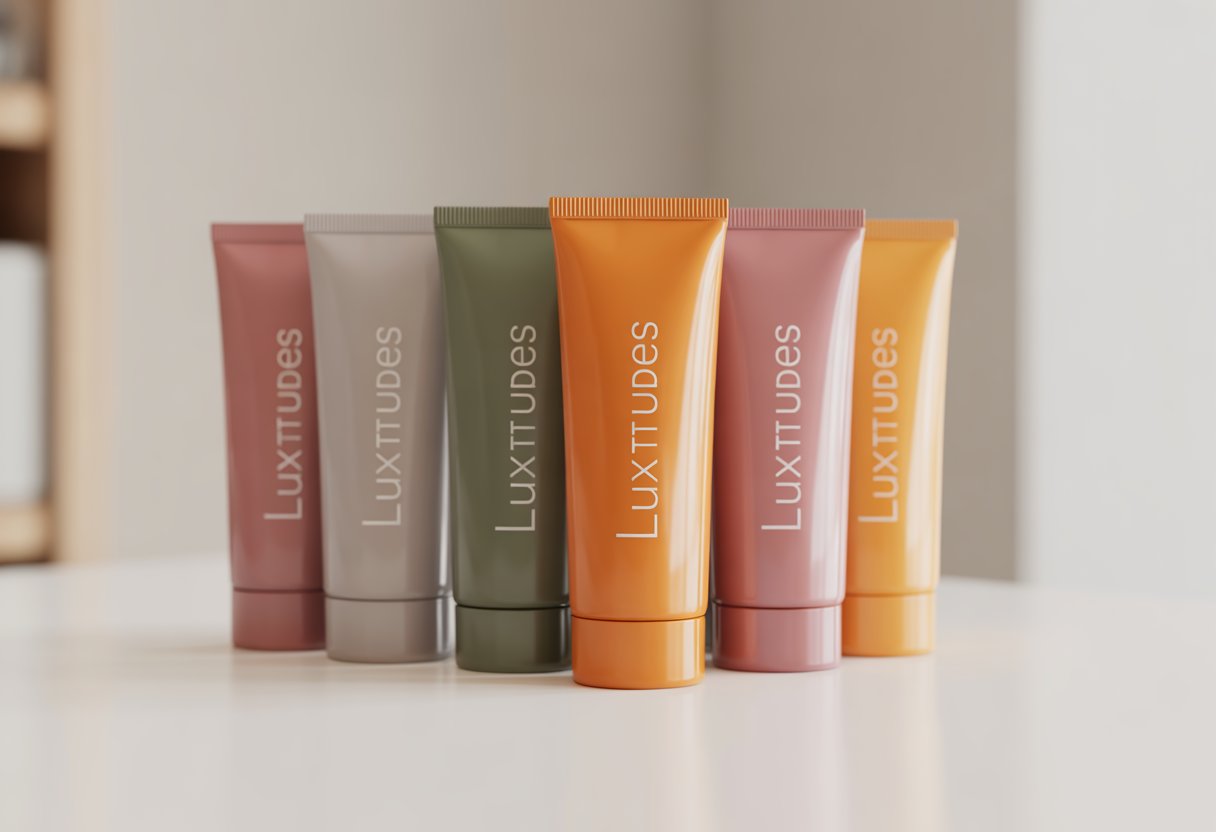
Cosmetic tube packaging offers practical advantages that improve how products are stored, dispensed, and carried. Strong materials, controlled dispensing, and compact design make squeeze tubes a reliable choice for both brands and consumers.
Leak-Proof and Durable Design
We rely on cosmetic packaging that keeps products safe from leaks and damage. Squeeze tubes are made with sturdy materials such as plastic, laminated layers, or aluminum, which provide a strong barrier against outside elements. This helps extend shelf life and prevents contamination.
A well-designed cap, whether flip-top or screw-on, plays a key role in keeping formulas secure. Many tubes also include inner seals or tamper-evident features that protect the product until first use.
Durability also matters during shipping and storage. Unlike glass jars or bottles, squeeze tubes resist breakage and are less likely to crack under pressure. This makes them a dependable option for both retail shelves and consumer use.
Key durability benefits:
- Protection against leaks and spills
- Resistance to breakage and dents
- Barrier against air, light, and moisture
Ease of Use and Dispensing
We choose squeeze tubes because they allow precise control when applying creams, gels, or lotions. The flexible body makes it easy to push out the right amount of product, reducing waste and mess.
Different cap types support different textures. For example, a narrow nozzle works well for serums, while a wider opening fits thicker creams. Airless tube options also keep oxygen out, which is important for sensitive formulas like anti-aging creams.
This controlled dispensing not only improves hygiene but also ensures that consumers get consistent results every time they use the product.
Dispensing advantages include:
- Controlled product flow
- Reduced waste of expensive formulas
- Hygienic application without dipping fingers inside
Portability and Travel-Friendly
We value cosmetic tube packaging for its lightweight and compact shape. Tubes fit easily into handbags, travel kits, or gym bags, making them convenient for daily use. Their flexible structure takes up less space compared to jars or pump bottles.
Leak-proof designs also give us confidence when carrying products in luggage. Many tubes meet travel size regulations, which is helpful for air travel.
Because they are easy to carry and secure, squeeze tubes support active lifestyles and frequent travel without sacrificing product quality.
Travel-friendly highlights:
- Lightweight and compact size
- Meets airline carry-on limits
- Safe to pack without risk of spills
Customization and Decoration Options
We can make cosmetic squeeze tubes stand out by choosing the right printing, stamping, and shaping methods. These options affect how the product looks on the shelf, how customers interact with it, and how well it communicates brand identity.
Silk Screen Printing
Silk screen printing gives us sharp, long-lasting graphics on tubes. The process pushes ink directly onto the tube surface through a fine mesh stencil. This method works best for solid colors, bold logos, and simple text.
We often use it for designs that need high opacity. Even on darker tubes, the ink stays vibrant and visible. The finish can be glossy or matte, depending on the ink and coating we choose.
A key advantage is durability. The print resists smudging and fading, even with repeated handling. This makes it suitable for products like sunscreen, lotion, or cleanser that customers use daily.
Silk screen printing is also cost-effective for medium to large runs. While it is less ideal for detailed images or gradients, it is excellent for clean, professional designs.
Hot Stamping
Hot stamping uses heat and pressure to transfer metallic or pigmented foil onto the tube surface. We often use this method to highlight logos, brand names, or decorative accents.
The result is a reflective, premium-looking finish. Common choices include gold, silver, and rose gold foils, but colored foils are also available. This technique works well for luxury skincare and makeup products where presentation is a priority.
Unlike standard printing, hot stamping does not rely on ink. Instead, it creates a thin foil layer that bonds firmly to the surface. This gives the decoration a crisp edge and a tactile feel.
Hot stamping is usually applied in combination with other printing methods. For example, we might use silk screen printing for the main design and add foil stamping to highlight key elements.
Custom Colors and Shapes
Tube customization extends beyond graphics. We can select from a wide range of body colors, cap finishes, and shapes to match brand identity.
Color options include opaque, translucent, or fully transparent tubes. We can also use gradient or ombre effects for a more modern look. Matching cap colors or adding contrasting finishes helps tie the design together.
Shape customization allows us to move beyond standard cylindrical tubes. Options include oval, flat, or tapered tubes, each offering a different look and feel. Tapered designs often feel more ergonomic, while flat tubes provide extra space for labeling.
We also consider cap styles. Flip-top, screw-on, or airless pump caps can be customized in size, color, and material. Decorative caps with metallic coatings or textured finishes add another layer of distinction.
By combining color, shape, and cap design, we create packaging that not only looks appealing but also improves usability and brand recognition.
Choosing the Right Squeeze Tube Supplier
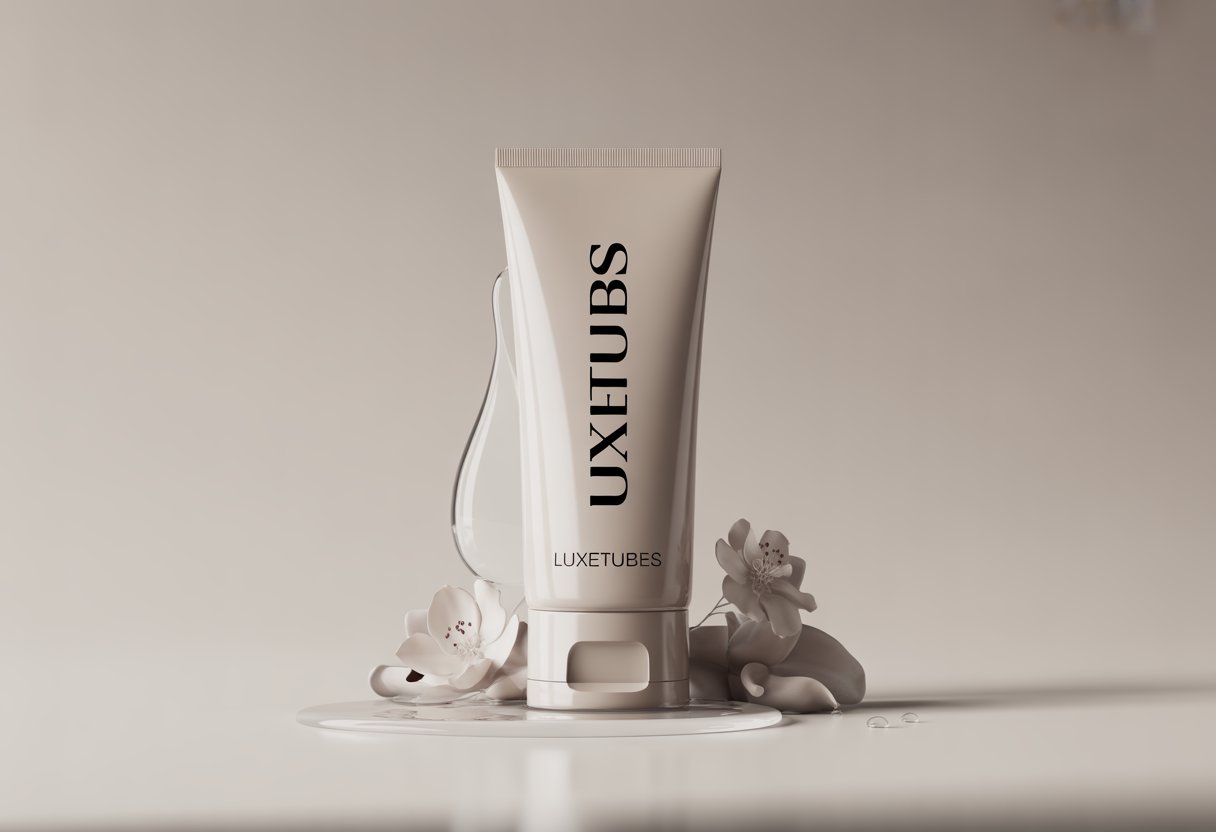
Selecting a supplier for cosmetic tube packaging requires careful attention to production capacity, quality control, and environmental responsibility. These factors directly affect cost, consistency, and how well packaging aligns with customer expectations.
Minimum Order Quantities and Lead Time
Suppliers often set minimum order quantities (MOQs) that vary depending on tube size, material, and customization. For example, a standard plastic squeeze tube may require a lower MOQ than a decorated or specialty tube with unique finishes.
We need to confirm whether a supplier can handle both small trial runs and large-scale production. This flexibility is especially important for new product launches or seasonal collections.
Lead time is another critical factor. Standard tubes may be ready in a few weeks, while custom designs with embossing, foil stamping, or special molds may take longer. Reliable suppliers provide clear timelines upfront and communicate if delays occur.
A simple way to compare suppliers is to ask:
- MOQ for standard tubes
- MOQ for custom tubes
- Average lead time for each order type
This helps us plan production schedules without unnecessary surprises.
Quality Assurance and Standards
Consistency in cosmetic tube packaging is essential to protect product formulas and maintain brand trust. A good supplier follows strict quality checks at every stage, from raw material sourcing to final inspection.
We should verify that suppliers comply with ISO certifications or regional cosmetic packaging standards. These certifications confirm that tubes meet safety, hygiene, and durability requirements.
Testing should cover:
- Barrier protection against air, light, and contamination
- Durability under pressure and transport
- Print quality for labeling and branding
We also look for suppliers that provide batch samples before mass production. This allows us to check dimensions, finishes, and dispensing performance. When quality control is transparent and documented, we reduce the risk of defects and recalls.
Sustainability and Eco-Friendly Choices
More brands now expect eco-friendly cosmetic tube packaging options. A supplier that offers recyclable plastics, biodegradable materials, or refillable designs helps us meet these demands.
Common sustainable choices include:
- PE recyclable tubes
- Biodegradable blends
- Refillable squeeze tubes
We must also evaluate how suppliers manage waste, energy use, and sourcing practices. Some suppliers offer lightweight tube designs that reduce material use and shipping costs.
Clear labeling, such as recycling codes on the tube, also supports consumer education and proper disposal. By working with suppliers who invest in sustainable packaging, we align our products with long-term market expectations and customer values.
