
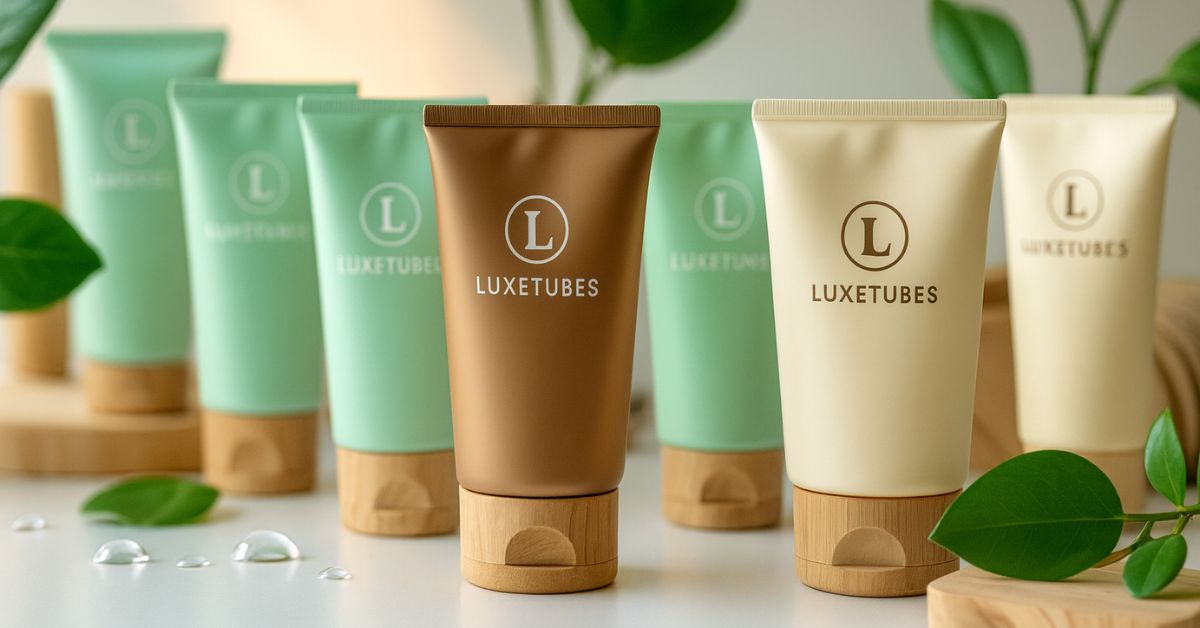
Hand lotion tubes are the squeeze containers that deliver your favorite creams and lotions with precision and convenience. These specialized packaging solutions work like toothpaste tubes but are engineered specifically for skincare products. You’ll find them in purses, travel bags, and retail shelves everywhere.
Choosing the right tube specifications can save manufacturers significant money while ensuring product quality and faster market launch.
Many brands face costly setbacks when they select inappropriate materials or sizes for their formulations. The wrong choice leads to product instability, higher packaging expenses, and delayed product releases.
We’ll explore the key materials that create durable tubes, popular sizing options, and current design trends. You’ll also discover sustainability innovations and customization possibilities that can set your brand apart. This guide helps you make informed decisions about tube selection for your skincare products.
Materials & Manufacturing: What Makes Quality Tubes
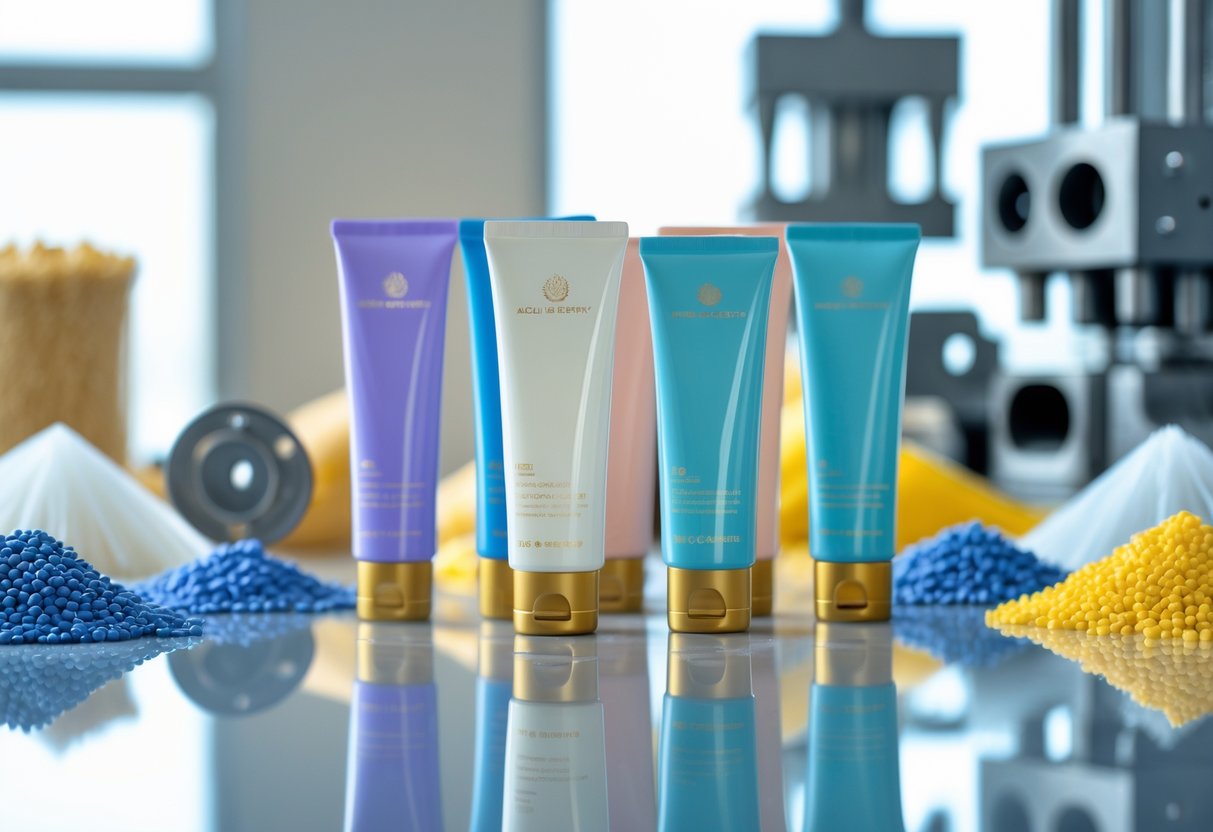
The materials and manufacturing process determine how well your hand lotion tube will protect its contents and serve your needs. Aluminum offers the best barrier protection, while plastic provides affordable versatility for most applications.
Aluminum Tubes: Premium Barrier Protection, UV Resistance
Aluminum tubes deliver the highest level of protection for premium hand lotions. They create a complete barrier against air, light, and moisture that can degrade your product over time.
Key advantages of aluminum tubes:
- 100% air barrier – prevents oxidation completely
- UV protection – blocks harmful light that breaks down active ingredients
- Chemical resistance – won’t react with lotion formulations
- Temperature stability – maintains performance in hot or cold conditions
We see aluminum tubes used most often for expensive or sensitive formulations. They cost more than plastic options but justify the price through superior protection.
The manufacturing process involves impact extrusion from aluminum slugs. This creates seamless tube bodies without weak points where air could enter.
Plastic Tubes: Cost-Effective, Versatile Options
Plastic tubes dominate the hand lotion market due to their balance of performance and affordability. Two main types serve different needs effectively.
Polyethylene (PE) tubes offer excellent flexibility and squeeze-ability. Low-density PE creates soft tubes that dispense product easily. High-density PE provides better barrier properties while maintaining good flexibility.
Polypropylene (PP) tubes deliver higher chemical resistance and clarity. They work well for lotions with active ingredients that might interact with other plastics.
| Material | Cost | Barrier | Flexibility | Best For |
|---|---|---|---|---|
| LDPE | Low | Basic | Excellent | Daily lotions |
| HDPE | Low-Medium | Good | Good | Most formulations |
| PP | Medium | Very Good | Moderate | Active ingredients |
Plastic tubes allow for easy customization through colors, printing, and special finishes that attract consumers.
Manufacturing Process: From Extrusion to Finished Product
Modern tube manufacturing follows precise steps to ensure consistent quality. The process differs slightly between aluminum and plastic but shares common principles.
Plastic tube manufacturing:
- Extrusion – melted plastic forms continuous tube shapes
- Cutting – tubes cut to exact lengths
- Shoulder formation – neck area shaped for cap attachment
- Threading – cap threads precisely cut
- Bottom sealing – ends sealed and trimmed
Quality control happens at each step. We check wall thickness, dimensions, and seal integrity continuously.
Laminated tubes combine plastic with aluminum layers. This creates better barriers than pure plastic while maintaining lower costs than full aluminum.
Quality Considerations for Different Materials
Different materials require specific quality standards to ensure reliable performance. We evaluate tubes based on their intended use and contents.
Critical quality factors:
- Barrier performance – measured through oxygen and moisture transmission rates
- Chemical compatibility – testing with actual lotion formulations
- Seal integrity – pressure testing to prevent leaks
- Dispensing consistency – ensuring smooth product flow
Cheap plastic tubes often fail through thin walls or poor seals. Quality tubes maintain consistent wall thickness and use proper sealing techniques.
Testing standards include drop tests, temperature cycling, and accelerated aging. These simulate real-world conditions your tubes will face.
The best tube material depends on your specific lotion formula, shelf life requirements, and budget constraints. Premium formulations benefit from aluminum protection, while everyday lotions perform well in quality plastic tubes.
Popular Sizes & Specifications
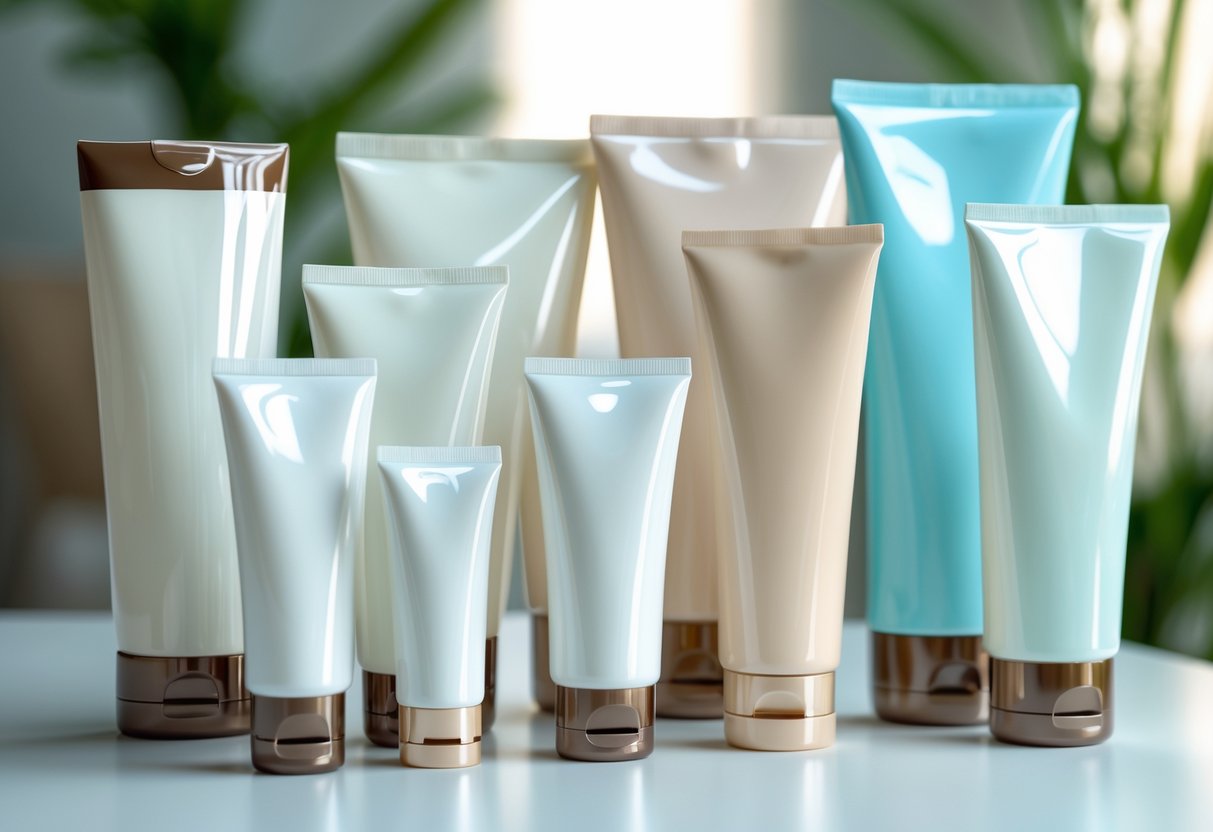
Hand lotion tubes come in sizes ranging from 15ml to 250ml, with specific dimensions serving different market needs. The 51-100ml range dominates retail sales, while smaller 15-30ml options excel for travel and promotional use.
Most Common Sizes (51-100ml) And Their Applications
The 51-100ml size range represents the sweet spot for retail hand lotion packaging. These tubes offer the perfect balance between value and convenience for consumers.
Standard Retail Specifications:
- 50ml tubes: 13-16mm diameter, 120-140mm height
- 75ml tubes: 16-19mm diameter, 145-165mm height
- 100ml tubes: 19-22mm diameter, 160-180mm height
We see 50ml tubes performing exceptionally well in premium skincare lines. They provide enough product for 6-8 weeks of daily use while maintaining portability.
The 75ml size works best for mid-range brands targeting frequent users. This capacity offers better value per ounce compared to smaller options.
100ml tubes dominate the family-use segment. They’re cost-effective for households and reduce packaging waste through less frequent repurchasing.
Key Applications by Size:
- 50ml: Premium hand creams, specialty treatments
- 75ml: Daily moisturizers, office desk supplies
- 100ml: Family products, value packs
Travel-Friendly Vs. Retail Sizing Strategies
Travel regulations and consumer habits drive distinct sizing strategies across different market channels.
- 15ml: Ultra-portable, fits in small purses
- 30ml: Most popular travel size, 2-week supply
- 50ml: Maximum airline-friendly capacity
We recommend 30ml tubes for travel lines because they meet airline requirements while providing adequate product volume. These tubes typically measure 13mm diameter by 100-110mm height.
Retail sizing focuses on usage frequency and value perception. Department stores prefer 50-100ml options that justify premium pricing.
Channel-Specific Preferences:
| Channel | Preferred Size | Reasoning |
|---|---|---|
| Airport retail | 15-30ml | TSA compliance |
| Department stores | 50-75ml | Premium positioning |
| Drugstores | 75-100ml | Value focus |
| Hotel amenities | 15-20ml | Single-use portions |
Custom Sizing Options For Different Market Segments
Market segmentation drives demand for specialized tube dimensions beyond standard offerings.
Professional Spa Segment: We see growing demand for 150-200ml tubes in spa environments. These larger sizes reduce refill frequency while maintaining professional appearance.
Corporate Gift Market: Custom 25ml tubes work perfectly for promotional campaigns. They’re substantial enough to feel valuable but cost-effective for bulk orders.
Luxury Skincare Positioning: Premium brands often choose 30-40ml sizes to emphasize product concentration and exclusivity. The smaller volume suggests potent formulations requiring minimal application.
Manufacturing Minimums:
- Standard sizes: 1,000-3,000 unit minimums
- Custom dimensions: 5,000-10,000 unit minimums
- Specialized caps/applicators: 10,000+ unit minimums
We recommend testing market response with standard sizes before investing in custom tooling. This approach reduces upfront costs while validating consumer preferences for your specific product category.
Benefits For Manufacturers & Brands
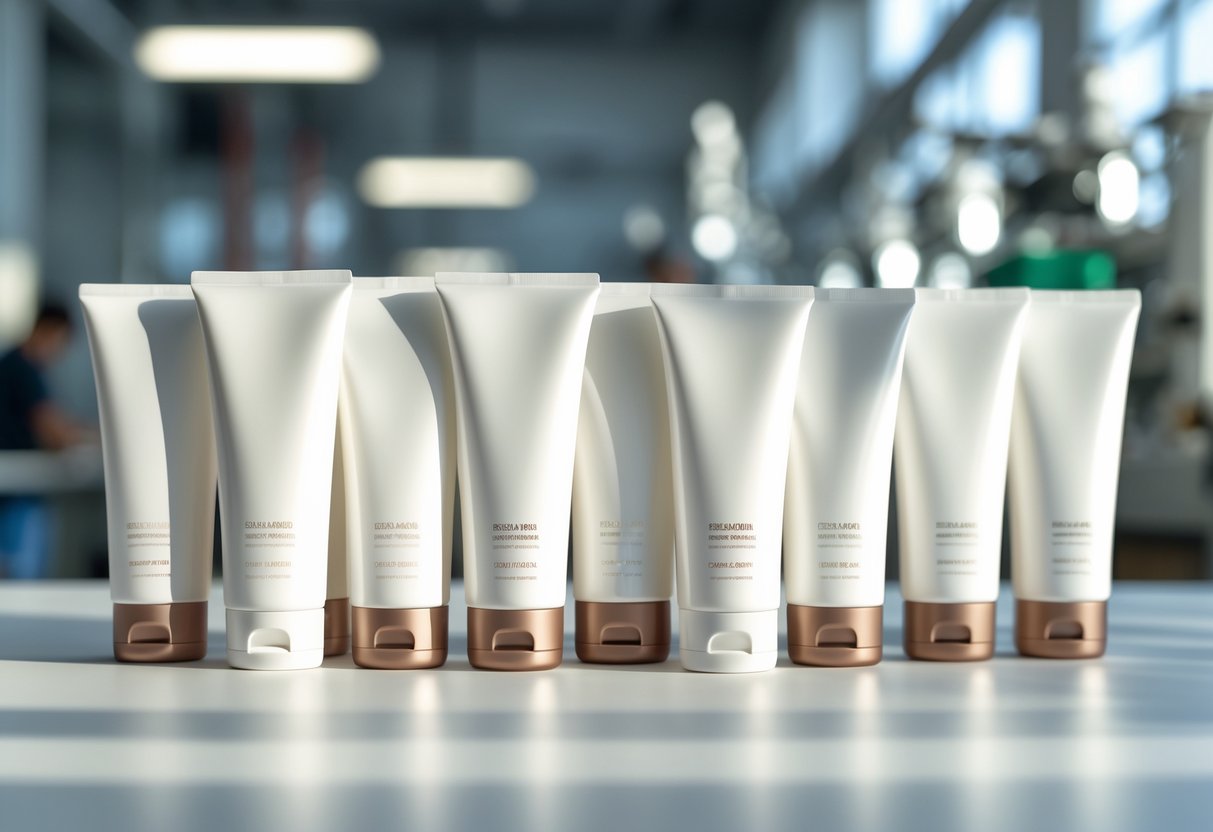
Hand lotion tubes offer significant advantages that impact your bottom line and market position. These benefits span from reducing production costs to creating stronger brand connections with consumers.
Cost-Effectiveness And Production Efficiency
Tube packaging delivers impressive cost savings through multiple channels. Wholesale purchasing can reduce your packaging costs by 30-50% compared to individual orders.
The manufacturing process for tubes requires less material than rigid containers. This translates to lower raw material expenses for your production line.
Tubes are lightweight, which cuts shipping costs significantly. You can fit more units per shipment compared to heavier glass or thick plastic containers.
Production efficiency improves because tubes integrate easily into automated filling lines. Most tube filling equipment can process 100-200 units per minute.
Storage becomes more economical too. Tubes nest together or stack efficiently in warehouses, reducing your storage footprint by up to 40%.
| Cost Factor | Tube Advantage | Typical Savings |
|---|---|---|
| Material costs | Less plastic/aluminum needed | 20-30% |
| Shipping | Lightweight design | 35-45% |
| Storage | Compact stacking | 30-40% |
Branding And Customization Opportunities
Custom tube designs give your brand a distinctive shelf presence. You can choose from various materials, colors, and finishes to match your brand identity.
Printing options include full-color graphics, metallic finishes, and matte textures. These features help your products stand out in crowded retail spaces.
Tube shapes offer flexibility beyond standard round designs. Oval, flat, and uniquely contoured tubes create memorable brand experiences.
Cap customization adds another branding layer. Flip-tops, pump dispensers, and specialty closures become part of your brand signature.
Private labeling becomes simpler with tubes. Manufacturers can easily apply your custom graphics and text during production.
Consumer psychology responds well to premium tube finishes. Soft-touch coatings and elegant designs suggest higher product quality.
Shelf Life Extension And Product Protection
Tubes create an excellent barrier against contamination and degradation. The sealed environment protects your lotion formulations from air exposure.
Light protection is crucial for many cosmetic ingredients. Opaque tube materials shield light-sensitive compounds from UV damage.
Oxygen exposure breaks down many active ingredients over time. Tubes minimize air contact, extending your product’s effective shelf life by 6-12 months.
Temperature stability improves with tube packaging. The material provides insulation against temperature fluctuations during shipping and storage.
Contamination prevention is built into the tube design. Users cannot insert fingers or contaminated objects into the product.
Dispensing control reduces waste and maintains product integrity. Consumers use only what they need while keeping the rest sealed.
Consumer Convenience Factors
Portability ranks as the top consumer benefit of tube packaging. Travelers appreciate leak-resistant designs that fit easily in luggage.
Dispensing precision allows users to control product amounts accurately. This prevents waste and ensures consistent application.
One-handed operation appeals to busy consumers. Flip-cap and squeeze designs work perfectly in shower environments or during travel.
Hygiene benefits matter increasingly to health-conscious consumers. Tubes eliminate direct hand contact with the bulk product.
Evacuation efficiency helps consumers use nearly 100% of the product. Tube flexibility allows complete emptying, unlike rigid containers.
Storage convenience extends product appeal. Tubes stand upright or lay flat without leaking, fitting various bathroom and travel storage needs.
Sustainability & Eco-Friendly Innovations
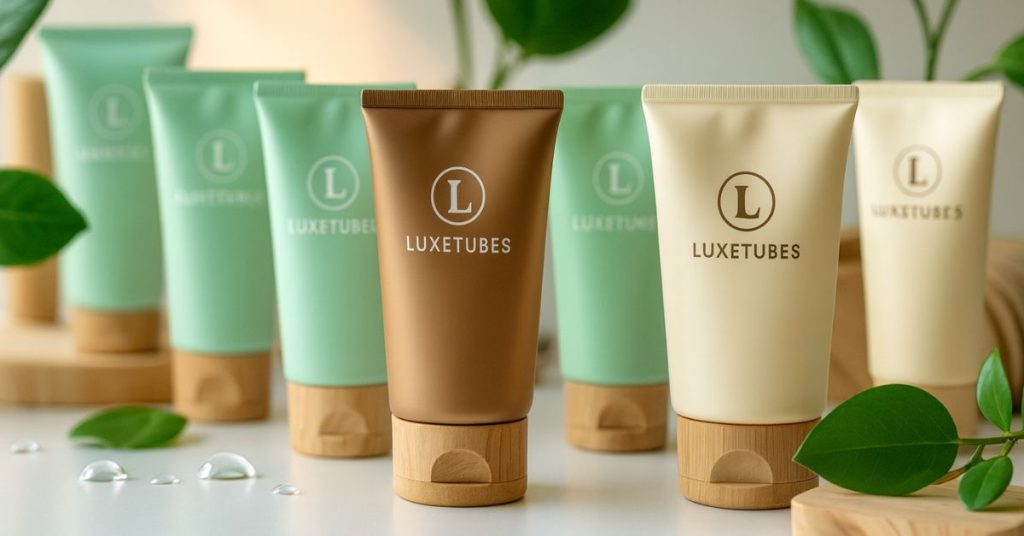
The packaging industry is rapidly shifting toward sustainable solutions, with hand lotion tubes leading this transformation. Manufacturers now offer recyclable materials, biodegradable alternatives, and refillable designs that meet growing consumer demand for environmentally responsible products.
Recyclable Materials And Sustainable Alternatives
PCR plastics are revolutionizing hand lotion tube manufacturing. These post-consumer recycled materials perform just like traditional plastics but create a closed-loop system.
We’re seeing brands make bold commitments to use 100% recyclable packaging by 2030. This shift includes mono-material designs that simplify the recycling process significantly.
Plant-based polymers like PLA (polylactic acid) offer similar performance to traditional plastics. These materials break down naturally without harming the environment.
Aluminum and glass alternatives provide premium feel for high-end products. Their infinite recyclability makes them ideal for luxury hand cream brands.
| Material Type | Recyclability | Environmental Impact | Cost Factor |
|---|---|---|---|
| PCR Plastics | High | Low | Medium |
| PLA Polymers | Compostable | Very Low | High |
| Aluminum | Infinite | Low | High |
| Traditional Plastic | Limited | High | Low |
Lightweighting innovations reduce material usage by up to 30% while maintaining tube integrity. This approach cuts both costs and transportation emissions.
Biodegradable Options And Refillable Designs
Paper cosmetic tubes represent the newest innovation in sustainable packaging. These tubes offer complete biodegradability while maintaining product protection standards.
Kraft paper tubes with biodegradable linings are gaining popularity for hand lotions. They decompose completely in industrial composting facilities within 90 days.
Refill systems create lasting customer relationships while reducing waste. Brands now offer refill pouches that use 75% less packaging than traditional tubes.
We’re witnessing the rise of return-and-reuse programs in retail stores. Customers bring empty tubes back for cleaning and refilling services.
Airless pump technology in refillable containers eliminates preservative needs. This innovation improves both sustainability and product performance.
Subscription models paired with refillable tubes reduce packaging waste by 60%. These systems deliver regular product supplies with minimal environmental impact.
Meeting Consumer Demand For Green Packaging
Consumer awareness drives 85% of packaging innovation decisions in the beauty industry. Brands that ignore sustainability risk losing market share to eco-conscious competitors.
Third-party certifications like FSC and Cradle to Cradle build consumer trust. These labels help customers identify truly sustainable packaging options.
QR codes and smart packaging educate consumers about proper disposal methods. This transparency creates stronger brand loyalty among environmentally conscious buyers.
Regulatory pressure accelerates sustainable packaging adoption worldwide. Countries are implementing single-use plastic bans that force industry innovation.
Premium pricing acceptance for sustainable packaging reaches 73% among millennial consumers. This willingness to pay more supports continued innovation investments.
Brands using sustainable packaging report 25% higher customer retention rates. Environmental responsibility directly translates to business success in today’s market.
Design Trends & Customization Options
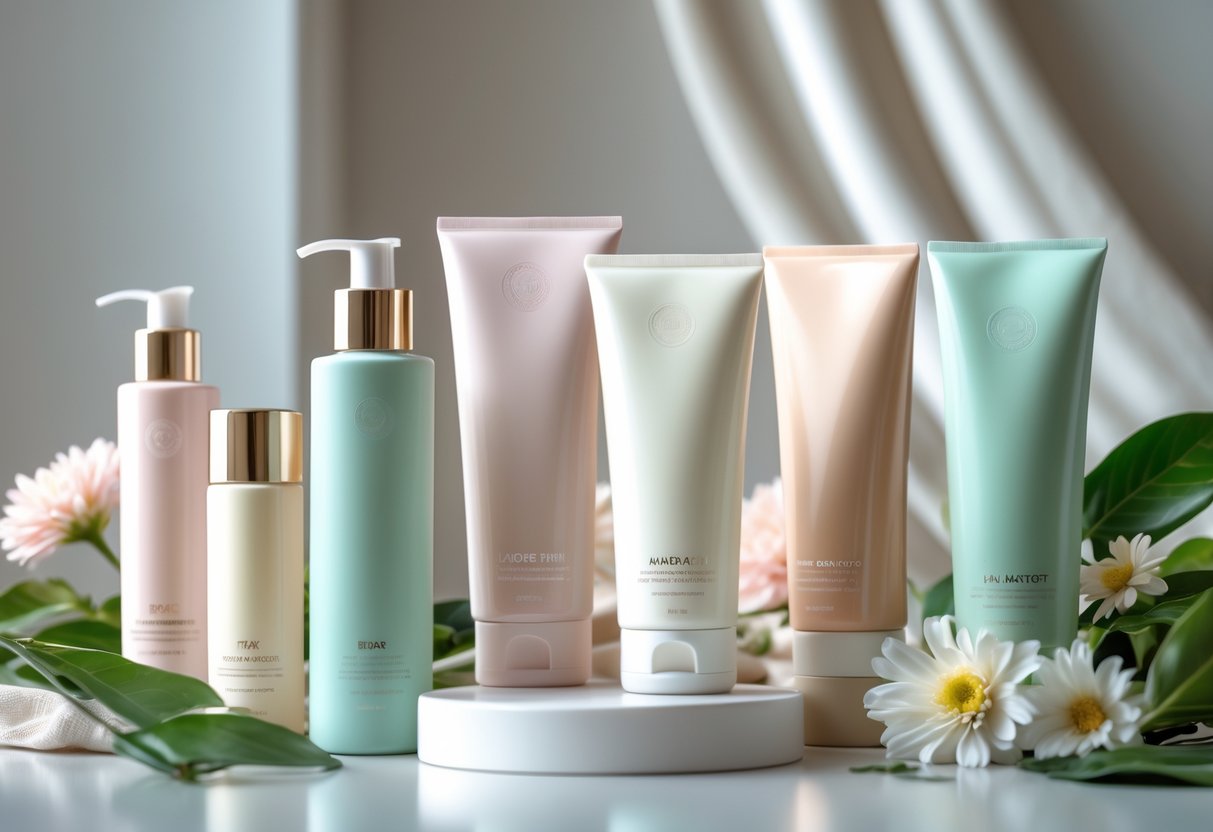
Hand lotion tube design has evolved dramatically in recent years, with brands focusing on innovative finishes that create sensory experiences. Today’s customization options range from digital printing and unique shapes to premium coatings that elevate the entire user experience.
Current Aesthetic Trends In Tube Design
We’re seeing a major shift toward texture-forward designs that make tubes feel as luxurious as the products inside. Paper texture tubes have become incredibly popular this year.
The polygonal tube trend is transforming how we think about traditional round packaging. These geometric shapes create visual interest on shelves and feel different in your hand.
Dual chamber tubes are gaining traction for products that combine different formulas. This design lets brands offer multiple benefits in one convenient package.
Color trends favor:
- Matte finishes over glossy surfaces
- Earth tones and sustainable-looking colors
- Minimalist white and cream bases
- Bold accent colors for premium lines
Special applicators are becoming standard rather than optional. We see more tubes with precision tips, massage rollers, and cooling metal applicators built right in.
Customization Capabilities (Printing, Finishes, Shapes)
Digital printing technology has revolutionized what’s possible for tube customization. We can now add QR codes that link directly to personalized skincare advice.
Printing options include:
- Full-color digital printing
- Metallic foil stamping
- Embossed logos and text
- Color-changing inks
- Spot UV coating for texture contrast
Shape customization goes beyond basic round tubes. Custom shapes help brands stand out and improve functionality for specific products.
Popular finish options we’re working with include soft-touch coatings that feel velvety smooth. These finishes also provide better grip and create a premium feel.
Labeling flexibility allows for seasonal updates without changing the entire tube design. This approach saves costs while keeping packaging fresh.
Luxury Coatings And Premium Features
Premium coatings transform basic tubes into luxury experiences that justify higher price points. Soft-touch rubber coatings are leading this trend.
High-end features include:
- Metallic chrome finishes
- Pearl and iridescent coatings
- Anti-slip textures
- Temperature-sensitive color changes
- Magnetic closure caps
Sustainable luxury combines eco-friendly materials with premium aesthetics. We’re seeing more brands choose recycled plastics with luxury finishes.
Tactile elements like embossed patterns or raised logos create memorable unboxing experiences. These details make customers want to keep and reuse the tubes.
Premium pumps and dispensers add functional luxury. Leak-proof mechanisms with smooth operation show attention to quality that customers notice and appreciate.
The Bottom Line
Hand lotion tubes offer the perfect balance of convenience and cost-effectiveness for your skincare products. We’ve seen prices range from $0.23 to $0.68 per tube depending on size and customization needs.
Key cost factors include:
- Minimum order quantities (5,000-10,000 pieces)
- Material choice (PE, HDPE, laminated options)
- Custom printing and branding
- Size specifications (5ml to 240ml capacity)
Most suppliers require 10,000-piece minimum orders for competitive pricing. However, we found options as low as 5,000 pieces for testing purposes.
Material considerations matter significantly. PE tubes work well for basic formulations. Laminated tubes provide better barrier protection for sensitive ingredients.
Quality suppliers offer compliance with FDA and EU regulations. This ensures your products meet safety standards in major markets.
Popular sizes we recommend:
- 30ml for travel and samples
- 50-100ml for regular retail products
- 240ml for value-size offerings
Custom printing capabilities allow for brand differentiation. Most manufacturers support offset printing and logo customization at reasonable costs.
Delivery times typically span 15-25 days from established suppliers. We suggest ordering samples first to test compatibility with your formulations.
The tube format reduces product waste compared to bottles. Users can squeeze out nearly 100% of contents.
Choose suppliers with quality certifications and proven track records for consistent results.
