
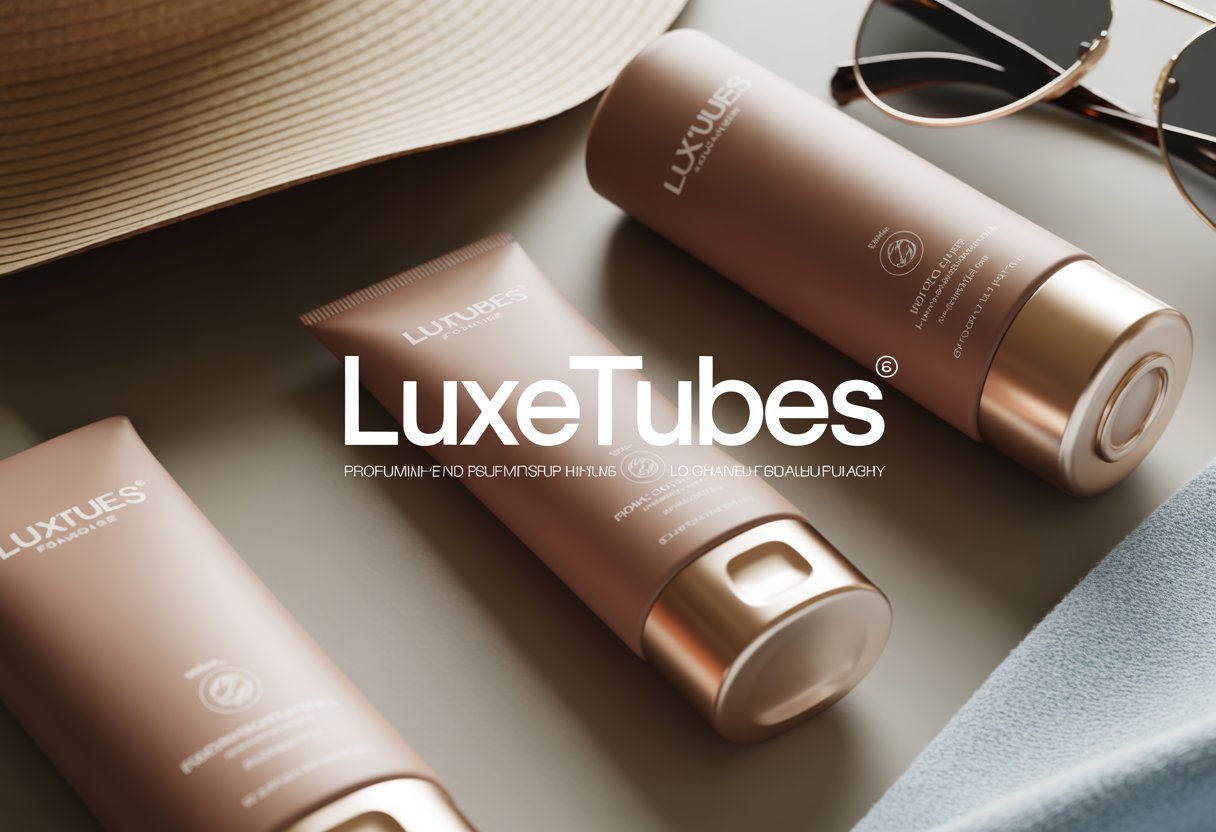
Sunscreen does more than protect our skin—it also depends on the right packaging to stay effective, safe, and easy to use.
The way sunscreen is packaged directly impacts product stability, shelf life, and even how convenient it feels in daily life. From tubes that prevent leaks to sprays that cover large areas fast, packaging shapes both performance and experience.
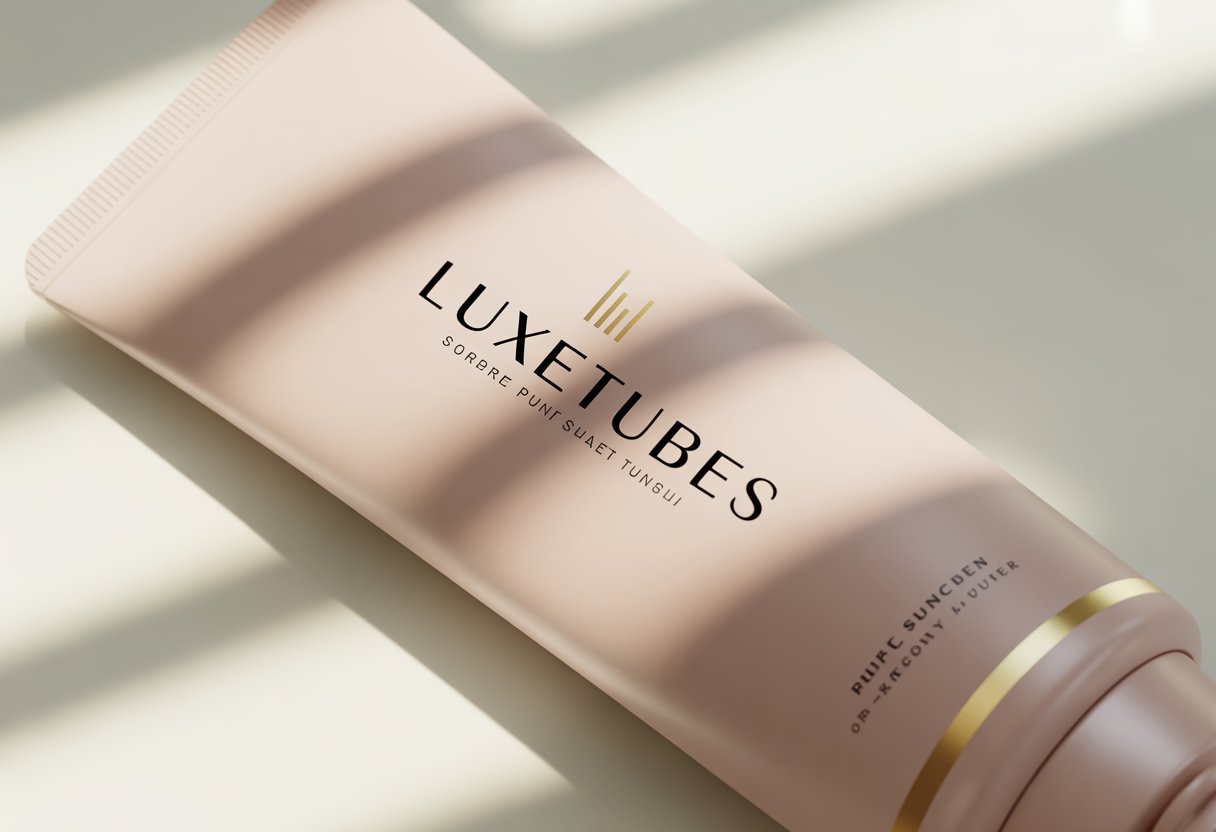
We often focus on SPF numbers or ingredients, but packaging plays an equally important role. It protects formulas from UV light and oxygen, reduces waste, and influences whether we choose one brand over another. As sustainability becomes a bigger priority, eco-friendly choices like refill pouches or mono-material bottles are reshaping how sunscreen fits into our routines.
Let’s dig into what really matters: how sunscreen packaging protects the product, the materials that balance durability with recyclability, and the clever formats that make application less of a hassle. We’ll also touch on design and customization—because, honestly, who hasn’t picked up a bottle just because it looked cool? And there’s more to it: regulations and market trends play their part in bringing new packaging to shelves.
Core Functions of Sunscreen Packaging
Sunscreen packaging does more than hold the formula. It protects the product, makes it easier for us to use on the go, and reduces the environmental impact of sun care products.
Product Protection and Shelf Life
The main job of sunscreen packaging is to keep the formula stable and effective. Active ingredients like zinc oxide and chemical UV filters can break down when exposed to light, heat, or air. Packaging with UV-blocking materials or opaque designs helps prevent this degradation.
We also need airtight seals. Airless pumps and tightly closed caps reduce oxidation, which keeps the SPF level consistent. Leak-proof closures are equally important since body sunscreens are often carried in bags and used outdoors.
Different formats protect the product in different ways:
- Tubes: flexible, easy to squeeze, and limit air exposure.
- Pump bottles: great for thicker lotions that need controlled dispensing.
- Sprays: allow even coverage but require strong sealing to avoid leaks.
Convenience and Portability
We all want sunscreen that’s easy to carry and apply. Packaging plays a big role in making that possible. Lightweight, compact designs fit in a pocket or beach bag without taking up space.
Dispensing systems also matter. Flip-top caps, pumps, and spray nozzles allow quick use without mess. For targeted application, solid sticks are popular because they glide smoothly and don’t spill.
For travel, single-use packets can be handy, though they raise sustainability concerns. On the other hand, sunscreen tubes remain a favorite because they balance portability, controlled dispensing, and durability.
When packaging is simple to open and apply with one hand, it encourages us to reapply sunscreen more often—something we all know is key for proper sun protection.
Environmental Impact Considerations
Packaging also affects the planet. Most sunscreens still use plastic, which is durable but creates waste. Options like post-consumer recycled plastic (PCR), aluminum, or even paper-based sticks help lower the footprint.
Some companies now offer refillable systems to cut down single-use waste. Biodegradable materials, such as PLA made from cornstarch, are also being tested for sun care products.
Minimalist packaging is another approach. By removing extra layers or unnecessary components, brands reduce material use and shipping weight. That means fewer resources consumed and less waste created.
As we choose sunscreens, looking at packaging materials can be just as important as checking the SPF rating. It’s a small decision that adds up to a big difference for the environment.
Material Choices and Sustainability
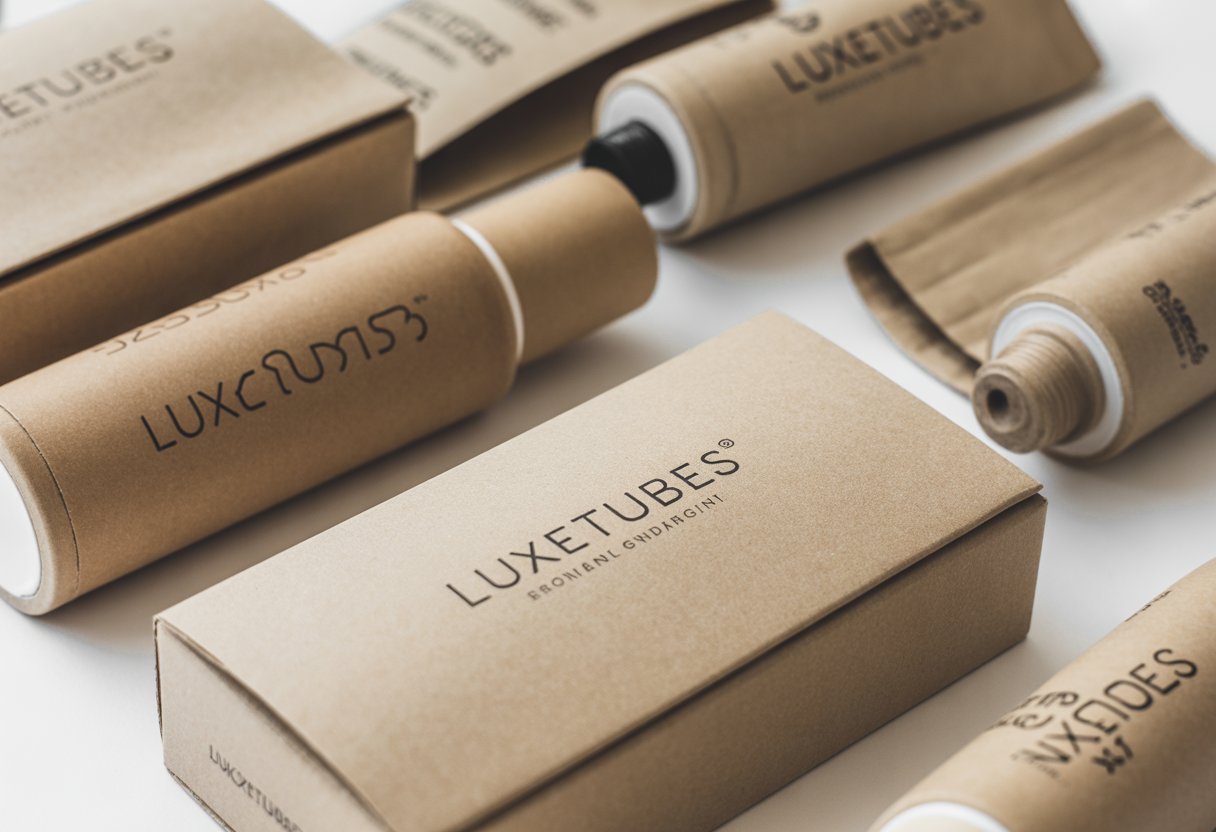
When we think about sunscreen packaging, the materials we choose directly affect both the environment and how customers view a brand. Options like recyclable plastics, biodegradable resources, and refillable systems all play a role in reducing waste and building long-term customer loyalty.
Recyclable Materials for Eco-Friendly Packaging
Recyclable materials remain one of the most practical ways to cut down on environmental impact. Many sunscreen bottles today use post-consumer recycled (PCR) plastics, which come from items that have already been used and collected for recycling. By doing this, brands lower the need for new plastic production.
We also see packaging made with ocean-bound plastics, collected from coastal areas at risk of polluting waterways. This not only reduces waste but also shows a clear commitment to sustainability, something customers notice.
A quick comparison of common recyclable options:
| Material | Benefits | Challenges |
|---|---|---|
| PCR Plastics | Reduces virgin plastic use | May have slight color variation |
| Aluminum | Lightweight, endlessly recyclable | Higher cost |
| Glass | High recyclability, premium feel | Breakable and heavier |
Choosing recyclable packaging can also strengthen customer trust, since people increasingly prefer eco-friendly packaging that is easy to sort and recycle at home.
Biodegradable and Compostable Options
Biodegradable packaging is gaining traction because it breaks down naturally over time. Materials like plant-based plastics, cornstarch blends, and bamboo are being tested in sunscreen containers. These options reduce reliance on fossil fuels and support a circular economy.
One example is sunscreen bars wrapped in paper or compostable film. Unlike traditional bottles, these bars avoid plastic altogether and appeal to eco-conscious buyers.
Still, not all biodegradable materials decompose under normal conditions. Some require industrial composting facilities, which may not be available everywhere. That means we need to balance innovation with practicality.
For brands, offering compostable packaging can send a strong message about environmental responsibility, but it works best when paired with clear disposal instructions for customers.
Refillable and Reusable Solutions
Refillable sunscreen containers are another smart approach. Instead of throwing away a bottle after one use, customers can buy larger refill packs or visit in-store refill stations. This reduces single-use plastic and encourages repeat purchases.
Reusable packaging also tends to be sturdier. Many refillable bottles are designed to last through multiple uses, which improves the overall user experience. Customers often see this as both eco-friendly and cost-saving.
- Lower plastic waste over time
- Stronger customer loyalty due to convenience and savings
- Premium feel that sets a brand apart in the market
By focusing on refillable and reusable packaging, we create a long-term solution that supports sustainability while also building stronger relationships with our customers.
Innovative Packaging Formats
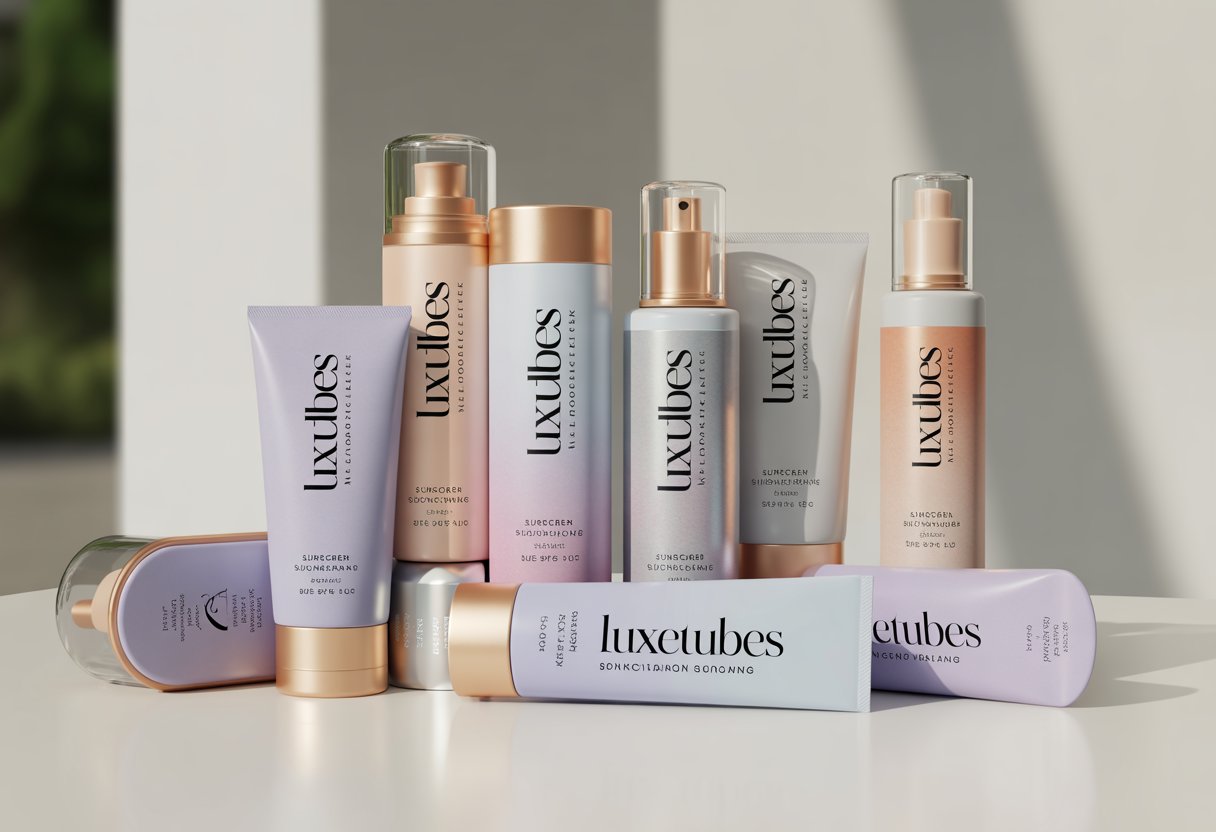
Sunscreen packaging has moved far beyond basic bottles. Today, designs focus on making sun care products easier to apply, safer to carry, and more reliable in protecting the formula inside. These changes help us use body sunscreens more consistently while also cutting down on waste.
Spray Tubes and Airless Pumps
Spray bottles and airless pumps are two of the most popular upgrades in sunscreen packaging. They help us apply sunscreen evenly without messy spills. For body sunscreens, sprays cover large areas quickly, while pumps deliver precise amounts with less waste.
Airless pumps also reduce air contact, which keeps the sunscreen stable and extends shelf life. This is especially important since UV filters can break down when exposed to oxygen. Many brands use twist-lock caps or leak-proof seals, making these formats travel-safe too.
We also see sprays designed for one-handed use, which makes reapplication during outdoor activities much easier. For parents applying sunscreen on kids, this format saves time and avoids sticky hands.
- Even coverage
- Reduced contamination
- Longer product stability
- Leak-proof designs
Tubes, Jars, and Squeeze Bottles
Traditional tubes and jars remain common, but they’ve been updated for better function. Tubes are lightweight, flexible, and easy to squeeze, making them ideal for lotions and creams. They also meet TSA travel rules when under 100ml, which is handy for flights.
Jars are less portable but allow us to scoop out thicker formulas, like zinc-based sunscreens. Some brands have switched to recyclable or refillable versions, cutting down on plastic waste.
Squeeze bottles with flip-top caps are another favorite. They’re simple, affordable, and easy to control. Many now use recycled plastic (rPET), which helps reduce environmental impact without changing how we use them.
- Familiar and easy to handle
- Cost-effective for brands and buyers
- Compatible with many sunscreen textures
Travel-Size and On-the-Go Packaging
When we’re packing for a trip or heading outdoors, compact sunscreen packaging makes a big difference. Travel-size bottles under 3.4 ounces are TSA-approved, so we can carry them in hand luggage with no issues.
Stick sunscreens are especially popular for on-the-go use. They’re solid, mess-free, and won’t spill in a bag. Powders are another option, often used for quick touch-ups on the face without disturbing makeup.
Spray minis and refillable pouches are also gaining traction. They save space and reduce packaging waste. For frequent travelers, leak-proof lids and sturdy containers prevent ruined clothes or gear.
- Mini tubes and bottles
- Solid sticks
- Powders for face touch-ups
- Refillable pouches
These options make it easier for us to keep sun protection with us at all times, whether at the beach, on a hike, or during long flights.
Packaging Design and Customization
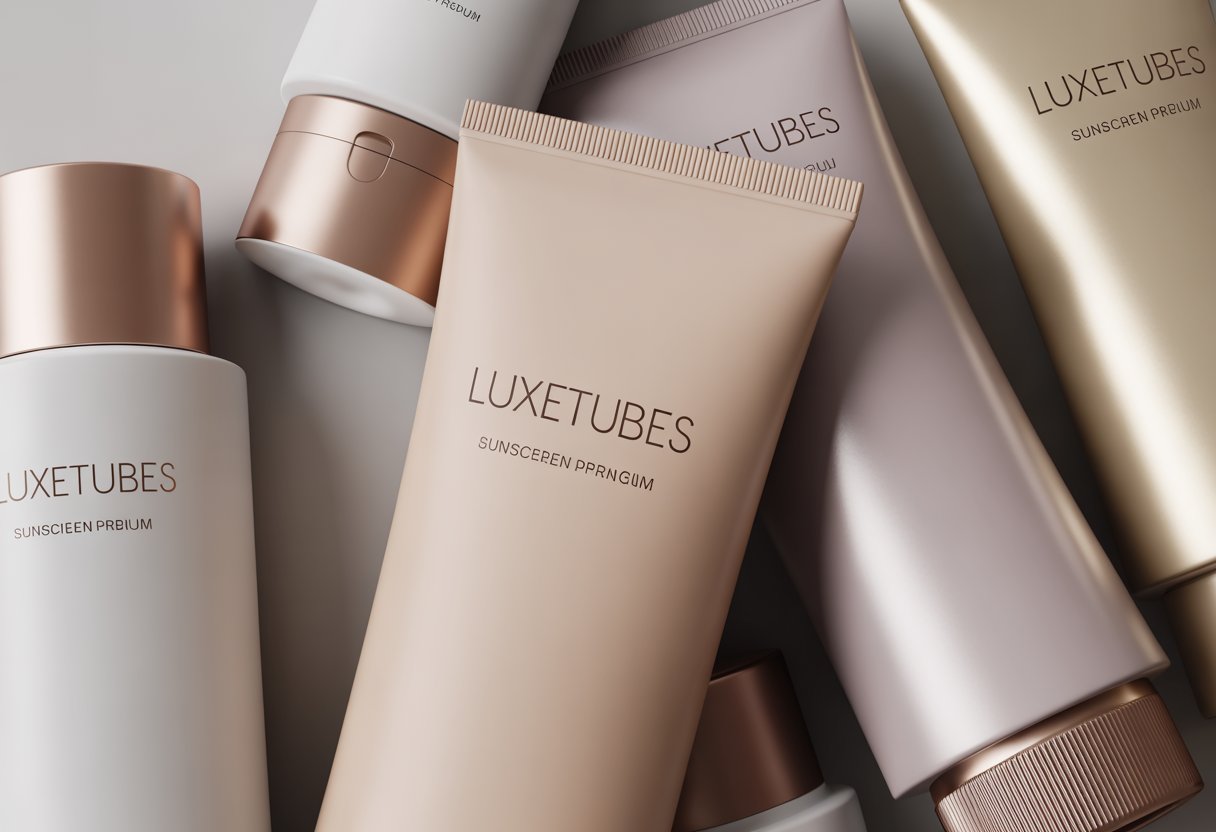
When we think about sunscreen packaging, it’s not just about protecting the formula inside. The way the bottle looks, feels, and even shines can influence how customers connect with the product and whether they choose it over another brand.
Vibrant Colors and Creative Branding
Take a stroll down the sunscreen aisle and you’ll spot bright, vibrant colors—yellows, oranges, aqua blues—jumping out from the shelves. Those sunny shades scream “sun care” and make it easier to pick out what you’re looking for in a sea of bottles. Plus, bold colors help folks quickly find the right SPF or formula, which is honestly a relief when you’re in a hurry.
But it’s not just about the colors. Many brands are getting clever with UV-resistant labels so their packaging doesn’t fade under sunlight. Some go for playful illustrations, geometric shapes, or that crisp, minimalist type. It’s all about standing out, right?
Packaging can say a lot about a brand’s values, too. For example:
- Eco-friendly brands lean toward earthy tones and recyclable materials.
- Luxury-focused brands prefer sleek, modern fonts with metallic accents.
- Family-oriented products often use cartoon icons or fun graphics.
Unique Shapes and Ergonomic Features
Shape really changes how we use sunscreen. A squeeze tube, spray, or stick—they all offer something different. Sprays are fast and great for the beach, while sticks are tiny enough for your back pocket or purse.
Don’t underestimate ergonomic details. Rounded edges, grippy textures, or a pump that works even with sandy hands—those little things make a difference. Brands can tweak packaging so it just feels right in your hand, not awkward or slippery.
Distinctive shapes also help with brand identity. A custom bottle silhouette? You’ll know it from across the pool, no reading required. For travel, leak-proof minis are a lifesaver.
Metallic Finish and Premium Touches
For anyone chasing that luxury vibe, metallic finishes and a glossy accent or two can make sunscreen feel more like a treat than a chore. Gold or silver caps, foil-stamped logos, shiny bits—these details just make the product feel special. Maybe even gift-worthy, if you’re into that.
It’s especially effective for sunscreens that double as skincare or makeup. A metallic pump or embossed label feels sturdy and thoughtful. People tend to link these touches to higher quality, whether that’s actually true or not.
And honestly, metallic doesn’t always mean expensive. Plenty of suppliers now offer cost-effective metallic coatings that look sharp and still play nice with recycling programs.
Regulatory and Market Considerations
Sunscreen packaging isn’t just about looking good. It’s a balancing act between following strict rules and figuring out what customers expect from their favorite brands. Both shape the final look, feel, and messaging on the shelf.
Labeling and Regulatory Compliance
Let’s not forget the legal side. In the United States, the FDA calls sunscreen an OTC drug. That means you need a Drug Facts panel, a clear SPF number, broad-spectrum claims, water resistance (either 40 or 80 minutes), and all the right warnings. “Sunblock” or “all-day protection” won’t fly.
In the European Union, sunscreens are considered cosmetics. Labels have to show the SPF number, a UVA logo if it qualifies, and ingredients in INCI format. SPF can’t go higher than 50+, and “waterproof” is a no-go.
Across Asia, it’s a mixed bag. Japan and South Korea use the PA system (PA+ to PA++++) for UVA ratings. China sticks to ISO standards and bans some UV filters like oxybenzone. Ingredient lists and safety warnings are mandatory.
Here’s a quick comparison table for reference:
| Region | Max SPF Label | UVA Requirement | Key Label Rules |
|---|---|---|---|
| US (FDA) | 60+ | Broad-spectrum testing | Drug Facts, no “sunblock” |
| EU | 50+ | UVA ≥ 1/3 SPF | UVA logo, INCI list |
| Asia | 50+ (varies) | PA rating + ISO | Ingredient + safety labels |
Getting these details right builds trust and avoids costly recalls.
Consumer Trends and Brand Loyalty
Regulatory compliance sets the baseline, but customer loyalty depends on more than rules. Shoppers want packaging that feels convenient, safe, and eco-friendly. Airless pumps keep products stable, and recyclable plastics or PCR materials definitely catch the eye of anyone trying to shop greener.
There’s also a real push for clear labeling. People want to see SPF numbers, PA ratings, and reminders about when to reapply—without squinting or second-guessing. If claims get confusing or seem a bit too good to be true, trust can evaporate fast.
Packaging that fits a lifestyle? That’s what keeps folks coming back. Families gravitate toward large, durable bottles, while travelers are always hunting for compact, leak-proof tubes. In places like South Korea, extra claims—think “whitening” or “anti-aging”—matter, but only if there’s proof to back them up.
