
Toothpaste packaging might seem simple, but that tube you use every morning actually matters a lot more than you’d think. It keeps the paste fresh, protects it from the outside world, and honestly, it just makes life easier.
The right toothpaste tube packaging is always trying to strike a balance—function, design, and sustainability all competing for attention from brands and consumers alike.

Let’s dig into what actually makes a tube work—from the materials and design tricks to the environmental impact of all those little choices. There’s a lot more to it than just squeezing paste onto a toothbrush, and newer solutions are trying to cut waste without making us settle for less.
It’s kind of wild how these packaging tweaks shape everything from how long toothpaste lasts to how much you can actually use. Packaging might not get the spotlight, but it’s just as important as the stuff inside.
Key Features of Toothpaste Tube Packaging

Toothpaste tube packaging is more than a shell—it’s what keeps the paste stable, safe, and easy to use day after day. The choice of materials, barriers, and even the way you get the paste out all play into how well your toothpaste holds up and how much you enjoy using it.
Types of Toothpaste Tubes
There are a few main tube types out there, and each comes with its own perks (and quirks). Plastic laminate tubes (PBL) are everywhere—they’re light, bendy, and won’t break the bank. They’re solid for daily use, though recycling them isn’t always straightforward depending on where you live.
Aluminum tubes are tougher against air, light, and moisture, so brands often use them for formulas that are a bit more sensitive or “natural.” They’re easy to recycle, but they dent if you look at them funny.
Aluminum barrier laminate tubes (ABL) are a mashup—plastic and aluminum layers together. They try to get the best of both worlds: flexible but protective. The catch? That combo makes recycling a headache.
Which tube wins out? It really depends on budget, how green the company wants to be, and how fussy the toothpaste formula is.
Barrier Technologies and Product Protection
Barrier strength is a big deal. Ingredients like fluoride or herbal stuff can lose their punch if exposed to air or water. The better the barrier, the longer your toothpaste keeps doing its job.
Aluminum tubes are champs here—they pretty much block everything. That’s why brands with delicate formulas go this route.
Plastic laminate tubes do a decent job but aren’t perfect. They’re tough and don’t leak, but over time, a bit gets through. ABL tubes try to bridge the gap by adding aluminum to the mix for a little extra protection, but still, not quite airtight.
If the barrier isn’t up to snuff, your toothpaste might not even make it to the bottom of the tube before it loses its kick.
Dispensing and User Experience
Let’s be honest—how you get the paste out matters. Squeeze tubes are everywhere because they’re easy and familiar. Downside? There’s always that stubborn bit left at the end.
Pump tubes give you a neat, measured squirt every time and keep things tidy. They’re showing up more in fancy toothpaste and are pretty handy for kids or anyone who struggles with squeezing. Some even let you refill them, which is a nice eco-friendly twist.
Stand-up tubes with flat caps are a small but clever upgrade—they make storage easier and help you use every last drop.
Caps matter too. Flip-tops are quick and easy, while screw caps are better for travel or if you want to keep things sealed up tight. Little details, but they add up to a smoother (or more annoying) morning routine.
Materials Used in Toothpaste Tubes

The stuff tubes are made from affects everything—cost, how tough they are, how easy they are to recycle, and whether your toothpaste stays put. Brands pick their packaging based on leak protection, ingredient safety, and, more and more, sustainability.
Plastic Laminates and Co-Extrusion
Plastic laminate tubes are kind of the default. They’re built from layers of plastic fused together, which makes them bendy but strong. That means fewer leaks and lighter shipments—no one wants to pay extra for shipping heavy tubes.
They’re popular for a reason: cheap, easy to print on, and great for branding. The smooth surface is a marketer’s dream.
The catch? Recycling. Those layers are stuck together tight, so most recycling plants can’t handle them. Some places will take them, but honestly, most won’t.
Pros:
- Flexible and holds up well
- Cheap to make
- Doesn’t leak easily
Cons:
- Not easy to recycle
- Less eco-friendly than single-material options
HDPE and Recyclable Materials
High-Density Polyethylene (HDPE) is making waves as the go-to for recyclable toothpaste tubes. Unlike laminates, HDPE tubes are made from just one type of plastic, so they’re much easier to recycle with things like milk jugs.
Big brands—Colgate, Hello, and a few others—are already using HDPE tubes that can go right in the regular plastic bin (assuming your local recycling is up to speed).
HDPE hits a sweet spot: tough, safe, and helps close the loop on plastic use. But, as usual, whether your tube actually gets recycled depends on where you live and what your town’s recycling program looks like.
Key Features of HDPE Tubes:
- Can be recycled in many places
- Light but strong
- Fits into standard plastic recycling streams
Aluminum and Alternative Materials
Aluminum tubes are top-notch at keeping out air, light, and moisture. If you’ve got a toothpaste with ingredients that go bad fast, aluminum is a solid bet. Plus, it’s endlessly recyclable—no loss in quality, ever.
But they’re pricier and dent if you squeeze too hard. You don’t see them as much these days, except for fancy or specialty toothpaste.
Some brands are experimenting with alternatives—paper-based tubes, or bio-plastics made from stuff like sugarcane. These are still pretty new, but they’re pushing the industry toward less reliance on fossil fuels and more compostable or recyclable options. Not everything’s ready for prime time, but it’s a start.
Examples of Alternatives:
- Paper-based tubes
- Plant-based plastics
- Compostable laminates
Sustainability and Environmental Initiatives

There’s a real shift happening in toothpaste packaging—more recyclable materials, smarter industry collaboration, and a bigger push for circular systems. The focus is on less plastic waste, better recycling, and everyone (brands, suppliers, shoppers) working together.
Recyclable Toothpaste Tubes
Old-school toothpaste tubes were a nightmare for recycling—mixed plastics and thin aluminum made them basically landfill-bound. These days, more brands are switching to HDPE, the same stuff used for milk jugs.
HDPE tubes can go right into existing recycling streams—no special sorting, no headaches. That’s a huge upgrade for local recycling programs.
More and more toothpaste makers are rolling out recyclable tubes that still feel familiar to use. You get the same squeeze, but now you can toss them in the bin with other plastics.
This shift is already keeping more tubes out of landfills and helping brands hit their sustainability targets. Standardizing materials just makes everything easier for everyone.
Colgate’s Sustainable Packaging Innovations
Colgate’s been out in front on this—back in 2019, they launched the first commercially available recyclable tube made from HDPE.
It took a lot of trial and error with different plastics and layers to make something strong but still squeezable. What’s cool is Colgate shared their design with competitors, hoping to get the whole industry on board faster.
They’re aiming for all their toothpaste packaging to be recyclable worldwide by 2025, and in the US, they’re already mostly there.
This move proves that when one company pushes for better packaging, it can change the whole market. By opening up their tech, Colgate’s helped set a new bar for sustainable oral care.
Circular Economy and Recycling Programs
Recyclable tubes only make sense if they actually get recycled—so they need to fit into a circular economy. Now, industry groups and recycling orgs are recognizing HDPE tubes as a good fit for established systems.
The Association of Plastic Recyclers (APR) gave Colgate’s tube design the green light after some serious testing. That gave recycling centers more confidence about tossing these tubes in with other plastics.
Partnerships between brands, recyclers, and groups like WRAP are helping too. They’re working out the kinks—reducing contamination, improving collection, making the process smoother for everyone.
When packaging is designed with real-world recycling in mind, it just takes stress off the whole system and keeps more material in play.
Reducing Plastic Waste
Another big goal? Less plastic waste. Old tubes added up to billions of pieces of trash each year. Recyclable tubes, refillable pumps, and even biodegradable options are finally starting to chip away at that pile.
Some brands are ditching extra boxes or switching to refill systems so you can keep the same container longer. It’s a win for both the planet and anyone tired of tossing out so much packaging.
All these changes are about more than just good PR—they’re actually making a dent in waste. Rethinking design and materials shows that cutting plastic is doable if companies are willing to try something new.
The less we throw away, the better for all of us—and maybe, just maybe, it’ll make brushing your teeth feel a little less wasteful.
Design and Customization Options
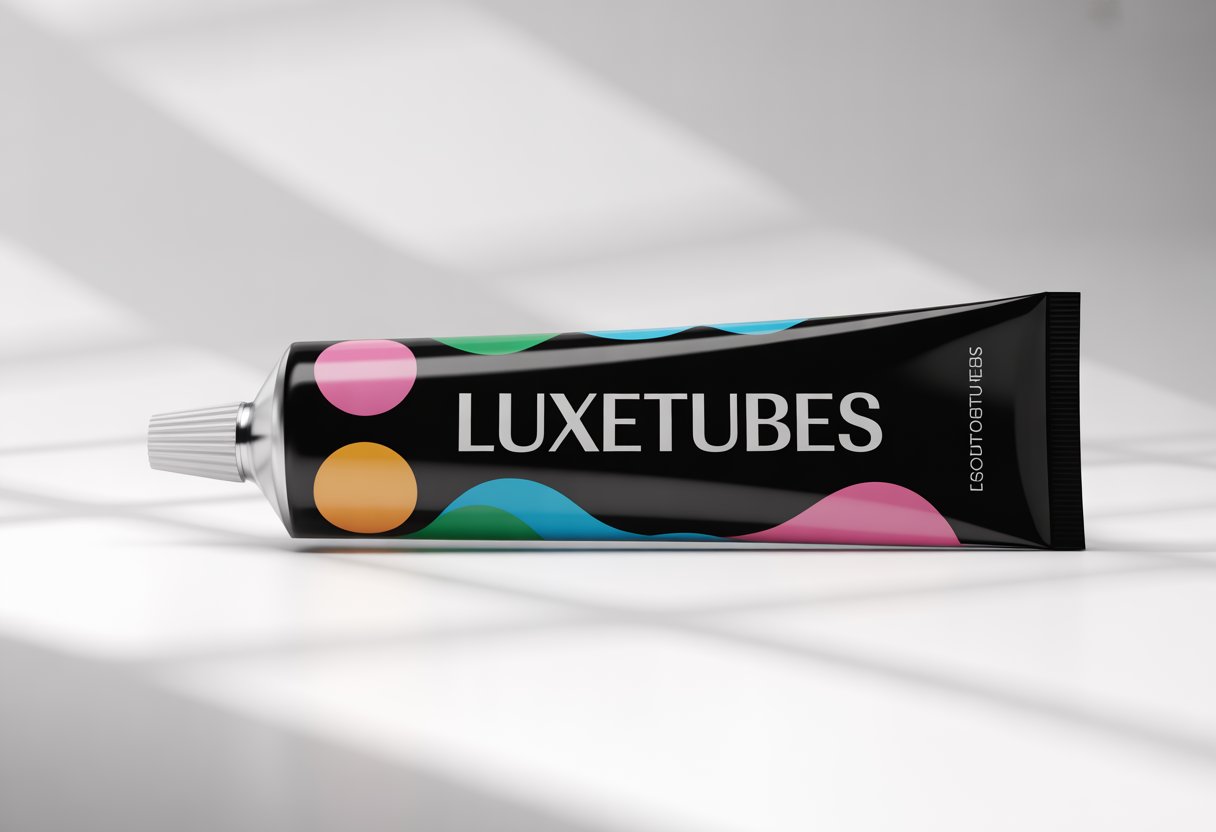
When we’re designing toothpaste tube packaging, it’s not just about looks—it’s also about how info is shown and how the finish feels in your hand. All these little choices play into what catches someone’s eye, what they pick up, and whether they remember it later.
Colors and Visual Appeal
Colors do a lot of heavy lifting when it comes to making toothpaste tubes pop on a shelf. Brights like white, blue, and green give off that fresh, clean vibe, while something like black or navy leans more upscale or premium.
We rely on contrast to make sure logos and product names are easy to spot. A classic? White background, bold letters—details just jump out at you.
Keeping color palettes consistent across a product line really helps with brand recognition. If the shades match up, people know right away what family a product belongs to.
Usually, we’ll pair colors with simple shapes or patterns. No need to overcomplicate it—clean, readable design wins over busy graphics any day.
Finishes and Printing Techniques
The tube’s finish isn’t just for show—it changes how it feels and how the colors look. Glossy finishes are all about that shine and pop, while matte finishes keep things understated and cut down on glare.
Sometimes we’ll go for soft-touch coatings to add a bit of grip—makes squeezing the tube a nicer experience. Laminated finishes help keep the graphics safe from smudges and moisture, too.
As for printing, offset printing is great for detailed, full-color images. Screen printing is a go-to for bold, simple text, and digital printing is handy if you’re not doing a massive run or need something fast.
Some brands like to jazz things up with metallic inks or foil stamping for logos or little accents. It gives that premium feel without changing the actual tube.
Branding and Labeling
Branding on toothpaste tubes is a balancing act—good design, but also info you can actually read. People expect to see the brand, what type of paste it is, and why they should care, all at a glance.
We’ll put the main stuff front and center and save the back for ingredients, how-tos, and any legal bits. If the text’s too crowded, nobody’s going to bother reading it.
Logos and taglines? They need to stay in the same spot on every tube, or you lose that instant recognition.
And sometimes we’ll add custom labeling features like QR codes, batch info, or multiple languages. These tweaks help with compliance and make it easier for folks to get the info they need.
Durability, Safety, and Product Integrity

Toothpaste tubes need to hold up during storage and daily use, and they have to keep the paste safe from anything that could mess with it. Packaging really has a big say in how long your toothpaste stays good—and whether it’s safe to use every day.
Tube Durability and Shelf Life
Material choice matters a lot. Laminated tubes use layers—plastic, sometimes with aluminum or EVOH barriers—to keep out oxygen, moisture, and light. That barrier is what keeps things like fluoride stable for longer.
Plastic tubes (HDPE or LDPE) are lighter and easier to recycle. Mono-material HDPE tubes are getting popular since they’re tough and recyclable at the same time. Aluminum tubes still work well for protection, though they can split or crack if you’re not careful.
Before anything ships, durability tests like compression, drop, and seal checks are standard. They make sure the tube can handle being tossed around and squeezed, without leaks or losing its shape. A solid tube keeps toothpaste fresh and usable up to the expiration date.
Product Safety and Contamination Prevention
Packaging’s first job is to keep stuff out—air, bacteria, you name it. If the seal isn’t good, toothpaste can dry out or lose its punch.
Flip-top caps with tamper seals are pretty much the norm now—they help keep things clean and let you know if the tube’s been messed with. Some tubes even have antibacterial coatings or extra seal strips at the nozzle for an added layer of hygiene.
Airless pump dispensers are another step up. They stop air and saliva from getting back in, which is great for products aimed at kids or sensitive users. They cost more, but sometimes it’s worth it.
Of course, there are regulations (FDA, EU, etc.) about labeling, tamper evidence, and what materials you can use. Following those rules isn’t optional—it’s about keeping people safe, not just ticking boxes.
Frequently Asked Questions
People ask a lot about where to get toothpaste tube packaging, whether refillable options are worth it, and how different materials stack up. There’s also plenty of interest in buying in bulk, DIY solutions, and finding suppliers for both businesses and individuals.
How can I purchase toothpaste tube packaging in bulk?
You can get toothpaste tube packaging in bulk from wholesalers, dental suppliers, or specialized manufacturers. Most will have minimum order sizes, so it’s smart to ask for samples first. Online B2B marketplaces open up options worldwide, with different prices and customization possibilities.
What are the benefits of using refillable toothpaste tubes?
Refillable tubes help cut down on plastic waste and save money over time since you’re reusing the same container. Some are designed to be easy to clean, which is a bonus if you’re planning to stick with them for a while.
Can you provide instructions for creating DIY toothpaste tube packaging?
DIY toothpaste packaging is doable—just fill reusable squeeze tubes or small silicone travel containers with your homemade paste. You can find these containers online, usually sold for cosmetics or travel stuff. Just make sure whatever you use is food-safe and non-toxic.
Where can I find suppliers of empty toothpaste tubes for personal or commercial use?
Packaging distributors, cosmetic packaging companies, and online wholesale sites all offer empty toothpaste tubes. Some manufacturers will sell directly to small businesses or hobbyists, and for personal projects, retail websites carry smaller packs.
Which brands offer the best refillable toothpaste tubes currently on the market?
Brands like Colgate, Hello Products, and Davids Natural Toothpaste have started offering refillable or recyclable tubes. There are also smaller eco-focused companies making refillable containers for toothpaste tablets or concentrates. Which one’s “best” really depends on whether you want a refill system, just a recyclable tube, or both.
What are the advantages of silicone toothpaste tubes over traditional materials?
Silicone tubes are impressively flexible and tough. You can wash and refill them over and over—most plastic or laminate tubes just can’t keep up with that. Plus, they’re super lightweight, which is honestly great if you’re tossing one in a travel bag or just don’t want extra bulk. And hey, nobody likes a cracked tube, right?
