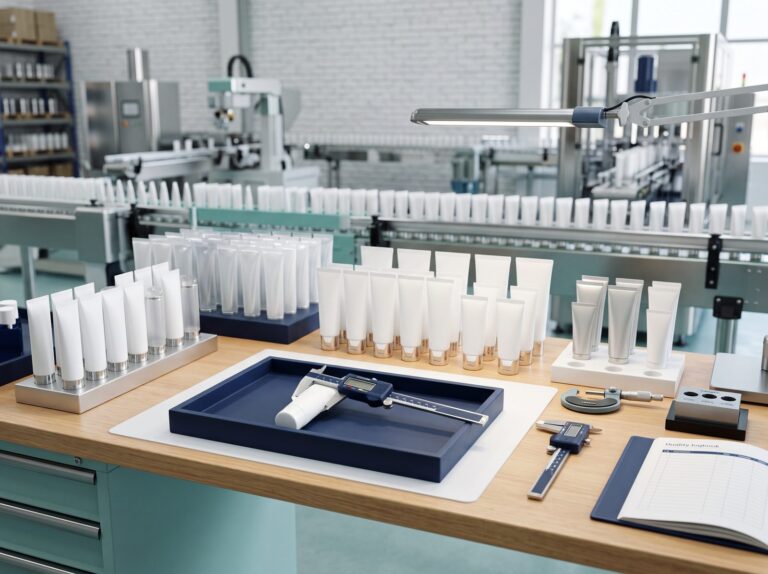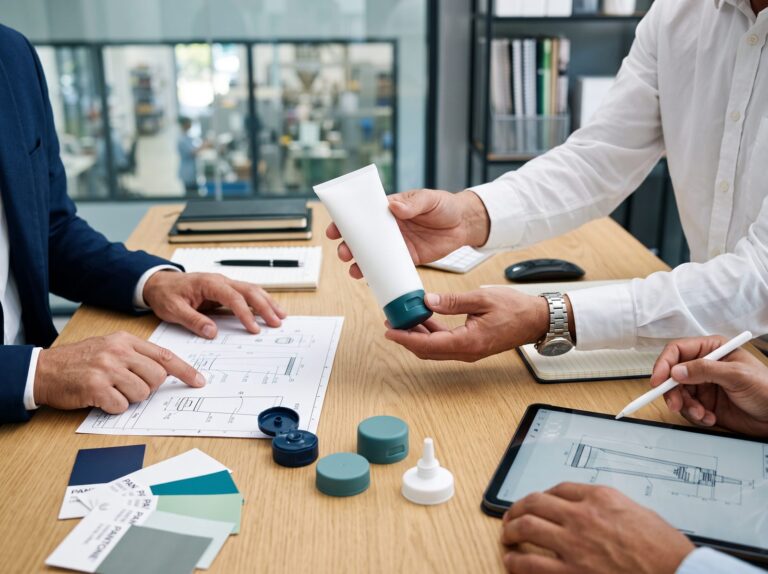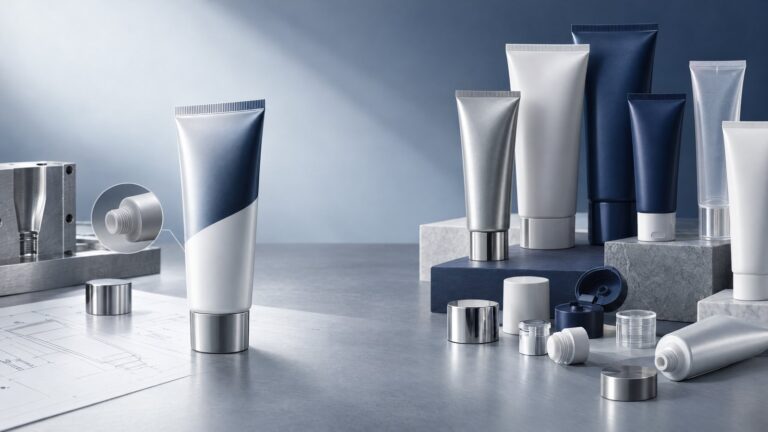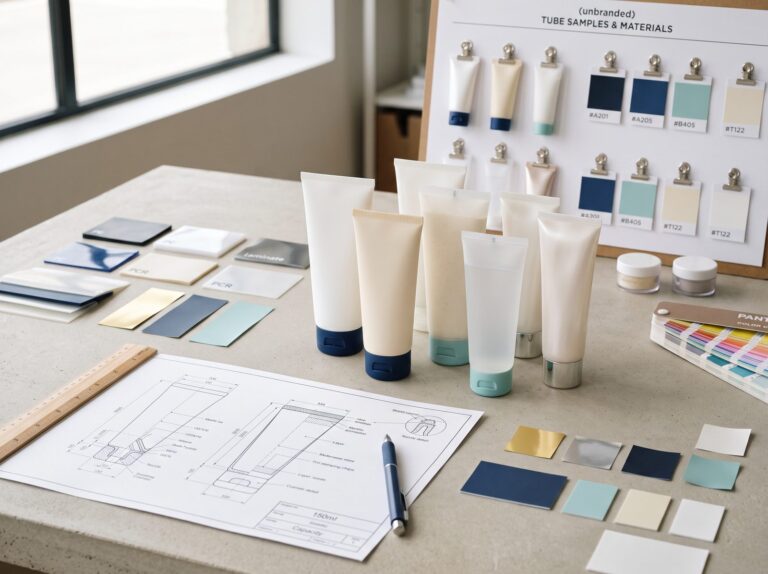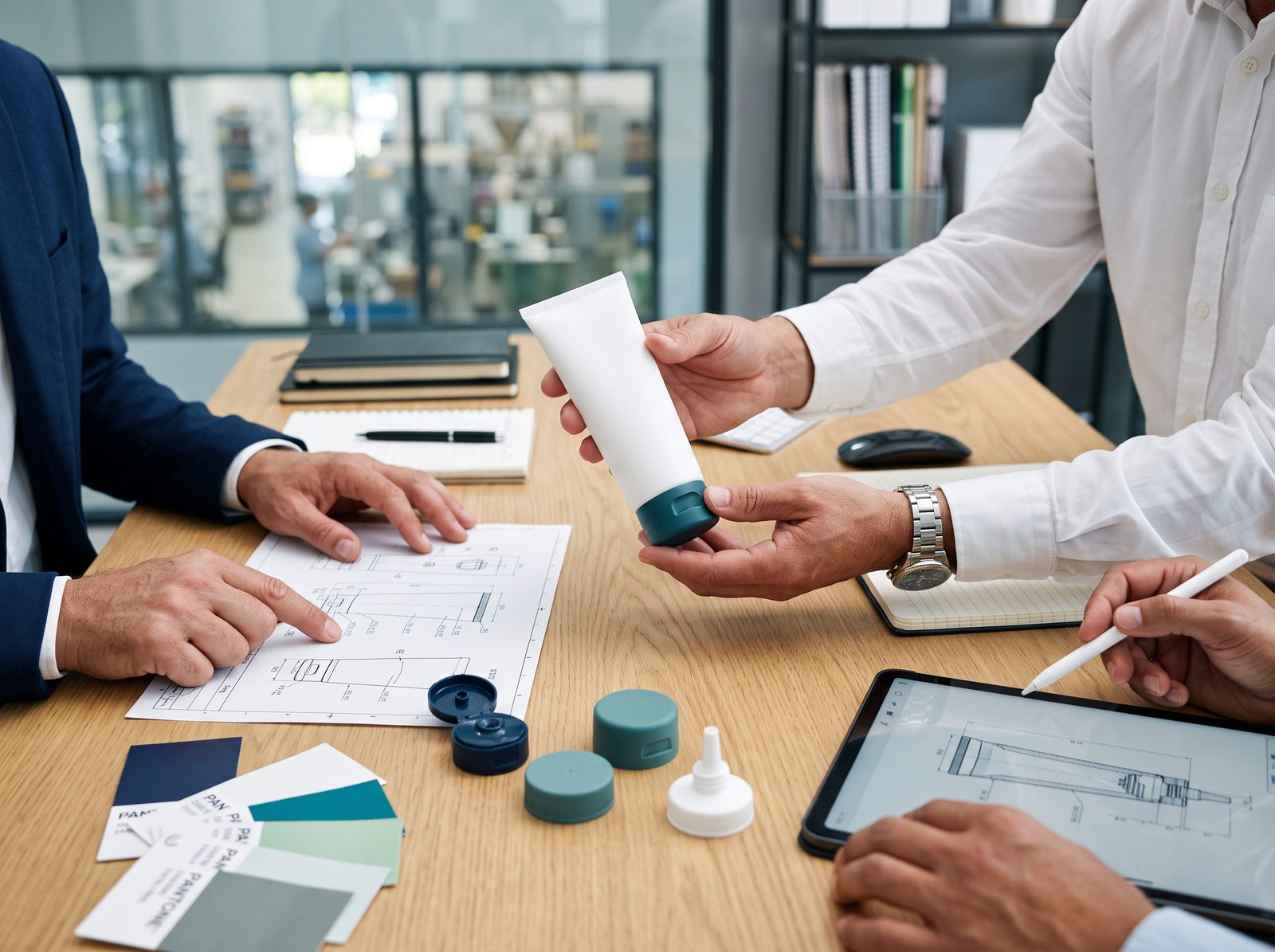
A cosmetic tube quote is only useful when the supplier knows what product you are making, how the package must perform, how it should look, how many units you need, and where the finished tubes must be delivered. A clear brief helps manufacturers price the right specification instead of making hidden assumptions.
What Makes a Cosmetic Tube Quote Accurate?
Before contacting suppliers, decide whether you need a rough budget estimate or a production quotation based on a defined brief. If details are not final, label them as provisional. A good request combines technical and commercial information: product application, formula context, tube dimensions, material goals, closure, decoration, quantity, samples, destination and timing.
1. Product, Formula and Application Information
Start with the product that will go into the tube. Identify whether it is skincare, haircare, makeup, personal care, pharmaceutical or another application. Name the product category, such as face cream, cleanser, sunscreen, hair mask, styling product, hand cream or gel.
- Product category and intended use
- Whether the formula is a liquid, lotion, cream, gel or paste
- Approximate viscosity and dispensing behavior
- Known sensitivity to oxygen, light, oils, solvents or other ingredients
- Target market, documentation and testing requirements
- Known filling-line or sealing constraints
You do not always need to send a complete proprietary formula at the first stage. However, the formula owner, filler and packaging supplier should confirm compatibility and testing for the final structure. A product name alone is not enough to select a material.
2. Tube Size, Capacity and Dimensions
Give the supplier the target capacity and every dimension you know. Capacity does not fully define a tube: two 50 ml tubes may have different diameters, lengths, shoulder shapes, openings and usable fill volumes.
- Nominal capacity, such as 30 ml, 50 ml, 75 ml or 100 ml
- Tube diameter and approximate length or maximum shelf height
- Opening diameter and dispensing requirement
- Wall thickness or preferred structure, if known
- Target fill volume and headspace
- Carton, filling-line or retail-display limits
If you do not know the ideal dimensions, describe the performance goal. For example, you may need a compact 50 ml tube that stands on its cap, fits a specific carton and dispenses a high-viscosity cream. See How to Choose a Cosmetic Tube Manufacturer for a wider supplier-evaluation framework.
3. Material and Barrier Requirements
State whether you have selected a material or need a recommendation. Potential directions include PE, HDPE, PCR-related options and laminated tube structures. The best choice depends on formula compatibility, barrier performance, squeeze feel, decoration, sustainability goals and production conditions.
Do not write only “eco-friendly tube.” Explain the outcome you want to investigate, such as recycled content, a mono-material direction, improved barrier protection or a particular appearance. PCR, recyclable, compostable and bio-based describe different properties and should not be treated as synonyms.
- Preferred material or performance goal
- Required oxygen, moisture or light barrier
- Squeeze feel and recovery expectations
- Color and opacity
- Sustainability objective and required documentation
- Compatibility information available from the formula owner
Use the cosmetic packaging materials guide to organize the discussion, then confirm the exact composition, testing and available decoration for your project.
4. Cap, Shoulder, Opening and Applicator Details
The closure is part of the quotation. Specify whether you need a flip-top cap, screw cap, nozzle, brush, massage head, applicator or another dispensing component. Include the cap color, finish, shoulder style, opening size, tamper evidence and whether the tube must stand on its cap or base.
Closure choice affects user experience, filling, shipping and appearance. Ask how tube-and-cap fit will be verified. Request a physical sample when squeeze feel, opening size, cap fit or decoration matters; a rendering cannot confirm every production detail.
5. Printing, Artwork and Surface Finish
Describe the visual result and the status of your artwork. Include printing method, number of colors, print coverage, color references, matte or gloss finish, soft-touch effects, hot stamping, metallic effects, embossing, barcode and regulatory copy.
Also state whether artwork is final, in development or not started. The cosmetic tube printing options page can help structure this part of your brief. Confirm the accepted artwork format, proofing method, color approval process and change control for repeat orders.
6. Quantity, MOQ and Repeat-Order Forecast
State the first-order quantity and expected repeat volume. Suppliers need this information to assess MOQ, tooling and capacity. Identify the number of SKUs, mixed quantities, annual forecast, launch quantity and whether quantity-break pricing is required.
Ask for quantity breaks only when the specification stays the same. MOQ can change with diameter, material, cap, print process, tooling and the number of SKUs, so request the MOQ for your exact project rather than relying on a general catalogue statement.
7. Samples, Tooling and Testing
Tell the supplier what must be approved before production. Clarify whether you need blank, color, printed or production-representative samples; sample quantity and cost; tooling ownership and service life; digital proofing; and required tests.
Depending on the application, testing may include dimensions, weight, closure fit, leak resistance, print durability, drop performance and filling-line compatibility. Ask the supplier to list included and optional tests separately. Keep the approved sample, drawing or specification as the production reference.
8. Destination, Incoterms and Delivery Timing
Give the destination country, city, port or warehouse information available at quotation stage. State the target dates for samples and production delivery. Ask the supplier to separate specification review, artwork approval, sample production, tooling, mass production, inspection, packing, transit and customs clearance.
Production lead time is not total delivery time. Artwork approval, payment, sample feedback, inspection, freight, shipping documents and customs can affect the final schedule. Confirm the quotation basis and every included or excluded cost.
9. What Should a Cosmetic Tube Quote Include?
Ask every supplier to show the same cost categories:
- Tube unit price and cap or applicator price
- Printing and finishing charges
- Tooling, mold, sample and proof charges
- Inner and outer packaging
- Inspection and testing charges
- Freight, taxes, duties and shipping assumptions
- Payment terms and quotation validity
- MOQ, quantity breaks and production lead time
- Exclusions, assumptions and project conditions
Compare landed cost, not only the unit price. A lower price may exclude tooling, freight, samples, inspection or decoration. Use the same written brief for every supplier and record each assumption.
For the broader sourcing decision, read Cosmetic Tube Manufacturer vs. Packaging Distributor. It explains how customization, MOQ, quality responsibility, lead time and project risk can differ between sourcing models.
Cosmetic Tube Quote Request Template
Copy this checklist into an email or quotation form:
- Product: category, formula type, viscosity, intended use and target market
- Tube: capacity, diameter, length, opening, material preference and barrier goal
- Closure: cap type, color, finish, applicator and sealing requirements
- Decoration: print method, colors, finish, special effects and artwork status
- Quantity: initial order, SKUs, repeat forecast and MOQ request
- Samples: sample type, quantity, testing and approval requirements
- Delivery: destination, quotation basis, sample date and production date
- Commercial: payment terms, packaging, inspection, freight and exclusions
How Luxetubes Can Support a Custom Tube Quote
Luxetubes provides information about custom cosmetic tube manufacturing capabilities, materials, printing and packaging solutions for beauty and personal-care projects. Use those pages as a starting point, then confirm exact material, structure, decoration, MOQ, lead time, testing and delivery assumptions for your project.
If you need tubes with other components, review the one-stop packaging solution. For facial care, creams, cleansers and related products, see skincare packaging solutions. When your brief is ready, submit it through the Luxetubes Get a Quote page.
Frequently Asked Questions
Do I need to send my complete formula?
Not always. Product category, formula type, viscosity and known compatibility requirements may be enough for an initial discussion. Confirm final material selection and testing with the formula owner and packaging supplier.
Do I need to know the exact material?
No. You can provide a performance goal such as squeeze feel, barrier protection, appearance or sustainability direction. Ask the supplier to explain the proposed structure and assumptions.
Should I request a sample?
Yes, especially when cap fit, shape, squeeze feel, color, decoration or filling-line compatibility matters. Ask whether the sample is blank, printed or production-representative.
How should I compare quotations?
Send the same brief to each supplier and compare complete delivered cost, material, dimensions, cap, decoration, tooling, samples, testing, MOQ, lead time, packaging, freight, payment terms and exclusions—not only unit price.
Prepare a Complete Brief Before Requesting Your Quote
A strong quote request is specific enough to price and flexible enough for a qualified supplier to recommend improvements. Include product context, dimensions, material goal, cap, decoration, quantity, samples, destination and timing. Ask suppliers to separate confirmed costs from assumptions and optional services.
If you are ready to discuss a project, submit the completed information through the Luxetubes Get a Quote page. This guide is a sourcing framework, not a final formula-compatibility, regulatory, testing or filling recommendation. Confirm those decisions with the relevant project partners.