
Most people squeeze toothpaste from plastic tubes without thinking about what happens to that packaging afterward. But aluminum tubes offer a different approach that’s gaining attention from both manufacturers and environmentally conscious consumers.
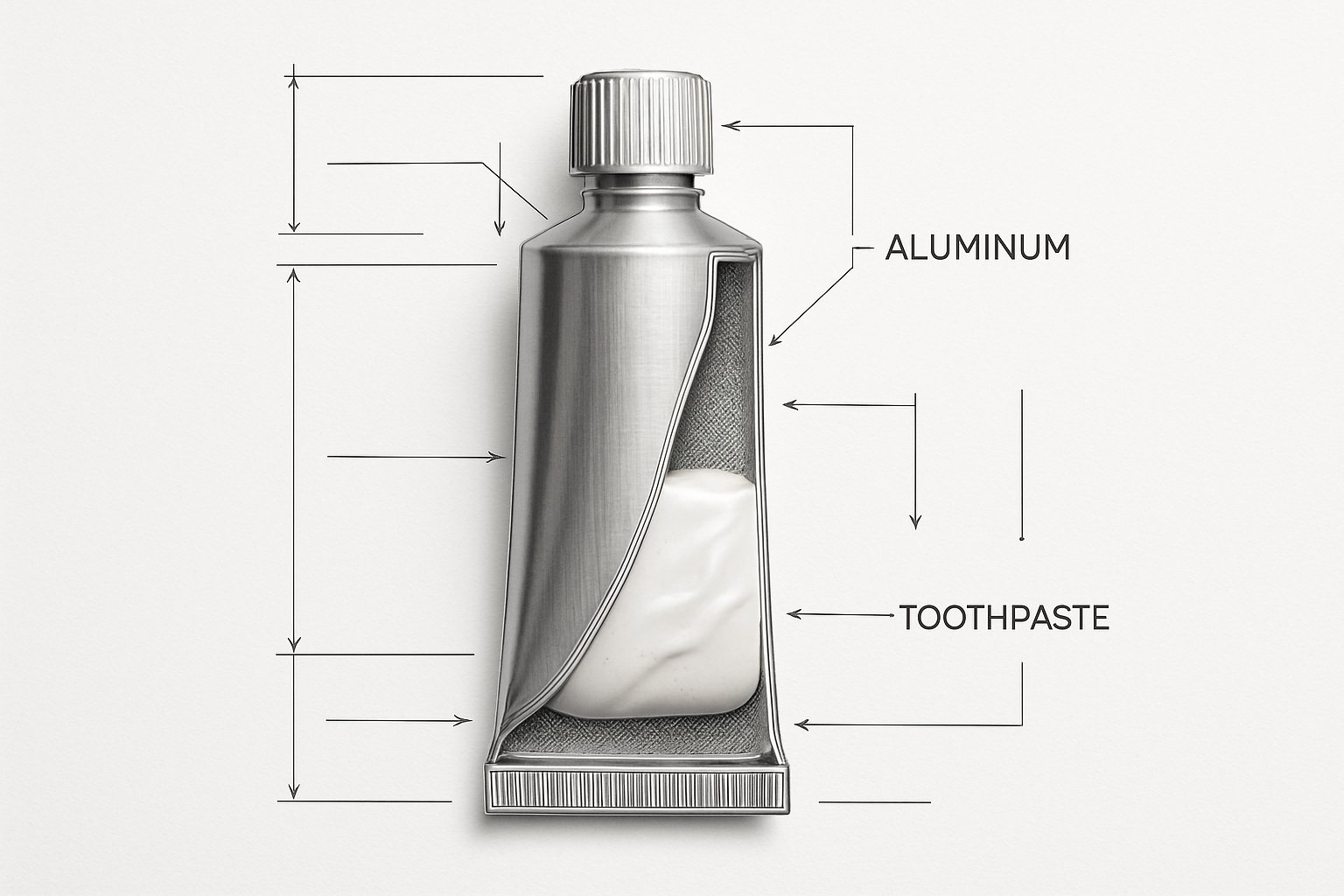
Aluminum tubes provide better protection for toothpaste ingredients, superior recyclability, and often contain safer materials like BPA-free linings that prevent chemical contact with the paste. Unlike traditional plastic tubes that mix multiple materials together, aluminum tubes can be properly recycled and break down more easily in the environment.
These tubes represent a shift in how companies package oral care products, with innovations in manufacturing processes, ingredient preservation, and sustainable design. From small artisan brands to major manufacturers, more companies are exploring aluminum packaging as they respond to consumer demands for cleaner, more responsible products that perform better and last longer.
What Is Toothpaste in Aluminum Tube?
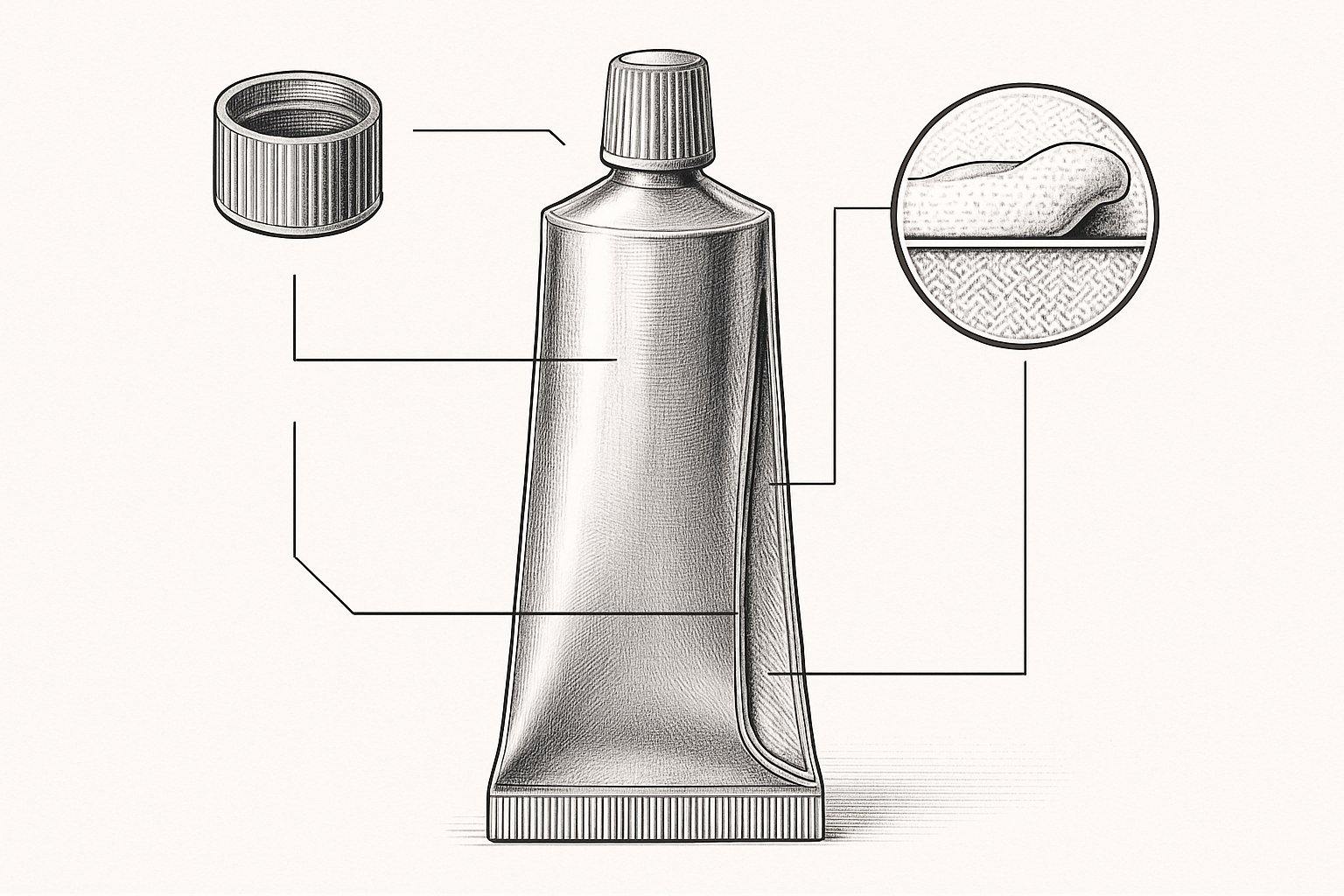
Toothpaste in aluminum tubes represents a packaging solution that uses aluminum as the primary material for containing dental care products. These tubes evolved from early metal containers and now come in several distinct types that offer different benefits for both manufacturers and consumers.
Definition and Concept
Toothpaste in aluminum tubes refers to dental care products packaged in containers made primarily from aluminum metal. These aluminum tubes provide a flexible, squeezable container that protects the toothpaste inside from air, light, and moisture.
Pure aluminum tubes consist entirely of aluminum material. They offer complete recyclability and excellent barrier protection. The metal construction allows users to squeeze and fold the tube easily.
Aluminum barrier laminate (ABL) tubes combine aluminum with plastic layers. These tubes feature a sandwich structure of plastic-aluminum-plastic materials. This design provides enhanced protection while maintaining flexibility.
The aluminum layer serves a crucial function in both tube types. It creates a protective barrier that prevents toothpaste ingredients from degrading. Active ingredients like fluoride remain stable longer in aluminum packaging.
Most aluminum toothpaste tubes use a squeeze mechanism for dispensing product. Users compress the tube by hand to push toothpaste through the opening. The aluminum material holds its crimped shape after squeezing.
Historical Evolution of Toothpaste Packaging
Early toothpaste containers were made from lead and tin materials in the late 1800s. Dr. Sheffield introduced the first collapsible toothpaste tube in 1892, revolutionizing dental care packaging.
Aluminum tubes became popular in the mid-1900s as a safer alternative to lead-based containers. The lightweight metal offered better protection than previous materials. Manufacturers could easily shape and seal aluminum into tube forms.
Key developments in aluminum tube packaging:
- 1950s: Mass production of aluminum tubes begins
- 1960s: Improved sealing techniques develop
- 1980s: Laminated aluminum tubes emerge
- 2000s: Environmental concerns drive aluminum adoption
The introduction of plastic laminate tubes in recent decades created competition for aluminum. However, aluminum tubes maintained their position due to superior barrier properties. Many premium and natural toothpaste brands continue using aluminum packaging.
Modern aluminum tubes feature improved cap designs and printing capabilities. Flip-top caps and screw caps provide better sealing than early versions.
Common Types of Aluminum Toothpaste Tubes
100% Aluminum Tubes offer the highest level of protection and recyclability. These tubes consist entirely of aluminum metal without plastic components. They provide excellent barrier protection against light, air, and moisture.
Benefits include complete recyclability and superior ingredient protection. Drawbacks include higher costs and tendency to dent or crimp easily. These tubes work best for natural or sensitive toothpaste formulations.
Aluminum Barrier Laminate (ABL) Tubes combine aluminum with plastic layers for enhanced functionality. The structure typically uses plastic-aluminum-plastic layering. This design offers flexibility with strong barrier properties.
ABL tubes resist denting better than pure aluminum versions. They provide excellent printability for branding and marketing. However, the mixed materials make recycling more difficult than pure aluminum tubes.
Squeeze vs. Pump Aluminum Tubes represent different dispensing mechanisms. Traditional squeeze tubes require manual compression to dispense product. Pump tubes use mechanical dispensing systems for controlled portions.
Aluminum tubes commonly feature flip-top caps for convenience. Some versions include twist caps or nozzle designs for precise application.
Key Benefits of Aluminum Tube Packaging for Toothpaste
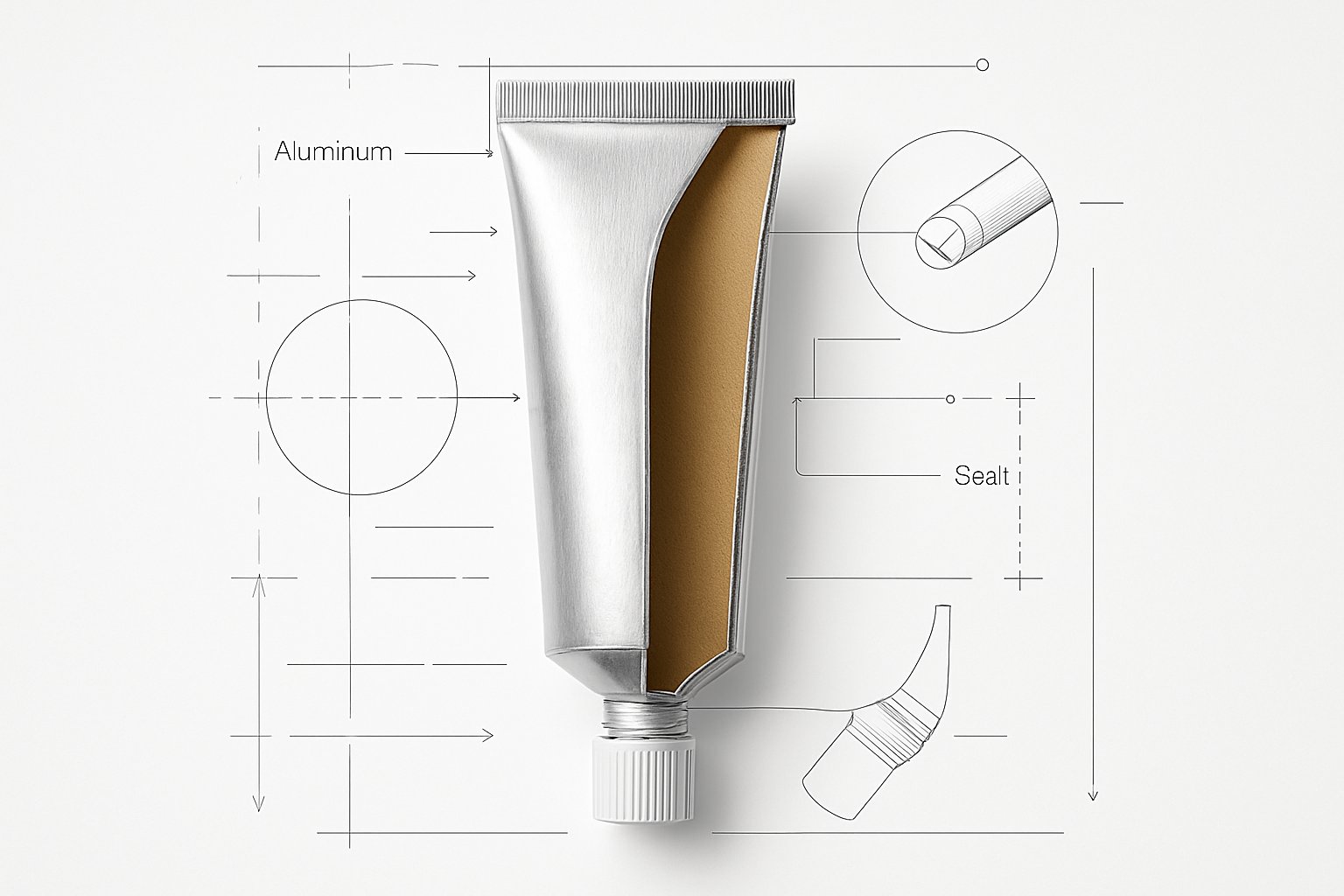
Aluminum toothpaste tubes offer superior protection against contamination and moisture while providing convenient dispensing control. These lightweight containers resist damage and maintain product quality better than traditional plastic alternatives.
Extended Product Freshness and Protection
Aluminum tubes create an excellent barrier against air, light, and moisture that can damage toothpaste ingredients. This protection keeps the product fresh for longer periods.
The metal material blocks harmful elements that break down active ingredients like fluoride. Natural toothpaste formulas benefit most from this protection since they contain sensitive components.
Key protective features:
- Blocks 100% of light exposure
- Prevents air from entering the tube
- Stops moisture from affecting the formula
- Maintains ingredient potency over time
The airtight seal in aluminum toothpaste tubes extends shelf life significantly. Products stay effective until their expiration date without losing quality.
This protection matters most for premium and natural toothpaste brands. Their ingredients cost more and need better protection than basic formulas.
Hygiene and Dispensing Advantages
The narrow opening of aluminum tubes reduces contamination risk during use. Less surface area means fewer bacteria can enter the container.
Users get better control over how much toothpaste comes out when they squeeze the tube. This prevents waste and helps the product last longer.
Dispensing benefits include:
- Controlled portions with each squeeze
- Clean application without mess
- Reduced waste from over-dispensing
- Consistent flow throughout the tube’s life
The squeeze-and-roll design lets people use almost every bit of toothpaste inside. Traditional plastic tubes often trap product that users cannot reach.
Aluminum material stays clean and does not absorb odors or flavors. The tube maintains its hygienic properties even after months of daily use.
Durability and Portability
Aluminum toothpaste tubes resist crushing and cracking better than plastic versions. They maintain their shape even when squeezed repeatedly or dropped.
The lightweight metal construction makes these tubes easy to carry in travel bags or gym kits. They weigh less than glass containers but offer more protection than plastic.
Durability advantages:
- Resists impact damage
- Maintains seal integrity
- Does not crack under pressure
- Keeps working after rough handling
Travelers prefer aluminum tubes because they do not break easily in luggage. The strong material protects the toothpaste even when bags get thrown around.
These tubes work well in different temperatures without becoming brittle or soft. Hot cars and cold bathrooms do not affect the aluminum tube’s performance like they do plastic containers.
Sustainability and Environmental Impact
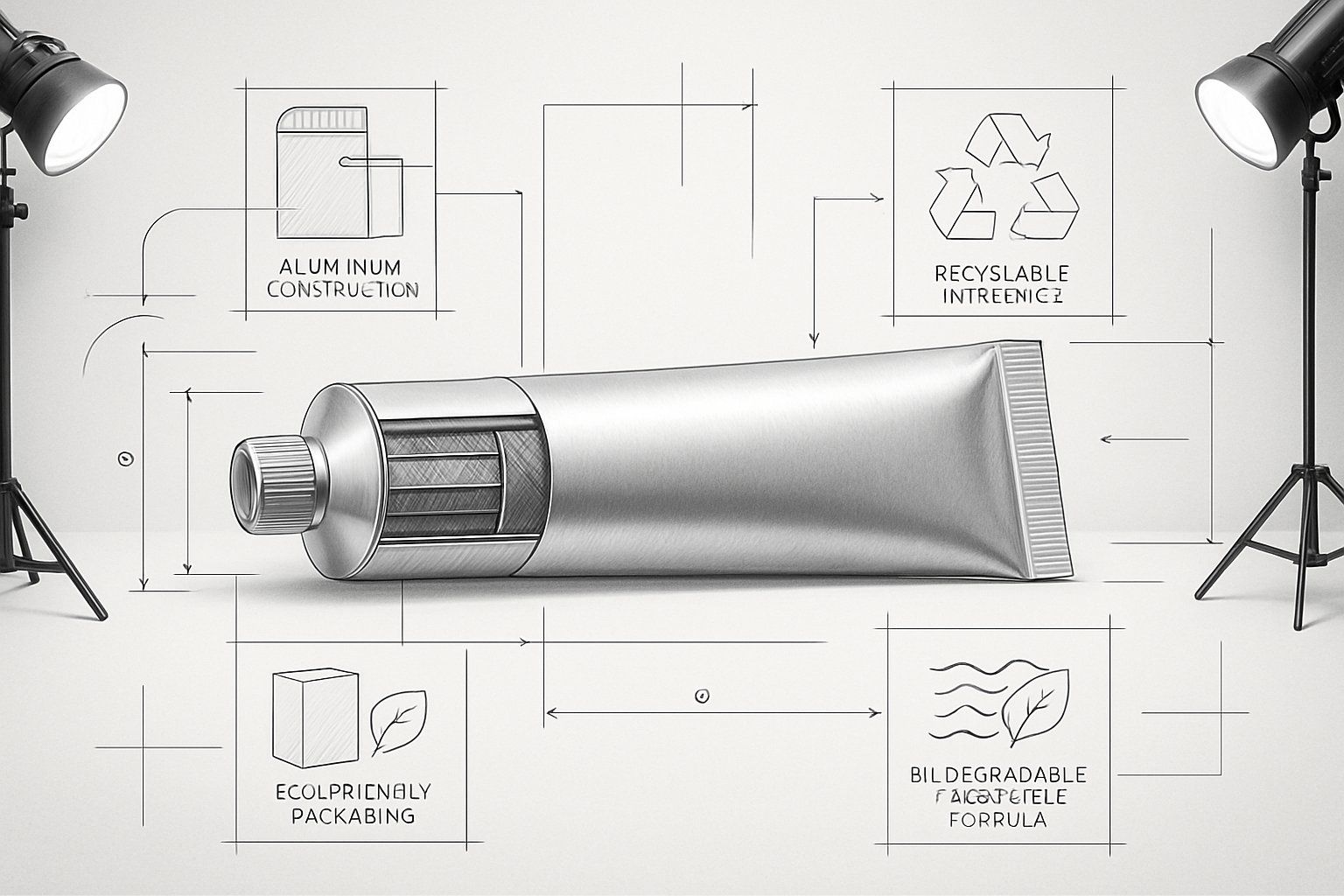
Aluminum tubes offer significant environmental advantages over traditional plastic toothpaste packaging through superior recyclability, waste reduction capabilities, and lower overall carbon emissions. These metal containers can be recycled indefinitely while plastic tubes contribute to mounting landfill waste.
Recyclability Compared to Plastic Tubes
Aluminum tubes can be recycled repeatedly without losing quality or strength. The recycling process maintains the metal’s properties indefinitely.
Most plastic toothpaste tubes cannot be recycled through standard programs. They contain mixed materials like plastic and aluminum laminates that recycling facilities cannot separate easily.
Traditional toothpaste packaging often combines multiple materials. This makes the tubes difficult to process in recycling centers.
Key recyclability differences:
| Material | Recyclable | Quality Loss | Processing Difficulty |
|---|---|---|---|
| Aluminum | Yes | None | Low |
| Plastic tubes | Limited | High | High |
| Mixed materials | No | N/A | Very high |
Many recycling facilities accept aluminum containers in their standard programs. Consumers can place aluminum tubes in regular recycling bins without special handling.
Reduction of Plastic Waste
Over one billion plastic toothpaste tubes are thrown away each year globally. These tubes accumulate in landfills and oceans because they cannot break down naturally.
Aluminum tubes help address this waste crisis by providing a reusable alternative. When people choose aluminum packaging, they reduce demand for plastic production.
Plastic toothpaste tubes take hundreds of years to decompose. They often break into microplastics that contaminate soil and water systems.
The switch to aluminum packaging directly prevents plastic tubes from entering waste streams. Each aluminum tube replaces one plastic tube that would otherwise end up in landfills.
Metal packaging doesn’t create microplastics during breakdown. This protects ecosystems from long-term contamination.
Lower Carbon Footprint
Recycling aluminum requires 95% less energy than producing new aluminum from raw materials. This dramatic energy savings reduces greenhouse gas emissions significantly.
Aluminum tubes generate fewer carbon emissions over their complete lifecycle. The energy savings from recycling offset the initial production costs quickly.
Plastic production requires petroleum-based chemicals and high-temperature processing. These steps create substantial carbon emissions throughout manufacturing.
Transportation costs remain similar for both materials. However, aluminum’s recycling benefits continue reducing environmental impact long after initial use.
The recycling loop for aluminum is shorter and more efficient than plastic processing. Aluminum can return to store shelves as new products within 60 days of recycling.
Manufacturing new plastic toothpaste tubes requires extracting and refining fossil fuels. This process generates significant carbon dioxide emissions at multiple stages.
Leading Ingredients and Innovations in Aluminum Tube Toothpaste
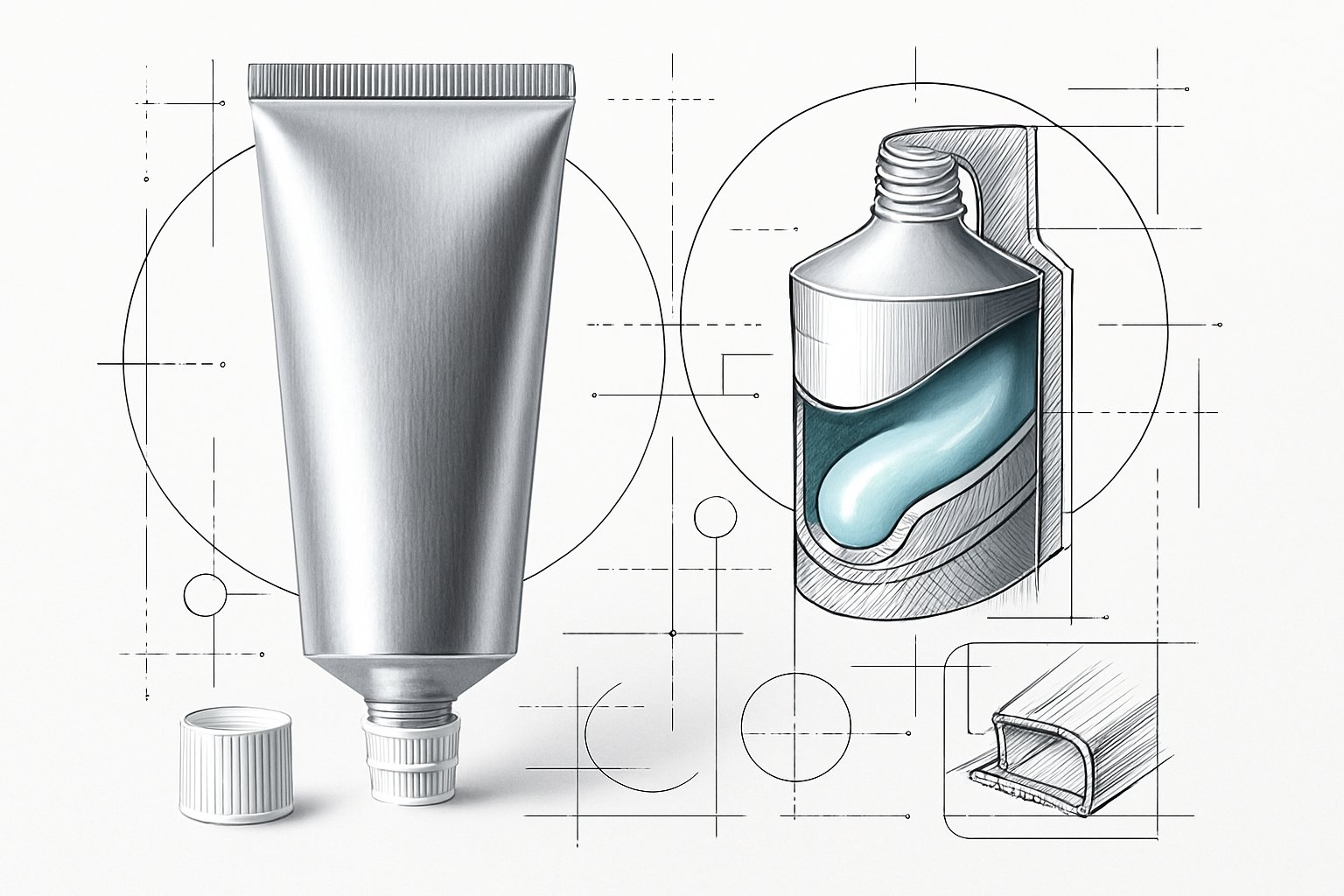
Aluminum tube toothpastes feature advanced ingredients like nano hydroxyapatite for enamel repair and natural formulations for eco-conscious consumers. These tubes also protect sensitive teeth formulas from degradation while maintaining ingredient stability.
Use of Nano Hydroxyapatite in Toothpaste
Nano hydroxyapatite represents a major breakthrough in dental care. This ingredient matches the natural mineral found in tooth enamel and bones.
Key Benefits:
- Repairs microscopic enamel damage
- Reduces tooth sensitivity
- Strengthens teeth without fluoride
Nano hydroxyapatite toothpaste works by filling tiny holes in tooth enamel. The particles are so small they can enter areas regular toothpaste cannot reach.
Aluminum tubes provide excellent protection for this sensitive ingredient. The barrier prevents light and air exposure that could reduce effectiveness.
Studies show nano hydroxyapatite can remineralize teeth as well as fluoride. Many premium brands now offer this ingredient in aluminum packaging for maximum protection.
Natural and Organic Formulations
Natural toothpaste brands increasingly choose aluminum tubes for their products. These formulations avoid synthetic chemicals and artificial ingredients.
Common Natural Ingredients:
- Coconut oil for antibacterial action
- Baking soda for gentle whitening
- Essential oils for fresh breath
- Clay for natural cleaning
Aluminum tubes protect natural ingredients from oxidation. This keeps oils fresh and prevents ingredient separation.
Brands like Ben & Anna use aluminum tubes for their organic toothpastes. The packaging aligns with their sustainable brand values.
Natural formulations often have shorter shelf lives than conventional toothpaste. Aluminum’s superior barrier properties help extend product freshness without preservatives.
Sensitive Teeth and Enamel Protection
Toothpastes for sensitive teeth require special protection during storage. Aluminum tubes prevent active ingredients from breaking down before use.
Active Ingredients for Sensitivity:
- Potassium nitrate blocks pain signals
- Stannous fluoride builds protective barriers
- Arginine seals exposed dentin
These ingredients work best when protected from moisture and temperature changes. Aluminum provides better protection than plastic tubes.
Enamel protection formulas often contain calcium and phosphate compounds. These minerals help rebuild weakened tooth surfaces.
The aluminum barrier ensures these compounds remain stable and effective. This protection is especially important for premium sensitivity formulas that cost more to produce.
Manufacturing, Customization, and Branding
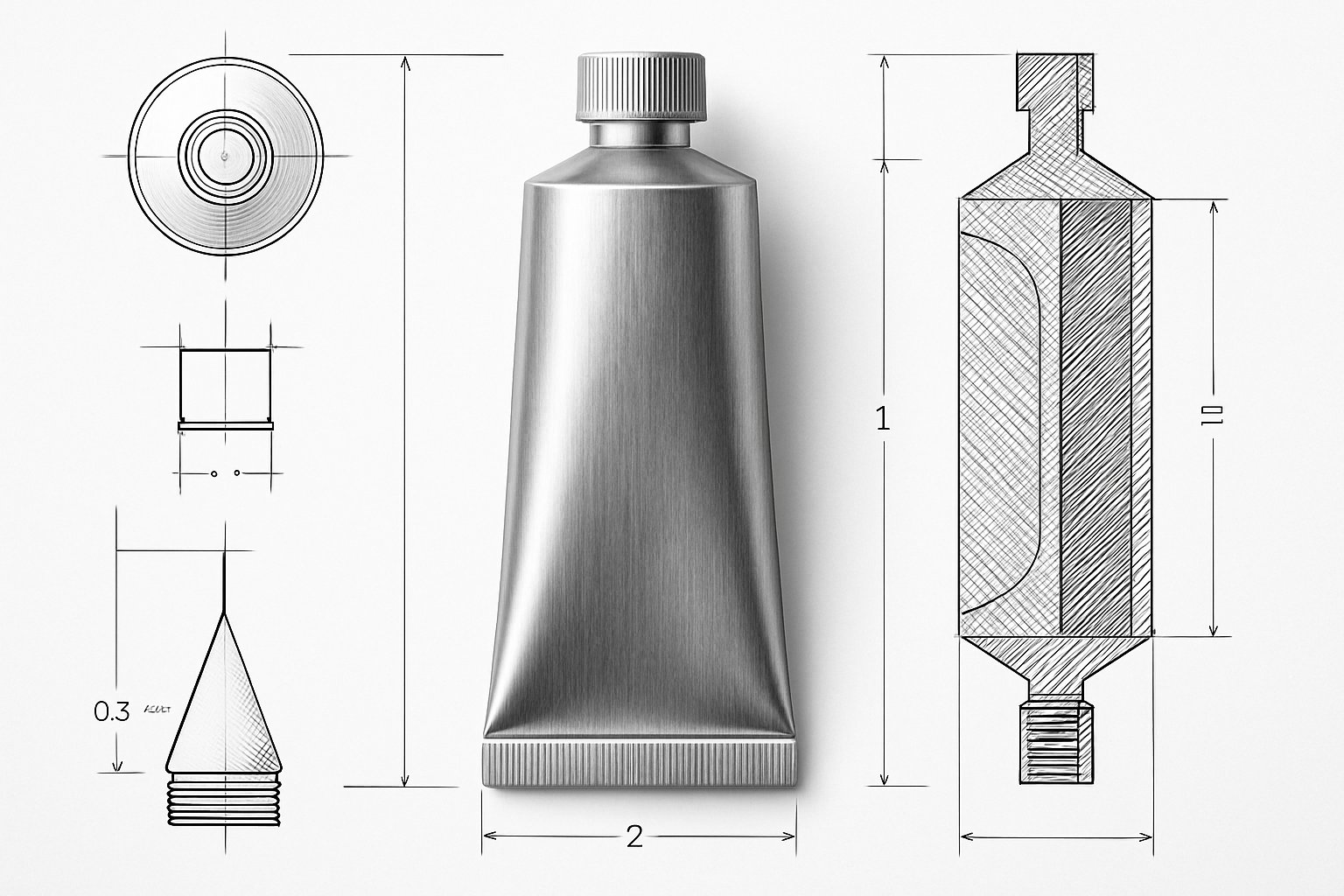
Aluminum tube production involves specialized forming processes, protective coatings, and advanced printing techniques that transform raw materials into branded packaging. Modern manufacturers use offset printing and other methods to create distinctive toothpaste containers that protect products while building brand recognition.
Aluminum Tube Production Process
The manufacturing of aluminum toothpaste tubes begins with aluminum slugs or sheets that undergo impact extrusion. This process forms the basic tube shape by forcing aluminum through specialized dies under high pressure.
Manufacturers then thread the tube openings and trim them to exact specifications. The tubes receive thorough cleaning to remove any oil or debris from the forming process.
Quality control checks verify wall thickness, dimensions, and structural integrity. Each tube must meet strict standards for strength and durability.
The production line operates at high speeds, with modern equipment producing thousands of tubes per hour. Temperature control during forming prevents metal stress and ensures consistent quality.
Final inspection includes pressure testing and visual examination. Defective tubes get recycled back into the aluminum supply chain.
Internal Lacquering and Lining
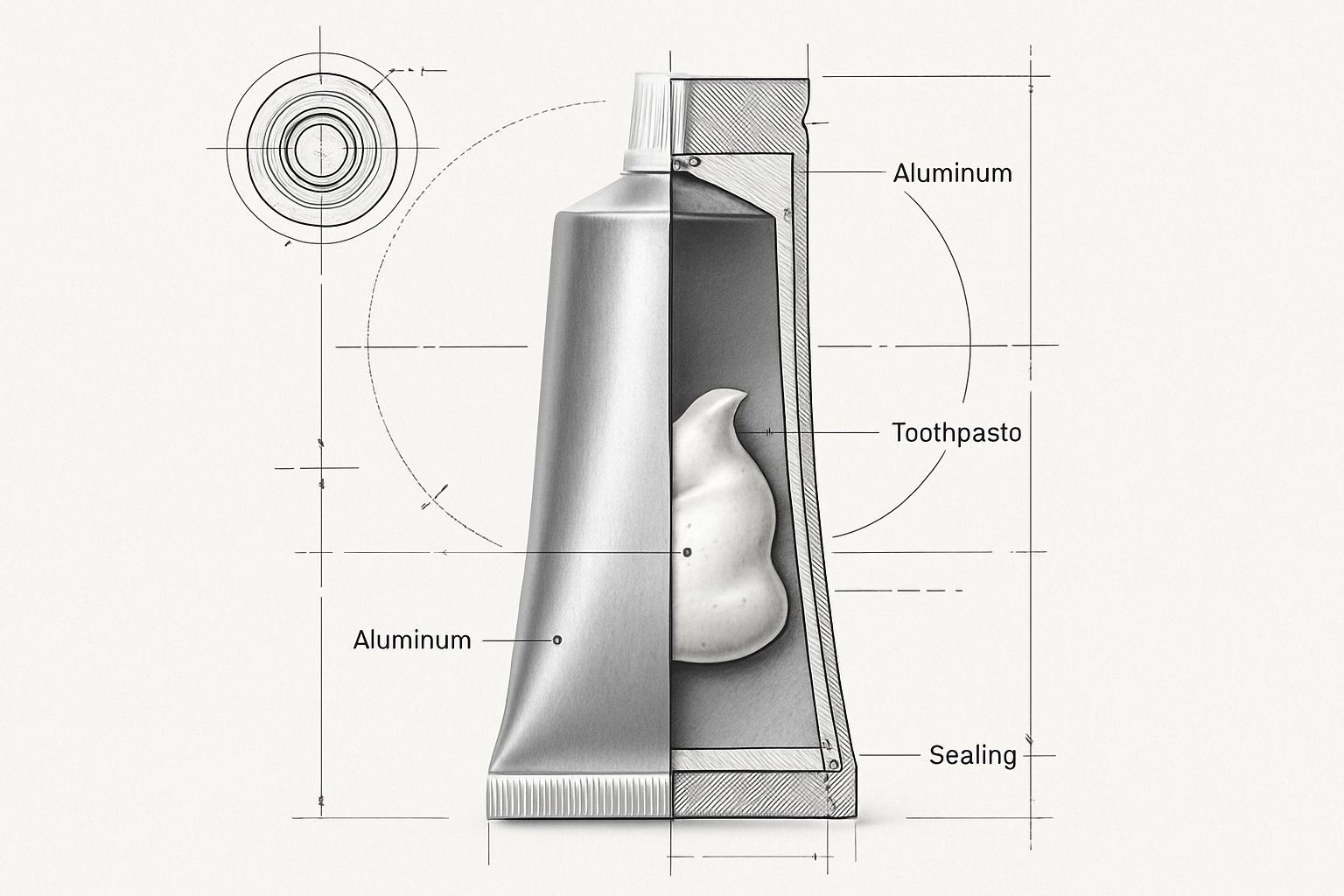
Internal coatings protect toothpaste from direct contact with aluminum and prevent chemical reactions. Manufacturers apply food-grade lacquers or polymer linings that create a barrier between the metal and product.
The coating process uses spray application or dip coating methods. Tubes rotate during application to ensure even coverage on all interior surfaces.
Curing ovens heat the coated tubes to specific temperatures. This step bonds the lining permanently to the aluminum surface.
Different toothpaste formulations require specific liner types. Fluoride products need linings that resist chemical interaction.
Quality testing measures coating thickness and adhesion strength. Proper lining prevents taste transfer and maintains product freshness throughout shelf life.
Offset Printing and Branding Options
Offset printing provides high-quality graphics and text on aluminum tube surfaces. This method transfers ink from printing plates to rubber blankets, then onto the tube exterior.
Multiple printing methods serve different design needs:
- Silk screen printing – Bold colors and simple designs
- Hot stamping – Metallic finishes and premium effects
- Digital printing – Small runs and variable data
Brand customization includes logo placement, color matching, and unique graphics. Manufacturers can print up to six colors in a single pass.
Protective overcoats seal the printed design and provide scratch resistance. UV-cured coatings offer enhanced durability for retail handling.
Print quality testing ensures color accuracy and adhesion. Samples undergo rub tests and exposure testing before production approval.
Market Trends and Global Availability
The aluminum toothpaste tube market is experiencing strong growth at 5.7% annually and is expected to reach $1.2 billion by 2028. Asian manufacturers dominate production while online platforms have made these specialized tubes accessible worldwide.
Popular Brands and Regional Leaders
Major toothpaste brands are shifting toward aluminum packaging for premium product lines. Companies focus on aluminum tubes because they offer better protection and appeal to eco-conscious consumers.
Regional market distribution shows clear patterns:
- Asia-Pacific controls 72% of global production
- Europe leads in recyclable tube adoption with 38% market share
- North American brands emphasize sustainability messaging
Premium brands use aluminum tubes for specialty formulations like whitening and natural toothpastes. These tubes cost more than plastic but provide superior barrier protection.
The market sees Fortune 500 companies choosing aluminum tubes to meet environmental goals. This trend drives demand for custom printing and unique designs.
China as a Major Supplier
China dominates aluminum toothpaste tube manufacturing with established supply chains and competitive pricing. Major suppliers include Yangzhou Gudifu, Guangzhou Lisson, and Shantou Baolilai.
Chinese manufacturers offer several advantages:
- Minimum order quantities from 100 to 30,000 pieces
- Price ranges from $0.02 to $0.31 per tube
- Custom printing and logo capabilities
- Multiple size options from 5ml to 400ml
Production quality meets international standards including FDA and EU regulations. Many Chinese suppliers hold ISO certifications and work with global brands.
The concentration of suppliers in specific regions like Yangzhou and Guangzhou creates efficient manufacturing clusters. This setup reduces costs and improves delivery times for bulk orders.
Online Purchasing and Delivery Options
B2B platforms connect buyers directly with aluminum tube manufacturers worldwide. Sites like Alibaba feature over 47,000 products from 10,000+ suppliers.
Online ordering provides key benefits:
- Direct factory pricing without intermediaries
- Sample orders for quality testing
- Custom specification requests
- Bulk discount negotiations
Delivery times vary based on order size and customization needs. Standard products ship within 15-30 days while custom printed tubes require 30-45 days.
International shipping options include sea freight for large orders and air express for samples. Many suppliers offer delivery tracking and quality guarantees.
Payment terms typically require deposits for custom orders with balance due before shipment. Established suppliers accept various payment methods including letters of credit.
