

Aluminum squeeze tubes work like tiny metal guardians for your products. They create an airtight barrier that blocks light, heat, and bacteria from damaging what’s inside.
Many companies struggle to find packaging that protects their products while meeting sustainability goals and maintaining cost efficiency.
Aluminum squeeze tubes offer 100% recyclable packaging with superior barrier properties that extend product shelf life significantly. These lightweight containers protect everything from cosmetics to pharmaceuticals without requiring preservatives in many cases.
This guide will show you exactly how aluminum squeeze tubes work across different industries. You’ll discover specific benefits, customization options, and practical tips for choosing the right tubes for your needs.
What Are Aluminum Squeeze Tubes?

Aluminum squeeze tubes are flexible cylindrical containers made from aluminum that dispense products through gentle pressure, much like squeezing toothpaste from a tube. Many manufacturers struggle with finding packaging that protects products while staying cost-effective and sustainable. This section covers the core materials and construction, dispensing mechanisms, and how aluminum compares to plastic alternatives.
Core Features and Materials
Aluminum squeeze tubes consist of high-grade aluminum that offers exceptional durability and malleability. The aluminum material provides superior barrier properties against light, oxygen, and moisture.
Most tubes use aluminum with specific compositions selected for optimal strength. The wall thickness typically ranges from 0.12mm to 0.17mm depending on the application.
Key material properties include:
- Corrosion resistance for long-term storage
- Non-reactive surface that won’t interact with contents
- Recyclable aluminum construction
- Lightweight design that reduces shipping costs
The manufacturing process involves extrusion, where aluminum billets are transformed into seamless tube bodies. This creates consistent wall thickness throughout the container.
Aluminum packaging maintains product integrity better than many alternatives. The material doesn’t absorb odors or flavors from contents.
How Squeeze Tubes Work
Squeeze tubes operate through collapsible design that allows users to apply pressure and dispense controlled amounts. The aluminum walls flex inward when squeezed but don’t spring back to original shape.
This collapsing action creates a vacuum effect that prevents air from entering the tube. Once product is dispensed, the tube remains in its compressed state.
The dispensing mechanism involves:
- Threaded neck for secure cap attachment
- Controlled opening size for precise dispensing
- One-way flow that prevents backflow
- Progressive emptying from bottom to top
Users can roll the bottom of aluminum squeeze tubes to maximize product evacuation. This rolling technique can achieve 95%+ product recovery compared to rigid containers.
The flexibility allows for easy handling and storage in tight spaces. Empty portions of the tube compress flat, taking up minimal room.
Comparison with Other Tube Materials
Aluminum vs. plastic squeeze tubes reveals significant differences in performance and sustainability. Aluminum offers superior barrier protection but costs more to manufacture.
| Feature | Aluminum Tubes | Plastic Tubes |
|---|---|---|
| Barrier Protection | Excellent oxygen/light barrier | Moderate barrier properties |
| Sustainability | 100% recyclable | Limited recyclability |
| Cost | Higher initial cost | Lower manufacturing cost |
| Product Compatibility | Non-reactive with most formulas | May interact with certain ingredients |
Minimum order quantities differ significantly between materials. Aluminum squeeze tubes typically require 30,000 minimum orders, while plastic tubes start at 5,000 pieces.
Plastic tubes work well for short-term storage and cost-sensitive applications. However, they allow more air permeation over time.
Aluminum packaging excels with products containing active ingredients, pharmaceuticals, or premium cosmetics. The material prevents degradation from UV exposure and oxidation.
Laminated tubes combine plastic flexibility with aluminum barrier properties. These hybrid options offer middle-ground solutions for specific applications.
Key Benefits of Aluminum Squeeze Tubes

Aluminum squeeze tubes deliver superior protection by blocking light, air, and moisture that can damage products. These containers maintain sterile conditions and meet strict food safety standards through their non-porous surface. The material’s excellent barrier properties prevent leaks while preserving product integrity throughout the entire shelf life.
Product Protection and Preservation
Light Protection forms the foundation of aluminum packaging effectiveness. UV rays break down active ingredients in cosmetics and pharmaceuticals within weeks. Aluminum squeeze tubes block 100% of light exposure, extending product life by 2-3 times compared to clear plastic containers.
Moisture Barrier Performance keeps products stable in humid conditions. The aluminum creates an impermeable seal that prevents water vapor from entering or leaving the tube. This protection is crucial for powdered formulations and moisture-sensitive compounds.
Oxygen Resistance prevents oxidation that causes rancidity in oils and degrades vitamins. Aluminum tubes maintain an oxygen transmission rate near zero. Products like vitamin C serums and natural oils stay fresh longer when stored in aluminum packaging.
Temperature Stability allows aluminum squeeze tubes to withstand extreme conditions without compromising contents. The material doesn’t expand or contract significantly with temperature changes. This stability protects products during shipping and storage in various climates.
Hygiene and Food-Safe Properties
Non-Porous Surface prevents bacteria growth and contamination. Unlike plastic materials, aluminum doesn’t absorb liquids or develop microscopic cracks where germs can hide. This property makes aluminum squeeze tubes ideal for pharmaceutical ointments and food products.
FDA Approval ensures safety for direct food contact applications. Aluminum tubes meet stringent regulations for packaging edible products like tomato paste and condiments. The material doesn’t leach chemicals into contents, even with acidic formulations.
Easy Sterilization allows manufacturers to eliminate all microorganisms before filling. Aluminum tubes can withstand high-temperature sterilization processes without damage. This capability is essential for sterile pharmaceutical products and baby food packaging.
Chemical Inertness means aluminum won’t react with most product formulations. The material remains stable when exposed to oils, acids, and alkaline substances. This compatibility reduces the risk of product contamination or packaging degradation over time.
Barrier Performance and Leak Prevention
Superior Seal Integrity prevents product loss through crimped ends and threaded caps. Aluminum’s malleability allows for tight closures that maintain their seal under pressure. This reliability reduces waste and ensures customers receive the full product amount.
Puncture Resistance protects against damage during shipping and handling. Aluminum tubes resist tears and holes that commonly occur with thin plastic packaging. The material’s strength maintains product integrity even when dropped or compressed.
Vapor Transmission Rates remain consistently low throughout the product’s shelf life. Aluminum maintains barrier properties that don’t degrade over time like some plastic materials. This consistency ensures long-term product protection and stability.
Pressure Tolerance allows aluminum squeeze tubes to handle internal pressure from gas-producing formulations. The material won’t bulge or burst under normal storage conditions. This durability prevents messy leaks and maintains product quality until use.
Applications and Industries Using Aluminum Squeeze Tubes
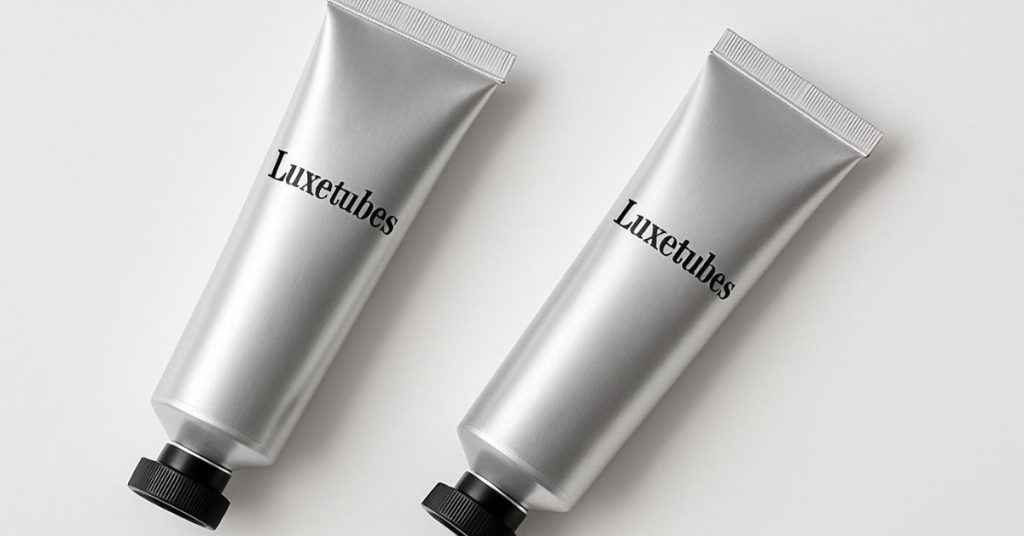
Aluminum squeeze tubes serve diverse packaging needs across multiple industries, from cosmetics and pharmaceuticals to food products and industrial applications. These tubes offer superior barrier protection and precise dispensing control that different sectors require for their specific products.
Cosmetics and Personal Care
The cosmetics industry relies heavily on aluminum squeeze tubes for their exceptional barrier properties. These tubes protect sensitive formulations from light, air, and moisture that can degrade product quality.
Hair care products benefit significantly from aluminum packaging. Hair dyes, colorants, and styling gels maintain their chemical stability in these protective tubes. The aluminum barrier prevents oxidation that could alter color formulations or reduce effectiveness.
Skincare applications include hand creams, lotions, and anti-aging serums. The tubes’ collapsible design ensures minimal product waste while preventing air exposure. This feature is crucial for products containing active ingredients like retinoids or vitamin C.
Personal hygiene products such as toothpaste represent one of the largest uses. The tubes maintain fluoride stability and prevent the paste from drying out. Manufacturers appreciate the precise dispensing control these tubes provide.
Other cosmetic applications include:
- Nail glue and adhesives
- Foundation and concealer
- Eye creams and treatments
- Lip balms and treatments
Food Products and Culinary Uses
Food manufacturers choose aluminum squeeze tubes for products requiring controlled dispensing and extended shelf life. The tubes create an excellent barrier against oxygen and light that cause food spoilage.
Condiments and sauces packaged in aluminum tubes stay fresh longer than other packaging options. Products like mustard, ketchup, and specialty sauces benefit from the airtight seal. The tubes prevent flavor loss and maintain consistency.
Spreads and pastes work well in squeeze tube format. Tomato paste, anchovy paste, and specialty cooking pastes dispense easily while staying fresh. The collapsible design means users get every bit of product without waste.
Specialty food items include flavoring pastes for baking and cooking concentrates. These products often have strong flavors that aluminum tubes help preserve. The barrier properties prevent aroma loss during storage.
Food safety requirements make aluminum tubes attractive because they don’t react with acidic foods. This stability ensures product integrity throughout the shelf life.
Pharmaceuticals and Medical
Pharmaceutical companies depend on aluminum squeeze tubes for their superior protective qualities. These tubes meet strict regulatory requirements while ensuring medication stability and patient safety.
Topical medications like antibiotic ointments and steroid creams require protection from light and contamination. Aluminum tubes provide an excellent barrier while allowing precise application amounts. This precision helps patients follow dosing instructions accurately.
Pain relief products including muscle rubs and arthritis creams benefit from the tubes’ dispensing control. Patients can apply exact amounts without waste or mess. The barrier properties maintain active ingredient potency.
Wound care products such as healing ointments and antiseptic gels stay sterile in aluminum tubes. The collapsible design prevents air from entering once opened. This feature reduces contamination risk significantly.
Medical applications also include:
- Hemorrhoid treatments
- Burn care products
- Prescription topical medications
- Diagnostic gels
The pharmaceutical industry values aluminum tubes because they maintain drug stability better than many alternatives. This reliability helps ensure patient safety and treatment effectiveness.
Industrial and Art Supplies
Industrial sectors and creative industries use aluminum squeeze tubes for products requiring controlled dispensing and protection from air exposure. These applications often involve viscous materials that need precise application.
Adhesives and sealants work exceptionally well in aluminum tubes. Products like super glue, epoxy, and silicone sealant stay workable longer because the tubes prevent premature curing. The precise dispensing helps users apply exact amounts needed.
Art supplies represent a major market for aluminum tubes. Oil paints, acrylic paints, and pigments maintain their consistency and color quality. Artists appreciate being able to squeeze out small amounts without the remaining paint drying out.
Craft materials including modeling compounds and specialty glues benefit from aluminum packaging. The tubes protect these materials from air exposure that causes hardening. Users can work with fresh material each time they open the tube.
Industrial lubricants and specialized compounds also use aluminum tubes. These products often contain expensive ingredients that aluminum tubes help preserve. The barrier properties prevent degradation from environmental exposure.
The industrial sector values aluminum tubes for their durability and chemical resistance. These properties ensure product integrity even in demanding applications.
Customization and Design Options

Aluminum squeeze tubes work like blank canvases that can be shaped into exactly what your product needs. Companies often struggle with finding packaging that fits their specific requirements without breaking the budget. You’ll discover the main size ranges, printing methods, and cap options that help create the perfect aluminum tube for your brand.
Sizes, Volumes, and Shapes
Aluminum squeeze tubes come in diameters ranging from 10mm to 57mm. This size range covers everything from tiny sample tubes to full-size products.
Volume Options:
- Small tubes (10-19mm diameter): Hold 5-15ml, perfect for samples or travel sizes
- Medium tubes (20-35mm diameter): Contain 15-50ml for regular consumer products
- Large tubes (40-57mm diameter): Store 50ml and above for bulk products
The tube length can be adjusted to change volume while keeping the same diameter. This flexibility helps brands create different product sizes without changing their cap or dispensing system.
Most aluminum squeeze tubes are round, but some manufacturers offer oval shapes. Round tubes are more common because they’re easier to manufacture and provide better structural strength.
Capacity considerations: Thicker aluminum barriers reduce overall tube capacity but extend product shelf life. Companies need to balance protection with volume requirements.
Printing, Labeling, and Branding
Aluminum tubes accept high-quality printing that makes products stand out on shelves. The smooth metal surface provides excellent print clarity and color vibrancy.
Available printing methods include:
- Offset printing: Up to 6 colors for detailed designs and photographs
- Screen printing: Bold colors and special effects like metallic finishes
- Hot foil stamping: Premium metallic accents for luxury positioning
- Digital printing: Cost-effective for smaller runs
Base finishes affect the final appearance. White bases work well for bright colors, while silver creates a premium metallic look. Pearl finishes add subtle shimmer effects.
Color matching options:
- PMS color matching for exact brand colors
- Custom pantone colors for unique shades
- Gradient effects and multi-color designs
The printing wraps around the entire tube surface. Designers should leave 3mm bleed areas and use minimum 6-7 point font sizes for clear text. Layered artwork with metallic elements requires special planning.
Cap Types and Dispenser Features
Screw caps are the most popular choice for aluminum squeeze tubes. They provide secure closure and come in various thread sizes to match different tube necks.
Standard cap options include:
- Flip-top caps: Easy one-handed opening for frequent use
- Screw-on caps: Secure closure that prevents leaks during shipping
- Pump dispensers: Controlled dosing for thick products
- Applicator tips: Precise placement for targeted products
Custom cap colors can match brand requirements through PMS color matching. This creates a cohesive look across the entire package.
Safety features add value for certain products. Tamper-evident seals show if someone opened the package before purchase. Child-resistant caps protect dangerous products from accidental access.
Thread styles vary based on tube diameter and intended use. Fine threads provide smooth opening, while coarse threads offer faster closure. The neck design affects which caps will fit properly.
Specialized dispensers include needle nose applicators for precision work and wide-opening caps for thick creams. These custom features help products function better for their intended use.
Sustainability and Environmental Impact
Aluminum squeeze tubes function like nature’s renewable cycle – materials that can transform endlessly without losing their core properties. Many brands struggle with balancing eco-friendly packaging costs against consumer demands for sustainability. You’ll discover specific recycling rates, direct material comparisons, and actionable strategies for sustainable packaging implementation.
Recycling and Reusability
Aluminum squeeze tubes achieve 99.8% material purity, making them infinitely recyclable without quality degradation. Unlike other materials that break down after several recycling cycles, aluminum maintains its structural integrity indefinitely.
The recycling process uses 95% less energy than producing new aluminum from raw materials. This dramatic energy reduction translates to lower carbon emissions and reduced manufacturing costs over time.
Current recycling infrastructure supports aluminum collection in most developed regions. Facilities can process aluminum squeeze tubes through standard recycling streams, though users should remove plastic caps first.
Key recycling benefits include:
- Zero quality loss during multiple recycling cycles
- Reduced transportation emissions due to lightweight properties
- Lower energy consumption compared to virgin material production
- Established collection networks in major markets
Companies report cost savings of 40-60% when incorporating recycled aluminum content into new tube production. These savings often offset initial sustainable packaging investments within 18-24 months.
Comparing Aluminum vs. Plastic Packaging
Barrier protection represents aluminum’s strongest advantage over plastic alternatives. Aluminum tubes provide complete protection against light, oxygen, and moisture – factors that degrade sensitive formulations.
| Factor | Aluminum Tubes | Plastic Tubes |
|---|---|---|
| Recyclability | Infinite cycles | Limited cycles (3-7x) |
| Barrier Properties | 100% light/oxygen block | Variable protection |
| Weight | 40% lighter | Standard weight |
| Temperature Resistance | -40°F to 400°F | Limited range |
Plastic tubes often require additional barrier coatings or multi-layer construction to match aluminum’s protective qualities. These additions complicate recycling processes and increase material costs.
Transportation efficiency favors aluminum due to weight advantages. Companies shipping aluminum tubes reduce fuel consumption by approximately 15-20% compared to equivalent plastic packaging volumes.
However, initial material costs for aluminum typically run 20-30% higher than basic plastic options. This premium decreases when factoring recycled content and long-term sustainability goals.
Supporting Sustainable Packaging Goals
Corporate sustainability targets increasingly include packaging material specifications. Aluminum squeeze tubes help companies meet circular economy objectives through their closed-loop recycling potential.
Consumer preference surveys show 73% of buyers pay premium prices for sustainable packaging options. This trend creates market opportunities for brands using aluminum packaging solutions.
Implementation strategies include:
- Partnering with certified suppliers using recycled aluminum content
- Educating consumers about proper disposal methods
- Tracking recycling rates through supply chain monitoring
- Setting measurable targets for sustainable packaging adoption
Regulatory compliance becomes simpler with aluminum tubes meeting most environmental packaging standards. European Union directives and similar regulations favor materials with established recycling infrastructure.
Brand differentiation emerges through sustainability messaging tied to aluminum packaging choices. Companies report improved customer loyalty when communicating specific environmental benefits rather than general sustainability claims.
Cost-benefit analysis typically shows break-even points within two years when considering consumer willingness to pay, reduced transportation costs, and potential regulatory advantages of choosing sustainable packaging materials.
How to Choose the Right Aluminum Squeeze Tubes
Choosing aluminum squeeze tubes involves three critical decisions that directly impact your product’s success and budget. Most manufacturers struggle with balancing quality requirements against minimum order constraints and supplier capabilities. This guide provides specific criteria and actionable checklists to streamline your selection process.
Assessing Your Product and Market
Product compatibility determines which aluminum specifications work best for your formula. Products containing acids or reactive ingredients need specialized internal coatings to prevent degradation.
Check these barrier requirements first:
- High sensitivity products (pharmaceuticals, retinols): Standard aluminum provides complete oxygen and light protection
- Medium sensitivity items (creams, lotions): Basic aluminum tubes work effectively
- Low sensitivity formulas (gels, simple moisturizers): Consider cost versus protection benefits
Viscosity testing helps determine the right tube design. Thick formulas need wider openings or specialized dispensing tips. Test your product flow rate at room temperature and storage conditions.
Market positioning influences tube specifications significantly. Premium brands benefit from aluminum’s luxury feel and recyclability messaging. Budget-conscious lines should compare aluminum costs against laminated alternatives for similar protection.
Size requirements depend on usage patterns. Travel products work well in 15-30ml tubes, while daily-use items typically range from 50-100ml. Oversizing wastes money and shelf space.
Evaluating Minimum Order Quantities
Standard MOQs for aluminum squeeze tubes typically start at 10,000-50,000 pieces for basic designs. Custom printing or unique shapes can push minimums to 100,000 units or higher.
Budget calculations should include these hidden costs:
- Setup fees for custom artwork ($200-800)
- Mold costs for unique shapes ($1,500-5,000)
- Color matching charges ($50-200 per color)
- Sample production ($100-300 per variation)
Inventory planning requires careful demand forecasting. Aluminum tubes have 2-3 year shelf lives when stored properly. Calculate monthly usage rates before committing to large quantities.
Phased ordering helps manage cash flow and risk. Many suppliers accept smaller initial orders with guaranteed future volumes. This approach lets brands test market response before major investments.
Supplier flexibility varies significantly. Some manufacturers offer shared MOQs across multiple SKUs or allow order splitting over 6-12 months. Always negotiate these terms upfront.
Working With Manufacturers and Suppliers
Supplier evaluation starts with production capabilities and certifications. Look for ISO 9001 quality standards and relevant industry certifications like FDA registration for cosmetic packaging.
Sample protocols should follow this sequence:
- Blank samples to test basic functionality
- Printed prototypes with your artwork
- Filled testing with actual product formulations
- Retained samples for quality reference
Quality specifications need clear documentation. Define acceptable tolerances for wall thickness, printing registration, and dispensing performance. Request drop test results from 1.5 meters and compression data.
Lead times typically range from 4-8 weeks for standard tubes, extending to 12-16 weeks for custom designs. Factor in artwork approval cycles and potential revisions.
Communication standards prevent costly mistakes. Establish regular progress updates and require approval at each production milestone. Many suppliers offer online portals for real-time order tracking.
Payment terms vary from 30% deposits to full prepayment for new customers. Negotiate milestone payments tied to production stages rather than upfront commitments when possible.
