
Airless cosmetic tubes have changed how we package and preserve beauty products. These smart containers use special technology to keep air away from creams, serums, and lotions.
By blocking air exposure, airless tubes help cosmetic products stay fresh longer and work better throughout their entire lifespan.

We see more brands choosing airless packaging because it solves common problems with traditional containers. Regular tubes and bottles let air inside, which can make products go bad faster or lose their strength.
This is especially important for expensive skincare items with active ingredients that break down easily.
In this guide, we’ll dig into how these tubes work and why they matter for both companies and customers. We’ll check out the different types available, what materials work best, and which products really benefit from airless packaging.
You’ll also get a peek at new trends shaping the future of cosmetic container design.
What Are Airless Cosmetic Tubes?
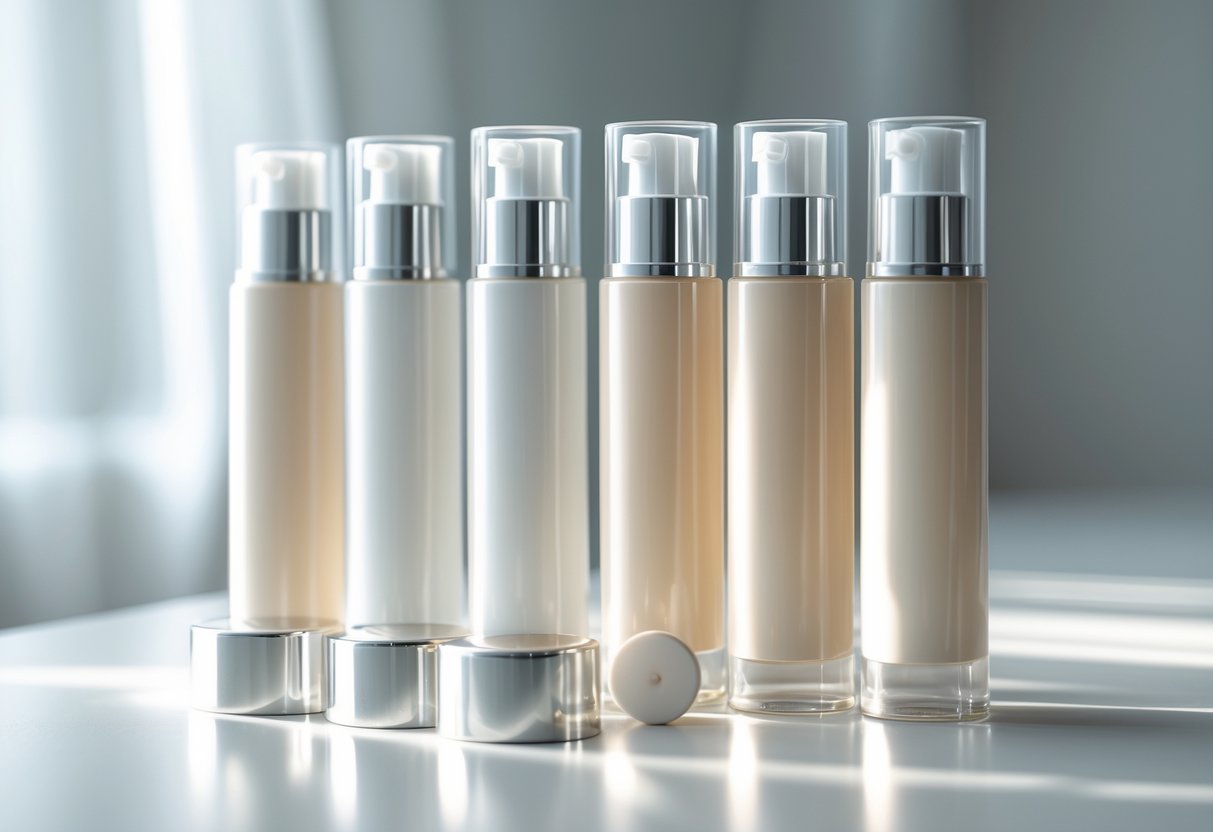
Airless cosmetic tubes use vacuum technology to dispense products without letting air inside the container. They work through a piston system that moves up as product comes out, protecting formulas from oxidation and contamination.
Definition and Key Components
Airless cosmetic tubes are modern packaging containers that keep air away from beauty products. They’re everywhere now for serums, creams, foundations, and other skincare items.
The main parts include:
- Pump mechanism: Creates the vacuum effect when pressed
- Piston plate: Moves upward inside the tube as product dispenses
- Inner chamber: Holds the cosmetic product
- One-way valve: Prevents air from entering the container
- Dispensing head: Controls how much product comes out
The tube body is usually made from plastic or glass. Many have frosted or clear finishes that look premium.
These components work together to create an airtight system. The piston starts at the bottom and rises as we use the product—honestly, it’s kind of satisfying to watch.
How Airless Technology Works
When we press the pump, it creates suction that pulls product up through the dispensing head. At the same time, the piston moves higher inside the tube.
This design keeps air out of the container completely. No air means no oxidation of active ingredients like vitamin C or retinol.
The vacuum effect happens because the piston creates pressure differences. As product leaves, the piston fills that empty space from below.
We get the same amount of product with each pump. The mechanism controls the exact volume dispensed, so you don’t end up with a handful when you only wanted a dab.
The system works until we use nearly all the product. Most airless tubes deliver close to 100% of what’s inside, which feels like a small victory every time.
Comparison to Traditional Cosmetic Tubes
Traditional tubes use dip tubes or straws that reach into the product. Air enters these containers every time we pump them.
Key differences include:
| Airless Tubes | Traditional Tubes |
|---|---|
| No air exposure | Air enters with each use |
| 95-100% product evacuation | 85-90% product evacuation |
| Longer shelf life | Shorter shelf life |
| Higher cost | Lower cost |
| More complex mechanism | Simple pump design |
Regular tubes often leave product at the bottom that we can’t reach. The dip tube doesn’t extend all the way down, which is just plain annoying.
Airless tubes cost more to make because of their complex parts. But they protect expensive active ingredients much better, so maybe it’s worth the tradeoff.
We also see less contamination with airless systems. Bacteria need air to grow, so these tubes stay cleaner longer.
Key Benefits of Airless Cosmetic Tubes
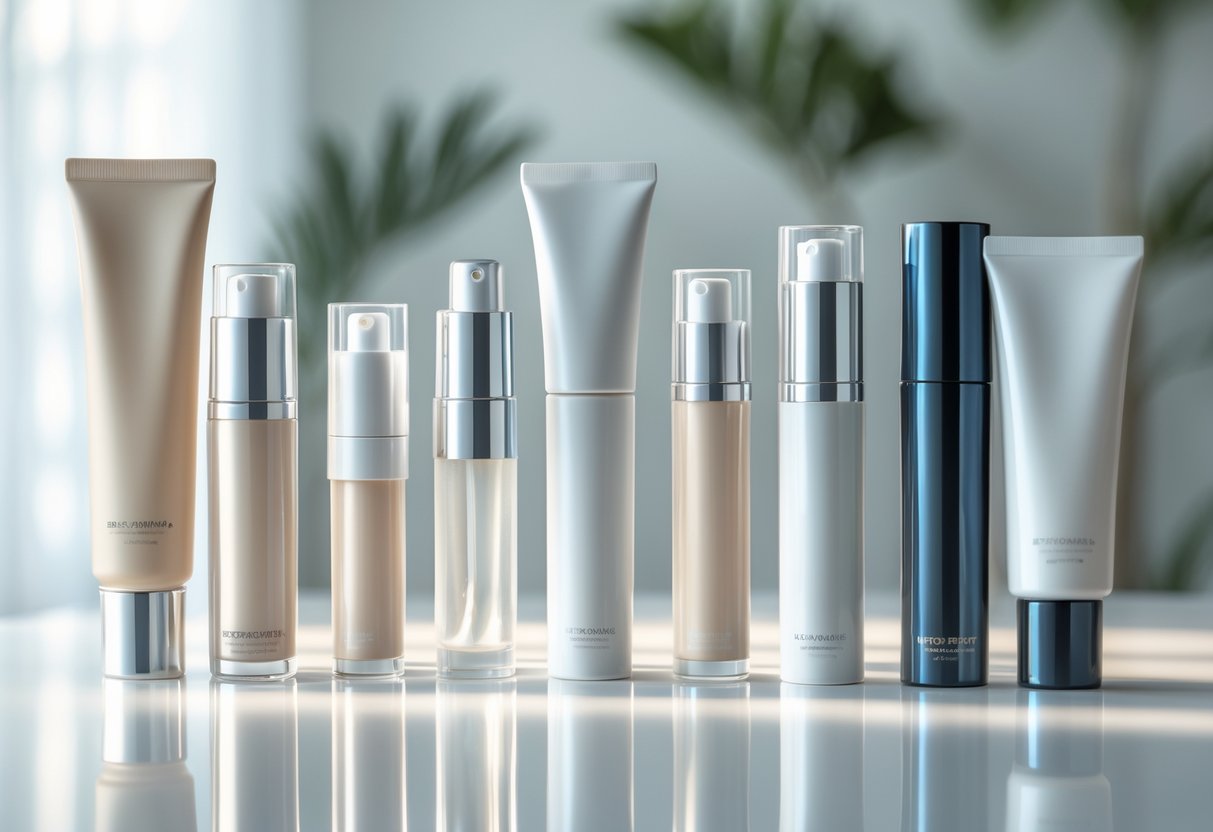
Airless cosmetic tubes provide three main advantages that make them stand out. They create a barrier against harmful air exposure, deliver exact amounts of product with minimal waste, and significantly extend the lifespan of delicate formulations.
Protection From Contamination and Oxidation
Airless tubes use a vacuum mechanism that prevents air from entering the container during dispensing. This creates a protective barrier that keeps bacteria, dust, and other contaminants away from the product inside.
The vacuum system works by using an internal piston that moves upward as we dispense the product. No air enters the container to replace the dispensed product, so the remaining formula stays sterile throughout its use.
Oxidation protection is crucial for maintaining product quality. When air contacts cosmetic formulas, it breaks down active ingredients and changes their effectiveness.
Vitamin C serums, retinol creams, and natural formulations are especially vulnerable to this damage. The airtight seal also prevents evaporation of key ingredients.
Water-based products and volatile oils maintain their original consistency and potency. We see this benefit most clearly in products that would normally thicken or separate over time.
Studies show that products in airless packaging maintain their original pH levels longer than those in traditional containers. This stability directly impacts how well the product performs on our skin.
Precise Dosing and Reduced Product Waste
Airless tubes deliver consistent amounts of product with each pump or squeeze. The internal mechanism ensures we get the same dose every time, which helps us use the right amount for optimal results.
Traditional tubes often dispense too much product when we squeeze them, leading to waste and inconsistent application. Airless systems solve this problem with controlled dispensing mechanisms.
Complete product evacuation is a major advantage. The piston system pushes the formula upward until the container is nearly empty.
We can use up to 95% of the product compared to 85% with regular tubes. The precise dosing helps us stretch expensive products further.
Premium serums and treatments cost more per ounce, so getting every drop matters for our budget. The controlled dispensing also prevents overuse of active ingredients that might irritate sensitive skin.
Many airless tubes feature adjustable pumps that let us control the dose size. We can dispense small amounts for targeted treatments or larger amounts for full-face application.
Enhanced Shelf Life for Sensitive Formulas
Sensitive ingredients like peptides, antioxidants, and natural extracts break down quickly when exposed to air and light. Airless tubes create the ideal environment to preserve these delicate components.
The oxygen-free environment inside airless packaging can double or triple the shelf life of certain formulations. Products that normally last six months may remain stable for 12-18 months in airless containers.
Temperature stability improves significantly with airless packaging. The sealed environment reduces the impact of heat and cold on product consistency.
This matters especially for products stored in bathrooms where temperatures fluctuate. Preservative-free and organic formulations benefit most from airless technology.
These products rely on their packaging for protection since they contain fewer synthetic preservatives. The airless environment reduces the need for harsh preservatives.
We also see better color and fragrance retention in airless tubes. Natural colorants and essential oils maintain their original properties longer when protected from oxidation.
This means our products look, smell, and perform as intended throughout their entire lifespan.
Materials and Sustainability
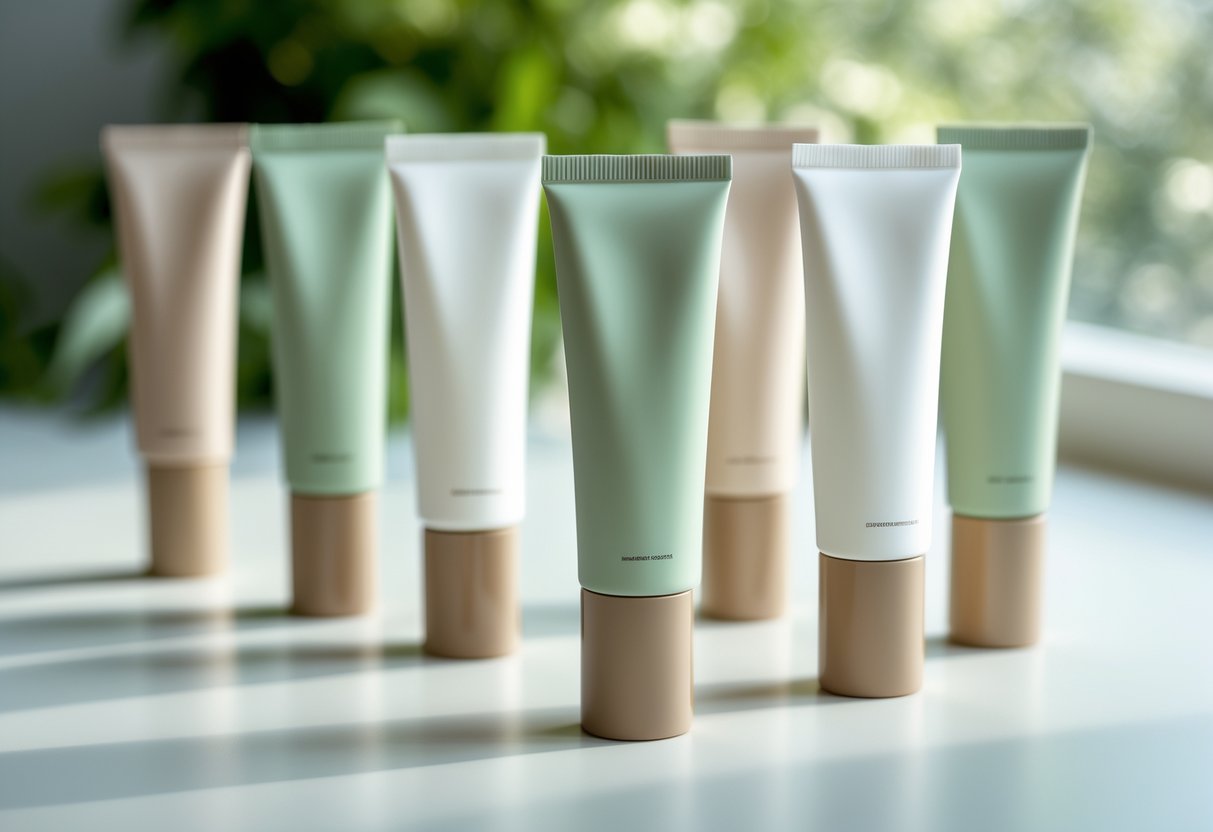
Airless cosmetic tubes now use recyclable mono-materials like PE and PP, with options including 75-100% post-consumer recycled content. Many manufacturers offer bio-based plastic alternatives and pursue environmental certifications to meet growing sustainability demands.
Mono-Material and Recyclable Options
We see increasing adoption of mono-material designs in airless tube packaging. These systems use a single plastic type throughout all components.
PE (polyethylene) mono-material systems include the pump, tube body, and cap. This approach eliminates mixed materials that complicate recycling processes.
PP (polypropylene) options offer similar benefits with different performance characteristics. Some manufacturers use patented designs that allow easy separation of recyclable components.
The key advantage lies in simplifying end-of-life processing. Recycling facilities can handle single-material streams more efficiently than mixed-material packaging.
Many systems feature refillable inner cartridges. Users replace only the inner container while keeping the outer housing and pump mechanism.
This reduces overall material consumption per use.
Use of PCR and Bio-Based Plastics
Post-consumer recycled (PCR) content ranges from 75-100% by package weight in modern airless tubes. We find PP PCR particularly common in refillable systems.
PCR integration maintains product performance while reducing virgin plastic demand. Manufacturing processes adapt existing equipment to handle recycled materials effectively.
Bio-based plastic alternatives emerge from renewable feedstocks rather than petroleum. These materials offer similar functional properties to conventional plastics.
Some tubes combine PCR content with bio-based materials for enhanced sustainability profiles. Material selection depends on product compatibility and performance requirements.
Cost considerations affect adoption rates, though price gaps continue narrowing as production scales increase.
Environmental Certifications and Standards
We observe growing emphasis on third-party environmental verification for airless tube packaging. Certification programs evaluate material sourcing, manufacturing processes, and end-of-life disposal.
ISO 14855 standards test biodegradability under controlled composting conditions. ASTM D6400 provides similar testing protocols in North American markets.
Cradle to Cradle Certified programs assess material health, renewable energy use, and social fairness across supply chains.
Many brands now require supplier compliance with specific environmental standards. Documentation includes material certificates, carbon footprint assessments, and recyclability testing results.
Regional regulations influence certification priorities. European markets emphasize circular economy principles, while other regions focus on different sustainability metrics.
Applications and Suitable Cosmetic Products
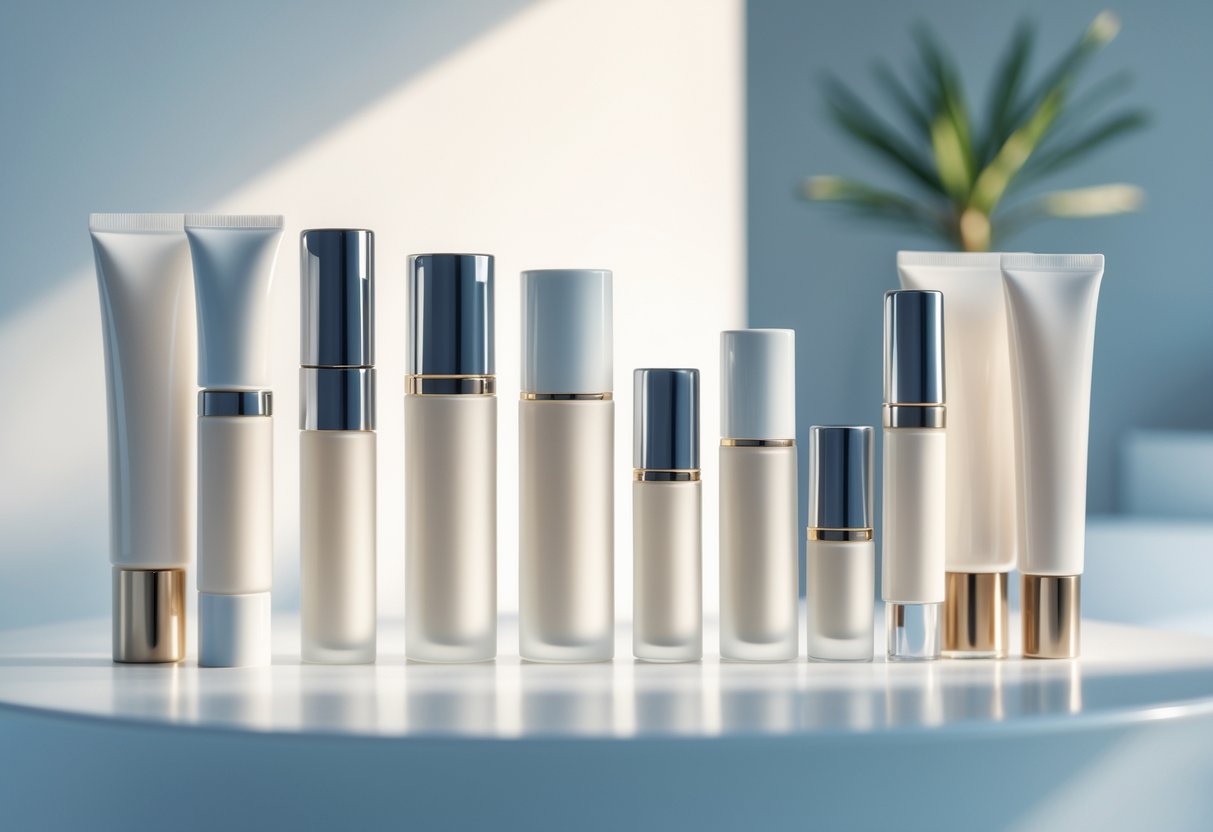
Airless cosmetic tubes work best with products that need protection from air and bacteria. These containers help keep active ingredients fresh and prevent contamination during use.
Skincare Serums and Creams
Anti-aging serums benefit most from airless packaging. Ingredients like vitamin C, retinol, and peptides just don’t hold up well when exposed to air.
The vacuum system keeps these compounds stable for longer periods. You won’t have to worry about your serum losing its punch halfway through the bottle.
Moisturizers and face creams also work well in airless tubes. The pump dispenses the exact amount needed without waste.
This prevents users from taking too much product at once. It’s a small thing, but it can make your expensive cream last a bit longer.
SPF lotions stay more effective in airless containers. Sunscreen ingredients can lose their protective power when exposed to oxygen.
The sealed environment maintains their strength over time. You get better protection, and the formula stays reliable.
- Longer shelf life for active ingredients
- Precise dosing for expensive formulas
- No contamination from fingers or air
- Less preservatives needed in formulas
Foundation and Liquid Makeup
Liquid foundations pump out smoothly from airless tubes. The system keeps the makeup from drying out or changing color.
Users get consistent coverage with each application. It’s the kind of packaging that makes you wonder why everything isn’t like this already.
Tinted moisturizers and BB creams work perfectly in this packaging. The pump gives light, even coverage without mess.
The product stays fresh without separating or clumping. It’s just easier to use, honestly.
Primers dispense well through airless systems. These products often contain silicones that can break down with air exposure.
The sealed container keeps the texture smooth and effective. You get that silky finish every time.
- Even application every time
- Color stability over months of use
- Hygienic dispensing without contamination
- Travel-friendly design that won’t leak
Eye Creams and Specialized Treatments
Eye creams need extra protection from bacteria. The delicate eye area is prone to infections.
Airless tubes keep these products completely sterile during use. It’s peace of mind for anyone with sensitive eyes.
Medicated creams and therapeutic gels require contamination-free storage. Many contain active drugs that lose power when exposed to air.
The vacuum system maintains their medical effectiveness. That’s pretty crucial for results.
Specialty treatments like acne gels work better in airless packaging. These products often have unstable active ingredients.
The protected environment keeps them working at full strength. It’s a smart move for anyone serious about their routine.
- Medical-grade hygiene for sensitive areas
- Active ingredient protection from degradation
- Precise application for targeted treatments
- Extended potency throughout product life
Types and Customization Options
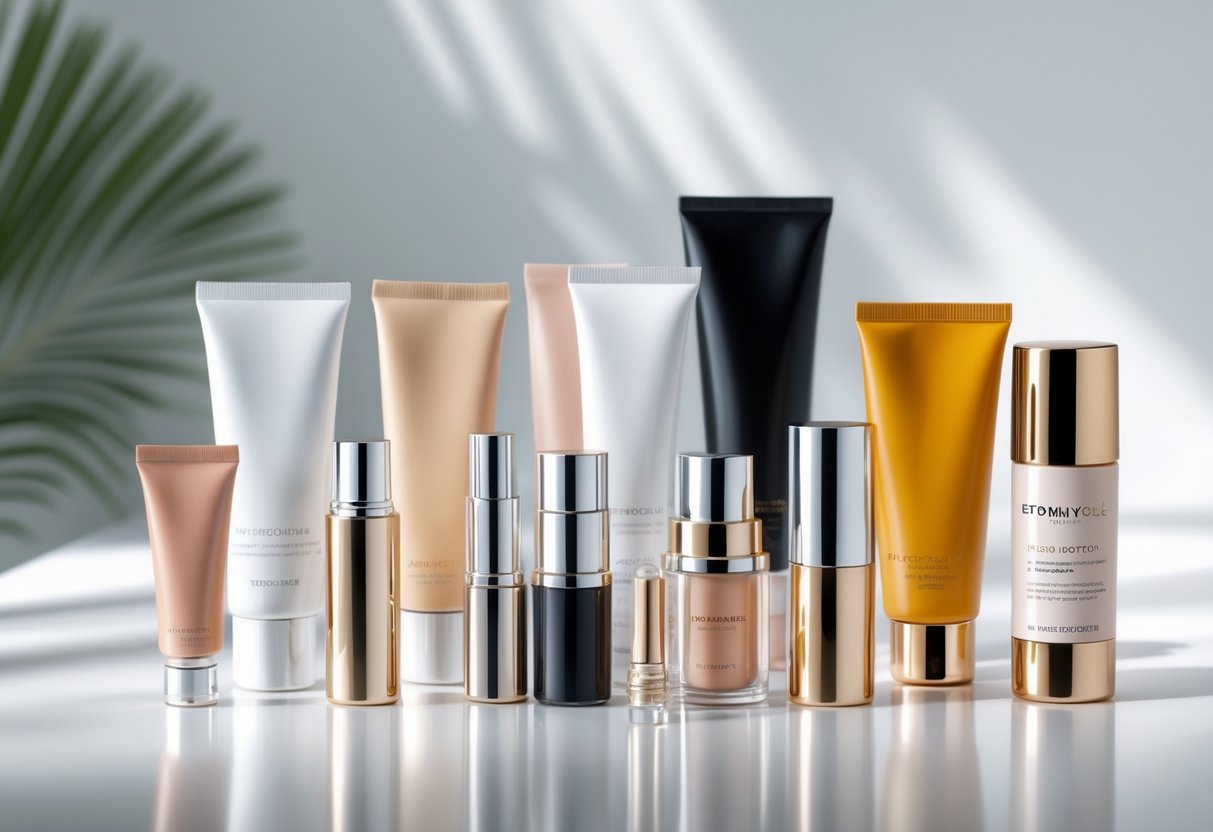
Airless cosmetic tubes come in a surprising variety of sizes, looks, and features. You can really tailor the packaging to your product and brand vibe—there’s a lot more flexibility here than you might expect.
Available Sizes and Shapes
Standard airless tubes range from 15ml to 200ml capacity. The most popular sizes are 15ml, 30ml, 50ml, and 100ml, depending on what you’re putting inside.
Travel-sized 15ml tubes are great for serums and eye creams. Mid-range 30ml and 50ml tubes work for daily moisturizers and treatments.
Larger 100ml tubes accommodate body lotions and products you reach for all the time. There’s something for every use case.
We find three main shape categories in the market:
- Cylindrical tubes – Classic round design for universal appeal
- Oval tubes – Ergonomic shape for comfortable handling
- Square tubes – Modern geometric look that stands well on shelves
Custom size requirements beyond standard options are available through most suppliers. Unique sizes usually mean higher minimum orders and longer waits—just something to keep in mind.
The tube diameter affects pump compatibility and dispensing accuracy. Narrow tubes are better for precise serums, while wider tubes work for thicker creams and lotions.
Decoration and Printing Techniques
There are plenty of ways to make your tubes stand out. Screen printing is a solid, budget-friendly choice for logos and simple graphics.
Hot stamping with metallic foils gives a luxe look. Gold, silver, and copper are standard, though you can get custom colors too.
This technique is especially nice for high-end skincare brands. If you want something tactile, embossing and debossing add texture and dimension to the tube surface.
Color options include:
| Finish Type | Popular Colors | Best For |
|---|---|---|
| Matte | White, black, nude tones | Minimalist brands |
| Glossy | Bright colors, metallics | Eye-catching displays |
| Frosted | Clear, white, pastels | Premium positioning |
UV coating gives extra protection and a boost in color vibrancy. Many brands mix and match decoration techniques for a unique finish.
Digital printing makes it possible to do complex graphics and even photo-quality images, even on smaller runs. It’s a game changer for indie brands.
Custom Dispensing Mechanisms
How the product comes out matters more than you’d think. Standard pumps deliver 0.1ml to 0.3ml per press, which works for most skincare.
Fine mist pumps are for sprays like toners and makeup setting sprays. These need your formula to be just the right thickness to work smoothly.
Precision pumps are designed for expensive serums and actives. They cost a bit more but help you avoid wasting precious product.
Airless pump systems include:
- Piston-based – Uses bottom disc that moves upward
- Diaphragm-based – Flexible membrane creates vacuum
- Bag-in-bottle – Internal pouch holds product separately
Dosage customization lets brands decide exactly how much comes out with each pump. That’s handy for both marketing and user instructions.
Pump heads come in all sorts of shapes, from basic circles to custom-branded designs. The size of the actuator changes how much pressure you need to use.
Lock mechanisms keep things from leaking in your bag or suitcase. It’s a small detail, but it’s the kind of thing people notice.
Trends and Future Developments
The airless cosmetic tube industry is going through some real shifts. Advanced pump mechanisms, sustainable material innovations, and global adoption are changing the game for how brands package sensitive formulations.
Innovations in Pump Design
Modern airless tube technology is evolving past the old-school vacuum system. Spring-actuated mechanisms are catching on—they give more consistent dispensing than basic piston designs.
Manufacturers are now rolling out dual-chamber systems that keep active ingredients separate until you use them. That’s a big win for things like vitamin C and retinol that break down fast.
Precision dosing pumps let you get just the right amount every time. It’s a nice fix for anyone tired of wasting product or guessing at how much to use.
New 360-degree dispensing means you can squeeze out every last drop, no matter how you hold the tube. No more shaking or cutting tubes open.
Smart pump integration is starting to show up in high-end products. We’re seeing features like dose counters and even expiration reminders via smartphone apps.
Growing Demand for Sustainable Packaging
Biodegradable materials are beginning to replace traditional plastics in airless tubes. There’s more use of plant-based resins and compostable polymers that still keep products safe.
Refillable tube systems are picking up steam. Brands offer sturdy outer shells with replaceable inner cartridges, cutting packaging waste by as much as 70%.
Recycled content integration is now pretty standard. Many manufacturers use 30-50% post-consumer recycled materials without losing out on quality.
Mono-material designs make recycling easier. These use just one type of plastic for all parts, so they’re more likely to actually get recycled.
We’re also noticing carbon-neutral packaging initiatives becoming more common. Companies are offsetting emissions and working with local suppliers to cut down on shipping impact.
Adoption Across Global Markets
Asia Pacific markets are out in front, holding a 30% market share in 2024. South Korea and Japan, in particular, seem to be pushing boundaries with new skincare packaging tech.
Pharmaceutical applications are taking off as the fastest-growing segment. There’s a clear uptick in use for medications that can’t risk contamination.
Middle East and Africa have a lot of room to grow. As people there have more to spend and care more about beauty, demand for premium packaging is getting a real boost.
North American brands are leaning hard into premium positioning with airless tech. High-end skincare companies rely on these tubes to back up their price tags and send a message about quality—maybe even a little exclusivity.
European markets are all about regulatory compliance and sustainability. With tighter rules, brands are moving toward recyclable airless solutions, especially in cosmetics.
