
Face cream packaging has changed a lot lately, with more beauty brands leaning into laminate tubes for their high-end skincare lines.
Laminate tubes protect sensitive face cream formulas with multiple barrier layers that keep out oxygen, UV rays, and contaminants, all while looking sleek and modern.
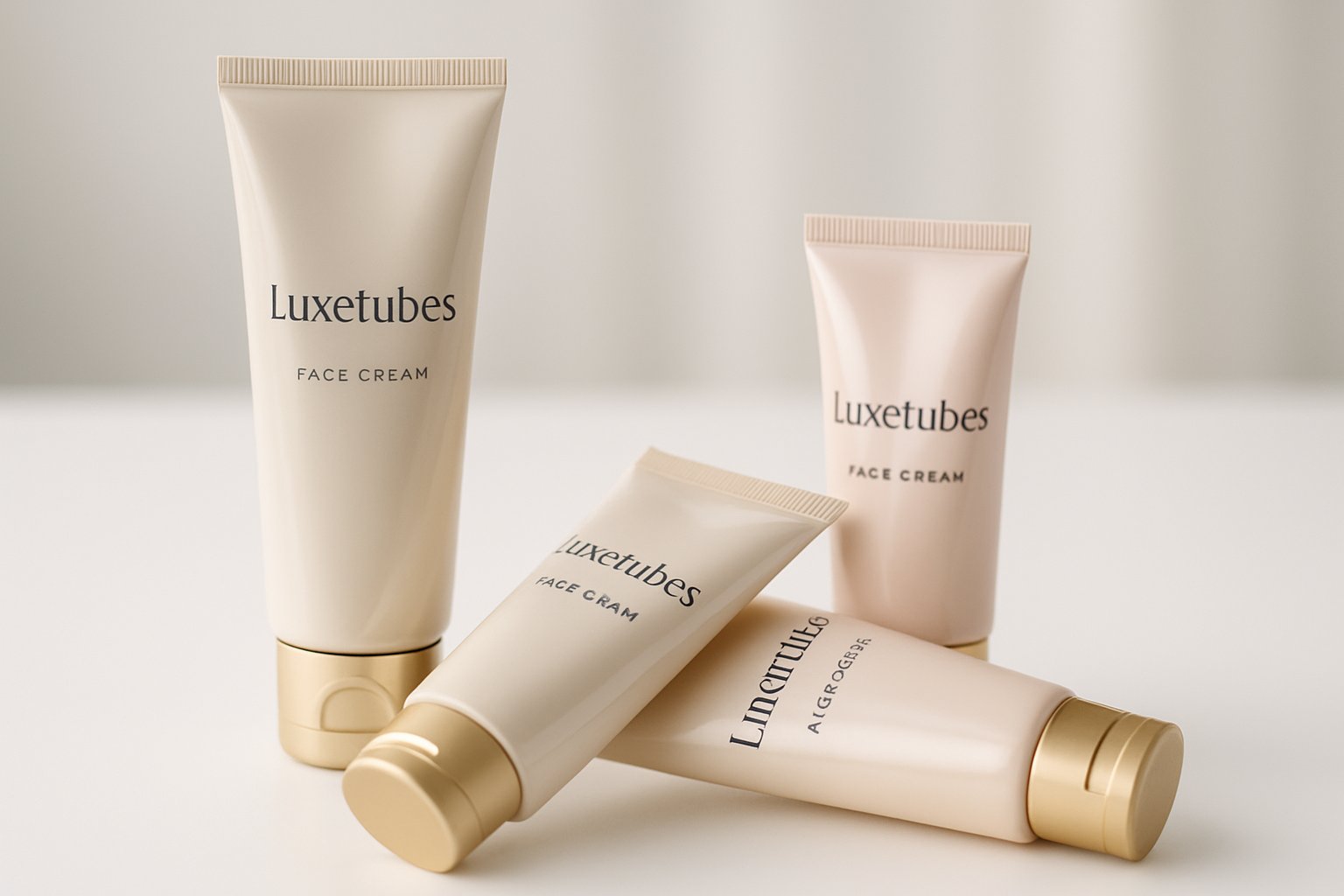
So, what’s behind this shift? The global cosmetic tubes market hit about USD 2.99 billion in 2024 and should climb to USD 4.68 billion by 2034, with laminate tubes scooping up a bigger slice of that pie. These containers blend the protective punch of aluminum with the easy flexibility of plastic, making them a go-to for everything from daily moisturizers to those fancy anti-aging creams.
But there’s more to it than just protection. Laminate tubes bring that premium vibe and the kind of user-friendliness today’s skincare fans expect. They’re easy to customize, come in eco-friendlier materials, and offer hygienic dispensing that keeps face creams fresher for longer. If you’re a brand trying to stand out in a crowded market, getting familiar with the types, perks, and trends of laminate tube packaging isn’t just smart—it’s essential.
Why Choose Laminate Tubes for Face Cream?
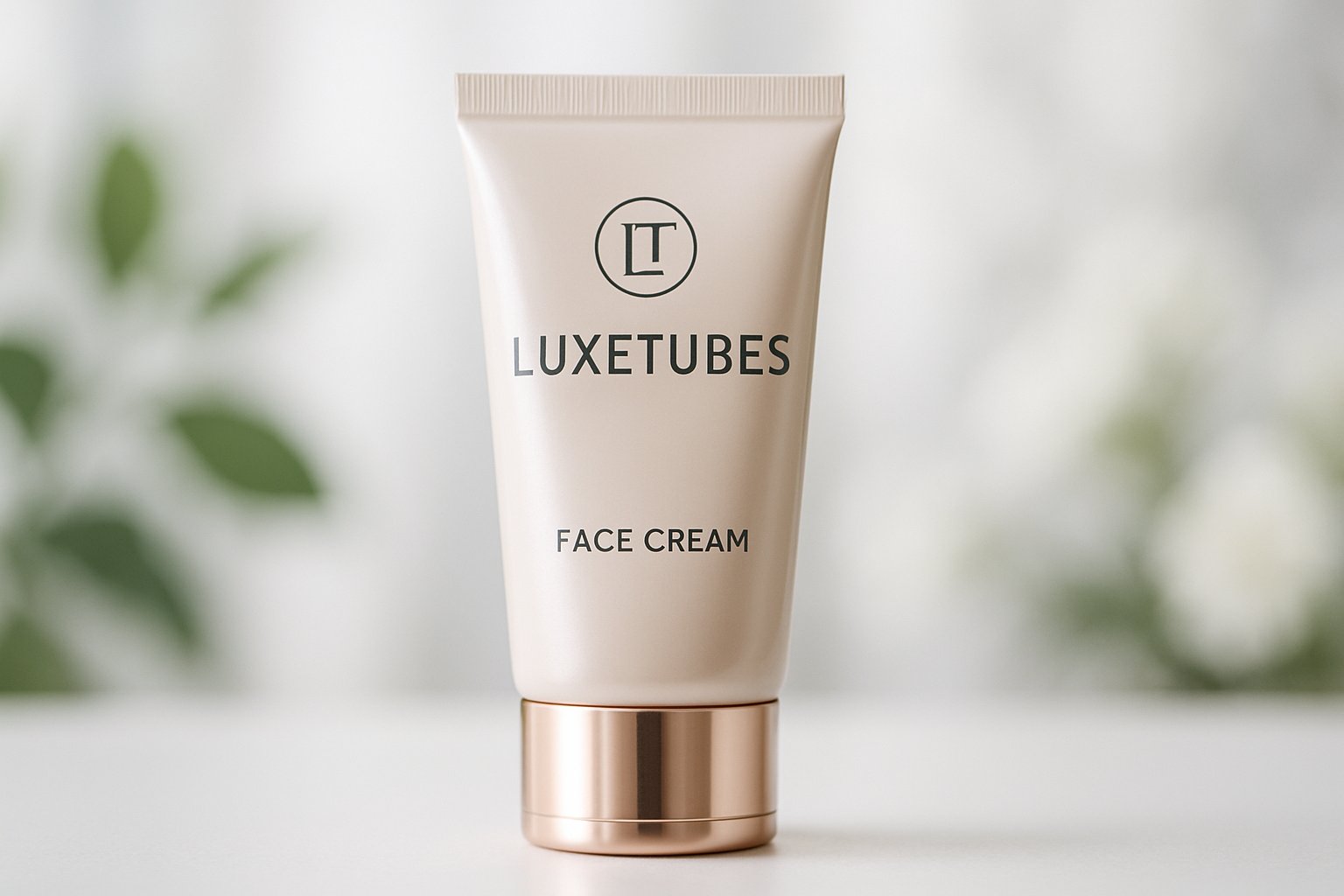
Laminate tubes give skincare products the protection they need, while also delivering a premium feel and cost savings that are tough for brands to ignore.
Product Protection and Preservation
Face creams are packed with delicate active ingredients—antioxidants, vitamins, natural extracts—that don’t play nice with air, light, or germs. Laminate tubes tackle this with their multi-layer barriers.
The aluminum or EVOH barrier layers in laminate tubes are like armor, blocking out oxygen and UV rays. That means your pricey retinol or vitamin C stays effective until the very end.
Unlike jars, where every dip of a finger exposes the whole product, squeeze tubes keep things sealed tight. Only what you use touches the outside world.
Key protection benefits:
- Blocks over 99% of oxygen transmission
- Stops UV light from degrading ingredients
- Keeps formulas stable
- Adds 6-12 months of shelf life compared to jars
This kind of protection matters most for anti-aging creams and treatments loaded with actives that lose their punch if they break down.
User Experience and Convenience
People want skincare that fits into their busy lives without fuss. Tubes make that happen.
Squeeze tubes are lightweight and travel-friendly, perfect for tossing in a bag. You can control the amount easily—no waste, no mess.
The hygienic design means you don’t have to dip your fingers in, which keeps bacteria out and your skin happier.
User convenience features:
- One-handed dispensing is a breeze
- No digging for product
- Stands up on the counter
- You can use up every last bit
- Easy to pack and store
Brands love tubes because they make daily skincare feel cleaner and simpler. For users, it’s just quick, clean, and done.
Cost Efficiency for Brands
Laminate tubes bring clear cost advantages for beauty companies, big or small. The global cosmetic tubes market was at $2.99 billion in 2024 and is heading toward $4.68 billion by 2034.
Manufacturing these tubes costs less than glass jars or fancy pumps. Plus, they’re lighter, which cuts down on shipping costs—a big deal for online brands.
With tubes, customers can squeeze out pretty much every drop, so they feel like they’re getting their money’s worth (and are more likely to buy again).
Cost benefits include:
- Cheaper materials than glass
- Lighter shipping loads
- Minimal leftover product (less than 2% stays behind)
- Fast filling for large orders
- Custom sizes from tiny 5ml to big 250ml
Since tubes work for everything from eye cream to body lotion, brands can streamline their packaging and save even more.
Types of Laminate Tubes for Face Cream
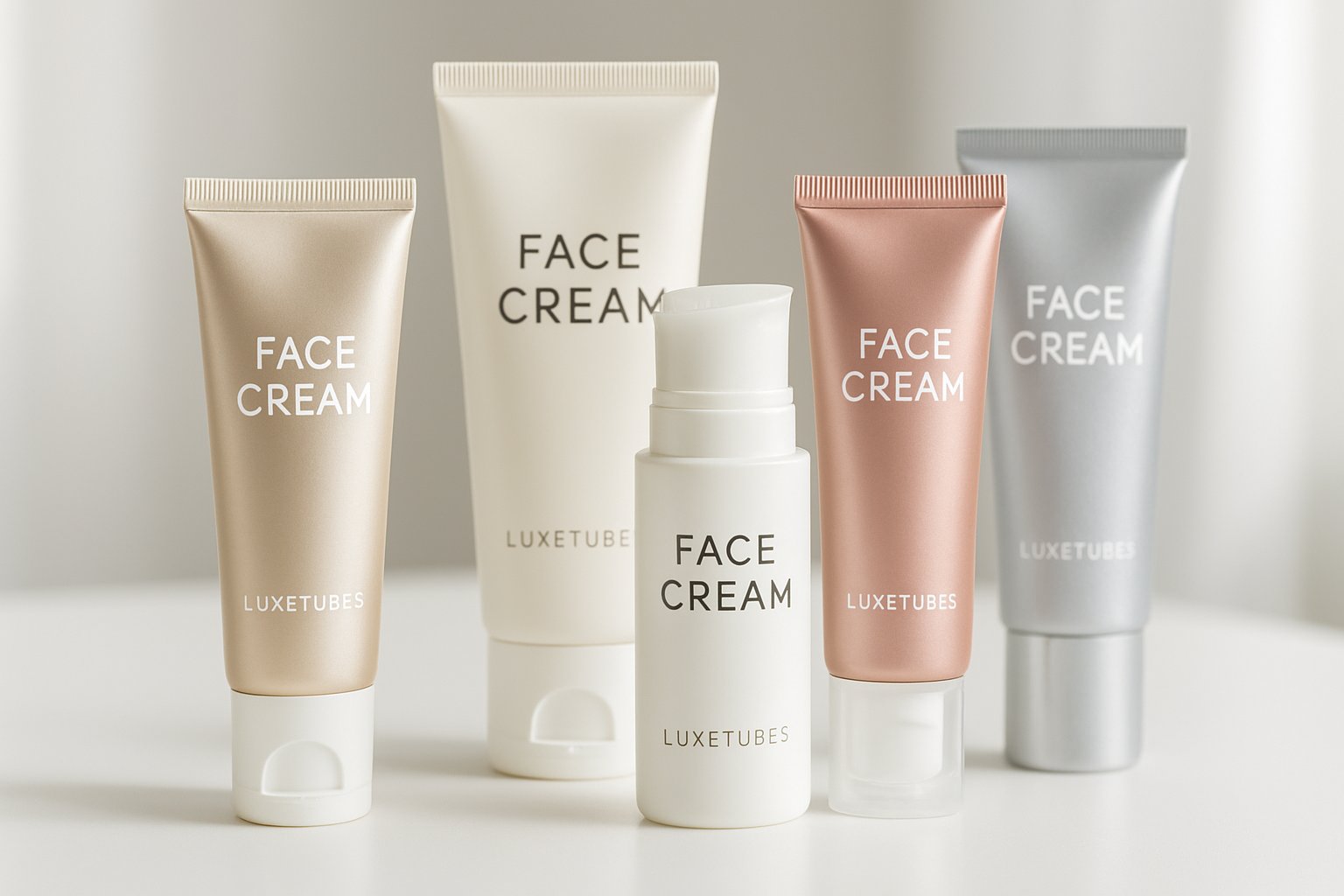
There are three main types of laminate tubes for face creams, each with its own mix of protection and looks. ABL tubes give the most protection, PBL tubes are better for sustainability, and oval aluminum laminated tubes combine a premium look with tough barriers.
Aluminum Barrier Laminate (ABL) Tubes
ABL tubes have a thin aluminum foil layer that’s basically a shield for your face cream. It blocks out oxygen, moisture, and light, making it a good pick for anti-aging creams and serums with sensitive actives.
This barrier keeps things like vitamin C and retinol stable for longer. High-end skincare brands often go with ABL tubes for pricier products because the extra protection is worth it.
Key benefits of ABL tubes:
- Total oxygen and moisture barrier
- Longer shelf life
- Clean, professional look
- Strong defense for actives
But ABL tubes aren’t perfect. The aluminum layer makes recycling trickier, and they don’t spring back to shape after squeezing, which can make them look a bit squished on the shelf.
Plastic Barrier Laminate (PBL) Tubes
PBL tubes swap the aluminum for plastic barriers like EVOH. They still offer good protection for most creams and are a bit kinder to the environment.
PBL tubes are lighter and more flexible than ABL ones. They bounce back after squeezing, so they stay looking neat. That flexibility tends to appeal to folks who like a tube that feels “alive” in their hands.
Advantages of PBL tubes include:
- Easier to recycle than aluminum tubes
- Lightweight and flexible
- Solid barrier for most formulas
- More affordable than ABL
PBL tubes are a solid choice for daily moisturizers and cleansing creams that don’t have super-sensitive actives. They hit that sweet spot between protection and sustainability.
Oval Aluminum Laminated Tubes
Oval aluminum laminated tubes mix a unique shape with strong aluminum barriers. The oval design gives brands more space for logos and info, plus it stands out on the shelf.
Luxury face cream brands love the oval look—it just feels more upscale. And honestly, the shape is more comfortable to hold and use.
Benefits of oval aluminum laminated tubes:
- Eye-catching, premium look
- Extra space for branding
- Feels good in hand
- Reliable aluminum barrier
With more room for logos and product details, brands can really highlight benefits like “anti-aging” or “hydrating” where shoppers will notice.
Customization and Decoration Options
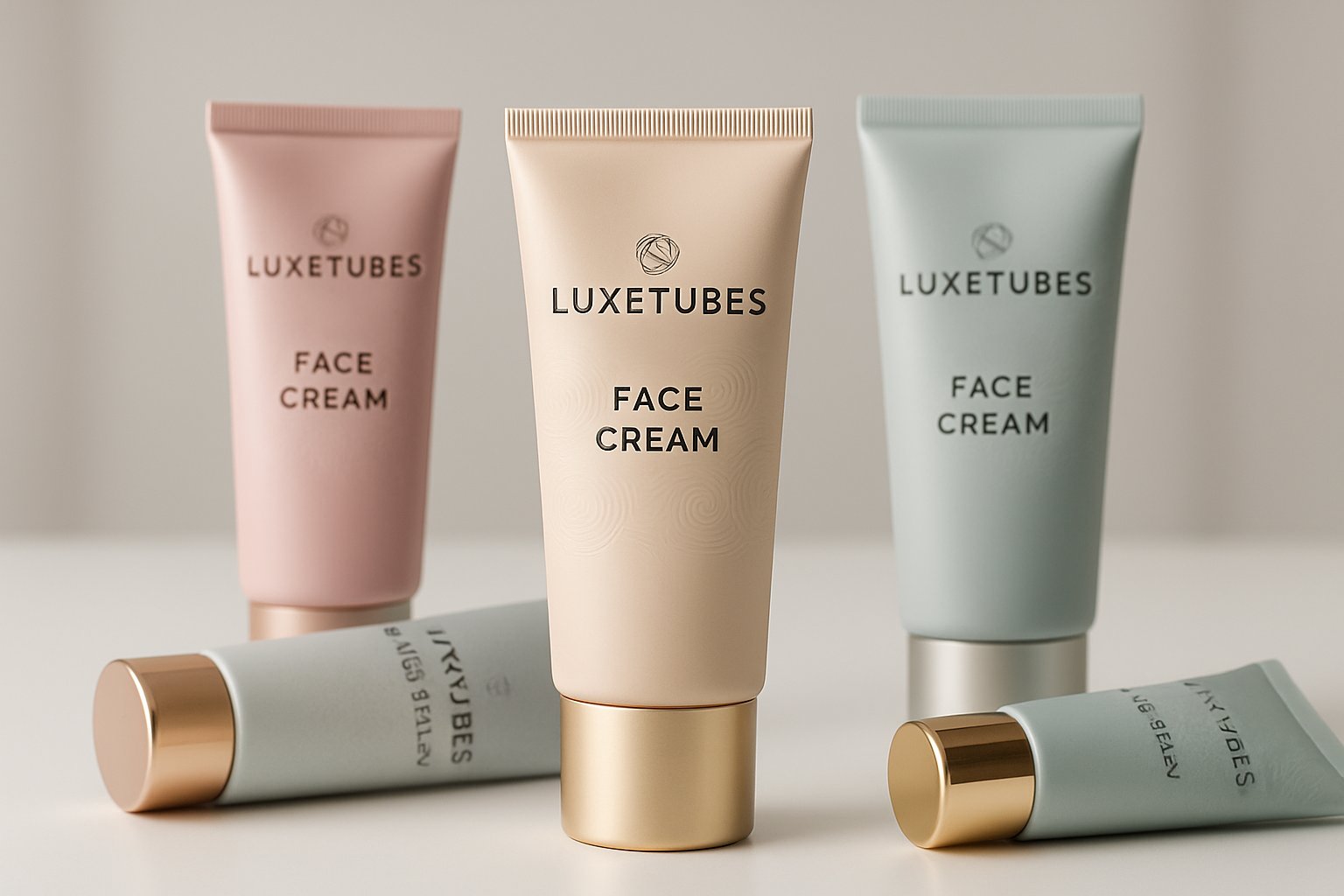
Laminate tubes for face cream open up a ton of ways for brands to get creative. From slick printing to luxury finishes and flexible sizing, brands can build a unique identity while keeping products safe.
Offset Printing and Branding
Offset printing really delivers when it comes to custom cosmetic packaging. You get sharp, vibrant colors that help tubes pop on the shelf.
Brands can go all out with detailed graphics, crisp logos, and tiny product info. The smooth tube surface takes ink beautifully, so designs look professional (and pretty impressive, honestly).
Multi-color printing capabilities include:
- Full CMYK color range
- Pantone color matching
- Metallic inks
- White ink for dark backgrounds
Complex patterns, gradients, and fine print all come out looking great. And with 360-degree printing, your branding can wrap right around the tube for max impact.
Innovative Cap and Applicator Designs
Caps aren’t just an afterthought—they affect both function and how the brand feels. Modern tubes come with caps that are as practical as they are on-brand.
Popular cap styles include:
- Flip-tops for easy, one-handed use
- Screw-ons for a tight seal
- Pump dispensers for controlled dosing
- Applicator tips for spot treatments
Special applicators like roller balls or massage tips can make the whole experience feel a bit more luxe. Some brands even go for custom-molded caps that match their look, with brand colors or little logos.
The cap material is often chosen to match the tube—anything from standard plastic to soft-touch coatings or even metal accents.
Luxury Finishes and Hot Stamping
Hot stamping gives tubes that high-end vibe. Metallic foils or pigments get pressed on with heat, adding flashes of gold, silver, or copper that just look expensive.
These finishes say “quality” and “luxury” to customers who want skincare that feels special.
Other luxury finishes include:
- Matte coatings for a soft, elegant feel
- Soft-touch surfaces for that premium grip
- Spot UV coating to highlight certain details
- Embossed textures for something you can feel
Matte works especially well for anti-aging or clinical creams—it gives off that professional, trustworthy vibe.
Mixing finishes can create some really cool effects, like matte backgrounds with hot-stamped lettering for contrast and readability.
And none of these fancy finishes mess with the tube’s protective barrier—the product inside stays just as safe.
Size and Shape Variations
Laminate tubes come in all sorts of sizes, letting brands tailor things to their own product lines. Travel-size tubes, for example, are great for samples or just tossing in a purse for convenience.
Diameters usually fall somewhere between 13mm and 50mm, with lengths ranging from 65mm up to 200mm. That means you’ll see everything from tiny eye cream tubes to big, family-sized moisturizers.
Common size categories:
- 15ml-30ml: Eye creams, serums, treatments
- 50ml-75ml: Daily face creams, primers
- 100ml-150ml: Body creams, family-size products
Oval and flat tubes are popping up more, too. They can give a brand a bit of an edge, visually, and honestly, they just feel nice in your hand.
Custom sizing isn’t just about looks—it can make a real difference for shelf space and shipping. Brands can dial in the exact dimensions they need for their own logistics.
There are even some manufacturers offering tubes in shapes like triangles or squares. Not everyone goes for those, but they definitely catch your eye in a crowded aisle.
Sustainability and Market Trends in Cosmetic Tube Packaging
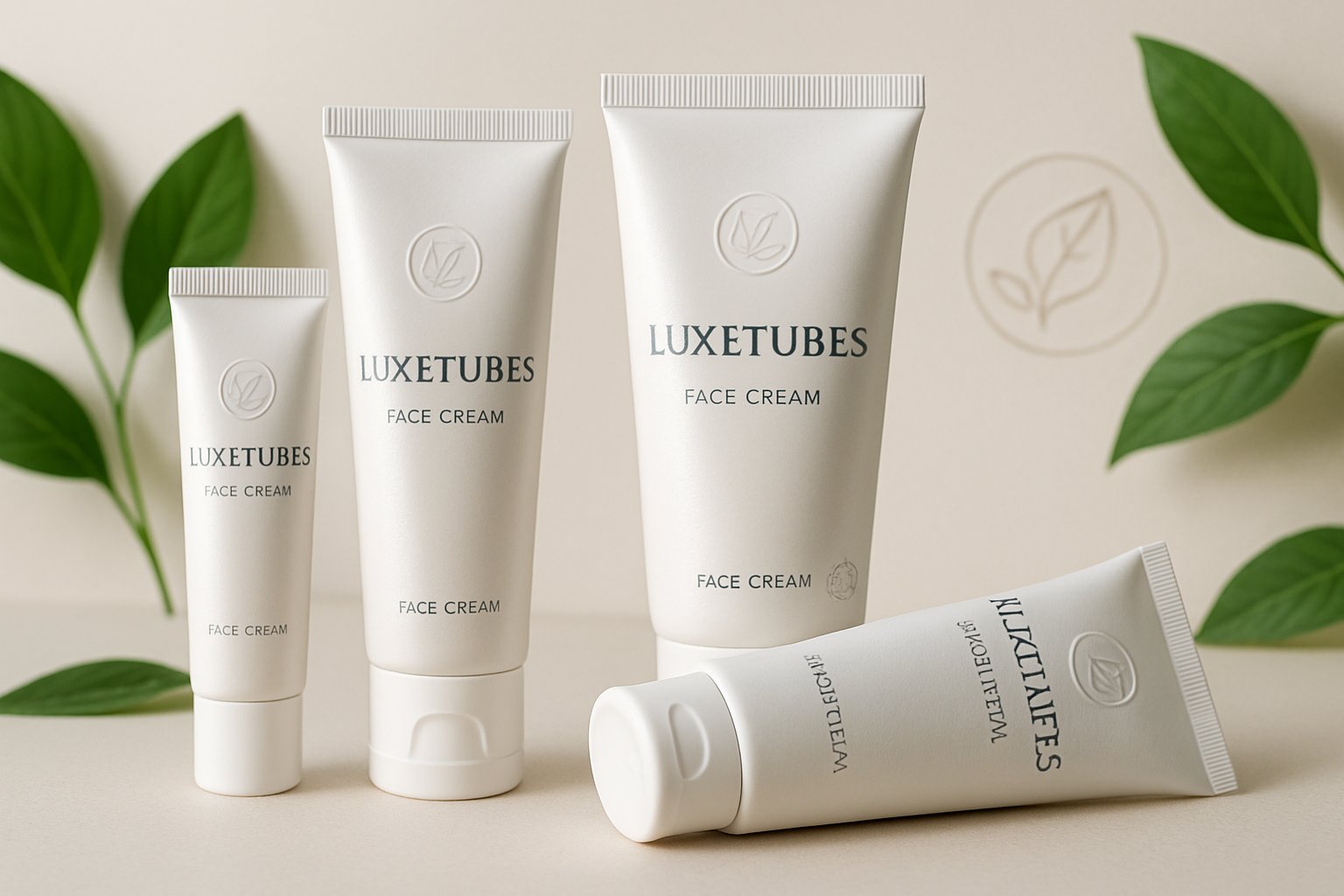
There’s a real push in the cosmetic tube world for more sustainable materials and greener practices. Biodegradable and recyclable face cream tubes are getting a lot of attention right now, and the market’s expected to hit $8.4 billion by 2035. That’s pretty wild.
Eco-Friendly and Biodegradable Solutions
More and more brands are switching to biodegradable skincare tubes—think post-consumer recycled (PCR) materials, bio-based resins, and monomaterial designs to make recycling less of a headache. If you’re curious, there are a bunch of eco-friendly options out there.
Key sustainable packaging innovations include:
- Tubes made with 50% less plastic than traditional options
- Full monomaterial laminated tubes optimized for mechanical recycling
- Bio-based aluminum-plastic hybrids for premium products
- Reclosable caps that extend product life
Plenty of companies are rolling out tubes with recycled content, which helps brands hit their sustainability targets and, let’s be honest, makes customers feel better about their purchases.
It’s not just a passing trend anymore—brands that ignore sustainable packaging are starting to look out of touch. People are actually checking for this stuff now.
Growing Market Demand and Latest Statistics
The numbers don’t lie: the cosmetic tube packaging market is growing fast. Analysts predict it’ll jump from $4.2 billion in 2025 to $8.4 billion by 2035, with a 7.2% CAGR.
Market highlights for cosmetic packaging include:
- Squeeze tubes dominate with 68% market share
- Plastic tubes lead material choices at 64% share
- Asia-Pacific holds the largest regional market share
- United States market valued at $1.2 billion with 6% CAGR
The laminated tube segment alone is expected to top $1.8 billion by 2030 with about 6% projected growth. Some of that’s down to premium cosmetics getting more popular in emerging markets, plus the ongoing boom in online beauty sales.
Travel-sized and portable tubes are having a moment, too. Lightweight, durable packaging just fits how people live now—always on the move, always looking for something easy to toss in a bag.
Case Studies and Success Stories
Several companies have pulled off some impressive wins with sustainable tube packaging. Lately, packaging firms have been teaming up to create ultra-lightweight tubes that use way less plastic than before.
Recent breakthrough developments:
- 2024 launch of fully recyclable monomaterial tubes for face creams
- Smart packaging integration with QR codes for consumer engagement
- Closed-loop recycling programs in major urban markets
Contract manufacturers are pouring resources into greener tube production. Private-label cosmetic brands seem to get a lot out of these cost-effective, sustainable options.
The skincare world, especially, is snapping up advanced laminated tubes. Face creams, serums, and moisturizers in these protective tubes keep their quality and tick the sustainability boxes at the same time.
Plenty of companies say eco-friendly tube packaging helps them stand out. More and more, consumers see sustainable packaging as part of the product itself—not just something to toss aside.
