
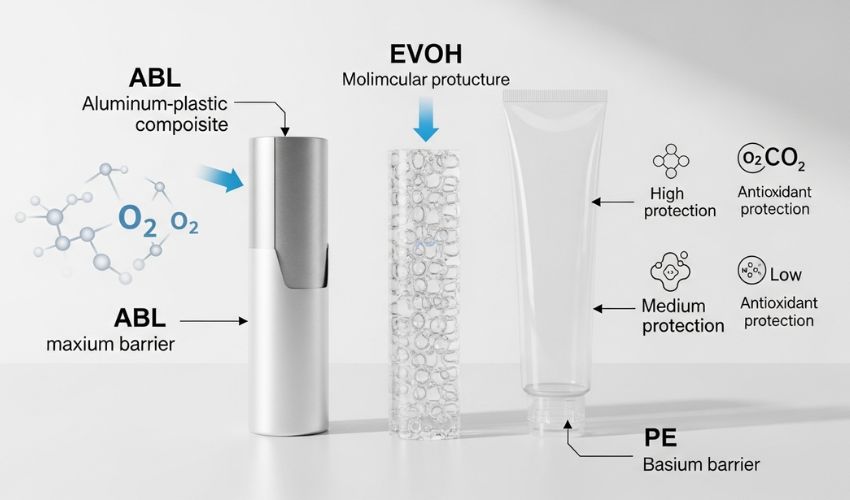
Why do so many anti-oxidant products lose their punch before you even open them? The main culprit is oxidation caused by exposure to air, light, and moisture. These elements break down sensitive ingredients, reducing effectiveness and shortening shelf life.
Here’s what’s really going on inside your product:
- Oxidation mechanisms: Oxygen molecules react with anti-oxidants, leading to their degradation. This chemical process not only weakens the product but can also change its color, smell, and texture.
- Light sensitivity: UV and visible light can accelerate oxidation, causing breakdown faster than air alone.
- Moisture impact: Water vapor penetrates packaging and encourages reactions that further degrade ingredients.
The real-world effects are clear—anti-oxidants like Vitamin C, retinol, and peptides lose potency quickly if not protected well. This can disappoint consumers and damage brand reputation.
Packaging plays a crucial role here. The key is barrier performance, which refers to how well the tube blocks oxygen, water vapor, and light. Transmission rates (OTR for oxygen and WVTR for moisture) determine how much of these elements cross through. The better the barrier, the longer your product stays stable and effective.
Anti-oxidant formulations with high risk include:
- Vitamin C serums that oxidize rapidly
- Retinol creams sensitive to light and air
- Botanical extracts prone to moisture damage
Choosing the right packaging barrier tube can make all the difference in keeping these powerful ingredients fresh and functional until the last drop.
Deep Dive Material Breakdown and Technical Specs
When it comes to anti-oxidant packaging, choosing the right tube material is key. Let’s break down the three main options: PE, ABL, and EVOH-based PBL tubes. Each has its own strengths and weaknesses depending on your formula and budget.
| Feature | PE Tubes | ABL Tubes | EVOH-Based PBL Tubes |
|---|---|---|---|
| Description | Budget-friendly polyethylene tubes, mostly for low-oxygen risk products | Aluminum laminate tubes with top-tier barrier protection | Plastic tubes with EVOH copolymer layer for oxygen barrier and sustainability |
| Structure | Single or multilayer extruded PE | Multiple layers including aluminum foil | Multilayer with EVOH as the oxygen barrier between plastics |
| Oxygen Barrier | Poor to moderate; higher OTR (Oxygen Transmission Rate) | Excellent; nearly impenetrable oxygen barrier | Very good; EVOH layer cuts oxygen well but less than aluminum |
| Moisture Barrier | Good moisture barrier | Excellent moisture barrier | Good moisture barrier |
| Cost | Low | High | Medium to high |
| Durability | Flexible but less resistant to damage | Rigid, tougher, less flexible | Flexible with good strength |
| Sustainability | Widely recyclable but less eco | Less recyclable due to aluminum foil | Easier to recycle than ABL; uses less aluminum |
| Common Uses | Low-risk anti-oxidants, creams | Sensitive serums and high-end products | Mid-to-high-end products with focus on eco and barrier |
PE Tubes The Budget Baseline for Low-Risk Formulas
PE tubes are your go-to when you want low-cost packaging for formulas that aren’t super sensitive to oxygen or moisture. They offer decent moisture protection but fall short against air exposure. Great for creams or lotions where oxidation isn’t a major concern.
ABL Tubes The Gold Standard for Impenetrable Protection
Aluminum laminate tubes excel at blocking oxygen and moisture completely, making them ideal for potent anti-oxidants like vitamin C serums. They’re a bit stiff and costly, but they provide unmatched barrier performance, which is why many premium brands trust them.
EVOH-Based PBL Tubes The Sustainable Innovator for Oxygen-Focused Defense
EVOH tubes strike a balance — they add a powerful oxygen barrier layer while retaining plastic’s flexibility and lighter weight. Plus, they cut down on aluminum use, which helps with recyclability and sustainability goals. Perfect for brands wanting strong protection with an eco-friendly edge.
In brief, PE is budget-friendly but limited on barrier, ABL is top-tier with higher cost and less recyclability, and EVOH offers strong oxygen defense with better sustainability. Your formula’s sensitivity and brand priorities will guide the choice.
Head-to-Head Comparison EVOH vs ABL vs PE for Anti-Oxidant Applications
When it comes to protecting anti-oxidant products, choosing the right tube means balancing several key factors. Here’s a clear look at how EVOH, ABL, and PE tubes stack up across five important pillars:
| Pillar | EVOH Tubes | ABL Tubes | PE Tubes |
|---|---|---|---|
| Barrier Performance | Excellent oxygen barrier, low OTR | Industry gold standard, near zero OTR | Moderate barrier, higher OTR |
| Cost | Mid to high, more affordable than ABL | Highest cost due to aluminum layers | Most budget-friendly |
| Sustainability | High, recyclable with less aluminum | Lower, aluminum complicates recycling | Good, widely recyclable |
| Aesthetics | Smooth finish, customizable printing | Premium metallic look, luxury appeal | Basic finish, limited design options |
| Durability | Strong but sensitive to moisture | Very durable, puncture resistant | Flexible but lower puncture resistance |
Scenario-Based Recommendations
- For high-value anti-oxidant serums needing top protection: Choose ABL tubes for unbeatable oxygen control and premium look.
- For sustainability-minded brands with moderate risk: EVOH tubes offer a great balance of barrier and recyclability.
- For low-risk, cost-sensitive products: PE tubes serve well where oxidation is less aggressive or shelf-life shorter.
Quantitative Metrics to Consider
- Oxygen Transmission Rate (OTR): ABL < EVOH < PE
- Water Vapor Transmission Rate (WVTR): ABL < EVOH < PE
- Price Index (relative): ABL > EVOH > PE
- Recyclability Rating: EVOH ≈ PE > ABL
This ranking helps US brands pick the best oxygen barrier tubes that fit their product needs, budget, and sustainability goals. For more on choosing packaging that fits your formula, check out how to choose laminate tubes for personal care.
Expert Ranking Top Barrier Tubes for Anti-Oxidant Product Stability
When it comes to protecting anti-oxidant products, not all barrier tubes are created equal. Here’s our expert ranking based on key criteria like oxygen transmission rate (OTR), moisture protection, durability, cost, and sustainability.
1. ABL Tubes (Aluminum Laminate Tubes)
- Barrier Strength: Industry-leading oxygen and moisture barrier. Near-impermeable to air and light.
- Durability: Excellent protection for sensitive anti-oxidants prone to rapid oxidation.
- Cost: Higher price point but offers the best long-term stability.
- Use Case: Ideal for high-value serums and potent antioxidant formulas requiring maximum shelf-life.
2. EVOH-Based PBL Tubes
- Barrier Strength: Outstanding oxygen barrier, especially strong against air and moisture.
- Durability: Good mechanical strength with added sustainability benefits.
- Cost: Moderate investment — more affordable than ABL but better than PE.
- Use Case: Perfect for brands focused on eco-conscious packaging without compromising anti-oxidant protection.
3. PE Tubes (Polyethylene Tubes)
- Barrier Strength: Basic oxygen and moisture barrier, suitable for low-risk formulas.
- Durability: Less resistant to oxidation effects, especially over long periods.
- Cost: Budget-friendly and widely accessible.
- Use Case: Best for stable antioxidants or formulations with lower sensitivity to oxidation.
Pro Tips on Hybrid Barrier Options
- Combining EVOH layers within PE tubes offers a balanced solution, enhancing oxygen barrier while maintaining cost efficiency.
- Some brands use an inner EVOH layer with an outer ABL laminate for ultra-premium products needing exceptional barrier and aesthetics.
- Exploring these hybrid combinations can optimize performance without overspending.
For brands looking to deep dive into ABL tube technology or explore sustainable packaging solutions, considering barrier needs against budget and product type will guide the smartest choice in 2025.
Sustainability and Regulatory Angles Choosing Eco-Friendly Barriers in 2025
As we move into 2025, sustainability is a top priority in packaging, especially for anti-oxidant products where barrier performance is crucial. Brands in the U.S. are under growing pressure from consumers and regulators to use eco-friendly solutions that also protect product integrity.
Trends Shaping Packaging Choices
- Recyclability mandates are increasing nationwide, pushing manufacturers toward materials that fit existing recycling streams.
- The circular economy approach encourages designing tubes that can be reused or efficiently recycled without losing barrier quality.
- Consumers want sustainable skincare tubes that reduce environmental impact while maintaining protection against oxygen and moisture.
Trade-Offs Between Barrier Types
- PE Tubes offer the best recyclability and low environmental impact but have weaker oxygen barriers, which can risk anti-oxidant stability.
- ABL Tubes (Aluminum laminate tubes) provide top-notch oxygen and moisture barriers but are harder to recycle due to mixed materials.
- EVOH-Based PBL Tubes strike a balance with strong oxygen defense and better recyclability than aluminum laminates, making them a growing favorite for sustainable cosmetic packaging.
Regulatory Compliance Notes
- Staying ahead means choosing tubes that meet or exceed U.S. packaging regulations and evolving waste management laws.
- Brands should also consider OTR (oxygen transmission rate) and WVTR (water vapor transmission rate) data to ensure packaging complies with both shelf-life and environmental goals.
The key is understanding the trade-offs between barrier performance, sustainability, and regulatory demands. For anti-oxidant product lines, investing in newer eco-conscious barrier technologies like EVOH can future-proof your brand while meeting consumer expectations and legal standards.
Luxetube Solutions Custom Barrier Tubes Tailored for Your Anti-Oxidant Line
When it comes to protecting your anti-oxidant products, Luxetube offers custom barrier tubes designed to match your exact needs. Whether you need high oxygen resistance, moisture control, or a sustainable option, Luxetube’s portfolio covers EVOH tubes, ABL tubes, and PE tubes — all optimized for anti-oxidation packaging.
What Luxetube Brings to the Table
- Custom Barrier Options: Choose from oxygen barrier tubes like EVOH-based PBL tubes for eco-friendly defense, or aluminum laminate tubes (ABL) for top-tier product protection.
- Tailored Solutions: Formulations and anti-oxidant product lines differ. Luxetube works closely with brands to match tube materials to product sensitivity and shelf-life goals.
- Case Studies: From natural serums to antioxidant-rich skincare, many brands have boosted product stability and shelf life by switching to tailored barrier tubes.
- End-to-End Support: From initial design through production, Luxetube simplifies packaging decisions, saving time while ensuring maximum product preservation.
For a deeper dive into packaging options and how to pick the right tube for your cosmetic line, check out Luxetube’s resources on Choose Cosmetic Tube Materials and explore their comprehensive packaging expertise.
Ready to safeguard your anti-oxidant products? Contact Luxetube for a custom packaging quote and start extending your product’s shelf-life today.
