
Choosing the right materials for skincare tubes is crucial for maintaining product integrity and meeting consumer expectations. Most skincare tubes are made from plastic, aluminum, or laminate materials, each offering different benefits for product protection and usability.
The best materials for skincare tubes depend on your specific product formulation, with plastic squeeze tubes being popular for their flexibility, laminated tubes providing excellent barrier protection, and aluminum tubes offering superior preservation properties for sensitive formulations.

When selecting a tube material, cosmetic brands must consider factors beyond just functionality. Plastic squeeze tubes remain a popular choice for many skincare products due to their cost-effectiveness and versatility, while aluminum-plastic and all-aluminum tubes provide enhanced protection against oxidation and contamination. For brands focusing on sustainability, newer options like paper-plastic hybrid tubes are gaining traction in the market.
The right packaging choice can significantly impact both product performance and consumer perception. Tubes with specialized closures like droppers, pumps, or airless systems offer precise dispensing for serums and lightweight moisturizers, while traditional collapsible tubes work well for thicker creams and cleansers. Have you considered how your packaging choice affects not just preservation but also the overall user experience?
Understanding Skincare Packaging Materials

Selecting the right packaging material for skincare products is crucial for maintaining product integrity and meeting consumer expectations. The beauty industry relies on several key materials that offer different benefits for product protection, user experience, and sustainability concerns.
Plastic Tubes in the Beauty Industry
Plastic tubes have become a staple in cosmetic packaging due to their versatility and cost-effectiveness. Polyethylene Terephthalate (PET) is particularly favored for skincare products because of its excellent barrier properties and clarity.
What makes plastic tubes so popular among brands and consumers? Their lightweight nature reduces shipping costs while their squeezability makes product dispensing easy and controlled.
Polypropylene (PP) stands out as the preferred material for specific products like lip balm tubes due to its exceptional flexibility and durability. This material maintains its integrity even when exposed to various skincare formulations.
For brands concerned with environmental impact, recycled plastics and bioplastics offer more sustainable options without compromising on functionality. Many manufacturers now incorporate post-consumer recycled (PCR) content into their plastic tube packaging.
Key benefits of plastic tubes:
- Lightweight and shatter-resistant
- Excellent squeezability for precise dispensing
- Compatible with a wide range of formulations
- Available in various transparency levels
- Cost-effective for mass production
Aluminum Tubes for Product Protection
Aluminum tubes provide superior protection for sensitive skincare formulations. These metal tubes create an impenetrable barrier against light, air, and bacteria—elements that can degrade active ingredients.
Have you noticed how professional-grade skincare often comes in aluminum packaging? This isn’t coincidental. Aluminum’s premium look and feel elevates brand perception while delivering exceptional product preservation.
The material is particularly suited for products with high acid content, such as treatments containing fruit extracts or vitamin C serums. Its non-reactive nature prevents formula degradation and extends shelf life significantly.
While heavier than plastic alternatives, aluminum tubes are fully recyclable and can be repurposed indefinitely without quality loss. This circular capability makes them increasingly attractive as sustainability concerns grow in the beauty industry.
Aluminum tube advantages:
- Complete barrier protection from oxygen and UV light
- Premium aesthetic appeal
- Extended product shelf life
- 100% recyclable material
- Excellent for products with vulnerable active ingredients
Laminate and Flexible Tube Options
Laminate tubes combine the best qualities of different materials by layering them together. These flexible tubes typically consist of several layers, each serving a specific protective function.
What makes laminates unique? Their multi-layer construction can include aluminum foil sandwiched between plastic layers, providing exceptional barrier properties while maintaining flexibility. This construction is ideal for products requiring both protection and ease of use.
The beauty industry has embraced laminate options for their versatility in design and decoration. High-quality printing capabilities allow for detailed graphics and metallic finishes that stand out on store shelves.
Advancements in laminate technology have addressed previous recycling challenges. Newer mono-material laminates are designed specifically for recyclability while maintaining protective benefits.
Popular laminate configurations include:
- Plastic/aluminum/plastic (PAP) – Maximum barrier protection
- Plastic/plastic/plastic (PPP) – Good barrier with enhanced recyclability
- Paper/plastic combinations – Eco-friendly options with reduced plastic content
These combinations allow brands to balance product protection requirements with sustainability goals and aesthetic preferences.
Criteria for Choosing Skincare Tube Materials

Selecting the right material for skincare tubes involves balancing protection, functionality, and brand presentation to ensure product integrity from manufacturing to consumer use.
Barrier Properties and Preservation
When evaluating materials for skincare tubes, barrier properties are crucial for protecting formula integrity. Different products require varying levels of protection:
- Polyethylene (PE) offers good moisture barriers but limited oxygen protection
- EVOH (Ethylene Vinyl Alcohol) layers provide excellent oxygen barrier properties, critical for preserving antioxidants and vitamins in formulations
- Aluminum-plastic laminates deliver superior protection against light, oxygen, and moisture for sensitive ingredients
For products like ointments and essences containing active ingredients, choosing tubes with appropriate barrier properties prevents oxidation and contamination. Single-layer tubes may suffice for simple formulations, while multi-layer constructions with EVOH are better for sophisticated serums.
What level of preservation does your formula need? Water-based products generally require stronger barriers than oil-based ones.
User-Friendly Features
The functionality of your tube directly impacts customer satisfaction and continued use of your product.
Squeeze performance varies significantly between materials:
- Polypropylene tubes offer excellent rebound capacity
- Laminate tubes provide controlled dispensing
- Aluminum tubes maintain their shape after squeezing
For viscous products like ointments, stiffer materials may make dispensing challenging for users with limited hand strength. Consider how your customers will interact with the packaging daily.
Tube opening designs also matter – flip-top caps work well for frequent-use products, while screw caps provide better security for travel items.
Have you thought about how your customers will store the product? Some materials stand upright easily while others require special cap designs to remain stable on bathroom shelves.
Aesthetics and Branding Considerations
Your tube material significantly influences visual appeal and brand perception at the point of sale.
Decoration capabilities differ between materials:
- Plastic tubes accept a wide range of printing methods including offset printing
- Aluminum tubes offer metallic finishes that convey premium quality
- Sustainable paper-plastic hybrid tubes project eco-conscious branding
The finish of your tube—whether glossy, matte, or metallized—helps communicate your product’s positioning. Premium skincare brands often select materials that support sophisticated decoration techniques like hot stamping or specialty coatings.
Customized shapes and special features such as airless mechanisms can further differentiate your product. When developing your cosmetic packaging strategy, consider how material choice reinforces your brand story and product benefits.
Does your target audience value sustainability? If so, recyclable materials with clear disposal instructions might influence their purchasing decision.
Impact of Materials on Skincare Formulations

The material of your skincare tube directly affects the quality and efficacy of the formula inside. Different packaging materials interact with skincare ingredients in unique ways, potentially altering stability, potency, and shelf life.
Compatibility with Creams and Essences
Choosing the right tube material for your specific skincare formula is crucial. Aluminum tubes provide excellent protection for sensitive formulations like eye creams and BB creams because they create a complete barrier against light, air, and contaminants.
Have you noticed how quickly some of your products lose effectiveness? This is often due to poor material selection!
For water-based products like essences, plastic tubes made from polyethylene work well as they resist moisture and won’t react with the formula. However, oil-based creams might require different materials.
Material-Formula Compatibility Guide:
- Aluminum tubes: Ideal for acid-based formulas and light-sensitive ingredients
- PE plastic tubes: Great for water-based formulas and essences
- Laminate tubes: Versatile for most skincare types, including hybrid formulas
Many luxury brands prefer aluminum jars for preserving the integrity of premium formulations, especially those with unstable active ingredients.
Preserving Active Ingredients in Skincare
The material choice significantly impacts how well active ingredients maintain their potency. Products containing fruit extracts or high acid content benefit from acid-resistant materials like aluminum.
What happens when active ingredients break down? Your expensive serum becomes nothing more than fancy moisturizer!
For thick ointments with sensitive ingredients, specialized cosmetic packaging like laminated tubes can provide multiple protective barriers. These tubes combine different materials to create optimal protection against moisture, light, and air.
Vitamin C, retinol, and other unstable actives require packaging that:
- Blocks UV light completely
- Prevents air exposure
- Maintains formula pH balance
- Avoids material-ingredient reactions
Polypropylene plastic tubes are excellent for flexible products like lip balms and eye creams, as they maintain their shape while protecting delicate formulations.
Innovation in Skincare Tube Packaging

The skincare tube industry is experiencing remarkable advancements that combine functionality with environmental responsibility. Brands and manufacturers are developing cutting-edge solutions that not only protect formula integrity but also address consumer demand for more sustainable options.
Sustainable and Eco-Friendly Advances
Have you wondered what’s replacing traditional plastic tubes in your skincare products? Many manufacturers are now offering tubes made from recycled plastic (PCR) that significantly reduce virgin plastic usage. These innovative options maintain product integrity while lessening environmental impact.
Several suppliers have developed biodegradable alternatives that break down more efficiently than conventional materials. For example, some pioneering brands use tubes derived from sugarcane byproducts that offer similar performance to traditional plastic but with a smaller carbon footprint.
Aluminum tubes are making a strong comeback due to their 100% recyclability. Unlike some complex plastic composites, aluminum can be recycled infinitely without losing quality, making it an increasingly popular choice for eco-conscious brands.
Innovations in barrier technology allow manufacturers to use thinner materials without compromising product protection. EVOH (ethylene vinyl alcohol) layers provide excellent oxygen barriers while using less overall material.
Technological Advancements in Packaging
Smart dispensing systems are revolutionizing how we interact with skincare products. HCP’s Affinity Airless tubes exemplify this trend, offering precise dosage control for products ranging from low to high viscosity.
How are manufacturers ensuring product freshness? Advanced airless technology prevents product contamination and oxidation by creating vacuum-sealed environments. This innovation extends shelf life and reduces the need for preservatives in formulations.
Printing technologies have evolved significantly, with offset printing allowing for more detailed graphics and information on tube surfaces. This enables brands to communicate benefits and ingredients more effectively to consumers.
Removable applicators represent another exciting development. Some tubes now feature detachable ceramic, metal, or plastic applicators that can be reused with refill tubes, reducing waste while enhancing the application experience.
Working with Manufacturers and Suppliers

Finding reliable packaging partners is essential for ensuring your skincare products reach customers in high-quality tubes. The relationship with your manufacturer can impact everything from product protection to brand presentation.
Selecting the Right Packaging Partners
When choosing manufacturers for your skincare tubes, start by evaluating their expertise with your preferred materials. Some suppliers specialize in flexible tubes like PE tubes, while others excel in metal or aluminum options.
Look for manufacturers with:
- Industry certifications (ISO, GMP, FDA compliance)
- Minimum order quantities that match your needs
- Strong quality control processes
- Experience in cosmetic packaging specifically
- Reliable delivery timelines
Request samples before committing to large orders. This allows you to test durability, compatibility with your formulation, and overall quality.
Many businesses prefer working with USA-based suppliers to ensure easier communication and faster shipping times, though international options may offer cost advantages.
Customization and Branding Services
Most reputable tube manufacturers offer extensive customization options for your cosmetic packaging. These services help your products stand out on crowded shelves.
Popular customization features include:
- Custom colors and finishes (matte, glossy, metallic)
- Various decoration methods (screen printing, hot stamping, offset printing)
- Special effects (embossing, debossing, foiling)
- Different cap styles and applicator options
When discussing branding with suppliers, request a design guide that outlines technical specifications. This ensures your artwork transfers correctly to the tubes.
Many manufacturers now offer digital proofs or physical mockups before full production. This step helps prevent costly mistakes and ensures your brand vision translates perfectly to the final product.
Ordering and Inventory Management
Establishing a smart ordering system with your tube supplier prevents both stockouts and excess inventory. Most wholesale suppliers offer tiered pricing, with significant discounts at higher volumes.
Consider these ordering strategies:
- Start with smaller test orders before scaling up
- Negotiate favorable payment terms (Net 30/60/90)
- Develop contingency plans for supply chain disruptions
- Establish reorder points based on lead times
Many tube manufacturers provide inventory management services like just-in-time delivery or warehousing options. These services can reduce your storage costs and minimize capital tied up in packaging.
For seasonal products, work with suppliers who can accommodate fluctuating order volumes. The best partners understand your business cycles and help plan production schedules accordingly.
Regulations and Standards in Skincare Packaging
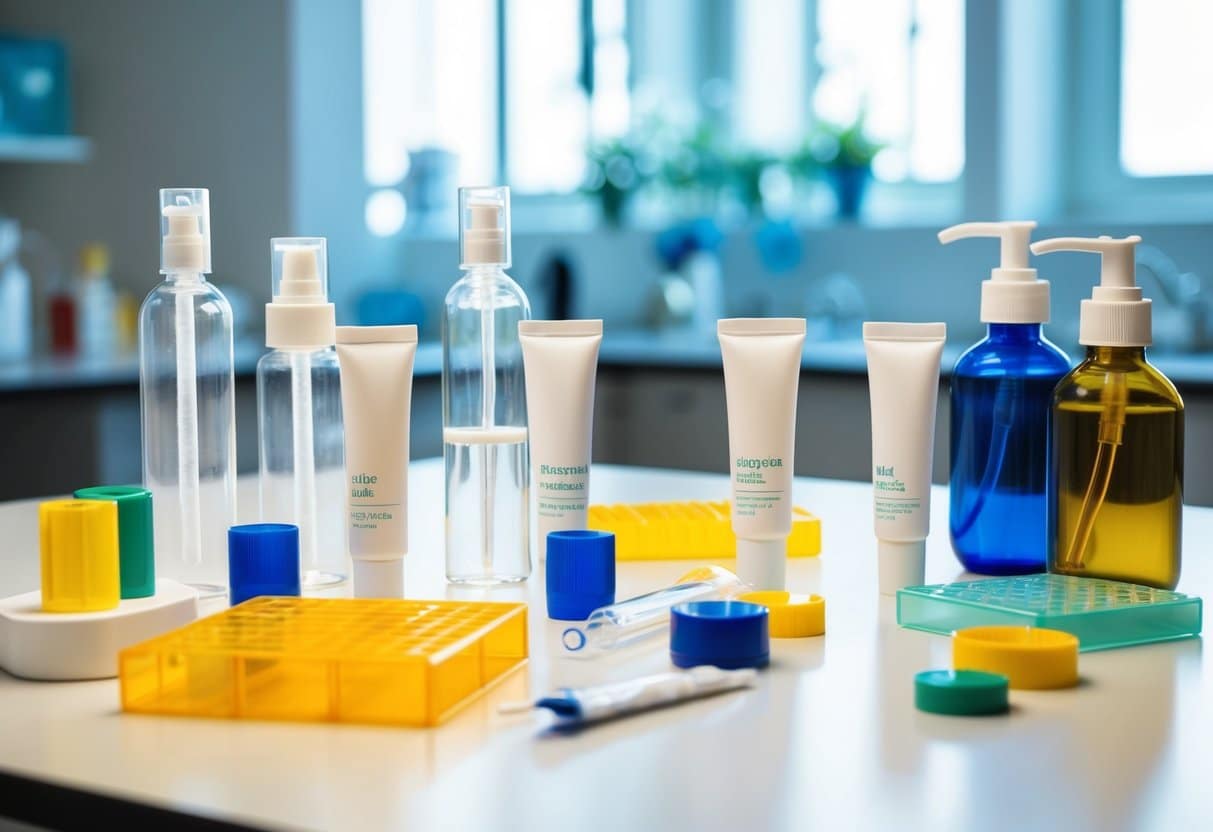
Navigating the regulatory landscape is crucial when selecting materials for skincare tubes. Companies must adhere to strict guidelines that ensure both consumer safety and product integrity throughout the supply chain.
Compliance with Beauty Industry Standards
The beauty industry follows comprehensive guidelines specifically tailored to cosmetic packaging. When selecting materials for skincare tubes, you’ll need to consider packaging and labeling standards that protect both the product and consumer.
Materials used in skincare tubes must be:
- Chemically inert to prevent reactions with the product
- Stable under various conditions (temperature, light, humidity)
- Free from harmful substances like heavy metals and BPA
Industry experts recommend conducting compatibility testing between the packaging material and the product formulation. This ensures no leaching or degradation occurs over the product’s shelf life.
Many brands now seek third-party certifications that verify sustainable and safe packaging practices. These certifications can become a valuable marketing advantage in today’s eco-conscious market.
USA Specific Regulations
In the United States, the FDA oversees cosmetic packaging regulations with particular attention to materials that contact the product directly. Tube manufacturers must ensure their packaging meets all regulatory standards, especially for products classified as over-the-counter (OTC) medicines.
Key USA requirements include:
- FDA compliance for food-grade materials in direct contact with the product
- Proper labeling with ingredient lists, warnings, and usage instructions
- Tamper-evident features for consumer protection
Has your tube supplier provided documentation confirming regulatory compliance? This paperwork is essential for audit purposes and market approval.
Many brands are surprised to learn that certain materials commonly used in cosmetic tubes face increasing scrutiny from regulators. For example, some plasticizers and additives are being phased out due to safety concerns.
Final Thoughts on Skincare Tube Selection

Choosing the right tube material for your skincare products requires careful consideration of both practical requirements and consumer expectations. The decision impacts everything from product protection to brand perception in today’s competitive beauty market.
Balancing Quality with Cost Efficiency
When selecting tubes for your skincare products, finding the sweet spot between quality and cost is essential. HDPE tubes offer excellent durability and chemical resistance, making them ideal for products like facial cleansers and moisturizers that need stable containment.
For premium skincare lines, consider these cost-versus-quality factors:
- Product compatibility: Some moisturizers require specific barrier properties that only certain materials can provide
- Production volume: Larger orders often reduce per-unit costs
- Consumer expectations: Luxury products warrant higher-end packaging
Budget-conscious brands can opt for PE tubes, which provide good functionality at a lower price point. These tubes still maintain product integrity while keeping manufacturing costs manageable.
Remember that investing in better quality tubes may reduce product waste and returns in the long run. A tube that properly protects your formula can extend shelf life and enhance customer satisfaction despite the higher initial investment.
Future Trends in Skincare Packaging
The future of skincare tube packaging is increasingly focused on sustainability and innovation. Eco-friendly alternatives like biodegradable plastics and PCR (post-consumer recycled) materials are gaining significant traction as consumers demand more environmentally responsible options.
Smart packaging is another emerging trend worth watching. Tubes with QR codes or NFC technology allow brands to share product information, authentication details, and usage instructions directly with consumers.
Upcoming innovations in tube materials include:
- Mono-material tubes made entirely of PE or PP for easier recycling
- Plant-based bioplastics derived from renewable resources
- Paper-plastic hybrid tubes with reduced plastic content
Brands that embrace these sustainable packaging solutions can appeal to eco-conscious consumers while potentially qualifying for green certifications. This commitment to sustainability can become a powerful differentiator in the competitive skincare market.
