
When you think about skincare and beauty products, the packaging can matter just as much as what’s inside. Tubes have become a go-to because they’re easy to use, protect formulas, and let brands get creative with their look.
The main types of cosmetic tubes include squeeze tubes, airless tubes, laminated tubes, aluminum tubes, and sustainable options like PCR and sugarcane-based plastics.

Each type serves a different purpose. Squeeze tubes are great for everyday creams and lotions, while airless tubes keep delicate serums safe from air exposure.
Laminated and aluminum tubes create strong barriers against light, moisture, and oxygen, making them perfect for products that need a little extra protection. Meanwhile, eco-friendly tubes are starting to get noticed as more brands look for sustainable solutions.
How materials, shapes, and designs come together can impact both product safety and the way a brand connects with people. Barrier properties, cap styles, and printing methods all play a part in finding the right tube for function and style.
Overview of Cosmetic Tubes

Cosmetic tubes are a practical, versatile way to package beauty products. They keep sensitive formulas protected, make products easy to dispense, and give brands a canvas for design and identity through different shapes, finishes, and printing.
What Are Cosmetic Tubes?
Cosmetic tubes are those familiar cylindrical containers for creams, gels, lotions, and other personal care products. The classic squeeze tube is usually made from plastics like polyethylene (PE) or polypropylene (PP).
These tubes are flexible, light, and affordable, which makes them ideal for daily skincare and haircare products. You’ll also spot airless tubes with a vacuum pump system that keeps product away from air—great for ingredients like vitamin C or retinol.
Aluminum tubes offer total protection against light and oxygen, and they’re recyclable. Laminated tubes (ABL and PBL) use layers of plastic and sometimes aluminum for a strong barrier, often showing up in toothpaste and medicated creams.
For brands leaning into sustainability, PCR plastics and sugarcane-based tubes are popping up more and more.
Key Roles in Cosmetic Packaging
Cosmetic tubes are more than just containers. Materials, shapes, and closures affect product safety, shelf life, and how enjoyable it is to use the product.
Aluminum tubes block out oxygen, while laminated tubes keep things fresh in humid bathrooms. From a branding angle, tubes invite customization—round, oval, or custom shapes help products stand out.
Caps have their own influence—flip-top caps are handy for daily lotions, and pump dispensers offer more control for premium serums. Decoration matters too. Printing methods like silk screen, offset, digital, and hot stamping give us matte, glossy, or metallic finishes that can signal quality or grab attention.
Popular Applications
Cosmetic tubes show up everywhere. In skincare, they’re used for moisturizers, serums, and cleansers, often with airless or aluminum designs for sensitive stuff.
Haircare and body care products—think shampoos and lotions—usually use bigger plastic squeeze tubes with flip-top caps for ease. For oral care, toothpaste nearly always comes in laminated or aluminum tubes for hygiene.
When it comes to color cosmetics, tubes can get pretty creative—oval tubes for BB creams or slanted tips for lip gloss, for example. And then there are miniature tubes (5–15 ml) for samples or targeted treatments like eye creams, which are perfect for travel or trying out new products.
Materials Used in Cosmetic Tubes

The choice of material in cosmetic packaging has a real impact on durability, safety, sustainability, and even how a brand is perceived. There’s a mix of plastics, aluminum, paper, and glass out there, each serving a slightly different role depending on the product.
Plastic Tubes: PE, PP, and More
Plastic tubes are still the most common. Polyethylene (PE) and polypropylene (PP) are flexible, light, and affordable, which is why they’re everywhere for creams, gels, and lotions.
There are two main types you’ll see:
- LDPE (Low-Density Polyethylene): softer and more flexible, great for squeezable products.
- HDPE (High-Density Polyethylene): stiffer and more rigid, better for thicker stuff.
Some tubes have EVOH (Ethylene Vinyl Alcohol) layers to keep oxygen out, which helps sensitive products last longer. Sustainability is changing the game too—brands are using more post-consumer recycled (PCR) plastics and bio-based plastics like sugarcane PE.
Customization? Super easy with plastics. Round, oval, or custom shapes, flip-top or screw-on caps, and printing options like silk screen and hot stamping make branding a breeze.
Aluminum Tubes and Their Benefits
Aluminum tubes are all about barrier protection. They block light, air, and moisture, so they’re perfect for products that break down easily, like natural creams or fancy serums.
Unlike plastic, aluminum tubes don’t bounce back after you squeeze them. This “collapsible” feature lets you get almost every last drop, which is oddly satisfying and reduces waste.
They’re also recyclable, which is a big plus as more people look for eco-friendly options. Aluminum tubes often have a clean metallic finish that feels pretty premium. Printing options are solid too—offset, embossing, you name it.
Because they’re durable and keep things fresh, you’ll find them in dermatological creams, ointments, and luxury skincare.
Paper and Cardboard Tubes
Paper-based cosmetic tubes are catching on, especially with the push for sustainable packaging. They’re made from recyclable cardboard or paperboard, sometimes lined with a biodegradable or compostable layer for protection.
These work best for solid or semi-solid products like lip balms, deodorants, and stick foundations. Liquid formulas? Not so much—paper alone just can’t keep everything out.
The main draw is their eco-friendly image. People see paper as more natural and less damaging to the environment, so brands use this for a greener vibe.
Design-wise, paper tubes can be printed with all sorts of graphics and textures, making them unique and still lightweight and recyclable.
Glass Tubes for Premium Products
Glass tubes aren’t super common, but they’re prized in high-end cosmetic packaging. They’re non-reactive, airtight, and transparent, which makes them great for serums, essential oils, and luxury skincare.
The weight and clarity of glass definitely signal quality. There’s just something about glass that feels pure and safe, which is why luxury brands love it.
Glass pairs well with airless pump systems too, protecting delicate formulas from air and contamination while giving precise dispensing. The downside? Glass breaks. So, it usually comes with extra protective packaging.
Still, its recyclability and upscale look keep it in demand for niche and luxury markets. Miniature glass tubes also show up for samples or travel sizes, especially for perfumes and concentrated treatments.
Types of Cosmetic Tube Designs
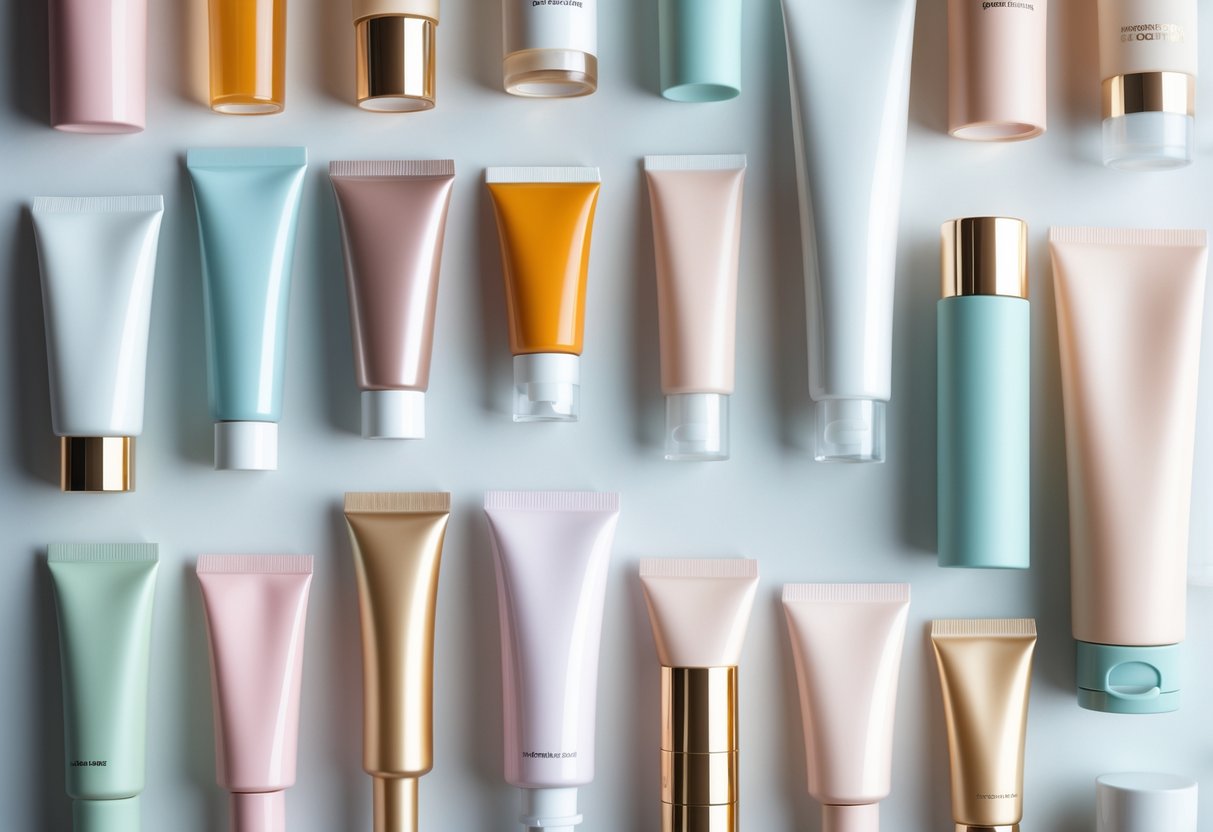
The design of a cosmetic tube changes everything—from how easy it is to use, to how well it protects the product, to how the brand feels. Different tube styles work for different needs, from daily lotions to sensitive skincare formulas.
Squeeze Tubes
Squeeze tubes are everywhere. They’re flexible, light, and simple, so they’re perfect for creams, gels, and lotions.
Just a gentle press, and you control how much comes out—no waste, no mess. Most are made from polyethylene (PE) or polypropylene (PP), which are tough and affordable.
For products needing more protection, laminated versions add aluminum layers to block oxygen and moisture. Cap options are endless—flip-tops, screw-on caps, snap-on lids—and each one changes the experience just a bit.
Smaller squeeze tubes, usually 5–15 ml, are great for samples or spot treatments like eye creams.
Airless Tubes
Airless tubes are made for formulas that can’t handle air. Instead of squeezing, you get a vacuum pump mechanism that pushes product up without letting air sneak in.
This keeps sensitive stuff like natural serums or preservative-free creams stable longer. You pretty much get every last drop—no need to cut the tube open or struggle with leftovers.
Many airless tubes come in oval or custom shapes for a premium look and better shelf appeal. Brands also add tamper-evident seals or pump closures for safety and hygiene.
Now, with sustainability in mind, more companies are using post-consumer recycled (PCR) plastics or sugarcane-based materials for these tubes, trying to balance protection with eco goals.
Rollerball and Applicator Tubes
Rollerball and applicator tubes come with built-in tools, letting us apply the product right where we want it. A rollerball tube glides smoothly, so it’s great for eye creams or cooling gels—and there’s that little massaging effect, too.
Applicator tubes can feature brushes, sponges, or precision tips. You’ll see these a lot with lip gloss, concealers, or spot treatments where you want accuracy.
By combining packaging and applicator, we skip the need for extra tools. Materials for these tubes really run the gamut. Many are made from PE or laminated composites, but the fancier ones? Sometimes aluminum, which gives a nice, sleek finish.
The design isn’t just about function—it’s a branding move, honestly. A unique applicator can make a product pop on a crowded shelf.
Barrier Properties and Specialty Features

When we look at cosmetic tubes, how they protect formulas is just as important as their shelf appeal. The right materials, layers, and closures all team up to keep products fresh, safe, and easy to use.
Importance of Barrier Properties
Barrier properties decide how well a cosmetic tube can protect its stuff from things like oxygen, moisture, and light. Without strong barriers, creams might oxidize, lotions can lose their scent, and those fancy active ingredients just break down faster.
Aluminum tubes, for instance, are fantastic at shielding against air and light, so they’re a go-to for sensitive formulas. Laminated tubes with aluminum foil layers do a solid job too, blocking oxygen and stopping water vapor from sneaking in.
Plastic tubes made from polyethylene (PE) or polypropylene (PP) are everywhere, but single-layer ones? Not always enough for high-value skincare. That’s why folks lean toward multilayered or airless tubes for premium stuff.
Barrier performance affects shelf life. A tube with weak oxygen resistance can cut a product’s usable period short. High-barrier tubes help keep formulas stable and let us dial back on preservatives.
Multi-Layered and Laminated Tubes
Multi-layered and laminated tubes use several materials for strength and flexibility. A typical five-layer setup might have outer PE, adhesive, aluminum foil, adhesive, and inner PE. Each layer does its thing—shape, oxygen blocking, you get it.
These laminated tubes are especially handy for stuff with fragrances, essential oils, or antioxidants that don’t love air. Adding aluminum foil as a barrier layer helps avoid pinholes and leaks.
Plastic co-extruded tubes are another option. They let manufacturers play around with round, oval, or even square shapes. Maybe they don’t match aluminum’s barrier strength, but they look good and cost less.
Airless tubes? They’re a bit different. Instead of squeezing, you pump, so air doesn’t get sucked back in. That means less contamination—pretty ideal for serums and high-performance skincare.
Customizable Sizes and Closures
Size and closure options make cosmetic tubes work for all sorts of products. Small tubes, like 5–15 ml, are everywhere for samples or targeted stuff like eye creams.
Bigger tubes are better for body lotions or sunscreens. Closures matter a lot, too. Flip-top caps are easy for one-handed use, while screw-on caps feel more secure for travel.
Pump closures usually go with airless tubes for precise dosing. Snap-on caps are lightweight and budget-friendly for everyday products.
Brands are always tweaking shapes—round, oval, whatever stands out. With printing options like silk screen or hot stamping, closures and sizes become part of the branding toolkit.
Sustainable choices are popping up more often. Tubes made from post-consumer recycled (PCR) plastic or sugarcane-based PE lower environmental impact. So closures and sizes aren’t just practical—they tell your eco story, too.
Choosing the Right Cosmetic Tube

When picking cosmetic packaging, the tube needs to fit the formula, keep it safe, and give users a good experience. The right choice can also help with sustainability goals and make a brand stand out on the shelf.
Factors to Consider
The first thing to check is the product’s formula. Light lotions are fine in a PE squeeze tube, but a sensitive serum? That probably needs an airless tube to avoid air exposure.
Products with active ingredients do better in laminated tubes or aluminum tubes—they’re just better at keeping out moisture, oxygen, and light.
Size and shape matter, too. Mini tubes (5–15 ml) are nice for samples or targeted products like eye creams. Bigger round tubes save money, while oval or custom shapes give a high-end vibe.
Caps and applicators can make or break the experience. A flip-top cap is handy for thicker creams. Pump caps or roller tips are better if you need precision.
Getting the closure wrong is just asking for customer complaints, so it’s worth trying a few before settling.
| Tube Type | Best For | Key Benefit |
|---|---|---|
| PE Tubes | Lotions, gels, creams | Flexible, cost-effective |
| Laminated Tubes | Toothpaste, actives, ointments | High barrier protection |
| Airless Tubes | Serums, sensitive formulas | Preserves product, longer shelf life |
| Aluminum Tubes | Ointments, light-sensitive creams | Excellent protection against air/light |
Sustainability and Eco-Friendly Options
Plenty of us want packaging that’s better for the planet. Sugarcane-based plastics and PCR (Post-Consumer Resin) tubes are two solid choices. They help cut down on virgin plastics and shrink the environmental footprint.
Recyclability is another thing to keep in mind. LDPE and HDPE tubes are recyclable in a lot of places, but if you start adding layers or metallic finishes, recycling gets trickier.
It’s always a tradeoff between barrier protection and what happens at the end of the tube’s life. Brands are trying out biodegradable materials and refill systems, too. Not every formula fits, but it’s cool to see tubes heading in a greener direction.
Eco-friendly packaging also connects with shoppers who care about sustainability, which—let’s be honest—is a growing crowd.
Branding and Consumer Appeal
Cosmetic tubes are more than just containers—they’re part of how a brand introduces itself. The shape, finish, and decoration all nudge customers’ perceptions in different directions.
Take a soft-touch laminate with metallic stamping. That feels premium, right? Meanwhile, a glossy round tube might give off a more approachable, affordable vibe.
There are loads of printing options out there: silk screen, hot stamping, digital printing, flexographic—you name it. Each one has its quirks in terms of detail and price.
Picking the right method is honestly half the battle. If the logo and colors don’t pop on a crowded shelf, what’s the point?
Sometimes, it’s the tiniest design tweaks that matter most. Switch up the tube diameter and suddenly it’s easier to use. Or swap the applicator—maybe a cooling metal roller for eye gels, or a super-precise nozzle for spot treatments.
Those little choices tell customers, “Hey, we actually thought about what you want.”
