
When you’re launching a cosmetic product, the tube packaging can make or break your brand’s first impression. Cosmetic tube printing transforms basic plastic or aluminum containers into powerful marketing tools that communicate your brand’s quality and values directly to customers.
With the right printing method, your product stands out on crowded shelves and builds the trust that drives sales.
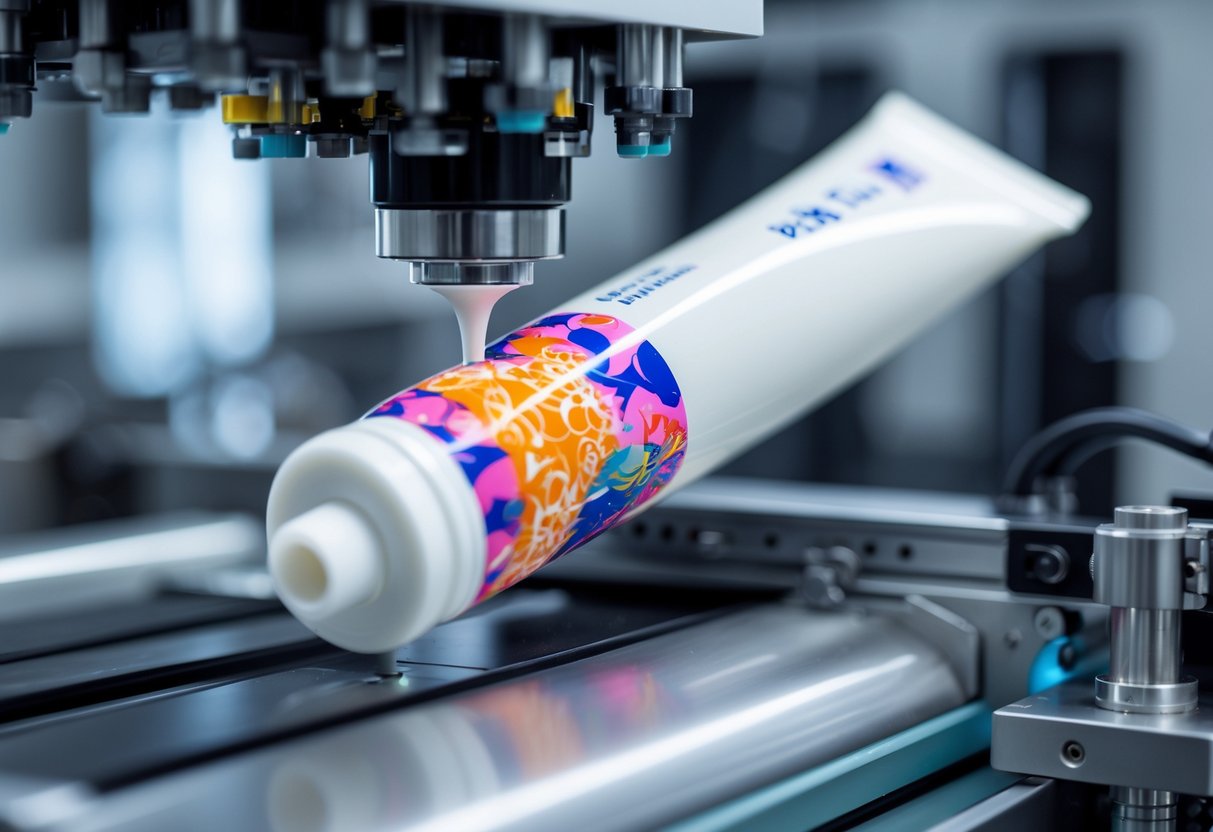
We’ve all seen tubes that look cheap or professional, and the difference often comes down to the printing technique used. From vibrant screen printing that creates bold, durable designs to luxurious hot stamping that adds metallic finishes, each method serves different needs and budgets.
Digital printing works great for small batches, while offset printing delivers sharp images for larger production runs.
Understanding your printing options helps you make smart decisions about your packaging investment. Whether you’re working with minimum order quantities as low as what some suppliers offer or planning large-scale production, the printing method you choose affects everything from your costs to your brand perception.
Let’s explore how different techniques can elevate your cosmetic tubes and connect with your target customers.
What Is Cosmetic Tube Printing?
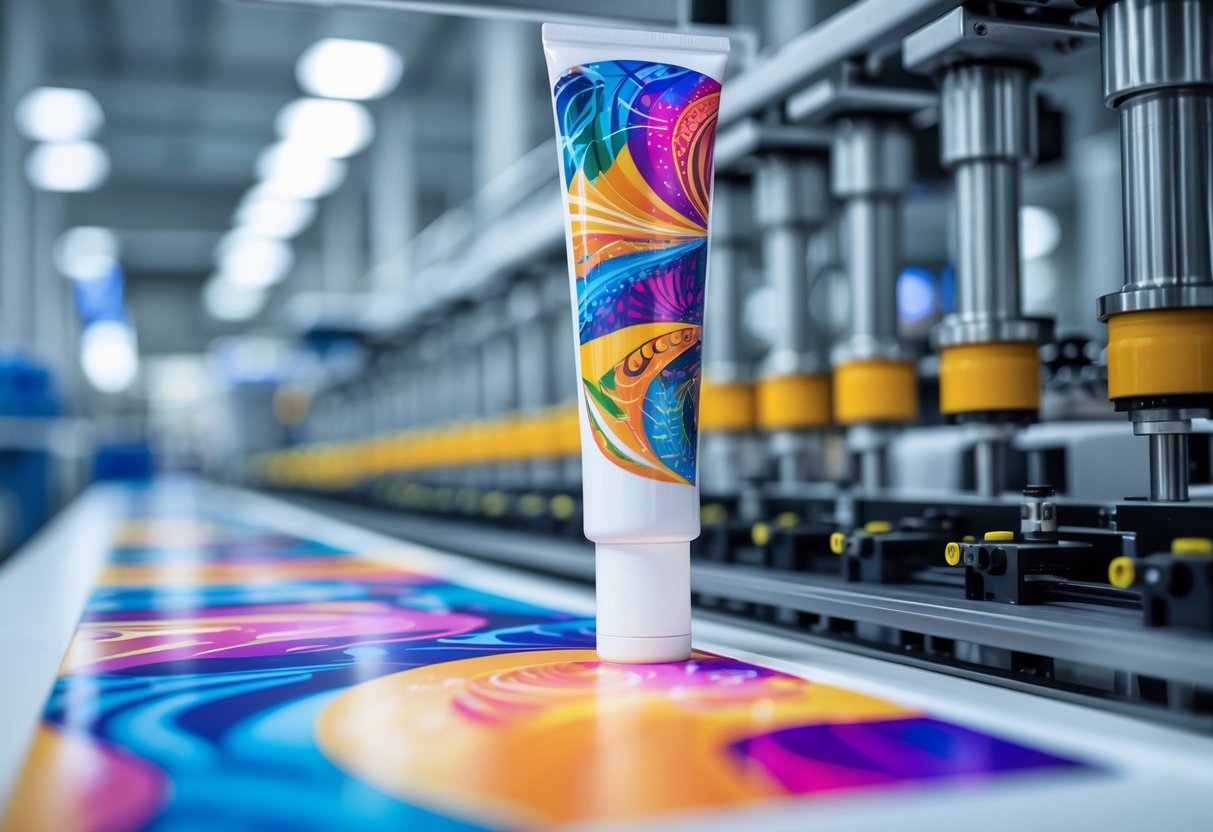
Cosmetic tube printing transforms plain tubes into branded packaging through specialized techniques that apply designs, logos, and colors directly onto the tube surface. The process directly impacts how consumers perceive your product quality and connects your brand message with buyers at the point of purchase.
Purpose and Importance in Branding
When we look at cosmetic tube printing, it serves as more than just product labeling. It’s our primary tool for expressing brand identity and creating that crucial first impression with customers.
Brand Recognition: Printed tubes help consumers instantly identify your products on crowded retail shelves. Your logo, colors, and design elements work together to build brand recognition.
Quality Perception: The exterior packaging directly affects how consumers judge product quality. Premium printing techniques can make your products appear more luxurious and valuable.
Market Differentiation: In competitive markets, unique printing helps distinguish your products from competitors. Bold colors, special finishes, or innovative designs catch consumer attention.
Communication Tool: We use tube printing to convey important product information. This includes ingredients, usage instructions, and brand messaging that connects with your target audience.
The printing choice impacts customer emotions during both purchase and use. Professional printing suggests quality ingredients inside, while poor printing can damage brand credibility.
Overview of Key Printing Processes
We have several proven methods for printing cosmetic tubes, each with specific strengths for different production needs and design goals.
Screen Printing: This traditional method pushes ink through mesh stencils onto tube surfaces. It creates vibrant, durable prints with excellent color reproduction for bold designs.
Offset Printing: Uses plates to transfer ink systematically onto tubes. This method handles up to 6 colors cost-effectively, making it perfect for detailed graphics and professional finishes.
Digital Printing: Offers flexibility for small batches without requiring plates. However, typical minimum orders of 10,000 pieces make it less practical for most cosmetic manufacturers.
Hot Stamping: Applies metallic or glossy finishes using heat to transfer foil onto tube surfaces. This creates luxury appearances that reflect light and grab attention.
Flexographic Printing: Uses flexible plates for direct ink transfer. It’s ideal for large production runs requiring consistent quality across thousands of units.
Each method delivers different results for color reproduction, durability, and cost efficiency depending on your specific requirements.
How Tube Materials Impact Printing
The tube material you choose significantly affects which printing methods work best and how your final design appears.
Plastic Tubes: Most common cosmetic tubes use PE (polyethylene) or similar plastics. These materials accept most printing methods well, though some require surface treatments for better ink adhesion.
Processing Timing: We can print tubes using two main approaches. Some methods print after tube extrusion, while others print flat materials before rolling them into tube shapes.
Surface Preparation: Different materials need specific preparation for optimal printing results. Smooth surfaces work well for detailed designs, while textured surfaces may require special inks.
Flexibility Considerations: Softer, flexible tube materials can be challenging for certain printing methods like hot stamping. The material must withstand the printing process without damage.
Durability Requirements: Your material choice affects how well printed designs resist fading, scratching, or wearing during shipping and consumer use. Some combinations of materials and printing methods last longer than others.
We must match printing techniques to tube materials for best results in both appearance and longevity.
Core Printing Methods for Cosmetic Tubes
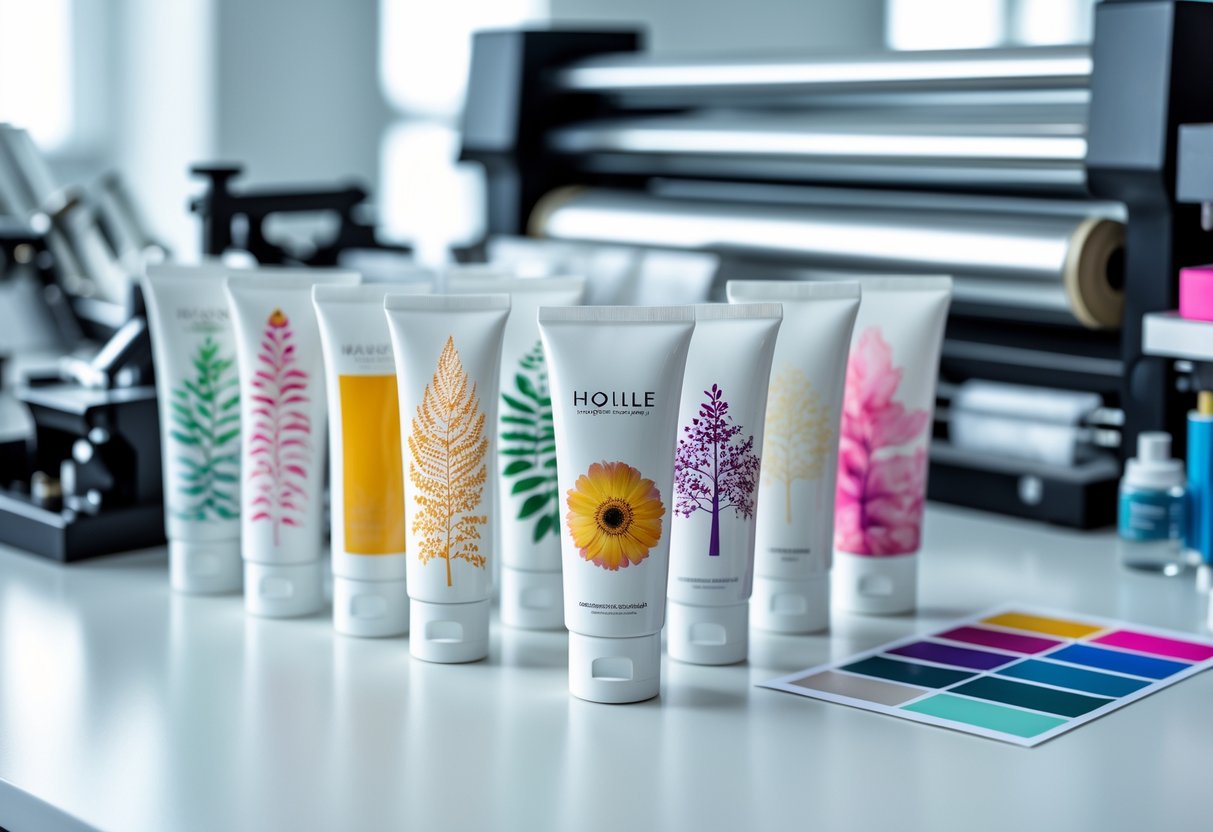
Different printing methods offer unique benefits for cosmetic tube decoration, from screen printing’s vibrant colors to gravure printing’s fine detail reproduction. Each technique uses different processes and equipment to transfer designs onto tube surfaces.
Screen Printing Overview
Screen printing pushes ink through a mesh stencil onto the tube surface. This creates thick, vibrant colors that really stand out.
We see screen printing used most often for bold designs and logos. The ink sits on top of the tube surface rather than soaking in. This gives you that raised, textured feel when you run your finger over it.
Key benefits include:
- Bright, opaque colors
- Durable finish that resists fading
- Works well on curved surfaces
- Cost-effective for small to medium runs
The setup process takes time because each color needs its own screen. You’ll need separate screens for red, blue, black, and so on.
This makes screen printing less suitable when you need many colors or complex gradients.
Screen printing works best for simple designs with 1-4 solid colors. Think brand logos, text, or geometric patterns rather than detailed photographs.
Offset Printing Process Basics
Offset printing uses an indirect printing method where ink transfers from plates to rollers, then onto the tube. This process delivers sharp, detailed images perfect for complex artwork.
The offset printing process starts with creating metal plates for each color. Ink goes onto these plates, transfers to rubber rollers, then finally prints onto your tubes.
This indirect method gives you incredibly precise results.
Process advantages:
- Sharp image quality with fine details
- Handles up to 6 colors efficiently
- Cost-effective for large production runs
- Consistent results across thousands of tubes
We recommend offset printing when you need detailed graphics or photographic images. It’s the go-to choice for intricate brand artwork and multi-colored designs.
The main drawback? High setup costs make it expensive for small batches. You’ll typically need at least 10,000 tubes to make the economics work in your favor.
Gravure Printing Explained
Gravure printing uses engraved cylinders to create exceptionally detailed prints. The design gets etched into metal cylinders, then ink fills these tiny grooves.
When the cylinder rolls over your tube, it transfers ink from these etched cells. This creates incredibly fine detail and smooth color gradations.
You can achieve photographic quality that other methods simply can’t match.
Gravure printing excels at:
- Extremely fine detail reproduction
- Smooth color transitions
- High-volume production efficiency
- Consistent quality across large runs
The process requires significant upfront investment in engraved cylinders. Each design change means new cylinders, which adds cost and time.
This makes gravure printing best suited for large production runs of 50,000+ tubes where the setup costs spread out.
We often see gravure printing used for premium cosmetic brands that want photography or complex artwork on their tubes.
Hot Stamping Printing
Hot stamping uses heat and pressure to transfer metallic or colored foil onto tube surfaces. This creates that luxury look with shiny, reflective finishes.
The process involves heating a metal die, then pressing it against foil and your tube. The heat activates the foil’s adhesive, transferring it to create your design.
You can use gold, silver, copper, or colored foils.
Hot stamping delivers:
- Premium metallic finishes
- Eye-catching reflective surfaces
- Excellent for brand logos and text
- Adds perceived value to products
Hot stamping works best on harder tube materials like rigid plastics. Soft, flexible tubes can be challenging because they compress under pressure.
This might cause uneven foil transfer.
The technique is limited to relatively simple designs – think logos, brand names, or basic graphics rather than detailed artwork. You also can’t achieve color gradients or photographic images with hot stamping.
Screen Printing on Cosmetic Tubes
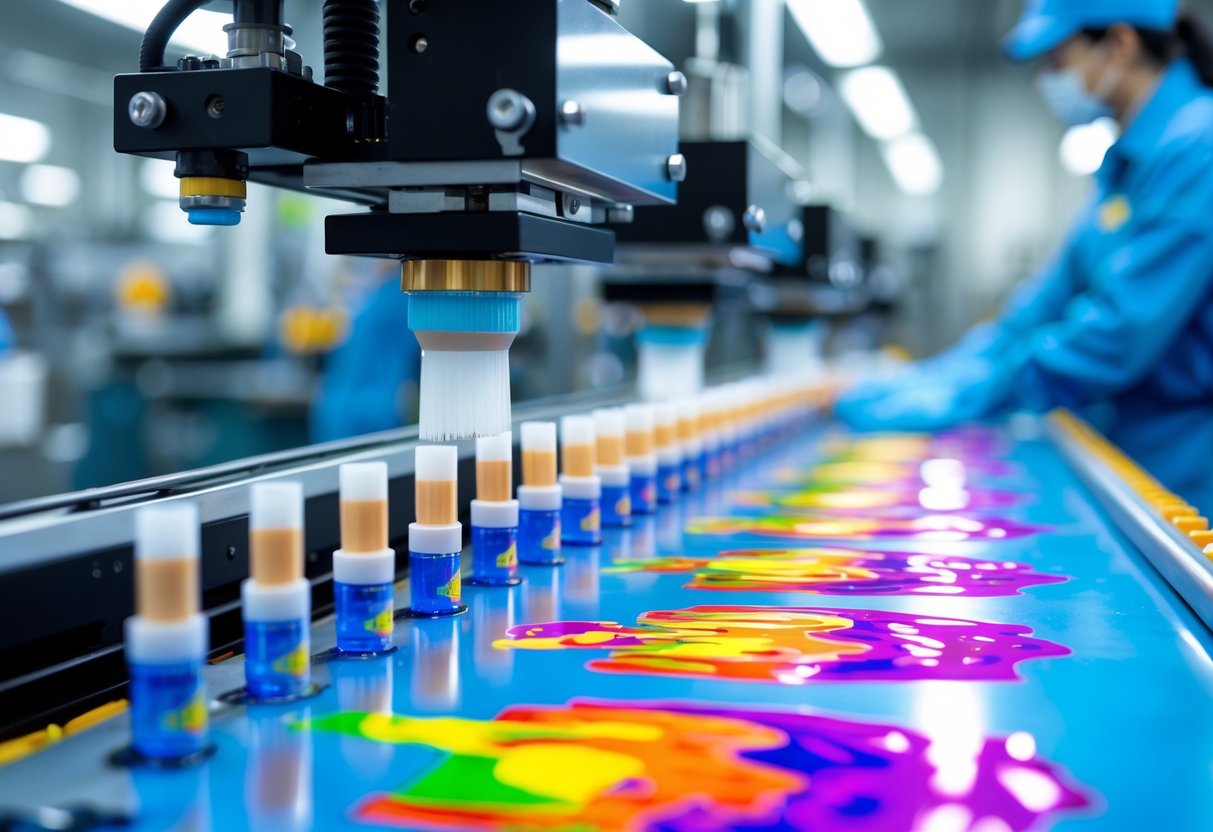
Screen printing uses a mesh screen to push ink through onto cosmetic tubes, creating vibrant colors with thick ink layers. This method works best for simple designs and solid colors rather than detailed images.
How Screen Printing Works
Screen printing relies on five key parts: the screen printing plate, squeegee, ink, printing table, and the cosmetic tube itself.
We start by creating a mesh screen with your design blocked out in certain areas. The process begins when we pour ink onto one end of the screen printing plate.
Next, we use a squeegee to apply pressure and drag the ink across the screen at steady speed. The mesh allows ink to pass through only where your design should appear.
Areas without design stay blocked, so no ink gets through. This creates clean, sharp lines on your tubes.
When we move the squeegee across the screen, it stays in contact with both the screen and tube. The screen stays slightly above the tube surface, which prevents smudging.
After each pass, we lift the screen and squeegee together. Then we gently move the ink back to start position for the next tube.
Advantages of Screen Printing
Screen printing creates a thick ink layer that measures about 30 microns. This compares to just 5 microns for offset printing and 12 microns for other methods.
The thick layers give your tubes a three-dimensional effect that makes colors pop. You can print bright white ink on dark tubes with full coverage.
Strong light resistance keeps colors from fading in sunlight. Screen printing reaches maximum density values of 2.0, while other methods only reach 1.4 to 1.8.
The ink bonds strongly to tube surfaces, so your designs won’t peel or chip easily. This works especially well for tubes that get handled frequently.
We can print on curved, round, or oval tube shapes without problems. The flexible screen adapts to different surface angles and textures.
Best Uses for Screen Printing
Screen printing is fantastic for simple designs with solid colors and bold, clear text. Logos, brand names, and basic graphics with strong contrast really shine here.
It handles these tube types well:
- Lip gloss tubes
- Mascara containers
- Foundation tubes
- Skincare packaging
Screen printing does hit its limits with complex artwork. Photo-realistic images or smooth gradients just aren’t possible, and fine details or tiny text tend to get lost.
It’s a go-to when you want bold, vibrant colors that pop. For big runs of the same design, it’s usually more affordable than digital printing.
Screen printing gives you consistent results across thousands of tubes. Each one comes out looking identical, with a bright, durable finish.
Offset Printing Techniques and Benefits
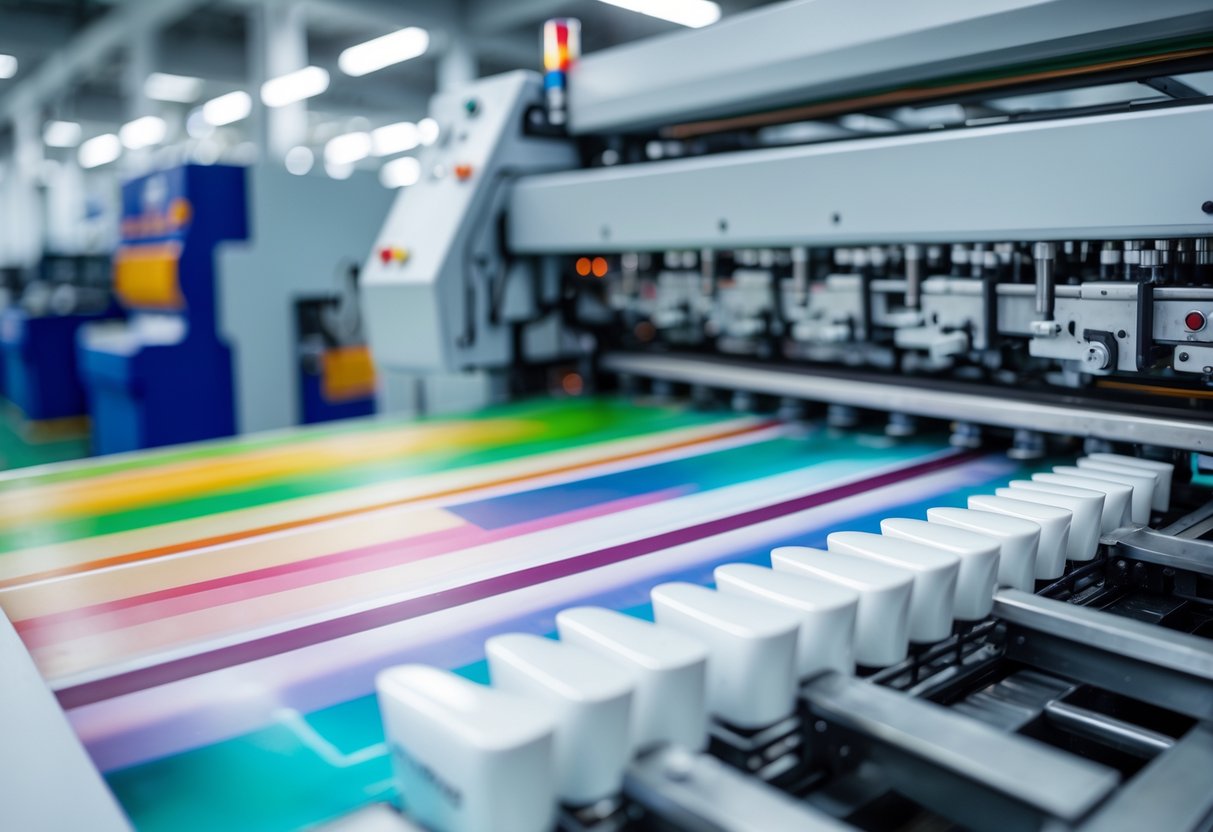
Offset printing stands out as a versatile technique that balances quality with efficiency. It offers distinct variations and delivers superior color reproduction while maintaining cost-effective production speeds.
Letterpress Offset vs Traditional Offset
When you look at offset printing options, there are really two main approaches. Traditional offset printing uses a standard process where ink moves from a printing plate to a rubber blanket, then onto the tube.
Letterpress offset gives you raised impressions on the tube. This adds a tactile feel you can actually notice with your fingertips.
Traditional offset is better for detailed graphics and photos. The smooth transfer process captures fine lines and gradients really well.
Letterpress offset is the pick for premium branding effects. Luxury brands love it for the tactile, high-end finish.
The offset printing process for both techniques involves careful ink roller management. Controlling viscosity and water solutions is key to keeping non-image areas clean.
Detail and Color: What Sets Offset Printing Apart
The precision of offset printing delivers results that other methods just can’t match. Color saturation is high, making packaging stand out on shelves.
Fine details stay sharp, even on curved tubes. Small text remains crisp, and intricate logos print without weird distortions.
Multiple colors blend smoothly together. The printing plate transfers each layer with perfect registration, so you don’t get misaligned colors.
Photographic images look shockingly clear. Gradients flow naturally, with no visible bands or awkward breaks.
The wet ink method balances water and ink just right. This keeps ink from bleeding where it shouldn’t and maintains rich color density.
Speed and Cost Efficiency in Offset Printing
Printing speed makes offset practical for medium to large runs. Once the plates are set, the process just keeps rolling with almost no interruptions.
Setup costs spread out across big orders, so per-unit cost drops as your quantity goes up.
There’s less waste than with other methods. The precise ink transfer system means fewer rejected tubes and less material loss.
Quick changeovers between designs keep things flexible. You can swap colors or patterns without long delays.
Labor costs stay low, since automated systems handle most of the work. The plates themselves last for repeat orders, so you save on future runs too.
Specialty Printing: Hot Stamping & UV Printing
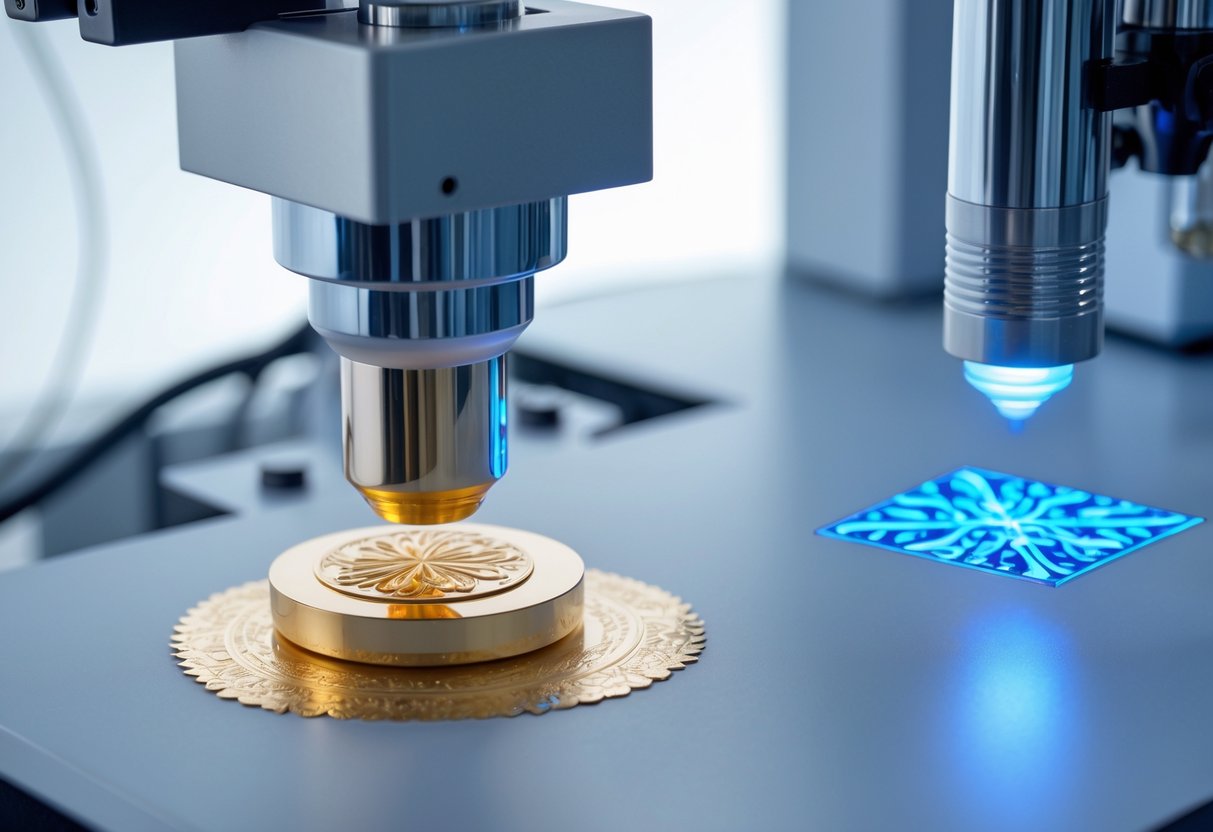
Hot stamping creates metallic and foil effects that give cosmetic tubes a luxury vibe, while UV printing delivers vibrant colors with impressive durability. Both techniques offer something special for brands that want to stand out in a crowded market.
Hot Stamping for Premium Effects
Hot stamping can turn ordinary cosmetic tubes into premium-looking products. It uses heat and pressure to transfer metallic foil onto the tube, creating eye-catching effects almost instantly.
There are several finishes you can get. Metallic shine gives a high-end look, pearlescent effects add subtle color shifts, and holographic finishes create shifting rainbow patterns as you turn the tube.
The process works on plenty of materials. Plastic tubes are easy; glass needs some extra care but looks gorgeous, and even curved surfaces like lip gloss tubes handle hot stamping well.
Quality control is big here. We test foil adhesion so it won’t peel, do dry friction tests for durability, and check water resistance to make sure the finish survives everyday use.
One big plus: no drying time. Tubes can go straight to packaging after decoration, which speeds things up and saves on handling costs.
UV Printing Technologies and Advantages
UV printing uses special UV ink that hardens instantly under ultraviolet light. This tech brings some real perks for cosmetic tube decoration, bonding strongly to surfaces and resisting fading far better than the old-school stuff.
UV printing is versatile. It handles full-color images with sharp detail, vector graphics look perfect, and even tiny text stays crisp on small tubes.
The durability of UV ink is honestly impressive. It stands up to daily handling, and UV printing shrugs off water, oils, and cosmetic ingredients that might wreck other inks.
Speed is another win—UV ink cures right away under the lamps. No waiting around for drying, which means faster turnarounds for your projects.
UV printing also plays well with others. We often combine it with hot stamping for cool effects, or use screen printing to add texture while UV handles the details.
The Role of Printing Inks and Plates
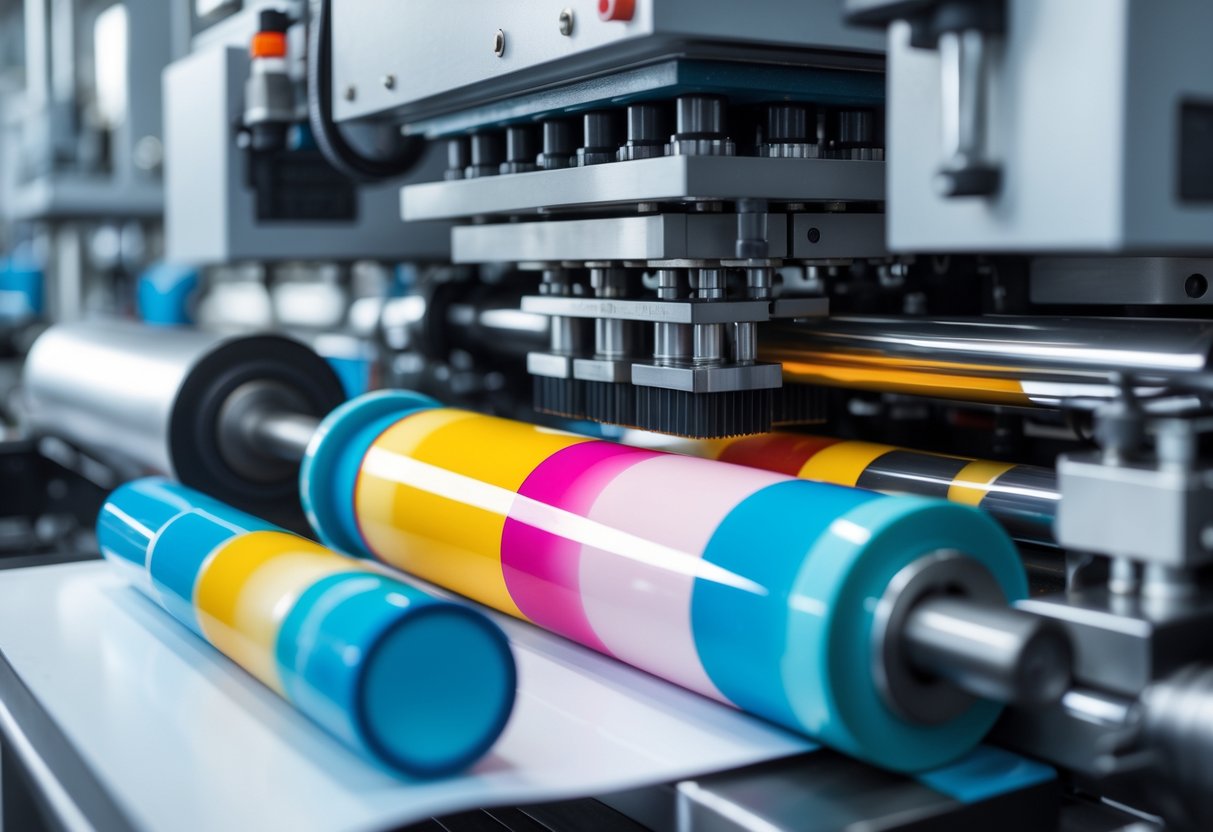
The printing ink and plate work together to create high-quality designs on cosmetic tubes. Different ink types suit different printing methods, and good plate making is key for sharp, lasting results.
Types of Printing Ink for Tubes
Choosing printing ink for cosmetic tubes means thinking about durability and how it looks. UV screen, UV dry offset, and UV flexographic inks are top picks for plastic tubes since they resist chemicals well.
Screen printing uses thick, vibrant inks for bold colors. They dry slowly, but the coverage is rich and opaque—colors really pop.
Offset printing works with thinner inks that transfer from plate to blanket to tube, giving sharp, detailed images and great color accuracy.
Flexographic inks dry fast and are great for big runs. They bond well to plastic and don’t fade easily.
Hot stamping skips ink entirely. Instead, it uses metallic foils that transfer with heat and pressure for a luxury finish.
The ink drying process happens through:
- Absorption into the tube material
- Evaporation of solvents
- UV curing for instant drying
Making the Printing Plate
Plate making varies depending on the method, but accuracy is always important. We start with your design artwork and create plates that transfer ink just right.
For screen printing plates, we use mesh screens with stencils. Ink only passes through where you want the design.
Offset plates are made from metal or polymer with special coatings. Ink sticks to the image areas and avoids the rest.
Flexographic plates use flexible rubber or photopolymer. These wrap around curved tubes and keep ink transfer even.
Gravure plates have tiny wells etched in. Deeper wells hold more ink for darks, shallow ones make lighter tones.
Digital printing skips plates altogether. It prints straight from computer files, making it perfect for short runs and custom jobs.
Printing Plate Quality and Its Impact
High-quality plates make a huge difference in your final product. Bad plates mean blurry images, uneven colors, and more waste.
Plate wear happens during printing, especially with direct contact. Offset printing helps by using a rubber blanket, so plates last longer.
Sharp details depend on precise plate making. We pay attention to:
- Surface smoothness
- Edge definition
- Ink transfer consistency
Good plates also cut down on waste. They keep results consistent across thousands of tubes.
The anilox roller in flexographic printing meters how much ink hits the plate. This keeps each tube looking uniform.
We test plates before going into full production. That way, we catch any issues early and save time and materials down the line.
Color, Finish, and Visual Effects
Modern printing lets you get vibrant colors with deep saturation, and special surface treatments add texture and dimension. These details work together to help your cosmetic tubes stand out and feel premium in the customer’s hand.
Achieving Color Saturation and Reproduction
Getting rich, accurate color on cosmetic tubes really comes down to the right printing method and ink. Offset printing is excellent for complex designs where you need multiple colors to look just right.
Screen printing is the king of vibrancy. It uses a thick layer of ink, so colors really pop—more than with most other methods.
Here’s how different methods compare for color quality:
| Method | Color Saturation | Accuracy | Best For |
|---|---|---|---|
| Screen | Excellent | Good | Bold colors |
| Offset | Good | Excellent | Photo quality |
| Digital | Good | Very Good | Short runs |
We always recommend testing your colors on the actual tube material first. Plastic can make colors look a bit different than they do on paper samples.
Color matching is crucial when you want consistency batch after batch. Most manufacturers stick with Pantone color systems to keep your brand colors locked in every time.
Three-Dimensional Effects and Tactile Results
Adding a three-dimensional effect to your tubes gives them depth and that irresistible urge to reach out and touch. There are a few ways to pull off this raised, textured look, and honestly, it’s worth considering if you want your packaging to stand out.
Hot stamping is a classic move for raised metallic details that really catch the light. Basically, it’s heated foil pressed into the tube, and the result is a permanent, shiny design that practically begs for attention.
Embossing is a little different. It pushes the design up from the surface without adding any color, so you get shadows and highlights that shift as someone handles the tube. It’s got that premium feel, no question.
Textured printing takes things further by combining raised areas with color. Using special thick inks and screen printing, you can build up layers you can actually feel. That tactile sensation? It’s what makes people want to pick up your product and check it out.
Simple designs tend to work best for these effects. When there’s too much detail, things can get a bit messy once they’re raised up.
Gloss, Matte, and Other Surface Treatments
Surface finishes totally transform both the look and feel of your tube. Each one brings its own vibe and, honestly, its own quirks.
Glossy finishes are all about that mirror-like shine. Colors pop, everything looks more vibrant, and it’s a go-to for luxury—but beware, fingerprints show up fast. On shelves, though, the shine grabs attention like nothing else.
Matte frost finishing is a whole other mood—velvety, understated, and kind of sophisticated. It knocks down glare and hides fingerprints, which is probably why so many premium skincare brands go for it.
Soft touch coating is a personal favorite. It’s got this velvety texture that you notice right away, and it’s grippy, too. Plus, it doesn’t smudge as easily as gloss.
Metallic effects bring in gold, silver, or copper for that extra flash. They really crank up the perceived value and make any product pop on the shelf.
Pearl effects are wild—the color shifts and changes as the light hits from different angles. It adds depth, and honestly, it’s just plain fun to look at.
One thing to keep in mind: each finish changes how your printed colors look, so you’ll want to factor that into your design process.
Choosing the Right Printing Method For Your Cosmetic Tubes
The printing method you pick has a real impact on your costs, your brand’s vibe, and how quickly you can get things made. It’s always a balancing act between budget, design goals, and how many tubes you need.
Factors Influencing Method Selection
When it comes to picking a printing method, there are a handful of things that really matter. Let’s dig into the big ones.
Production volume is usually the first thing to consider. Digital printing is king for small batches—think under 1,000 units. Offset printing, though, only makes sense once you’re up over 10,000 pieces.
Design complexity is a big deal, too. Screen printing is perfect for bold, simple designs with super vibrant colors since it lays down thick ink. If you’ve got fine details or gradients, offset is the way to go.
Timeline requirements can’t be ignored. Digital printing is quick—no setup plates needed. Screen printing takes a bit more prep, but once it’s rolling, it’s fast.
The material of your tube matters as well. Flexible plastic tubes are pretty forgiving, but rigid ones can limit your options.
Cost Comparison and Volume Considerations
Knowing how the costs break down helps you avoid surprises and make smarter choices for your project.
Setup costs are all over the map, depending on the method:
- Digital printing: $0-50 setup
- Screen printing: $100-300 per color
- Offset printing: $500-1,500 for plates
- Hot stamping: $300-800 for dies
Per-unit costs drop as your order size goes up, especially with traditional methods. Offset printing gets super affordable at 10,000+ units because it’s fast and ink is cheap per piece.
Screen printing is a sweet spot for runs between 1,000 and 10,000 units. The ink layer is thick and tough, so you get durability that can make the extra cost worth it.
Hot stamping is definitely pricier, but the luxury look can bump retail prices by 20-30%, if you believe the market research.
Branding, Design, and Consumer Perception
Your printing choice really shapes how people see your brand and what they think it’s worth.
Premium positioning gets a boost from hot stamping’s metallic shine or the saturated, opaque colors you can only get from screen printing. Both options add a tactile edge that screams luxury.
Mass market products usually go with offset printing for clean, consistent results across big batches. You get sharp text and graphics that look professional every time.
Color vibrancy is huge for shelf appeal. Screen printing wins here—its thick ink layer makes colors pop in a way that’s hard to miss in a crowded store.
Brand consistency is non-negotiable if you want your colors to match every time you reorder. Offset printing is tough to beat for precise color matching.
Think about your audience, too. Younger shoppers often love bold, screen-printed designs, while luxury buyers expect that high-end finish only hot stamping delivers.
The Bottom Line
When it comes to cosmetic tube printing, four main methods pretty much run the show. Each one caters to different needs and, of course, budgets.
Letterpress offset printing seems to hit a sweet spot for most brands. You can get impressively fine details—up to 175 lines per inch—and crank out about 200 pieces a minute.
Costs stay manageable, and the quality? It’s reliably good, if you ask me.
Screen printing is a different beast. It shines when you’re handling small batches or chasing special effects.
The ink goes on thick, giving you those bold, vibrant colors and a texture that’s hard to ignore. Production speed is slower—think 50 tubes per minute if you’re working with 75mm diameters.
For composite tubes, there are two other options worth mentioning:
| Method | Best For | Speed |
|---|---|---|
| Flexographic | Quick job changes, eco-friendly needs | 150-200 m/min |
| Gravure | Large volumes, detailed designs | 150-200 m/min |
Your choice comes down to three things:
- Order volume
- Design complexity
- Budget constraints
If you’re just getting started, letterpress offset is usually the way to go. It’s professional, and you won’t have to empty your wallet.
Screen printing is great if you want a special finish or you’re only making a smaller batch. The thick ink really pops—honestly, it can make your product leap off the shelf.
Big brands dealing with millions of tubes? Gravure printing is probably your friend. The inner printing keeps designs safe from scratches and doesn’t slow down the process.
Just a heads up: Your printing method will shape your costs and how your brand looks on the shelf. Don’t just follow what everyone else is doing—pick what fits your needs best.
