
Bạn có bao giờ tự hỏi những hộp đựng kem dưỡng ẩm yêu thích của bạn thực sự được làm bằng gì không? Ống lotion là một phần trong thói quen chăm sóc da hàng ngày của chúng ta, nhưng hầu hết chúng ta hiếm khi nghĩ về thành phần của chúng.
Hầu hết các tuýp kem dưỡng da thường được làm từ các polyme nhựa như polyetylen (PE), polypropylen (PP) hoặc polyetylen terephthalate (PET) mang lại tính linh hoạt, độ bền và khả năng tương thích của sản phẩm đồng thời bảo vệ công thức bên trong.

Chất liệu được sử dụng trong tuýp kem dưỡng da quan trọng hơn bạn nghĩ! Các sản phẩm mỹ phẩm khác nhau yêu cầu cụ thể vật liệu đóng gói để đảm bảo độ ổn định và an toàn của sản phẩm. Ví dụ, nhất định kem thảo dược có thể yêu cầu các ống ngăn chặn quá trình oxy hóa, trong khi các sản phẩm có hoạt chất cụ thể cần các vật liệu không gây ra phản ứng hóa học.
Chúng tôi cũng nhận thấy xu hướng ngày càng tăng đối với các lựa chọn thay thế thân thiện với môi trường trong những năm gần đây! Hiện nay, nhiều công ty cung cấp tuýp kem dưỡng da làm từ nhựa tái chế hoặc vật liệu sinh học để giảm tác động đến môi trường. Các tùy chọn bền vững này vẫn duy trì chức năng bạn cần – giữ cho các loại sữa dưỡng thể và kem yêu thích của bạn luôn tươi mới trong khi vẫn nhẹ nhàng hơn trên hành tinh của chúng ta.
Tổng quan về ống Lotion

Ống lotion là giải pháp đóng gói thiết yếu để bảo vệ và phân phối các sản phẩm mỹ phẩm khác nhau. Chúng có nhiều kích cỡ, chất liệu và thiết kế khác nhau để phù hợp với nhiều công thức từ kem dưỡng nhẹ đến kem đặc hơn.
Thành phần vật liệu
Hầu hết các ống kem dưỡng da được làm từ polyme nhựa như polyetylen (PE), polypropylen (PP) hoặc polyetylen terephthalate (PET). Những vật liệu này mang lại sự linh hoạt, độ bền và khả năng chống lại các hóa chất có trong kem dưỡng da và kem. Chúng ta thường thấy polyetylen mật độ cao (HDPE) được sử dụng cho các ống cứng hơn, trong khi polyetylen mật độ thấp (LDPE) tạo ra các lựa chọn mềm hơn, dễ ép hơn.
Một số phí bảo hiểm sản phẩm mỹ phẩm có dạng ống nhiều lớp kết hợp các vật liệu khác nhau để cung cấp:
- Bảo vệ sản phẩm tốt hơn
- Thuộc tính rào cản nâng cao
- Cải thiện thời hạn sử dụng
- Giảm nguy cơ ô nhiễm
Gần đây, các lựa chọn thay thế thân thiện với môi trường đã trở nên phổ biến, bao gồm các loại ống được làm từ:
- Nhựa tái chế
- Nhựa sinh học có nguồn gốc từ nguyên liệu thực vật
- Vật liệu tổng hợp giấy-nhựa
Chức năng trong bao bì mỹ phẩm
Ống kem dưỡng da phục vụ nhiều mục đích ngoài việc bảo quản đơn giản. Họ giúp đỡ bảo vệ công thức từ các chất gây ô nhiễm bên ngoài, tiếp xúc với không khí và suy thoái ánh sáng. Thiết kế dạng ống cho phép phân phối dễ dàng mà không đưa vi khuẩn vào sản phẩm còn lại.
Các kiểu mũ khác nhau nâng cao chức năng cho các loại sản phẩm khác nhau. Những chiếc nắp lật phù hợp với những loại kem mỏng hơn, trong khi những chiếc nắp vặn phù hợp với những loại kem đặc hơn. Đầu bôi chuyên dụng (như con lăn hoặc cọ) cung cấp ứng dụng có mục tiêu cho các sản phẩm cụ thể.
Hình dạng và kích thước của ống thay đổi tùy theo độ nhớt của sản phẩm và mục đích sử dụng. Chúng tôi đã tìm thấy điều đó lưu biến (tính chất dòng chảy) là rất quan trọng khi thiết kế ống cho các công thức khác nhau, vì nó ảnh hưởng đến mức độ dễ dàng ép ra sản phẩm.
Nhiều ống có hệ thống bơm không có không khí giúp ngăn chặn quá trình oxy hóa sản phẩm và kéo dài thời hạn sử dụng – đặc biệt quan trọng đối với các công thức tự nhiên và không chứa chất bảo quản.
Các loại ống lotion

Ống lotion có nhiều chất liệu khác nhau, mỗi loại có đặc tính riêng ảnh hưởng đến việc bảo quản sản phẩm, tác động đến môi trường và trải nghiệm người dùng. Chất liệu của hộp đựng có thể ảnh hưởng đáng kể đến việc sữa dưỡng thể yêu thích của bạn luôn tươi mới như thế nào và bạn có thể dễ dàng vắt ra từng giọt cuối cùng như thế nào.
Ống nhôm
Ống nhôm là một trong những lựa chọn đóng gói truyền thống nhất cho các sản phẩm chăm sóc da. Những hộp đựng bền này mang lại khả năng bảo vệ hàng rào tuyệt vời chống lại ánh sáng, không khí và độ ẩm có thể làm hỏng kem dưỡng da của bạn. Chúng tôi yêu thích rằng chúng hoàn toàn có thể tái chế và có tác động môi trường thấp hơn so với một số lựa chọn thay thế.
Khi bạn bóp một ống nhôm, nó vẫn bị nén, giúp ngăn không khí quay trở lại thùng chứa. Tính năng này đặc biệt có lợi cho bảo quản mỹ phẩm với các thành phần tự nhiên có thể oxy hóa nhanh chóng.
Nhược điểm? Chúng có thể dễ dàng bị móp và đôi khi bị nứt dọc theo các đường gấp khi sử dụng nhiều lần. Chúng cũng thường đắt hơn các loại nhựa, đó là lý do tại sao bạn thường thấy chúng được sử dụng cho các sản phẩm kem dưỡng da cao cấp.
Ống nhựa
Ống nhựa thống trị thị trường hộp đựng kem dưỡng da nhờ tính linh hoạt và tiết kiệm chi phí. Những ống này nhẹ, linh hoạt và có nhiều loại khác nhau như polyetylen (PE), polypropylen (PP) và polyetylen terephthalate (PET).
Mỗi loại nhựa mang lại những lợi ích khác nhau. Ống PE khá dẻo và dễ bóp, trong khi PP có khả năng kháng hóa chất tốt hơn. PET mang lại độ rõ nét tuyệt vời nếu bạn muốn xem lượng sản phẩm còn lại.
Hầu hết các ống nhựa đều có thiết kế nắp lật để thao tác thuận tiện bằng một tay. Chúng đặc biệt phổ biến đối với kem dưỡng thể vì chúng bền và không bị vỡ nếu rơi khi tắm.
Tuy nhiên, chúng ta nên lưu ý rằng không phải tất cả các ống nhựa đều có thể tái chế dễ dàng và một số thành phố trực thuộc trung ương có những yêu cầu cụ thể để tái chế những thùng chứa này.
Ống nhựa
Ống laminate đại diện cho sự phát triển hiện đại của bao bì kem dưỡng da. Những ống nhiều lớp này kết hợp các đặc tính tốt nhất của các vật liệu khác nhau để tạo ra các rào cản vượt trội chống lại sự nhiễm bẩn và oxy hóa.
Thông thường, ống laminate bao gồm nhiều lớp:
- Lớp bên trong: Thông thường là polyetylen để tương thích với sản phẩm
- Lớp giữa: Lá nhôm để bảo vệ hàng rào
- Lớp ngoài: Nhựa để in ấn, hình thức và độ bền
Chúng tôi thấy rằng ống laminate đặc biệt hiệu quả đối với bảo quản công thức với các thành phần hoạt tính có thể bị phân hủy khi tiếp xúc với không khí hoặc ánh sáng. Đặc tính rào cản vượt trội của chúng giúp kéo dài thời hạn sử dụng một cách đáng kể.
Ưu điểm chính của ống laminate là chúng có khả năng bảo vệ tương tự như nhôm nhưng có độ linh hoạt và khả năng phục hồi cao hơn. Bạn có thể ép chúng nhiều lần mà không bị nứt hay đứt theo đường gấp.
Thiết kế và tính năng
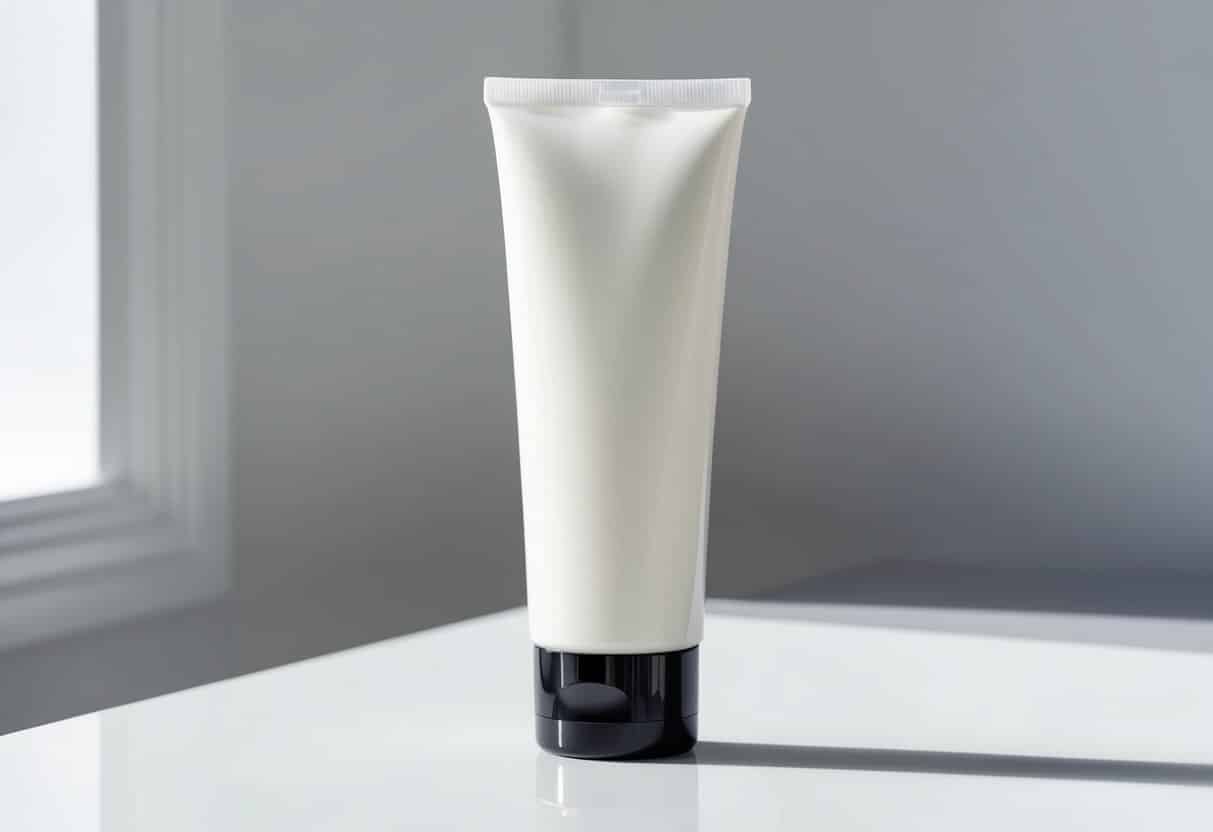
Ống lotion kết hợp chức năng thực tế với tính thẩm mỹ để cung cấp các sản phẩm chăm sóc da một cách hiệu quả. Chúng có nhiều yếu tố thiết kế khác nhau giúp nâng cao trải nghiệm người dùng đồng thời bảo vệ sản phẩm bên trong.
Kích thước và công suất ống
Ống lotion có nhiều kích cỡ khác nhau để phù hợp với các nhu cầu khác nhau. Các năng lực phổ biến nhất bao gồm:
- Kích thước du lịch: 15-30ml (hoàn hảo cho hành lý xách tay)
- Kích thước tiêu chuẩn: 50-100ml (dùng thường xuyên tại nhà)
- Quy mô gia đình: 150-250ml (lựa chọn tiết kiệm cho người dùng thường xuyên)
- Kích thước chuyên nghiệp: 300-500ml (thường dùng ở salon)
Đường kính ống thường dao động từ 19mm đến 50mm, với chiều rộng tăng tỷ lệ thuận với công suất. Các ống nhỏ hơn được thiết kế để dễ dàng di chuyển, trong khi các ống lớn hơn mang lại giá trị tốt hơn.
Chúng tôi nhận thấy rằng kích thước ống không chỉ ảnh hưởng đến công suất mà còn ảnh hưởng đến sự thoải mái khi xử lý. Loại tuýp cỡ trung (75-100ml) mang lại sự cân bằng tốt nhất giữa số lượng sản phẩm và tính dễ sử dụng cho hầu hết người tiêu dùng.
Thiết kế vòi phun
Vòi phun là một yếu tố quan trọng đặc điểm thiết kế của sản phẩm kem dưỡng da vì nó kiểm soát dòng sản phẩm và độ chính xác của ứng dụng. Các loại vòi phun phổ biến bao gồm:
- lỗ tiêu chuẩn: Mở tròn đơn giản (đường kính 2-5mm)
- Dòng chảy được kiểm soát: Được tạo hình đặc biệt để phân phối số lượng chính xác
- Mẹo bôi: Hình dạng chuyên dụng cho ứng dụng mục tiêu
- Mũ lật: Hệ thống vòi và đóng kết hợp
Thiết kế vòi phun tác động đáng kể đến trải nghiệm người dùng. Các lỗ nhỏ hơn (1-2 mm) phù hợp với các loại kem mỏng, trong khi các loại kem đặc hơn cần có lỗ lớn hơn (3-5 mm) để tránh tắc nghẽn.
Chúng tôi khuyên dùng các ống có vòi phun phù hợp với độ nhớt của sản phẩm. Một số thiết kế cải tiến hiện nay có van silicon giúp ngăn chặn dòng chảy ngược của sản phẩm và ô nhiễm không khí.
Vai ống
Vai ống nối thân chính với vòi phun và đóng vai trò quan trọng trong hiệu suất phân phối sản phẩm. Các khía cạnh chính bao gồm:
- Góc vai: Thông thường 30-45 độ để có dòng chảy tối ưu
- Độ mượt chuyển tiếp: Ảnh hưởng đến mức độ dễ dàng di chuyển sản phẩm về phía vòi phun
- Độ dày vật liệu: Thường được gia cố để tránh bị tách ra dưới áp lực
Vai được thiết kế phù hợp đảm bảo thoát hoàn toàn sản phẩm khỏi ống. Chúng được thiết kế để dẫn kem dưỡng da về phía vòi phun trong khi vẫn duy trì tính toàn vẹn về cấu trúc.
Chúng tôi đã quan sát thấy rằng các ống có vai dốc dần (khoảng 35 độ) mang lại sự cân bằng tốt nhất giữa khả năng phân phối dễ dàng và độ bền kết cấu.
Bản chất có thể thu gọn
Khả năng thu gọn của ống kem dưỡng da có lẽ là đặc điểm nổi bật nhất của chúng. Khía cạnh thiết kế này:
- Cho phép khai thác sản phẩm gần hoàn chỉnh (lên tới 95-98%)
- Ngăn không cho không khí lọt vào ống sau khi phân phối
- Kéo dài thời hạn sử dụng sản phẩm bằng cách hạn chế quá trình oxy hóa
- Cung cấp phản hồi trực quan về số lượng sản phẩm còn lại
Hầu hết các ống kem dưỡng da hiện đại đều được thiết kế để thu gọn đồng đều từ dưới lên. Cái này chức năng phụ thuộc vào đặc tính vật liệu như độ đàn hồi, trí nhớ và độ dày.
Chúng tôi nhận thấy rằng các ống chất lượng cao duy trì hình dạng khi đầy một phần nhưng dễ bị xẹp khi bị bóp. Sự cân bằng này đảm bảo ống vẫn hấp dẫn về mặt hình ảnh trong suốt quá trình sử dụng trong khi vẫn hoạt động hiệu quả.
In ấn và xây dựng thương hiệu

Sự hấp dẫn trực quan của ống kem dưỡng da vượt xa cấu trúc vật lý của chúng. Các yếu tố thương hiệu giúp sản phẩm nổi bật trên kệ và kết nối với người tiêu dùng thông qua đồ họa và văn bản được thiết kế cẩn thận.
Bù đắp in
In offset vẫn là phương pháp phổ biến nhất để trang trí ống kem dưỡng da. Kỹ thuật này chuyển mực từ tấm sang tấm chăn cao su trước khi phủ lên bề mặt ống. Chúng tôi nhận thấy phương pháp này đặc biệt hiệu quả đối với in ấn thiết kế chi tiết và hoa văn nhiều màu sắc.
Quá trình này cho phép tái tạo chất lượng cao logo thương hiệu, thông tin sản phẩm và các yếu tố trang trí. In offset hiện đại có thể đạt tới 8 màu trong một lần in, bao gồm các tùy chọn đặc biệt như mực kim loại.
Đối với các nhà sản xuất ống, in offset mang lại một số lợi ích:
- Tiết kiệm chi phí cho hoạt động sản xuất vừa và lớn
- Tính nhất quán màu sắc tuyệt vời giữa các lô
- Chất lượng hình ảnh sắc nét ngay cả đối với các chi tiết nhỏ
- Khả năng tương thích với các vật liệu ống khác nhau
Một số thương hiệu cao cấp nâng cao khả năng in offset của họ bằng các lớp phủ đặc biệt như lớp hoàn thiện mờ, bóng hoặc mềm để thêm các yếu tố xúc giác vào bao bì của họ.
Dập nóng
Khi chúng ta muốn thêm các thành phần kim loại vào ống kem dưỡng da, việc dập nóng mang lại kết quả ấn tượng. Quá trình này sử dụng nhiệt và áp suất để truyền vật liệu lá mỏng lên bề mặt ống, tạo ra vẻ ngoài sang trọng thu hút ánh sáng và sự chú ý.
Các tùy chọn giấy dán tem nóng phổ biến:
- Vàng và bạc (phổ biến nhất)
- hình ba chiều
- có hoa văn
- Màu sắc tùy chỉnh
Dập nóng đặc biệt hiệu quả trong việc nhấn mạnh tên thương hiệu, logo và các điểm nhấn trang trí. Kỹ thuật này có thể kết hợp với in offset để tạo ra những thiết kế đa chiều, nâng cao giá trị cảm nhận của sản phẩm.
Nhiều thương hiệu mỹ phẩm và chăm sóc da cao cấp sử dụng phương pháp dập nóng để báo hiệu định vị cao cấp. Các yếu tố kim loại tạo ra sự thu hút về mặt thị giác và giúp phân biệt sản phẩm trong môi trường bán lẻ cạnh tranh.
Tùy chọn ghi nhãn
Một số nhà sản xuất thích nhãn riêng hơn là in trực tiếp trên ống. Chúng tôi thấy phương pháp này được sử dụng đặc biệt cho các hoạt động sản xuất nhỏ hoặc khi sản phẩm yêu cầu cập nhật thiết kế thường xuyên.
Các tùy chọn ghi nhãn ống phổ biến nhất bao gồm:
- Nhãn co lại – Chúng phù hợp với hình dạng ống khi tác dụng nhiệt, cho phép trang trí 360 độ.
- Nhãn nhạy áp lực – Được sử dụng với chất kết dính, chúng mang lại sự linh hoạt cho các hình dạng độc đáo và vật liệu đặc biệt.
- Ghi nhãn trong khuôn – Nhãn được đặt vào khuôn trước khi tạo thành ống, tạo nên vẻ liền mạch.
Việc ghi nhãn cho phép cơ hội xây dựng thương hiệu nâng cao như giấy có họa tiết, phim trong hoặc các hiệu ứng in ấn đặc biệt. Nhiều thương hiệu chăm sóc da tự nhiên thích nhãn giấy để củng cố vị thế thân thiện với môi trường của họ.
Đối với các nhà sản xuất hàng loạt nhỏ, nhãn mang lại lợi thế về số lượng đặt hàng tối thiểu và chi phí thiết lập so với phương pháp in trực tiếp.
Mũ và đóng cửa

Nắp và nắp là thành phần thiết yếu của ống kem dưỡng da để đảm bảo tính toàn vẹn của sản phẩm và dễ sử dụng. Chúng ngăn ngừa ô nhiễm và rò rỉ đồng thời cung cấp các lựa chọn phân phối thuận tiện cho người tiêu dùng.
Các loại nắp vặn
Nắp vặn là một trong những loại đóng phổ biến nhất cho ống kem dưỡng da. Những chiếc mũ này có phần bên trong có ren được xoắn chắc chắn vào các sợi phù hợp trên cổ ống.
Hầu hết các nắp vặn đều được làm từ polypropylen (PP) do độ bền và khả năng kháng hóa chất. Chúng tôi nhận thấy rằng vật liệu này duy trì tính toàn vẹn khi đóng nắp ngay cả sau khi sử dụng nhiều lần, khiến nó trở nên lý tưởng cho các sản phẩm chăm sóc cá nhân hàng ngày.
Tính năng của một số tuýp lotion cao cấp thiết kế nắp vặn chuyên dụng với các cơ chế bịt kín bổ sung như lớp lót Teflon được kết hợp với mặt sau bằng cao su silicon. Những đóng cửa nâng cao này cung cấp sự bảo vệ vượt trội chống lại ô nhiễm vi khuẩn.
Đối với những sản phẩm yêu cầu ứng dụng chính xác, nhà sản xuất cung cấp nắp vặn có đầu bôi tích hợp như:
- Mẹo nhỏ giọt
- Bóng lăn
- Mẹo cọ
Nắp lật trên cùng
Nắp lật là giải pháp thay thế thuận tiện cho nắp vặn, cho phép thao tác bằng một tay. Những nắp này vẫn được gắn vào ống khi mở ra, ngăn ngừa thất lạc và khiến chúng trở nên hoàn hảo để sử dụng khi đang di chuyển.
Nghiên cứu cho thấy rằng đóng nắp lật thường cung cấp sự bảo vệ tốt hơn chống ô nhiễm hơn nắp vặn tiêu chuẩn. Điều này là do chúng được thiết kế để tạo ra một lớp đệm kín khi đóng lại.
Hầu hết các loại mũ lật đều có bản lề sống – một miếng nhựa mỏng, dẻo nối nắp với đế của nó. Phần tử thiết kế này thường được làm từ polyetylen hoặc polypropylen để đảm bảo độ bền qua hàng nghìn chu kỳ đóng mở.
Chúng tôi đã thấy những thiết kế mũ lật sáng tạo với:
- Van silicone tự hàn kín
- Các lỗ hình bầu dục hoặc chuyên dụng để phân phối có kiểm soát
- Thông thoáng “các cửa sổ” để xem sản phẩm còn lại
Kích thước của lỗ mở có thể được tùy chỉnh để phù hợp với độ nhớt của kem dưỡng da, đảm bảo dòng chảy thích hợp và ngăn ngừa lãng phí.
Tính bền vững trong sản xuất Lotion Tube

Ngành công nghiệp mỹ phẩm đang chuyển sang các lựa chọn bao bì xanh hơn khi người tiêu dùng yêu cầu nhiều sản phẩm thân thiện với môi trường hơn. Ống kem dưỡng da bền vững có thể giảm đáng kể tác động đến môi trường trong khi vẫn duy trì tính toàn vẹn của sản phẩm.
Vật liệu bền vững
Hiện nay có rất nhiều thương hiệu đang sử dụng nhựa thực vật thay vì các vật liệu làm từ dầu mỏ truyền thống cho ống kem dưỡng da. Những loại nhựa sinh học này được làm từ các nguồn tài nguyên tái tạo như mía và tinh bột ngô, giúp giảm lượng khí thải carbon tới 40% so với nhựa thông thường.
Ống bìa đang trở nên phổ biến như một giải pháp sáng tạo. Họ sử dụng ít nhựa hơn đáng kể trong khi vẫn cung cấp khả năng bảo vệ tương tự cho kem và kem dưỡng da.
Chúng tôi cũng đang thấy nhiều ống hơn được làm từ:
- Nhựa đại dương tái chế
- Vật liệu tái chế sau tiêu dùng (PCR)
- Vật liệu tổng hợp phân hủy sinh học
Một số công ty đang phát triển ống đơn vật liệu (được làm từ một loại nhựa) dễ tái chế hơn so với các tùy chọn nhiều lớp. Cách tiếp cận này loại bỏ các vấn đề phân tách thường gây khó khăn cho việc tái chế ống.
Tái chế và tái sử dụng
Một thách thức lớn với ống kem dưỡng da là lãng phí sản phẩm do khả năng rỗng không đủ. Các nghiên cứu cho thấy người tiêu dùng để lại 8-10% sản phẩm trong các ống truyền thống. Các thiết kế mới hơn có lớp phủ đặc biệt cho phép phát hành sản phẩm tốt hơn.
Xếp hạng khả năng tái chế hiện được nêu rõ trên nhiều ống. Hãy tìm:
| Đánh giá | Nghĩa |
|---|---|
| Tái chế rộng rãi | Được chấp nhận bởi hơn 75% cơ sở tái chế |
| Kiểm tra cục bộ | Chấp nhận hạn chế (20-75% cơ sở vật chất) |
| Chưa được tái chế | Rất ít cơ sở có thể xử lý được loại vật liệu này |
Chúng tôi đã tìm thấy điều đó đánh giá vòng đời của bao bì mỹ phẩm giúp các thương hiệu xác định các điểm nóng về môi trường. Hiện nay nhiều công ty đang tập trung vào mô hình tiêu dùng bền vững bằng cách thiết kế các ống có thể nạp lại hoặc chứa các công thức đậm đặc cần ít bao bì hơn.
Một số thương hiệu sáng tạo hiện cung cấp chương trình gửi lại ống rỗng, đảm bảo tái chế thích hợp ngay cả ở những khu vực có cơ sở vật chất hạn chế.
Tiêu chuẩn chất lượng và an toàn

Ống lotion phải đáp ứng các quy định nghiêm ngặt để bảo vệ người tiêu dùng khỏi các chất độc hại và đảm bảo hiệu quả của sản phẩm. Các nhà sản xuất theo sau Tiêu chuẩn Thực hành sản xuất tốt (GMP) và các hướng dẫn cụ thể như ISO 22716:2007 để duy trì chất lượng.
Thuộc tính rào cản
Vật liệu được sử dụng trong ống kem dưỡng da cần có đặc tính rào cản tuyệt vời để bảo vệ chất bên trong. Chúng tôi nhận thấy rằng polyetylen mật độ cao (HDPE) và polypropylen (PP) thường được sử dụng vì chúng chống lại độ ẩm và sự xâm nhập của hóa chất.
Những loại nhựa này ngăn không cho oxy, ánh sáng và các chất gây ô nhiễm ảnh hưởng đến chất lượng của kem dưỡng da. Nếu không có rào chắn thích hợp, các thành phần có thể bị phân hủy hoặc bị ô nhiễm.
Một số ống cao cấp kết hợp công nghệ đa lớp với EVOH (cồn ethylene vinyl) giúp tăng cường đặc tính rào cản oxy. Điều này đặc biệt quan trọng đối với các công thức tự nhiên không chứa chất bảo quản tổng hợp.
Kiểm tra tính hiệu quả của rào cản bao gồm:
- Tốc độ truyền hơi ẩm (MVTR)
- Tốc độ truyền oxy (OTR)
- Thử nghiệm kháng hóa chất
- Đo độ xuyên thấu của tia UV
Tính toàn vẹn của sản phẩm
Chúng tôi đảm bảo ống kem dưỡng duy trì tính toàn vẹn của sản phẩm thông qua kiểm tra chất lượng nghiêm ngặt. Các nhà sản xuất kiểm tra rò rỉ, tắc nghẽn ống và niêm phong nắp thích hợp để tránh lãng phí hoặc nhiễm bẩn sản phẩm.
Lớp lót bên trong của ống thường chứa một lớp phủ thực phẩm ngăn chặn sự tương tác giữa vật liệu ống và thành phần kem dưỡng da. Điều này rất quan trọng để ngăn chặn sự di chuyển hóa chất có thể ảnh hưởng đến sự an toàn hoặc hiệu quả.
Các ống cũng phải vượt qua các bài kiểm tra thả rơi và kiểm tra áp suất để đảm bảo chúng không bị vỡ trong quá trình vận chuyển hoặc sử dụng. Kiểm soát chất lượng bao gồm kiểm tra sự tập hợp của các hạt sản phẩm có thể gây tắc ống.
Hệ thống chất lượng hiện đại bao gồm:
- Kiểm tra hàng loạt
- Nghiên cứu độ ổn định ở các nhiệt độ khác nhau
- Kiểm tra khả năng tương thích giữa sản phẩm và bao bì
- Thử nghiệm thử thách vi sinh vật
Niêm phong và làm đầy

Quá trình sản xuất ống kem dưỡng da bao gồm hai quy trình quan trọng: niêm phong để đảm bảo tính toàn vẹn của sản phẩm và đóng gói để đưa sản phẩm vào trong thùng chứa. Các bước này yêu cầu thiết bị chính xác và kiểm soát chất lượng cẩn thận để tránh rò rỉ và ô nhiễm.
Công nghệ niêm phong
Niêm phong là quá trình đảm bảo các ống kem dưỡng da của bạn vẫn đóng và được bảo vệ cho đến khi sử dụng. Thích hợp niêm phong ngăn ngừa ô nhiễm và rò rỉ sản phẩm đồng thời duy trì sự ổn định của sản phẩm trong quá trình vận chuyển và bảo quản.
Hầu hết các tuýp kem dưỡng hiện đại đều sử dụng công nghệ hàn nhiệt. Điều này liên quan đến việc truyền nhiệt vào đầu hở của ống sau khi nó được đổ đầy, làm nóng chảy nhựa một chút để tạo liên kết an toàn. Để bảo vệ thêm, một số nhà sản xuất thêm các lá nhôm bên trong nắp.
Phương pháp niêm phong phổ biến:
- Niêm phong siêu âm
- Niêm phong cảm ứng
- Uốn nhiệt
- Niêm phong màng lá
Chất lượng phốt được kiểm tra thường xuyên trong quá trình sản xuất. Chúng tôi nhận thấy rằng việc niêm phong đúng cách là rất quan trọng đối với các sản phẩm như kem dưỡng da có thể phát triển vết dầu loang trên bề mặt khi bịt kín không đúng cách.
Quy trình chiết rót
Quá trình chiết rót sẽ đưa kem dưỡng da của bạn vào ống một cách hiệu quả và chính xác. Cơ sở vật chất hiện đại sử dụng tự động thiết bị đóng dấu điền vào mẫu kết hợp nhiều bước thành một hoạt động hợp lý.
Hầu hết các hệ thống làm đầy đều sử dụng một trong các phương pháp sau:
- Làm đầy áp lực – Đẩy sản phẩm vào ống bằng khí nén
- Làm đầy pít-tông – Sử dụng các phép đo cơ học chính xác để có thể tích ổn định
- Làm đầy thời gian trọng lực – Kiểm soát thời gian chiết rót và tốc độ dòng sản phẩm
Khả năng tương thích giữa sản phẩm và thiết bị chiết rót là điều cần thiết. Các yếu tố như độ nhớt và nhiệt độ của sản phẩm ảnh hưởng đáng kể đến quá trình chiết rót. Kem dưỡng đặc hơn cần có chuyên dụng vòi phun được thiết kế để xử lý các công thức có độ nhớt cao.
Sau khi đổ đầy, các ống sẽ di chuyển trực tiếp đến trạm niêm phong, nơi chúng được đóng, đậy nắp và chuẩn bị đóng gói. Quá trình tích hợp này đảm bảo hiệu quả và duy trì tính toàn vẹn của sản phẩm.
Đổi mới ống kem dưỡng da

Ngành công nghiệp bao bì đã có những bước tiến đáng chú ý trong việc cải tiến tuýp kem dưỡng da để mang lại trải nghiệm tốt hơn cho người dùng và bền vững với môi trường. Những cải tiến này tập trung vào việc làm cho ống có nhiều chức năng hơn đồng thời đáp ứng nhu cầu của người tiêu dùng hiện đại.
Thiết kế công thái học
Bạn đã bao giờ phải vật lộn để lấy chút kem dưỡng da cuối cùng ra khỏi tuýp chưa? Các ống hiện đại hiện nay có thiết kế thân thiện với người dùng để giải quyết vấn đề thường gặp này. Chúng tôi đã thấy những cải tiến đáng kể về hình dạng ống giúp chúng dễ cầm và bóp hơn, đặc biệt đối với những người có sức mạnh tay hạn chế.
Nhiều thương hiệu đã giới thiệu ống với thiết kế tiện dụng vừa vặn hoàn hảo trong tay bạn. Những thiết kế này bao gồm:
- Hình dạng đường viền mang lại độ bám tốt hơn
- Giới hạn rộng hơn để mở dễ dàng hơn
- Đáy đứng vì vậy ống có thể được lưu trữ thẳng đứng
- Mẹo phân phối có kiểm soát để giảm chất thải
Một số ống hiện nay bao gồm con lăn hoặc dụng cụ massage tích hợp, mang lại cho bạn trải nghiệm giống như spa tại nhà. Những tính năng này không chỉ nâng cao khả năng sử dụng mà còn tăng thêm giá trị cho sản phẩm bên trong.
Vật liệu tiên tiến
Chất liệu được sử dụng trong ống kem dưỡng da đã phát triển vượt bậc trong những năm gần đây. Các ống nhựa truyền thống đang được thay thế bằng các lựa chọn thay thế sáng tạo hơn nhằm bảo vệ sản phẩm tốt hơn đồng thời thân thiện hơn với hành tinh của chúng ta.
Ống lotion hiện đại thường sử dụng chất liệu nhiều lớp mang lại:
Lợi ích sức mạnh:
- Tăng cường khả năng chống đâm thủng
- Tính linh hoạt tốt hơn mà không bị nứt
- Cải thiện đặc tính rào cản để bảo vệ công thức
Nhiều ống bây giờ kết hợp vật liệu chuyên dụng bảo vệ tính toàn vẹn của các công thức nhạy cảm như kem dưỡng da tự nhiên hoặc hữu cơ. Chúng tôi cũng đang chứng kiến sự gia tăng các loại ống làm từ vật liệu có thể tái chế và dựa trên sinh học.
Công nghệ ống không khí ngăn ngừa ô nhiễm và oxy hóa sản phẩm, kéo dài thời hạn sử dụng. Sự đổi mới này đặc biệt quan trọng đối với các công thức không chứa chất bảo quản vì có thể bị phân hủy nhanh chóng.
