
Tóm tắt
Việc lựa chọn vật liệu thích hợp để đóng gói dạng ống mỹ phẩm là một quyết định có ảnh hưởng sâu sắc đến tính ổn định của sản phẩm, sự hấp dẫn của người tiêu dùng và di sản môi trường.
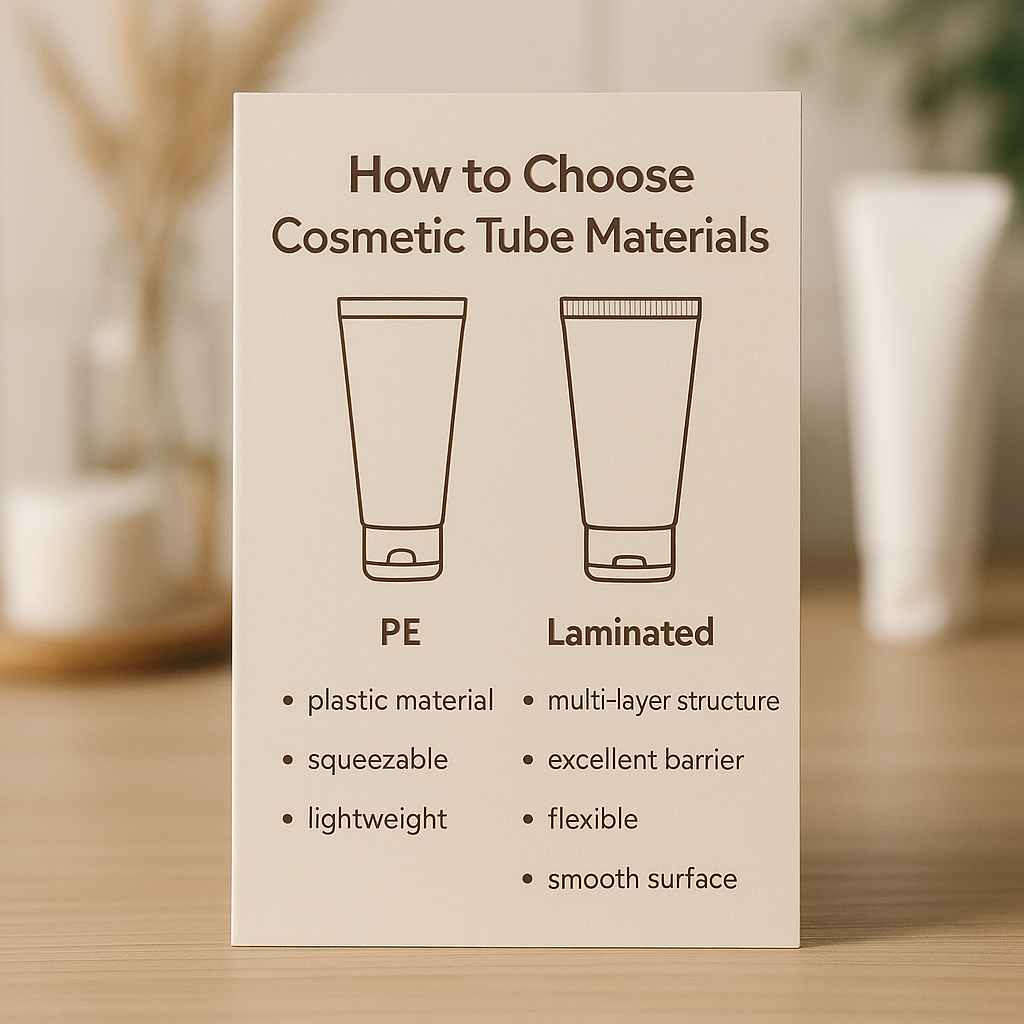
Phân tích này xem xét quy trình nhiều mặt về cách chọn vật liệu ống mỹ phẩm, điều hướng sự cân bằng phức tạp giữa thành phần hóa học trong công thức, tính thẩm mỹ của thương hiệu, trải nghiệm người dùng và các yêu cầu về tính bền vững. Nó đi sâu vào các đặc tính của vật liệu chính như Polyethylene (PE) với mật độ khác nhau, cũng như các cấu trúc nhiều lớp và nhiều lớp tiên tiến (ABL, PBL) được thiết kế để tăng cường khả năng bảo vệ hàng rào chống lại oxy, ánh sáng và độ ẩm.
Cuộc thảo luận mở rộng sang lĩnh vực vật liệu bền vững đang phát triển, bao gồm Nhựa sau tiêu dùng (PCR), nhựa sinh học như PE làm từ mía đường và vai trò lâu dài của nhôm.
Bằng cách đánh giá lựa chọn vật liệu thông qua lăng kính về khả năng tương thích hóa học, hiệu suất chức năng, tiềm năng trang trí và hậu cần của chuỗi cung ứng, hướng dẫn này cung cấp một khuôn khổ có cấu trúc cho chủ sở hữu thương hiệu và nhà phát triển sản phẩm.
Mục tiêu là tạo điều kiện thuận lợi cho quá trình ra quyết định sáng suốt nhằm bảo vệ tính toàn vẹn của sản phẩm đồng thời phù hợp với nhu cầu thương mại và đạo đức ngày càng tăng của thị trường toàn cầu năm 2025.
Bài học chính
- Hãy kết hợp công thức sản phẩm của bạn với đặc tính rào cản của vật liệu để ngăn chặn sự xuống cấp.
- Đánh giá các lựa chọn bền vững như PCR hoặc ống mía để đáp ứng mong đợi sinh thái của người tiêu dùng.
- Xem xét tính linh hoạt và độ hoàn thiện của vật liệu sẽ tác động như thế nào đến trải nghiệm của người dùng cuối.
- Đảm bảo vật liệu được chọn tương thích với các hiệu ứng in ấn và trang trí mà bạn mong muốn.
- Học cách chọn chất liệu ống mỹ phẩm liên quan đến việc cân bằng giữa chi phí, chất lượng và giá trị thương hiệu.
- Hợp tác với một nhà sản xuất chuyên nghiệp để điều hướng các thông số kỹ thuật và tìm nguồn cung ứng vật liệu phức tạp.
- Yếu tố bao gồm toàn bộ gói, bao gồm cả nắp và dụng cụ bôi, để có một thiết kế gắn kết.
Mục lục
- Yếu tố 1: Căn chỉnh các đặc tính vật liệu với khả năng tương thích công thức sản phẩm
- Yếu tố 2: Điều hướng sự phức tạp của tính bền vững và các lựa chọn có ý thức sinh thái
- Yếu tố 3: Xem xét trải nghiệm người dùng và chức năng phân phối
- Yếu tố 4: Đánh giá tính trang trí, thương hiệu và tiềm năng thẩm mỹ
- Yếu tố 5: Phân tích chuỗi cung ứng, sản xuất và tác động chi phí
- Câu hỏi thường gặp (FAQ)
- Phần kết luận
- Tài liệu tham khảo
Yếu tố 1: Căn chỉnh các đặc tính vật liệu với khả năng tương thích công thức sản phẩm
Quyết định về cách lựa chọn vật liệu ống mỹ phẩm không bắt đầu từ tính thẩm mỹ hay chi phí mà bằng việc kiểm tra hóa học sâu sắc và tỉnh táo. Cái ống không chỉ đơn thuần là một vật chứa; đó là môi trường chính mà công thức của bạn sẽ tồn tại từ thời điểm tạo ra nó cho đến lần sử dụng cuối cùng.
Đánh giá sai ở giai đoạn cơ bản này có thể dẫn đến ảnh hưởng đến hiệu quả, thay đổi đặc tính cảm quan hoặc thậm chí là sản phẩm bị lỗi hoàn toàn.
Mối quan hệ giữa công thức và bao bì của nó là một cuộc đối thoại mật thiết, liên tục và chất liệu của ống thuốc quyết định các điều khoản của cuộc trò chuyện đó. Lựa chọn khôn ngoan là hành động như một người quản lý có trách nhiệm đối với sản phẩm mà bạn đã phát triển một cách cẩn thận.
Vai trò cơ bản của Polyethylene (PE) trong ống mỹ phẩm
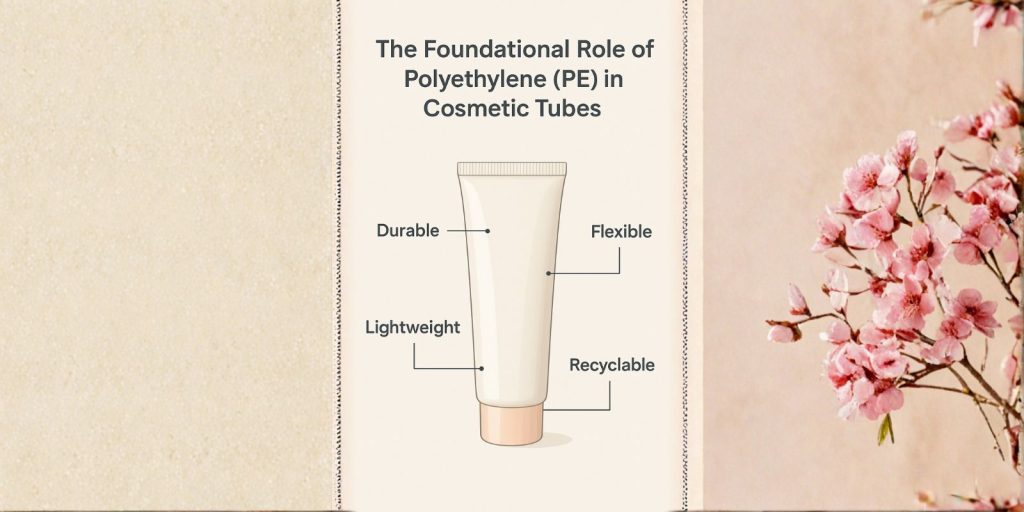
Polyethylene đại diện cho nền tảng của sản xuất ống mỹ phẩm. Tính phổ biến của nó là minh chứng cho tính linh hoạt, hiệu quả về chi phí và các đặc tính được hiểu rõ của nó.
Tuy nhiên, để nói đến “Thể dục” như một khối nguyên khối là bỏ qua những điểm khác biệt quan trọng giúp nó phù hợp với nhiều loại sản phẩm như vậy. Chúng ta hãy xem xét hai biến thể chính mà bạn sẽ gặp phải:
- Polyethylene mật độ thấp (LDPE): Hãy tưởng tượng cảm giác của một ống kem dưỡng da tay mềm mại, dẻo dai. Việc ép dễ dàng đến mức thỏa mãn đó thường là công việc của LDPE. Cấu trúc phân tử của nó được đặc trưng bởi sự phân nhánh đáng kể, ngăn cản các chuỗi polymer kết dính chặt chẽ với nhau. Điều này dẫn đến mật độ thấp hơn và tính linh hoạt cao hơn. Nó là sự lựa chọn tuyệt vời cho các sản phẩm chăm sóc da thông thường như kem dưỡng da và kem dưỡng mà hàng rào hóa học cấp độ cao không phải là mối quan tâm hàng đầu.
- Polyethylene mật độ cao (HDPE): Ngược lại, HDPE có cấu trúc phân tử tuyến tính hơn với sự phân nhánh tối thiểu. Điều này cho phép các dây chuyền đóng gói chặt chẽ, tạo ra vật liệu cứng hơn, bền hơn và mờ đục hơn LDPE. Nó có khả năng kháng hóa chất tốt hơn một chút nên phù hợp với các sản phẩm như dầu gội hoặc một số chất tẩy rửa. Hãy nghĩ đến một chiếc ống cần đứng vững trên kệ mà không bị trượt—HDPE mang lại sự toàn vẹn về cấu trúc đó.
Sự lựa chọn giữa LDPE, HDPE hoặc sự kết hợp của cả hai (thường được gọi là MDPE) là điểm quyết định quan trọng đầu tiên của bạn. Nó đòi hỏi bạn phải xem xét độ nhớt của sản phẩm và trải nghiệm người dùng mong muốn.
Một loại serum mỏng, dạng nước đựng trong ống LDPE rất mềm có thể phân tán quá nhanh, trong khi một loại son dưỡng đặc, đặc trong ống HDPE cứng có thể gây khó chịu cho người tiêu dùng khi sử dụng.
| Vật liệu | Đặc điểm chính | Ứng dụng phổ biến | Thuộc tính rào cản |
|---|---|---|---|
| LDPE | Mềm mại, dẻo dai, trong suốt, chống ẩm tốt. | Kem dưỡng da tay, nước thơm, sữa rửa mặt, sữa tắm. | Rào cản thấp đối với oxy và các hợp chất hữu cơ. |
| Hdpe | Cứng, bền, đục, kháng hóa chất tốt hơn LDPE. | Dầu gội, dầu xả, các sản phẩm có kích thước lớn hơn đòi hỏi sự ổn định. | Rào cản vừa phải; tốt hơn LDPE nhưng vẫn có tính thấm. |
| PBL | Hoàn toàn bằng nhựa, tuyệt vời “bật lại” (trở lại hình dạng), các lựa chọn rào cản tốt. | Kem chống nắng, chăm sóc da cao cấp, thuốc mỡ dược phẩm. | Tốt đến xuất sắc, tùy thuộc vào độ dày lớp EVOH. |
| ABL | Lớp lá nhôm, rào cản vượt trội, không bị bật lại (“nếp gấp”). | Kem đánh răng, thuốc nhuộm tóc, công thức mạnh mẽ (ví dụ: hoạt chất có hiệu lực cao). | Rào cản tốt nhất có thể chống lại ánh sáng, oxy và độ ẩm. |
Hiểu về ống nhiều lớp và nhiều lớp để bảo vệ hàng rào
Đối với một phần đáng kể các công thức mỹ phẩm hiện đại, ống PE một lớp đơn giản là không đủ. Các hoạt chất như Vitamin C (axit ascorbic), retinoids, benzoyl peroxide và nhiều loại tinh dầu tự nhiên rất nhạy cảm. Chúng có thể bị phân hủy khi tiếp xúc với oxy, tia UV hoặc thậm chí do tương tác hoặc di chuyển qua nhựa của chính ống. Đây là lúc sự khéo léo của các ống nhiều lớp và nhiều lớp trở nên không thể thiếu.
Hãy nghĩ về một ống nhiều lớp như một chiếc bánh sandwich phức tạp làm bằng polyme, mỗi lớp thực hiện một chức năng cụ thể.
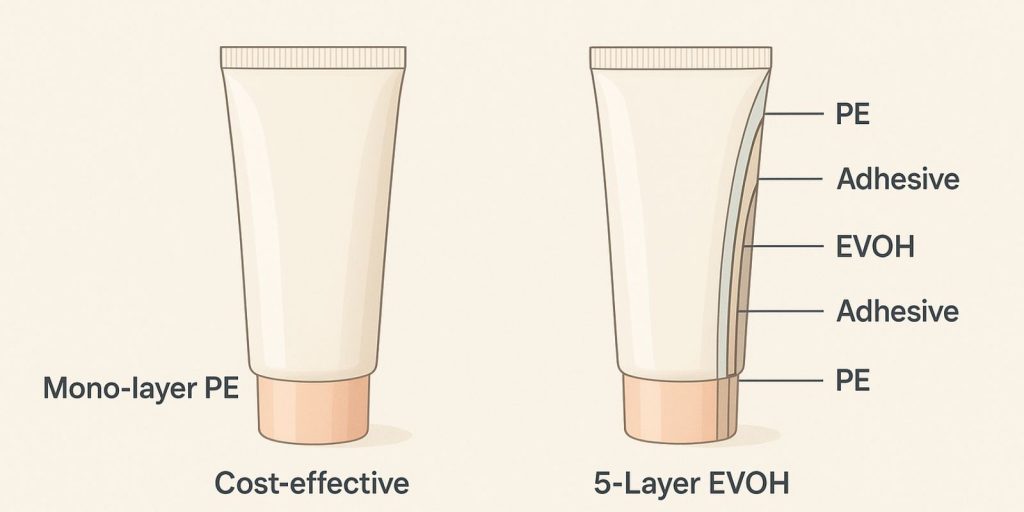
Một ống ép đùn 5 lớp điển hình bao gồm một lớp PE bên ngoài để in và cảm nhận, một lớp PE bên trong để tiếp xúc với công thức, hai chất kết dính hoặc “cà vạt” lớp, và quan trọng nhất là lớp rào cản trung tâm.
Vật liệu rào cản phổ biến nhất được sử dụng là Rượu etyl vinyl (EVOH). EVOH đặc biệt ở khả năng ngăn chặn sự đi qua của oxy và các loại khí khác.
Sự hiện diện của lớp lá chắn vô hình bên trong này là yếu tố giữ cho huyết thanh chống oxy hóa nhạy cảm có hiệu lực hoặc ngăn mùi hương đặc biệt của kem bôi chân bạc hà tan biến theo thời gian.
Ống nhiều lớp đưa khái niệm này tiến thêm một bước và thường được phân thành hai loại:
- Tấm chắn nhôm (ABL): Đúng như tên gọi, ống ABL chứa một lớp lá nhôm mỏng, thường được kẹp giữa các lớp nhựa. Lớp nhôm này cung cấp một rào cản gần như tuyệt đối đối với ánh sáng, oxy, độ ẩm và các hợp chất hữu cơ dễ bay hơi. Đó là tiêu chuẩn vàng để bảo vệ. Đây là lý do tại sao các sản phẩm như kem đánh răng, thuốc nhuộm tóc và một số loại thuốc mỡ dược phẩm trước đây thường sử dụng ống ABL. Chất liệu có đặc tính “nếp gấp,” nghĩa là nó sẽ bị nhàu khi bóp và không co lại, điều này có thể giúp người dùng phân phối toàn bộ sản phẩm.
- Tấm chắn nhựa (PBL): Các ống PBL thay thế lớp nhôm bằng tấm chắn hoàn toàn bằng nhựa, thường là EVOH. Những ống này có đặc tính rào cản tuyệt vời—thường đủ cho hầu hết các sản phẩm mỹ phẩm—đồng thời mang lại tính thẩm mỹ cao hơn. “bật lại” hoặc “bị trả lại” chất lượng. Chúng trở lại hình dạng ban đầu sau khi bị ép, điều này khiến nhiều người tiêu dùng thấy hấp dẫn hơn về mặt thị giác. Hơn nữa, được chế tạo từ một họ vật liệu duy nhất (nhựa), chúng có thể có lộ trình tái chế đơn giản hơn so với ống ABL, điểm mà chúng ta sẽ khám phá sau.
Nghiên cứu điển hình: Lựa chọn giữa ống PE đơn lớp và ống EVOH 5 lớp
Chúng ta hãy tham gia vào một thử nghiệm suy nghĩ. Giả sử bạn đang phát triển một loại kem dưỡng ẩm da mặt mới, cao cấp. các “anh hùng” thành phần là một chiết xuất thực vật tinh tế, đắt tiền được biết đến với đặc tính làm dịu.
Công thức cũng chứa hương thơm nhẹ, tự nhiên có nguồn gốc từ tinh dầu cam quýt.
Suy nghĩ ban đầu của bạn có thể là sử dụng ống LDPE đơn giản, tiết kiệm chi phí. Nó cảm thấy tốt đẹp và kinh tế. Tuy nhiên, một phân tích sâu hơn cho thấy những vấn đề tiềm ẩn. Tinh dầu cam quýt có chứa các hợp chất như limonene, theo thời gian có thể “da đầu” sản phẩm (nghĩa là các thành phần hương thơm được hấp thụ vào nhựa) hoặc thậm chí di chuyển qua thành ống, dẫn đến mất mùi hương.
Quan trọng hơn, chiết xuất thực vật quý giá có thể dễ bị oxy hóa. Nếu oxy từ không khí bên ngoài có thể từ từ thấm vào tường LDPE, chất chiết xuất sẽ bị phân hủy, mất tác dụng rất lâu trước ngày hết hạn của sản phẩm. Khách hàng, sau khi trả giá cao, sẽ bị bỏ lại với một loại kem không mùi, kém hiệu quả hơn.
Bây giờ, hãy xem xét một ống 5 lớp có rào chắn EVOH. Lớp PE bên trong trơ và an toàn khi tiếp xúc với sữa công thức. Lớp EVOH hoạt động như một pháo đài, ngăn mùi hương cam quýt thoát ra ngoài và quan trọng hơn là ngăn chặn sự xâm nhập của oxy trong khí quyển.
Lớp PE bên ngoài mang lại bề mặt đẹp để in logo thương hiệu của bạn. Mặc dù giá mỗi đơn vị của ống này cao hơn nhưng nó đảm bảo tính toàn vẹn và chất lượng của sản phẩm trong suốt vòng đời của nó.
Nó bảo vệ khoản đầu tư của khách hàng và nói rộng ra là danh tiếng thương hiệu của bạn. Đây là một ví dụ rõ ràng về cách chọn vật liệu ống mỹ phẩm không dựa trên chi phí ban đầu mà dựa trên tổng giá trị và giảm thiểu rủi ro.
Vũ điệu hóa học: Các thành phần hoạt tính tương tác với bao bì như thế nào
Sự tương tác giữa công thức mỹ phẩm và vật chứa nó là một vũ điệu hóa học phức tạp. Không phải lúc nào cũng là việc bảo vệ công thức khỏi thế giới bên ngoài; đôi khi, đó là việc bảo vệ hộp đựng khỏi sữa công thức. Một số thành phần mạnh có thể tấn công chính vật liệu đóng gói.
Ví dụ: các công thức có độ pH rất cao hoặc rất thấp hoặc những công thức chứa một số dung môi hoặc tinh dầu mạnh (như cây trà hoặc cây lộc đề), có thể gây phồng, nứt hoặc tách lớp trong ống được chọn không đúng cách.
Đây là lý do tại sao việc kiểm tra khả năng tương thích không phải là bước tùy chọn; nó là một phần bắt buộc của quá trình phát triển sản phẩm.
Thử nghiệm này thường bao gồm việc đổ đầy công thức cuối cùng vào ống đã chọn và đặt nó vào các buồng ổn định mô phỏng quá trình lão hóa nhanh (ví dụ: nhiệt độ cao 40-50°C) trong khoảng thời gian từ 1 đến 3 tháng. Trong thời gian này, sản phẩm được kiểm tra định kỳ xem có bất kỳ thay đổi nào về màu sắc, mùi, độ nhớt và độ pH hay không.
Bản thân ống cũng được kiểm tra xem có bất kỳ thay đổi vật lý nào như bong tróc (vết lõm), sưng tấy, nứt ở phần bịt kín hoặc giảm trọng lượng (cho thấy các thành phần sản phẩm đang thoát ra ngoài).
Một cuộc thử nghiệm thành công mang lại cho bạn niềm tin rằng sự hòa hợp giữa công thức của bạn và gói của nó sẽ là một sự hài hòa.
Yếu tố 2: Điều hướng sự phức tạp của tính bền vững và các lựa chọn có ý thức sinh thái
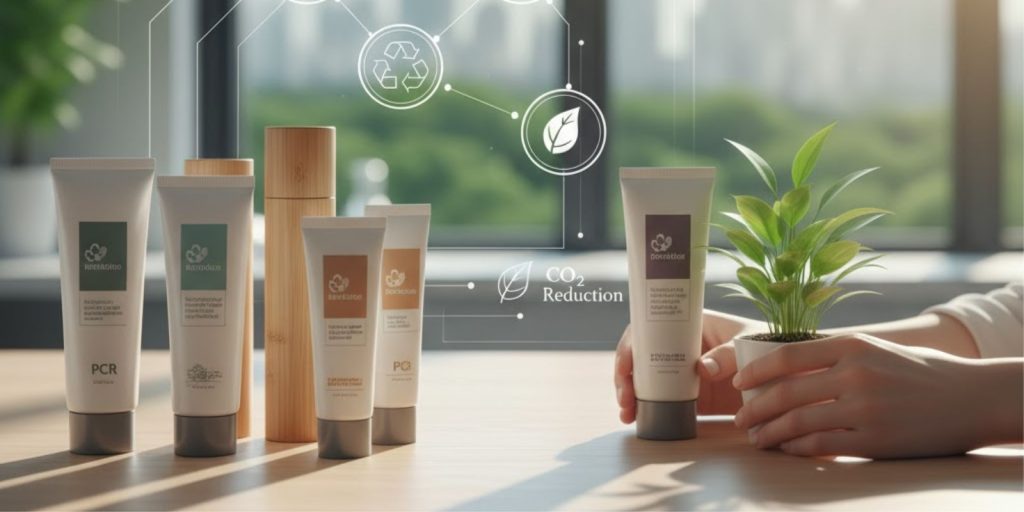
Vào năm 2025, quan điểm của một thương hiệu về tính bền vững không còn là câu chuyện tiếp thị ngoại vi nữa; nó là thành phần cốt lõi tạo nên bản sắc của nó và là động lực quan trọng cho sự lựa chọn của người tiêu dùng. Bao bì, là yếu tố hữu hình và dùng một lần nhất của sản phẩm, được kiểm tra kỹ lưỡng.
Ước tính có khoảng 120 tỷ đơn vị bao bì làm đẹp được sản xuất hàng năm, trong đó phần lớn được đưa đến các bãi chôn lấp (Topfeelpack, 2024). Vì vậy, câu hỏi làm thế nào để lựa chọn vật liệu ống mỹ phẩm gắn bó chặt chẽ với câu hỏi về trách nhiệm sinh thái. Đây không phải là vấn đề đơn giản trong việc lựa chọn một “màu xanh lá” vật chất, mà là hiểu được sắc thái vòng đời và sự đánh đổi của từng lựa chọn.
Nhựa sau tiêu dùng (PCR): Cân bằng nội dung tái chế với hiệu suất
Nhựa sau tiêu dùng (PCR) là nhựa được tái chế từ rác thải tiêu dùng—chẳng hạn như bình sữa, chai nước và các hộp đựng dùng một lần khác đã được thu gom, làm sạch, phân loại và đóng thành viên lại.
Kết hợp PCR vào ống mỹ phẩm của bạn là một cách hiệu quả để tham gia vào nền kinh tế tuần hoàn. Nó làm giảm nhu cầu về nhựa nguyên chất, làm từ nhiên liệu hóa thạch và chuyển chất thải từ các bãi chôn lấp.
Tuy nhiên, làm việc với PCR đòi hỏi mức độ hiểu biết kỹ thuật và tính linh hoạt.
- Những biến thể thẩm mỹ: PCR không phải là một vật liệu nguyên sơ và đồng nhất. Bởi vì nó đến từ một dòng hỗn hợp hàng tái chế nên nó có thể có một chút thay đổi về màu sắc. Một ống được tạo ra với tỷ lệ PCR cao có thể có màu xám nhạt hoặc hơi vàng và có thể chứa các chất nhỏ, khó nhìn thấy được. “đốm đen.” Đối với một thương hiệu yêu cầu ống màu trắng như tuyết, đây có thể là một thách thức. Tuy nhiên, nhiều thương hiệu đang đón nhận tính thẩm mỹ này, thậm chí còn gọi nó trong hoạt động tiếp thị của họ như một dấu hiệu trực quan cho cam kết của họ đối với sự bền vững.
- Cân nhắc về cấu trúc: Mặc dù quy trình xử lý hiện đại đã làm cho hiệu suất PCR gần giống với nhựa nguyên chất, nhưng có thể có những khác biệt nhỏ trong quy trình xử lý và tính toàn vẹn cấu trúc. Điều quan trọng là phải làm việc với nhà cung cấp có chuyên môn về sản xuất PCR để đảm bảo độ bền của ống, đặc biệt là ở phần bịt kín và vai.
- Tỷ lệ nội dung: Các ống có thể được tạo ra với tỷ lệ PCR khác nhau, từ 10% đến 100%. Tỷ lệ phần trăm càng cao thì lợi ích môi trường càng lớn nhưng cũng có những biến thể thẩm mỹ tiềm ẩn càng rõ rệt. Một cách tiếp cận phổ biến là sử dụng PCR cho các lớp bên ngoài của ống nhiều lớp, trong khi vẫn giữ lớp tiếp xúc với sản phẩm bên trong được làm bằng nhựa nguyên chất để đảm bảo độ tinh khiết và khả năng tương thích.
Sự lựa chọn sử dụng PCR là một tuyên bố. Nó cho người tiêu dùng biết rằng bạn đang tích cực chịu trách nhiệm về vòng đời bao bì.
| Vật liệu bền vững | Lợi thế chính | Cân nhắc chính | Tốt nhất cho… |
|---|---|---|---|
| PCR nhựa | Giảm chất thải, hỗ trợ nền kinh tế tuần hoàn. | Có thể có sự khác biệt nhỏ về màu sắc/độ đồng nhất. | Các thương hiệu muốn tạo ra tác động hữu hình đối với rác thải nhựa. |
| Mía PE | Được làm từ nguồn tài nguyên tái tạo, sản xuất không có carbon. | Về mặt hóa học giống hệt với PE hóa thạch; không thể phân hủy sinh học. | Thay thế dạng thả cho PE thông thường để giảm lượng khí thải carbon. |
| Nhôm | Có thể tái chế vô tận với tỷ lệ tái chế cao. | Sử dụng năng lượng cao hơn trong sản xuất sơ cấp; có thể dễ dàng bị móp. | Bảo vệ sản phẩm tối đa và mang lại cảm giác cao cấp/cổ điển. |
| PBL (Có thể tái chế) | Cấu trúc hoàn toàn bằng nhựa có thể được thiết kế để tái chế. | Rào cản EVOH có thể làm phức tạp việc tái chế trong một số hệ thống. | Các thương hiệu cần có rào chắn bảo vệ tốt ở dạng giống như vật liệu đơn. |
Nhựa sinh học: Lời hứa và mối nguy hiểm của mía đường và PLA
Thuật ngữ “nhựa sinh học” có thể gây nhầm lẫn vì nó bao gồm các vật liệu khác nhau với các đặc tính và tình huống cuối đời rất khác nhau. Điều quan trọng là phải hiểu sự khác biệt.
Một trong những loại nhựa sinh học hứa hẹn nhất cho ống mỹ phẩm là Polyethylene làm từ mía đường. Vật liệu này là một điều kỳ diệu dựa trên sinh học. Trong quá trình sinh trưởng, cây mía thu giữ CO2 từ khí quyển.
Cây mía này sau đó được xử lý để sản xuất ethanol, sau đó được chuyển thành ethylene và sau đó là polyethylene.
Kết quả là tạo ra một loại nhựa giống hệt về mặt hóa học và vật lý với PE truyền thống có nguồn gốc từ nhiên liệu hóa thạch. Điều này có nghĩa là nó có thể được sử dụng như một “ghé vào” thay thế mà không cần kiểm tra lại tính tương thích của công thức hoặc thay đổi quy trình sản xuất. Nó cũng có thể tái chế hoàn toàn trong dòng tái chế PE hiện có (số 2 và số 4). Lợi ích chính của nó là nguồn gốc tái tạo và vai trò của nó trong việc giảm lượng khí thải carbon của bao bì.
Một loại nhựa sinh học nổi tiếng khác là Axit Polylactic (PLA). PLA thường có nguồn gốc từ tinh bột ngô và được ca ngợi là “có thể phân hủy sinh học.”
Tuy nhiên, thuật ngữ này đi kèm với một cảnh báo đáng kể. PLA sẽ chỉ phân hủy sinh học trong điều kiện nhiệt độ cao cụ thể của cơ sở sản xuất phân bón công nghiệp.
Nó sẽ không bị phân hủy trong thùng ủ phân ở sân sau, cũng như không bị phân hủy ở bãi rác hoặc nếu thải ra đại dương. Hơn nữa, nếu PLA bị đặt nhầm vào dòng tái chế nhựa tiêu chuẩn, nó có thể làm ô nhiễm toàn bộ lô PET hoặc PE, khiến nó trở nên vô dụng.
Vì những lý do này, mặc dù PLA là một vật liệu thú vị cho một số ứng dụng nhất định (như các mặt hàng dịch vụ thực phẩm sử dụng một lần trong hệ thống khép kín), nhưng nó thường là một lựa chọn có vấn đề đối với các mặt hàng tiêu dùng được phân phối rộng rãi như mỹ phẩm.
Khi xem xét nhựa sinh học, sự rõ ràng về vòng đời của PE mía—nguồn tái tạo, hiệu suất giảm và khả năng tái chế tiêu chuẩn—thường khiến nó trở thành lựa chọn có trách nhiệm hơn và ít gây nhầm lẫn hơn cho người tiêu dùng so với PLA.
Câu hỏi về nhôm: Khả năng tái chế, trọng lượng và khả năng bảo vệ
Ống nhôm gợi lên cảm giác về di sản, chất lượng và hiệu quả dược phẩm. Chúng cung cấp khả năng bảo vệ hàng rào tuyệt vời như đã thảo luận trước đó.
Từ góc độ bền vững, tài sản lớn nhất của nhôm là khả năng tái chế vô hạn. Nó có thể được nấu chảy và tái chế thành các sản phẩm nhôm mới nhiều lần mà không làm giảm chất lượng. Tỷ lệ tái chế nhôm nhìn chung cũng cao hơn so với nhiều loại nhựa ở Bắc Mỹ và Châu Âu.
Sự đánh đổi nằm ở sản xuất ban đầu của nó. Tạo nhôm sơ cấp từ quặng bauxite là một quá trình cực kỳ tiêu tốn năng lượng. Mặc dù việc sử dụng nhôm tái chế giúp giảm đáng kể nhu cầu năng lượng này (tới 95%), nhưng chuỗi cung ứng ống nhôm tái chế 100% có thể phức tạp.
Ngoài ra, ống nhôm nặng hơn so với ống nhựa, điều này có thể làm tăng lượng khí thải carbon liên quan đến vận chuyển. Chúng có xu hướng bị móp và nhăn, đồng thời cung cấp chức năng “nếp gấp,” có thể được coi là một nhược điểm về mặt thẩm mỹ đối với một số thương hiệu hướng đến vẻ ngoài bóng bẩy, hoàn hảo vĩnh viễn.
Đối với những người khác, điều này “wabi-sabi” chất lượng của một ống nhôm được sử dụng tốt là một phần tạo nên sự hấp dẫn của nó.
Thiết kế cho khả năng tái chế: Một cách tiếp cận toàn diện ngoài việc lựa chọn vật liệu
Thiết kế bền vững thực sự đòi hỏi phải suy nghĩ về toàn bộ gói chứ không chỉ thân ống. Đây là nguyên tắc của “Thiết kế cho khả năng tái chế” (DfR). Một ống PE có thể tái chế hoàn hảo có thể trở thành ống không thể tái chế do chọn sai nắp, ống bọc ngoài hoặc nhãn.
Hãy xem xét các yếu tố sau:
- Kết hợp vật liệu: Gói có thể tái chế lý tưởng là “đơn chất” một, trong đó ống, vai và nắp đều được làm từ cùng một loại nhựa (ví dụ: tất cả PE hoặc tất cả PP). Khi vật liệu được trộn lẫn, hệ thống phân loại tự động tại các cơ sở tái chế có thể bị nhầm lẫn, thường đưa gói hàng đến bãi chôn lấp.
- Mũ: Nếu thân ống là PE thì nắp cũng là PE phải không? Hay là Polypropylen (PP)? Mặc dù một số cơ sở tiên tiến có thể tách những thứ này ra nhưng cách tiếp cận đơn vật liệu luôn an toàn hơn. Thế còn một chiếc nắp kim loại trên một ống nhựa thì sao? Đây là một điểm ô nhiễm phổ biến.
- Nhãn và tay áo: Ống bọc co toàn thân làm bằng PVC hoặc PETG trên ống PE sẽ khiến toàn bộ gói hàng không thể tái chế được. Vật liệu tay áo là một chất gây ô nhiễm. Nếu cần thiết phải dán nhãn thì nhãn phải nhỏ và được làm bằng vật liệu tương thích với chất kết dính có thể giặt được, để có thể tháo nhãn ra trong quá trình tái chế.
- Màu sắc: Nhựa màu đen cacbon có thể vô hình trước công nghệ phân loại hồng ngoại (NIR) được sử dụng trong nhiều cơ sở tái chế. Điều này có nghĩa là ống PE màu đen, mặc dù có thể tái chế về mặt kỹ thuật nhưng có thể được tự động phân loại để chôn lấp. Lựa chọn màu sáng hơn hoặc sử dụng bột màu đen không chứa carbon có thể giải quyết vấn đề này.
Việc lựa chọn một con đường bền vững bao gồm việc đối thoại với nhà cung cấp bao bì.
Hỏi họ về các lựa chọn vật liệu đơn, lựa chọn nắp có thể tái chế và chất màu tương thích với hệ thống phân loại. Mức độ tìm hiểu sâu hơn này là dấu hiệu của một thương hiệu thực sự có trách nhiệm.
Yếu tố 3: Xem xét trải nghiệm người dùng và chức năng phân phối

Chất liệu của ống mỹ phẩm không phải là một vật chứa thụ động; nó là người tham gia tích cực vào nghi thức sử dụng sản phẩm hàng ngày. Chất lượng xúc giác, tính linh hoạt và cách nó cộng tác với hệ thống đóng cửa đều góp phần đánh giá tiềm thức của người tiêu dùng về chất lượng và mức độ mong muốn của sản phẩm.
Một loại kem có công thức đẹp mắt nhưng khó sử dụng hoặc gây khó chịu sẽ không tạo cảm hứng để mua lại. Do đó, sự đồng cảm sâu sắc đối với trải nghiệm của người dùng cuối phải hướng dẫn quá trình lựa chọn chất liệu ống mỹ phẩm.
Yếu tố ép: Tính linh hoạt của vật liệu và độ nhớt của sản phẩm
Tương tác cơ bản nhất của người tiêu dùng với một cái ống là bóp nó. Lượng lực cần thiết, cách ống tạo ra và cách nó phục hồi hình dạng đều được quyết định bởi sự lựa chọn vật liệu và độ dày của thành.
Cái này “yếu tố ép” phải hài hòa với độ nhớt của công thức của bạn.
Hãy tưởng tượng một loại huyết thanh rất mỏng, giống như chất lỏng. Nếu nó được đóng gói trong ống LDPE có thành mỏng, rất mềm thì việc vô tình ấn nhẹ vào túi trang điểm có thể khiến một lượng đáng kể sản phẩm bị rò rỉ ra ngoài.
Đối với công thức như vậy, vật liệu cứng hơn một chút như MDPE hoặc thậm chí là ống PBL cung cấp khả năng phân phối có kiểm soát hơn có thể phù hợp hơn. Người dùng cần cảm thấy họ có thể kiểm soát được lượng sản phẩm được phân phối, từng giọt một.
Ngược lại, hãy xem xét một loại mặt nạ đất sét dày, dạng sệt. Đóng gói thứ này trong một ống nhựa HDPE cứng chắc sẽ là một thảm họa về mặt chức năng.
Người dùng sẽ phải dùng một lực đáng kể để phân phối sản phẩm và khi ống rỗng, gần như không thể lấy được 20-30% mặt nạ cuối cùng ra ngoài. Điều này dẫn đến sự thất vọng của khách hàng và lãng phí sản phẩm.
Đối với sản phẩm có độ nhớt cao như vậy, ống LDPE mềm, có độ dẻo cao là lý tưởng. Một lựa chọn thậm chí còn tốt hơn có thể là ống ABL, có “nếp gấp” Đặc tính cho phép người dùng cuộn ống lên từ dưới lên, đảm bảo từng phần cuối cùng của sản phẩm có thể được lấy ra dễ dàng.
Hành động cân bằng này là một khía cạnh quan trọng của thiết kế lấy người dùng làm trung tâm. Bạn phải thực hiện về mặt tinh thần (và thể chất) trong quá trình sử dụng sản phẩm từ ứng dụng đầu tiên đến ứng dụng cuối cùng.
Cảm giác của ống thay đổi như thế nào khi nó rỗng? Nó có trở nên khó xử lý không? Liệu nó có duy trì được tính thẩm mỹ của nó không?
Nắp, máy bơm hoặc dụng cụ bôi? Việc đóng cửa ảnh hưởng đến việc lựa chọn nguyên liệu như thế nào
Ống không hoạt động độc lập. Nó tạo thành một hệ thống có nắp đóng—có thể là nắp vặn đơn giản, nắp lật, bơm phân phối hoặc dụng cụ bôi chuyên dụng. Việc lựa chọn cách đóng có thể đặt ra những yêu cầu cụ thể về vật liệu và cấu trúc ống.
- Mũ tiêu chuẩn (Vặn vít/Lật trên): Đây là những cách đóng phổ biến nhất và tương thích với nhiều loại vật liệu ống nhất. Sự xem xét chính ở đây là “chủ đề” trên cổ ống hoặc “cái đầu.” Vật liệu phải đủ chắc chắn để chịu được mô-men xoắn đóng mở lặp đi lặp lại mà không bị bong tróc hoặc nứt.
- Máy bơm phân phối (Không có không khí hoặc tiêu chuẩn): Máy bơm thường được sử dụng cho các loại kem dưỡng da và huyết thanh có giá trị cao để cung cấp liều lượng chính xác. Hệ thống bơm không có không khí, sử dụng piston hướng lên bên trong ống, thường yêu cầu cấu trúc ống cứng hơn (như PBL hoặc PE có thành dày hơn) để hoạt động chính xác và ngăn thành ống bị xẹp vào trong khi sử dụng sản phẩm.
- Người ứng dụng đặc biệt: Thị trường rất phong phú với các dụng cụ cải tiến được tích hợp trực tiếp vào đầu ống: bi lăn bằng gốm hoặc kim loại để làm mát kem dưỡng mắt, núm vú silicone để mát-xa trong các phương pháp điều trị hoặc đầu cọ để che khuyết điểm. Những dụng cụ này thường yêu cầu thiết kế đầu và vai cụ thể trên ống. Vật liệu ống phải có khả năng được đúc và hàn một cách đáng tin cậy theo các kiểu đầu phức tạp hơn này. Ví dụ, một dụng cụ kim loại nặng có thể được hỗ trợ tốt hơn bằng vai ống PBL hoặc HDPE chắc chắn hơn so với vai ống LDPE rất mềm.
Sự tích hợp của ống và đóng cửa là sự hợp tác kỹ thuật. Khi bạn đang xem xét một dụng cụ cải tiến, bạn phải sớm thảo luận các yêu cầu của nó với nhà sản xuất ống của bạn trong quá trình này.
Họ có thể tư vấn về những vật liệu nào có thể được kết hợp thành công với phần đóng cửa mà bạn mong muốn để tạo ra trải nghiệm người dùng liền mạch và đáng tin cậy. Đây là nơi hợp tác với một nhà cung cấp dịch vụ đầy đủ về giải pháp đóng gói ống mỹ phẩm trở nên vô giá vì chúng có thể đảm bảo tính tương thích của tất cả các thành phần.
Một chút sang trọng: Chất lượng thẩm mỹ và xúc giác của vật liệu
Ngoài chức năng thuần túy, cảm giác cầm trên tay ống còn truyền tải nhiều thông tin về thương hiệu. Trải nghiệm xúc giác này, hoặc “xúc giác,” là một công cụ tiếp thị mạnh mẽ nhưng tinh tế.
Ống PE bóng tiêu chuẩn cho cảm giác sạch sẽ, hiệu quả và quen thuộc. Đó là tiêu chuẩn vì một lý do. Tuy nhiên, một ống có “sự chạm nhẹ” hoặc hoàn thiện mờ cho cảm giác hoàn toàn khác.
Nó mềm mượt, cao cấp và không trơn trượt. Nó nói lên sự sang trọng tinh tế và tính thẩm mỹ hiện đại. Lớp hoàn thiện này thường đạt được bằng cách thêm một lớp sơn mài hoặc lớp phủ đặc biệt ở bước cuối cùng trong quá trình trang trí, độ bám dính và tuổi thọ của nó có thể khác nhau tùy thuộc vào vật liệu ống bên dưới.
Ống PBL, với thân nhẵn, liền mạch và khả năng đàn hồi thỏa mãn, thường cho cảm giác chắc chắn và cao cấp hơn so với ống PE cơ bản. Trọng lượng tăng thêm một chút và khả năng phục hồi hình dạng hoàn hảo sau khi bóp góp phần nâng cao nhận thức về chất lượng.
Nhôm, với cảm giác kim loại mát lạnh và sức nặng vừa ý, thể hiện tính hiệu quả, khả năng bảo vệ và thường là mối liên hệ với truyền thống bào chế thuốc hoặc dược phẩm.
Cách nó giữ hình dạng và ghi lại lịch sử sử dụng của nó trong các nếp gấp và nếp gấp có thể tạo ra mối liên hệ cá nhân với người dùng.
Khi lựa chọn vật liệu, đừng chỉ nhìn vào bảng thông số kỹ thuật. Yêu cầu mẫu. Giữ chúng lại. Bóp chúng. Nhắm mắt lại và tập trung vào cảm giác xúc giác. Cảm giác này có phù hợp với câu chuyện thương hiệu của bạn không?
Nó có cảm giác giống như một loại kem dưỡng da tay trị giá 10 đô la hay một liệu pháp chống lão hóa trị giá 90 đô la? Đánh giá dựa trên cảm giác, đồng cảm này là một bước quan trọng trong việc đưa ra lựa chọn gây được tiếng vang với người tiêu dùng ở mức độ cảm xúc.
Yếu tố 4: Đánh giá tính trang trí, thương hiệu và tiềm năng thẩm mỹ

Một ống mỹ phẩm là một tấm vải trống. Tác phẩm nghệ thuật, màu sắc và kết cấu được áp dụng trên bề mặt của nó là những gì biến nó từ một vật chứa thông thường thành một đại sứ mạnh mẽ cho thương hiệu của bạn. Đó là thứ đầu tiên khách hàng nhìn thấy trên kệ và là điểm tiếp xúc thương hiệu liên tục trên kệ phòng tắm của họ.
Chất liệu bạn chọn cho ống của mình có tác động trực tiếp và sâu sắc đến các kỹ thuật trang trí có sẵn cho bạn và cuối cùng là đến câu chuyện trực quan mà bạn có thể kể.
Một cách tiếp cận chu đáo về cách chọn vật liệu ống mỹ phẩm bao gồm việc hình dung ra sản phẩm trang trí cuối cùng ngay từ đầu.
Khả năng in ấn: In offset, in lụa và dập nóng trên các vật liệu khác nhau
Ba phương pháp phổ biến nhất để trang trí ống mỹ phẩm mỗi loại đều có thế mạnh riêng và phù hợp với các vật liệu cũng như mục tiêu thiết kế khác nhau.
- In offset khô: Đây là công việc chính của việc trang trí ống. Đây là một quá trình tốc độ cao, có thể áp dụng đồng thời tới 8 màu. Đó là lý tưởng cho các hình ảnh quang học, độ chuyển màu phức tạp và các thiết kế yêu cầu đăng ký màu sắc chính xác. In offset tạo ra một lớp mực tương đối mỏng, điều này giúp tiết kiệm chi phí cho những lần in số lượng lớn. Nó hoạt động hoàn hảo trên các bề mặt nhẵn, đều của cả ống PE ép đùn và ống nhiều lớp (PBL/ABL). Đối với ống nhiều lớp, tác phẩm nghệ thuật thường “in ngược” ở mặt dưới của lớp nhựa trên cùng trước khi tạo thành ống, bảo vệ tác phẩm nghệ thuật khỏi trầy xước và mài mòn.
- In lụa: Nếu bạn muốn màu sắc đậm, sống động với hiệu ứng nổi, xúc giác thì in lụa là sự lựa chọn ưu việt. Trong quá trình này, mực được đẩy qua một tấm lưới mịn lên ống, mỗi lần một màu. Phương pháp này tạo ra một lớp mực dày, mờ đục, khiến nó trở nên hoàn hảo để đạt được màu trắng sáng hoặc màu sống động trên ống tối màu hoặc ống màu. Nó mang lại cảm giác kết cấu cao cấp mà in offset không thể tái tạo được. Mặc dù chậm hơn và thường đắt hơn offset nhưng chất lượng của nó có thể cảm nhận được. Nó bám dính tốt với các ống PE, PBL và ABL, mặc dù có thể cần phải xử lý bề mặt để đảm bảo độ bám dính thích hợp của mực.
- Dập nóng: Để có được vẻ sáng bóng của kim loại, dập nóng là điều tuyệt vời nhất. Quá trình này sử dụng nhiệt và áp suất để truyền một lớp mỏng lá kim loại hoặc sắc tố lên ống. Nó được sử dụng để tạo ra các logo, đường viền hoặc văn bản bằng vàng hoặc bạc sáng bóng bắt ánh sáng và báo hiệu sự sang trọng. Nó có thể được áp dụng trên cả tác phẩm nghệ thuật in offset và in lụa để thêm chi tiết bắt mắt cuối cùng. Bề mặt nhẵn của tất cả các loại ống thường thích hợp cho việc dập nóng.
Việc lựa chọn vật liệu có thể ảnh hưởng đến các quá trình này. Ví dụ: đường nối trên ống nhiều lớp (ABL/PBL) tạo ra một khoảng trống nhỏ, không thể tránh khỏi trong bất kỳ tác phẩm nghệ thuật 360 độ nào.
Ống PE ép đùn, liền mạch, cho phép thiết kế liên tục, không bị gián đoạn xung quanh toàn bộ chu vi của nó. Đây có thể là một yếu tố quan trọng nếu ý tưởng thiết kế của bạn dựa vào hình ảnh bao quanh.
Tác động trực quan của chất liệu hoàn thiện: Bóng, Mờ và Ánh ngọc trai
Ngoài tác phẩm nghệ thuật được in, kết thúc vốn có của ống chính nó thiết lập giai điệu tổng thể.
- Kết thúc bóng: Đây là kết thúc tiêu chuẩn cho hầu hết các ống. Nó sáng, phản chiếu và mang lại màu sắc rực rỡ. Lớp sơn bóng thể hiện sự sạch sẽ, năng lượng và dễ lau chùi.
- Kết thúc mờ: Lớp sơn mờ đạt được bằng cách phủ một lớp sơn mài đặc biệt, không phản chiếu lên ống. Nó hấp thụ ánh sáng, tạo cho ống một vẻ ngoài tinh xảo, mượt mà và hiện đại. Nó có thể làm cho màu sắc có vẻ dịu hơn và có màu đất hơn. Lớp hoàn thiện mờ thường gắn liền với sự cao cấp, “ít hơn là nhiều hơn” xây dựng thương hiệu.
- Hiệu ứng ngọc trai hoặc kim loại: Bản thân vật liệu ống có thể mang lại những hiệu ứng đặc biệt. Bằng cách thêm các sắc tố cụ thể vào nhựa PE trước khi ép đùn, ống có thể tạo ra ánh sáng lung linh tinh tế như ngọc trai hoặc ánh kim loại. Điều này có thể tạo ra hiệu ứng sâu, bóng mà không thể đạt được chỉ bằng việc in ấn, làm cho toàn bộ gói hàng tỏa ra chất lượng.
Khi lập kế hoạch thiết kế của bạn, hãy xem xét những kết thúc này sẽ tương tác như thế nào. Ống mờ có logo nhỏ màu vàng bóng được dập nóng tạo nên sự tương phản tuyệt đẹp của kết cấu.
Một hình ảnh chân thực được in trên ống bóng sẽ trông sắc nét và sống động. Chất liệu và lớp hoàn thiện phải phối hợp nhịp nhàng với nhau để đạt được tầm nhìn thẩm mỹ cho thương hiệu của bạn.
Đối với các thương hiệu muốn tạo ra một diện mạo độc đáo, hãy khám phá các lựa chọn cho ống mỹ phẩm tùy chỉnh với một nhà sản xuất có kinh nghiệm có thể mở ra nhiều khả năng sáng tạo.
Đạt được nhận diện thương hiệu gắn kết xuyên suốt dòng sản phẩm
Hầu hết các thương hiệu không chỉ bán một sản phẩm. Họ có một dòng sản phẩm—sữa rửa mặt, serum, kem dưỡng ẩm, kem chống nắng.
Thách thức chính là duy trì nhận diện thương hiệu nhất quán và dễ nhận biết trên các sản phẩm khác nhau này, vốn có thể yêu cầu các loại bao bì ống khác nhau do công thức của chúng.
Huyết thanh Vitamin C của bạn có thể cần ống EVOH 5 lớp để bảo vệ. Sữa rửa mặt hàng ngày của bạn có thể hoàn toàn phù hợp trong một ống PE một lớp đơn giản. Kem chống nắng có chỉ số SPF cao của bạn có thể cần lớp màng bảo vệ vượt trội của ống PBL. Làm thế nào để bạn làm cho ba chiếc ống khác nhau này trông giống như chúng thuộc cùng một họ?
Đây là lúc việc lập kế hoạch cẩn thận với đối tác đóng gói của bạn là rất quan trọng.
- Phối màu: Màu Pantone cụ thể của thương hiệu của bạn có thể được sao chép một cách nhất quán trên các vật liệu PE, PBL và ABL không? Nhà cung cấp chuyên nghiệp có thể quản lý quy trình này để đảm bảo màu xanh đặc trưng của thương hiệu của bạn trông giống nhau trên mọi sản phẩm.
- Kết thúc tính nhất quán: Có thể áp dụng cùng một loại sơn mài mờ hoặc bóng cho các loại ống khác nhau để mang lại cho chúng cảm giác và hình thức đồng nhất khi xúc giác không?
- Tiêu chuẩn về kiểu chữ và đồ họa: Việc sử dụng cùng một phông chữ, vị trí logo và các yếu tố đồ họa trên tất cả các ống sẽ tạo ra một liên kết trực quan mạnh mẽ, ngay cả khi chất liệu và hình dạng ống bên dưới hơi khác nhau.
- Thống nhất mũ: Sử dụng cùng một kiểu dáng và màu sắc của mũ trên toàn bộ dòng là một trong những cách hiệu quả nhất để tạo ra một cái nhìn gắn kết cho cả gia đình.
Mục tiêu là tạo ra một “ngữ pháp trực quan” cho thương hiệu của bạn được người tiêu dùng nhận biết. Khi họ nhìn thấy màu sắc, lớp hoàn thiện và kiểu dáng mũ cụ thể đó, họ sẽ nghĩ ngay đến thương hiệu của bạn. Điều này đòi hỏi một cái nhìn tổng thể về bao bì, coi nó không phải là một loạt các lựa chọn riêng lẻ mà là sự tạo ra một hệ sinh thái thương hiệu tích hợp.
Yếu tố 5: Phân tích chuỗi cung ứng, sản xuất và tác động chi phí
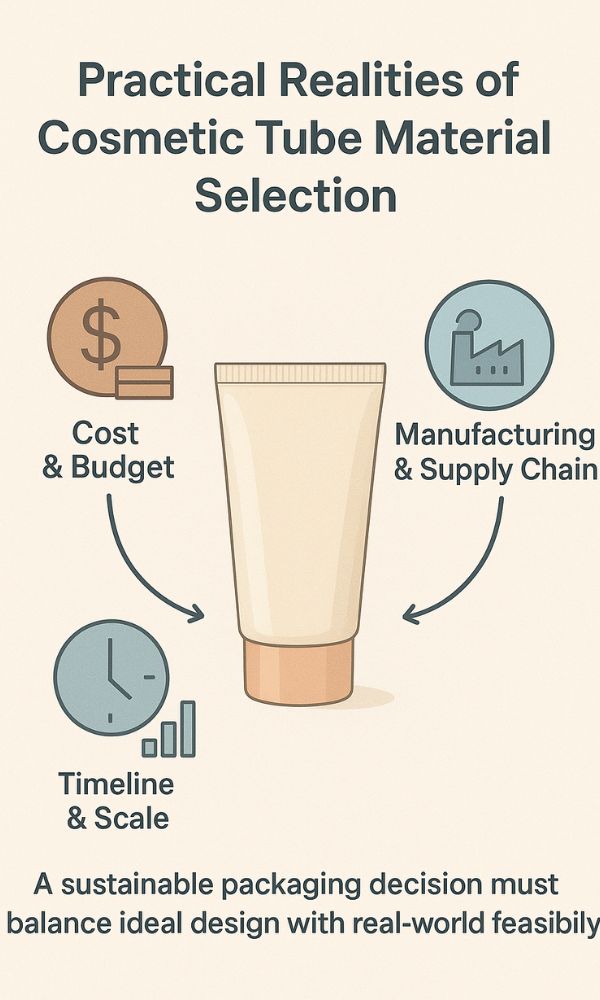
Nhóm cân nhắc cuối cùng trong việc lựa chọn vật liệu ống mỹ phẩm có tính thực tế cao, liên quan đến thực tế kinh tế và hậu cần khi đưa sản phẩm ra thị trường.
Một lựa chọn vật liệu lý tưởng trên giấy sẽ là vô nghĩa nếu nó không thể sản xuất được trong phạm vi ngân sách, dòng thời gian và quy mô của bạn.
Đánh giá thực tế về chuỗi cung ứng, quy trình sản xuất và tổng chi phí là điều cần thiết để đưa ra quyết định kinh doanh thành công và bền vững.
Thời gian giao hàng và MOQ: Thực tế của việc tìm nguồn cung ứng các loại vật liệu khác nhau
Không phải tất cả các vật liệu ống đều được tạo ra như nhau về tính sẵn có.
- Số lượng đặt hàng tối thiểu (MOQ): Điều này đề cập đến số lượng đơn vị nhỏ nhất mà nhà sản xuất sẽ sản xuất trong một lần chạy. Các vật liệu tiêu chuẩn như PE trắng hoặc tự nhiên thường có MOQ thấp nhất, đôi khi bắt đầu ở mức thấp nhất là 5.000 hoặc 10.000 chiếc, dành cho các thương hiệu mới nổi hoặc độc lập. Tuy nhiên, nếu bạn yêu cầu màu tùy chỉnh, hiệu ứng đặc biệt như ánh ngọc trai hoặc tỷ lệ nhựa PCR cao, nhà sản xuất có thể cần đặt MOQ cao hơn nhiều. Điều này là do họ phải thanh lọc máy móc và thực hiện pha trộn vật liệu tùy chỉnh cho hoạt động của bạn, điều này chỉ tiết kiệm ở quy mô lớn hơn (ví dụ: 25.000 chiếc trở lên). Ống nhiều lớp (ABL/PBL) cũng thường có MOQ cao hơn do sự phức tạp trong việc tìm nguồn cung ứng và in ấn vật liệu cán phẳng trước khi nó được tạo thành ống.
- Thời gian dẫn: Đây là thời gian từ khi đặt hàng đến khi nhận được ống thành phẩm. Ống PE tiêu chuẩn thường có thời gian thực hiện ngắn nhất, thường khoảng 4-6 tuần. Việc tìm nguồn cung ứng nhựa chuyên dụng, vật liệu có hàm lượng PCR cao hoặc các loại vật liệu cán mỏng phức tạp có thể kéo dài thời gian thêm hàng tuần hoặc thậm chí hàng tháng. Sự gián đoạn chuỗi cung ứng toàn cầu, như thường lệ trong những năm gần đây, có thể ảnh hưởng hơn nữa đến sự sẵn có của các loại polyme hoặc lá nhôm cụ thể.
Đối với một thương hiệu mới tung ra sản phẩm đầu tiên của mình, vật liệu có MOQ thấp và thời gian thực hiện ngắn, đáng tin cậy có thể là lựa chọn khôn ngoan nhất, cho phép linh hoạt hơn và chi phí vốn ban đầu ít hơn.
Các thương hiệu lâu đời với khối lượng bán hàng có thể dự đoán được có thể được định vị tốt hơn để tận dụng lợi thế quy mô kinh tế đi kèm với việc đặt hàng các nguyên liệu chuyên dụng ở mức MOQ cao hơn.
Tổng chi phí sở hữu: Ngoài giá mỗi đơn vị
Một sai lầm phổ biến là chọn vật liệu ống chỉ dựa trên giá mỗi đơn vị thấp nhất do nhà cung cấp đưa ra. Cách tiếp cận này bỏ qua “Tổng chi phí sở hữu,” trong đó bao gồm một loạt các chi phí và rủi ro tiềm ẩn rộng lớn hơn nhiều.
Một ống rẻ hơn, có rào cản thấp hơn có thể giúp bạn tiết kiệm được 5 xu cho mỗi đơn vị trả trước.
Tuy nhiên, nếu lựa chọn đó khiến 2% sản phẩm của bạn bị hư hỏng trên kệ do quá trình oxy hóa, chi phí hàng hóa bị mất, khách hàng trả lại và tổn hại đến danh tiếng thương hiệu của bạn sẽ vượt xa số tiền tiết kiệm ban đầu. Hãy coi việc lựa chọn nguyên liệu như một hình thức bảo hiểm cho công thức của bạn.
Hãy xem xét những chi phí ẩn sau:
- Mất sản phẩm: Như đã đề cập, sự không tương thích có thể dẫn đến hư hỏng.
- Chi phí kiểm tra: Một vật liệu mới hoặc phức tạp hơn có thể yêu cầu thử nghiệm độ ổn định và khả năng tương thích rộng rãi và tốn kém hơn.
- Chi phí vận chuyển: Những vật liệu nặng hơn như nhôm hoặc ống có thành dày sẽ làm tăng trọng lượng vận chuyển và do đó làm tăng chi phí hậu cần.
- Chi phí cơ hội bị mất: Nếu thời gian giao hàng dài cho một loại vật liệu đặc biệt khiến bạn bỏ lỡ một mùa bán lẻ quan trọng (chẳng hạn như những ngày lễ), doanh số bán hàng bị mất có thể rất lớn.
Cách tiếp cận khôn ngoan nhất là đánh giá chi phí của ống so với chi phí và độ nhạy của sữa công thức bên trong nó. Sẽ thật vô nghĩa khi đóng gói một loại huyết thanh trị giá 100 đô la mỗi ounce, được pha chế với các hoạt chất đắt tiền và tinh tế, trong hộp đựng rẻ nhất có thể.
Chi phí đóng gói phải được coi là phần trăm của tổng giá trị sản phẩm và đầu tư vào việc bảo vệ thích hợp là một chiến lược kinh doanh đúng đắn.
Hợp tác với Nhà sản xuất OEM/ODM để có chuyên môn về vật liệu
Việc điều hướng mê cung của khoa học vật liệu, các quy định về tính bền vững và hậu cần của chuỗi cung ứng có thể là một công việc khó khăn, đặc biệt đối với các thương hiệu không có đội ngũ kỹ thuật đóng gói nội bộ chuyên dụng. Đây là lúc giá trị của mối quan hệ hợp tác chặt chẽ với Nhà sản xuất thiết bị gốc (OEM) hoặc Nhà sản xuất thiết kế gốc (ODM) có kinh nghiệm trở nên rõ ràng.
Một nhà sản xuất chuyên nghiệp không chỉ là một nhà cung cấp; họ là nhà tư vấn và cộng tác viên. Họ có kiến thức thực tế, sâu sắc về cách hoạt động của các vật liệu khác nhau, không chỉ trong phòng thí nghiệm mà còn trong sản xuất thực tế. Họ có thể cung cấp hướng dẫn có giá trị:
- Khuyến nghị về vật liệu: Dựa trên danh sách thành phần trong công thức, tính thẩm mỹ của thương hiệu và ngân sách của bạn, họ có thể đề xuất các lựa chọn nguyên liệu phù hợp nhất.
- Tìm nguồn cung ứng và kiểm tra: Họ đã thiết lập mối quan hệ với các nhà cung cấp nguyên liệu thô và có thể kiểm tra chất lượng cũng như độ tin cậy của các nguồn nhựa, cán mỏng và PCR.
- Tính khả thi về mặt kỹ thuật: Họ có thể ngay lập tức cho bạn biết liệu trang trí mong muốn của bạn có thể đạt được trên một vật liệu cụ thể hay không hoặc liệu nắp bạn chọn có tương thích với một đầu ống cụ thể hay không.
- Tuân thủ quy định: Họ luôn cập nhật các quy định quốc tế về bao bì, chẳng hạn như những quy định liên quan đến an toàn khi tiếp xúc với thực phẩm hoặc các quy định về nội dung tái chế, đảm bảo bao bì của bạn tuân thủ các thị trường mục tiêu của bạn.
Bằng cách tận dụng kiến thức chuyên môn của đối tác sản xuất, bạn giảm thiểu rủi ro khi ra mắt sản phẩm và giúp nhóm của bạn tập trung vào những gì họ làm tốt nhất: xây dựng công thức, tiếp thị và xây dựng thương hiệu.
Họ đóng vai trò là người hướng dẫn bạn thực hiện quy trình phức tạp nhưng quan trọng về cách chọn vật liệu ống mỹ phẩm, đảm bảo gói hàng cuối cùng đẹp, hoạt động tốt, có trách nhiệm và khả thi về mặt thương mại.
Câu hỏi thường gặp (FAQ)
Sự khác biệt chính giữa ống ABL và ống PBL là gì?
Sự khác biệt cốt lõi nằm ở lớp rào cản. Ống ABL (Aluminum Barrier Laminate) sử dụng một lớp lá nhôm mỏng, tạo ra một rào cản gần như tuyệt đối đối với ánh sáng, oxy và độ ẩm. Ống PBL (Plastic Barrier Laminate) sử dụng lớp chắn bằng nhựa, điển hình là EVOH (Ethyl Vinyl Alcohol), mang lại khả năng bảo vệ tuyệt vời nhưng kém tuyệt đối hơn một chút. Về mặt thẩm mỹ, ống ABL không đàn hồi trở lại khi bị ép (a “nếp gấp”), trong khi ống PBL có “bị trả lại” chất lượng và trở lại hình dạng của chúng.
Nhựa PCR có an toàn cho mỹ phẩm không?
Có, PCR (Nhựa sau tiêu dùng) được coi là an toàn cho bao bì mỹ phẩm khi có nguồn gốc từ nhà cung cấp có uy tín tuân theo các quy trình làm sạch và xử lý thích hợp. Để loại bỏ mọi nguy cơ tiếp xúc trực tiếp với công thức, nhiều thương hiệu lựa chọn ống nhiều lớp trong đó lớp bên trong được làm bằng nhựa nguyên chất, dùng cho thực phẩm và các lớp bên ngoài chứa hàm lượng PCR. Điều này mang lại lợi ích bền vững mà không ảnh hưởng đến an toàn sản phẩm.
Làm cách nào để kiểm tra chính xác xem sữa công thức của tôi có tương thích với vật liệu dạng ống hay không?
Thông lệ tiêu chuẩn của ngành là tiến hành kiểm tra độ ổn định. Bạn đổ đầy các mẫu ống đã chọn với công thức sản phẩm cuối cùng của mình và đặt chúng vào các buồng được kiểm soát môi trường ở nhiệt độ cao (ví dụ: 40-45°C) và đôi khi nhiệt độ luân chuyển trong 1 đến 3 tháng. Điều này đẩy nhanh quá trình lão hóa. Sau đó, bạn đánh giá định kỳ cả sản phẩm (về những thay đổi về màu sắc, mùi hương, độ pH, độ nhớt) và bao bì (xem có rò rỉ, nứt, phồng hoặc tách lớp).
Tôi có thể mua một ống hoàn toàn có thể tái chế và có khả năng bảo vệ rào cản tốt không?
Vâng, điều này ngày càng có thể thực hiện được. Ống PBL được làm bằng cấu trúc PE và rào cản EVOH là một ứng cử viên sáng giá. Mặc dù lớp EVOH là một loại polymer khác, với tỷ lệ phần trăm nhỏ (thường dưới 5% tổng trọng lượng gói hàng), nhưng nó thường được nhiều cơ quan tái chế coi là tương thích với dòng tái chế PE. Luôn tham khảo ý kiến nhà cung cấp bao bì của bạn về các chứng nhận và hướng dẫn về khả năng tái chế cụ thể cho vật liệu của họ tại thị trường mục tiêu của bạn.
Là gì “nhựa mía” và nó có thể phân hủy sinh học được không?
Nhựa mía, còn được gọi là bio-polyethylene, là một loại nhựa được làm từ ethanol có nguồn gốc từ mía, một nguồn tài nguyên tái tạo. Về mặt hóa học và cấu trúc, nó giống hệt với polyetylen truyền thống được làm từ nhiên liệu hóa thạch. Nó không thể phân hủy sinh học. Lợi ích môi trường chính của nó là nguồn gốc tái tạo và thực tế là việc sản xuất nó có thể thải ra lượng carbon âm. Ưu điểm chính là nó có thể tái chế hoàn toàn trong dòng tái chế PE hiện có (Số 2 hoặc Số 4).
Tại sao một số ống có đường may nhìn thấy được?
Đường may nhìn thấy được là đặc điểm của ống nhiều lớp (cả ABL và PBL). Những ống này được làm bằng cách in trên một tấm vật liệu cán mỏng phẳng, sau đó được cắt và cuộn thành hình trụ, các cạnh được hàn kín với nhau để tạo thành một ống. Điểm nối này tạo ra đường may. Các ống ép đùn, được chế tạo bằng cách ép nhựa nóng chảy qua khuôn tròn, liền mạch và cho phép trang trí 360 độ mà không bị gián đoạn.
Độ dày thành ảnh hưởng đến ống của tôi như thế nào?
Độ dày của thành ảnh hưởng đến độ cứng, cảm giác và đặc tính rào cản của ống. Thành dày hơn sẽ làm cho ống có cảm giác chắc chắn hơn và kém linh hoạt hơn, điều này có thể là điều đáng mong đợi đối với một sản phẩm sang trọng hoặc một sản phẩm cần đứng thẳng. Nó cũng cung cấp một rào cản tốt hơn một chút so với một bức tường mỏng hơn có cùng chất liệu. Thành mỏng hơn tạo ra ống mềm hơn, dễ bóp hơn, lý tưởng cho các sản phẩm có độ nhớt cao nhưng có thể mang lại cảm giác kém cao cấp hơn.
Phần kết luận
Hành trình lựa chọn chất liệu tuýp mỹ phẩm là một mô hình thu nhỏ của chính quá trình xây dựng thương hiệu. Đó là một bài tập nhằm cân bằng các yêu cầu chính xác của khoa học với sức mạnh gợi cảm của nghệ thuật, tính thực tiễn của thương mại với lời kêu gọi cấp bách về quản lý môi trường. Đây không phải là một quyết định được đưa ra một cách nhẹ nhàng hoặc dựa trên một thước đo duy nhất như chi phí.
Như chúng tôi đã khám phá, sự lựa chọn sẽ tác động qua mọi giai đoạn trong vòng đời của sản phẩm, từ việc đảm bảo tính ổn định của một công thức phức tạp đến việc định hình ấn tượng đầu tiên và sự tương tác cuối cùng của người tiêu dùng, và cuối cùng là số phận cuối vòng đời của gói hàng.
Sự lựa chọn thành công là sự lựa chọn phản ánh sự hiểu biết sâu sắc về sản phẩm, sự kết nối đồng cảm với người tiêu dùng và nhận thức có trách nhiệm về thế giới rộng lớn hơn.
Cho dù thông qua sự bảo vệ kiên định của ống chắn nhiều lớp, tuyên bố bền vững hữu hình của gói PCR hay sự hấp dẫn cổ điển của nhôm, vật liệu bạn chọn sẽ trở thành một phần không thể thiếu trong câu chuyện sản phẩm của bạn.
Bằng cách cân nhắc kỹ lưỡng những cân nhắc này và hợp tác với các chuyên gia am hiểu, bạn có thể tạo ra bao bì không chỉ chứa đựng mà còn nâng cao sản phẩm của mình, bảo vệ tính toàn vẹn của sản phẩm và thể hiện mạnh mẽ giá trị thương hiệu của bạn trên thị trường cạnh tranh năm 2025.
Tài liệu tham khảo
Cosme-packagings.com. (2025, ngày 23 tháng 5). Ống mỹ phẩm được làm như thế nào? cosme-packagings.com. https://www.cosme-packagings.com/news/how-are-cosmetic-tubes-made-85095457.html
Keyopackaging.com. (2025, ngày 27 tháng 8). Hướng dẫn công nghiệp về ống đóng gói mỹ phẩm. keyopackaging.com. https://www.keyopackaging.com/info/an-industry-guide-to-cosmetic-packaging-tubes-103109247.html
Lissonpackaging.com. (2025, ngày 15 tháng 5). Cách chọn ống mỹ phẩm phù hợp cho sản phẩm của bạn: Hướng dẫn toàn diện. lissonpackaging.com. https://www.lissonpackaging.com/how-to-choose-the-right-cosmetic-tube-for-your-product-a-comprehensive-guide
Pagpackaging.com. (2024, ngày 17 tháng 4). Cách chọn ống phù hợp cho sản phẩm làm đẹp của bạn. pagpackaging.com. https://pagpackaging.com/how-to-choose-the-right-tube-for-your-beauty-products/
Stengpackaging.com. (2025, ngày 5 tháng 6). Cấu trúc và quy trình của ống mỹ phẩm. stengpackaging.com. https://www.stengpackaging.com/jw/structure-and-process-of-cosmetic-tube/
Topfeelpack.com. (2024, ngày 1 tháng 1). Cách chọn chất liệu ống mỹ phẩm: Hướng dẫn thiết thực cho các thương hiệu làm đẹp độc lập. topfeelpack.com. https://www.topfeelpack.com/news/how-to-choose-cosmetic-tube-material-a-practical-guide-for-independent-beauty-brands/
