
Вибір правильної упаковки для ваших косметичних засобів — це не лише зовнішній вигляд, а й захист того, що всередині. Вибираючи косметичні тюбики, необхідно враховувати, як ваша формула буде взаємодіяти з матеріалом упаковки. Найкращий косметичний тюбик для вашого продукту залежить від чутливості вашої формули до таких елементів, як повітря, світло та волога, а алюмінієві або ламіновані тюбики пропонують чудовий захист для чутливих складів.

Ви коли-небудь замислювалися, чому деякі продукти виглядають по-іншому після того, як деякий час були відкритими? Часто це відбувається через неправильний вибір упаковки. Консистенція вашого продукту також має значення — більш густі креми потребують ширших отворів, тоді як рідкі лосьйони працюють краще з контрольованими дозаторами. The правий косметичний тюбик може продовжити термін придатності вашого продукту та зберегти його ефективність від першого використання до останньої краплі.
Ідентичність вашого бренду також відіграє вирішальну роль у виборі труб. Окрім функціональності, ваша упаковка передає клієнтам цінності вашого бренду ще до того, як вони спробують продукт. Незалежно від того, чи шукаєте ви невеликі туристичні варіанти або більші тюбики для продуктів щоденного використання, ваш вибір має відповідати як практичним потребам, так і естетиці вашого бренду. Яке повідомлення ви хочете надіслати клієнтам від упаковки косметики, коли вони вперше побачать ваш продукт на полиці?
Розуміння косметичних пакувальних матеріалів

Правильний пакувальний матеріал може сприяти успіху вашого продукту краси або порушити його. Стабільність вашої формули, термін придатності та досвід користувача залежать від вибору ідеального матеріалу косметичного тюбика з відповідними бар’єрними властивостями та функціями безпеки.
Основні властивості пакувальних матеріалів
Вибираючи упаковку для косметичних продуктів, вам потрібно зосередитися на кількох ключових якостях. Хімічна сумісність має вирішальне значення — ваша упаковка не повинна вступати в реакцію з вашою формулою або вимивати в неї шкідливі речовини.
Довговічність також має значення. Ваша упаковка має витримувати звичайне поводження без тріщин і розривів. Подумайте про те, як ваші клієнти використовуватимуть продукт щодня — чи стискатимуть вони його, впадуть чи піддадуть вологи під душем?
Стійкість стає все більш важливим для споживачів. Стійкі паперово-пластикові труби набувають популярності як екологічна альтернатива традиційним варіантам.
Розглянемо ці питання, оцінюючи пакувальні матеріали:
- Чи захистить він вашу формулу від повітря, світла та забруднення?
- Чи відповідає це зобов’язанням вашого бренду щодо сталого розвитку?
- Чи зможе він витримати ваші виробничі процеси?
Загальні пакувальні матеріали та їх властивості
Пластикові трубки є одними з найбільш універсальних варіантів упаковки косметики. Поліетиленові (PE) трубки гнучкі, легкі та економічно вигідні, що робить їх ідеальними для багатьох косметичних засобів. Вони також стискаються, що клієнти цінують за легке дозування продукту.
Поліетилентерефталат (ПЕТ) забезпечує відмінну прозорість і бар'єрні властивості. Його зазвичай використовують для чіткої упаковки, де важливо продемонструвати ваш продукт.
Металеві труби, зокрема алюміній, забезпечують чудові бар’єрні властивості проти кисню, світла та вологи. Вони ідеально підходять для чутливих складів, які інакше можуть швидко розкластися. Алюмінієві трубки може ефективно захистити продукти від високих температур і вологи.
Гібридні варіанти як алюмінієво-пластикові труби поєднують переваги обох матеріалів. Вони пропонують чудові бар’єрні властивості з додатковою гнучкістю та можливостями дизайну, яких бракує чистому алюмінію.
Роль бар'єрних властивостей в упаковці
Бар'єрні властивості визначте, наскільки добре ваша упаковка захищає формулу від зовнішніх елементів, які можуть спричинити погіршення. Кисень, ультрафіолетове світло, волога та мікробне забруднення є основними загрозами для стабільності косметичного продукту.
Різні формули вимагають різного рівня захисту. Продукти на масляній основі вразливі до окислення, тоді як формули на водній основі ризикують рости мікробів. Вам потрібно буде адаптувати бар’єрні властивості вашої упаковки до цих конкретних потреб.
Для продуктів з активними інгредієнтами або природними консервантами розгляньте упаковку з посиленим кисневим бар’єром. Це може включати металева упаковка або багатошаровий пластик зі спеціальними бар'єрними покриттями.
Пам’ятайте, що розмір упаковки також має значення! Менші трубки, як Варіанти по 5 мл для засобів для очей мінімізуйте контакт продукту з повітрям при кожному використанні, подовжуючи термін зберігання.
Вибір правильної упаковки туби

Вибір ідеальної тюбикової упаковки для вашої косметичної формули є критичним рішенням, яке впливає на стабільність продукту, зручність використання та сприйняття бренду. Правильний тюбик не тільки зберігає вашу формулу, але й покращує враження від споживача завдяки належному розподілу та захисту.
Оцінка сумісності продукту з матеріалами труб
Вибираючи упаковку туби, сумісність з вашою формулою має бути вашим головним пріоритетом. Різні косметичні продукти вимагають спеціальних матеріалів тюбиків для збереження їх цілісності.
Для складів на водній основі, поліетиленові (ПЕ) труби забезпечують відмінну сумісність і гнучкість. Ці тюбики ідеально підходять для зволожуючих і миючих засобів, тому що вони стійкі до тріщин і добре стискаються.
Для масляних або летких формул ви захочете розглянути алюмінієво-пластикові ламінатні труби які забезпечують чудові бар'єрні властивості. Ці трубки допомагають запобігти:
- Окислення чутливих інгредієнтів
- Випарювання ефірних масел
- Витік малов'язких формул
В'язкість продукту також визначає ваш вибір трубки. Більш густі продукти, такі як масла для тіла, найкраще підходять для більш широких отворів і міцних матеріалів, тоді як для сироваток потрібні точні наконечники для дозування та матеріали, які запобігають поділу продукту.
Чи перевірили ви, чи містить ваша формула інгредієнти, які можуть реагувати з певними пластмасами? Деякі активні інгредієнти можуть погіршуватися або ставати менш ефективними в несумісній упаковці.
Важливість терміну зберігання та бар’єрних характеристик
Ваш продукт термін придатності суттєво залежить від бар’єрних характеристик вашої трубки. Правильне пакування збільшує життєздатність продукту та зберігає ефективність формули протягом усього часу використання.
Киснево-бар'єрні властивості мають вирішальне значення для формул, що містять антиоксиданти або інші чутливі до кисню інгредієнти. Багатошарові трубки з EVOH (етиленвініловий спирт) створюють чудові бар’єри для кисню, зберігаючи активні інгредієнти продукту довше.
Світлозахист має однакове значення для фоточутливих складів. Розгляньте такі варіанти:
- Непрозорі трубки для максимального захисту від світла
- Кольорові трубки, які фільтрують світлові хвилі певної довжини
- Металеві матеріали для повного блокування світла
Бар'єри від вологи запобігають як висиханню продукту, так і зовнішньому забрудненню. Для продуктів на водній основі вам потрібні трубки, які запобігають втраті води через випаровування.
Згадайте це розмір і місткість трубки повинні відповідати призначенню вашого продукту. Продукти туристичного розміру потребують більш надійних бар’єрів, оскільки вони зазнають більших змін навколишнього середовища.
Безпека матеріалів і відповідність
Ваша тюбикова упаковка має відповідати суворим вимогам безпеки та нормативним вимогам, щоб захистити як ваших споживачів, так і ваш бізнес. Йдеться не лише про законність, а про розбудову довіри.
Відповідність FDA не підлягає обговоренню для косметичних тюбиків на ринку США. Переконайтеся, що вибрані вами матеріали трубки схвалені для косметичного контакту та не містять заборонених речовин. Подібні правила існують на інших ринках (Регламент ЄС щодо косметики, стандарти ISO).
Високий рівень налаштування не повинні ставити під загрозу безпеку. При виборі таких елементів декору, як:
- Фарби для друку на замовлення
- Обробки тисненням
- Спеціальні покриття
Завжди перевіряйте, чи відповідають вони стандартам безпеки та не переходять у вашу суміш.
Розглянемо вплив на навколишнє середовище на ваш вибір трубки. Зараз багато брендів віддають перевагу трубам, виготовленим із:
- Перероблені після споживання (PCR) матеріали
- Біорозкладні полімери
- Паперово-пластикові гібридні матеріали
Ці екологічні варіанти можуть відповідати як вимогам безпеки, так і очікуванням споживачів щодо екологічної упаковки. Чи перевіряли ви, чи надає ваш постачальник документацію, яка доводить, що їхні матеріали відповідають чинним галузевим стандартам?
Оптимізація брендингу за допомогою косметичних тюбиків
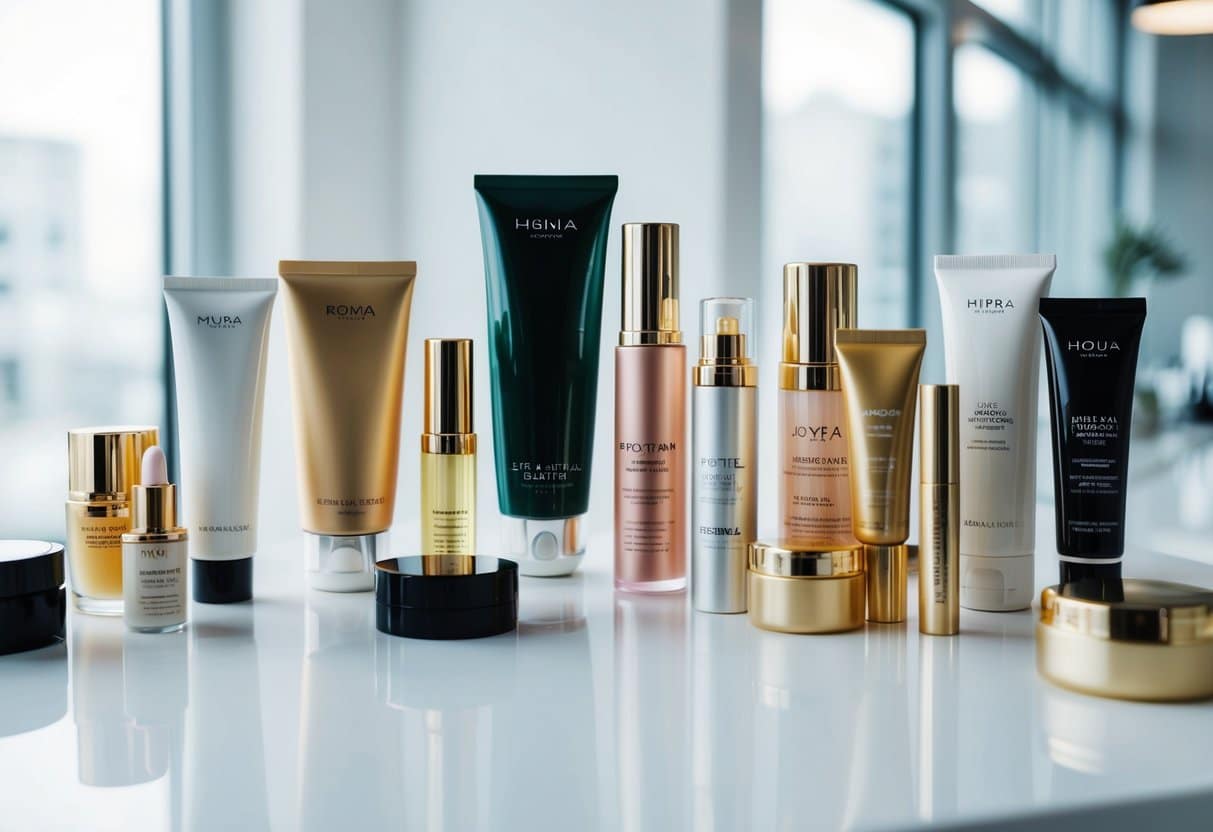
Ваші косметичні тюбики служать потужними амбасадорами бренду, які передають споживачам ваші цінності та якість. Правильний дизайн трубки може зробити ваш продукт миттєво впізнаваним на переповнених полицях і створити незабутнє враження від розпакування для ваших клієнтів.
Інноваційний дизайн упаковки для диференціації бренду
Розробляючи косметичні тюбики, подумайте про те, як унікальні форми та оздоблення можуть виділити ваші продукти. Індивідуальні форми труб наприклад овальні, квадратні або конічні конструкції порушують монотонність традиційних круглих труб і миттєво привертають увагу. Візуальна привабливість має вирішальне значення для спілкування з цільовою аудиторією.
Чи думали ви про спеціальні види обробки? Матові, глянцеві, металеві, м’які на дотик або голографічні покриття створюють різні тактильні враження та візуальні ефекти, які відповідають ідентичності вашого бренду.
Розглянемо ці інноваційні варіанти дизайну:
- Тиснення/дебосінг для першокласного відчуття
- Віконні труби, які виявляють колір або текстуру продукту
- Двокамерні трубки для багатофункціональних продуктів
- Індивідуальні аплікатори, які покращують взаємодію з користувачем
Ваш стиль тюбика також має значення. Відкидні кришки, кришки, що загвинчуються, і диспенсери-насоси не тільки впливають на функціональність, але й сприяють впізнаваності бренду, якщо їх продумано спроектувати.
Стратегічний брендинг і маркетингові міркування
Ваш дизайн косметичного тюбика повинен резонувати з вашою цільовою демографічною групою. Бренди класу «люкс» можуть обрати витончені алюмінієві трубки із золотими вставками, тоді як бренди натуральних виробів часто вибирають екологічні паперопластикові варіанти які відображають екологічно свідомі цінності.
Як ваша трубна структура підтримує історію вашого бренду? Кожен елемент, від кольорів до графіки, має посилювати унікальну торгову пропозицію вашого бренду.
Психологія кольору відіграє важливу роль у конструкції труб:
- Блакитні/зелені відтінки вказують на чистоту, свіжість і натуральні інгредієнти
- Чорний/металік передає розкіш і витонченість
- Пастельні кольори привабливі для молоді
- Яскраві кольори створюють враження на полиці та впізнаваність бренду
Не недооцінюйте вторинну упаковку. Розробляючи туби для подарункових наборів або першокласних лінійок, подумайте про те, як вони вписуються у вашу ширшу стратегію пакування.
Згадайте це розуміння конкретних потреб вашого продукту дуже важливий для вибору тюбиків, які не тільки чудово виглядають, але й захищають і ефективно дозують вашу суміш.
Технічна інформація про бар’єрні матеріали

Вибір правильного бар’єрного матеріалу для ваших косметичних тюбиків безпосередньо впливає на термін придатності продукту та цілісність формули. Ці спеціалізовані шари утворюють важливу систему захисту, яка зберігає вашу формулу свіжою та ефективною від виробництва до кінцевого використання.
Розуміння бар’єрних шарів у трубній упаковці
Бар’єрні шари в косметичних тюбиках створюють захисний екран між вашою формулою та зовнішніми елементами, які можуть погіршити якість продукту. Ці спеціальні матеріали запобігають проникненню кисню, вологи, світла та забруднювачів у упаковку.
Основні компоненти бар'єру включають:
- Алюмінієва фольга – Створює повний бар'єр проти світла, кисню та вологи
- EVOH (етиленвініловий спирт) – Забезпечує відмінні кисневі бар'єрні властивості
- Нейлон – Додає міцність і помірний бар'єрний захист
Коли ваш формула чутлива до повітря, світла або вологи, the barrier layer becomes even more crucial. For highly fragranced products, a coax or laminate with barrier structure offers the best protection.
Many modern tubes use a multi-layer approach with different materials working together. This creates a comprehensive defense system tailored to your specific formula needs.
Pros and Cons of Different Barrier Materials
Aluminum Foil Barriers:
- Плюси: Complete barrier protection, prevents UV light penetration, extends shelf life
- Мінуси: Less flexibility, higher cost, not transparent, potential environmental concerns
EVOH Barriers:
- Плюси: Excellent oxygen barrier, good clarity, works well in multi-layer structures
- Мінуси: Moisture sensitive (requires protective layers), more expensive than basic plastics
Nylon Barriers:
- Плюси: Good puncture resistance, moderate oxygen barrier, adds structural integrity
- Мінуси: Limited moisture barrier, typically needs to be combined with other materials
When choosing barrier materials, you’ll need to consider your formula’s specific needs. For natural products with shorter shelf lives, minimal barriers might suffice.
For products with active ingredients or preservative-free formulas, more robust options like aluminum-plastic tubes provide maximum protection. Your selection should balance protection requirements with brand aesthetics and sustainability goals.
The Art of Cosmetic Packaging Design

Дизайн упаковки виходить за рамки простої функціональності — йдеться про створення візуальної ідентичності, яка резонує з вашим брендом і одночасно захищає ваш продукт. Ідеальний косметичний тюбик поєднує естетичну привабливість із практичними елементами дизайну, які покращують досвід користувача.
Досягнення естетичної привабливості за допомогою функціонального дизайну
Розробляючи упаковку косметичних тюбиків, вам потрібно збалансувати красу та практичність. Ваша упаковка – це перше, що бачать клієнти, тому вона повинна виділятися на полицях, водночас точно представляючи ідентичність вашого бренду.
Психологія кольору відіграє вирішальну роль в косметичній упаковці. М’які пастелі можуть передати природні інгредієнти, а металіки – розкіш. Розглянемо, як ваш пакувальні матеріали вплине на ваш вибір кольору.
Типографіка має бути читабельною та відповідати голосу вашого бренду. Ваш продукт грайливий чи серйозний? Сучасний чи традиційний? Ваш вибір шрифту має відображати це.
Не забувайте про текстуру! Як почувається ваша трубка в руках клієнта? М’яка обробка або рельєфні елементи можуть створити преміум тактильні відчуття, які клієнти асоціюють із якісними продуктами.
Інтеграція взаємодії з користувачем у дизайн упаковки
Дизайн вашого косметичного тюбика повинен враховувати те, як клієнти будуть взаємодіяти з вашим продуктом. Подумайте про весь шлях користувача від покупки до утилізації.
Ключові питання для розгляду:
- Як легко можна відкрити вашу трубку?
- Чи дозування продукту контрольоване та точне?
- Чи запобігає конструкція забрудненню?
- Чи можуть клієнти легко побачити, скільки продукту залишилося?
Для засобів для губ ви можете вибрати a Туба косметична 5 мл, тоді як креми для шкіри можуть працювати краще у великих розмірах 8-10 мл. Тип аплікатора — лапка, пензлик або наконечник для нанесення — слід вибирати на основі в’язкості вашої формули та передбачуваного застосування.
Пам’ятайте, що доступність також має значення. Чи можуть вашою упаковкою легко користуватися люди з обмеженою спритністю? Чи достатньо зрозумілі етикетки для людей з вадами зору?
Ваш дизайн упаковки також повинен враховувати екологічність. Багато клієнтів зараз шукають варіанти екологічно чистої упаковки при прийнятті рішень про покупку.
Види косметичних тюбиків і коли їх використовувати

Вибір правильного тюбика для вашого продукту косметики передбачає розуміння різноманітних доступних матеріалів і того, як вони взаємодіють з різними складами. Вибраний вами матеріал впливатиме на все: від збереження продукту до взаємодії з користувачем.
Розглядаємо алюмінієві трубки та інші варіанти
При створенні продуктів із чутливими інгредієнтами, алюмінієві трубки забезпечують чудовий захист від світла, повітря та вологи. Ці тюбики ідеально підходять для сумішей без консервантів завдяки своїм бар’єрним властивостям.
Варіанти матеріалів включають:
- Повністю алюмінієві труби: Ідеально підходить для формул, чутливих до кисню, таких як сироватки з вітаміном С
- Алюмінієво-пластикові труби: Забезпечує гарний бар'єрний захист із додатковою гнучкістю
- ПЕ (поліетиленові) труби: Найкраще підходить для ніжних продуктів, таких як миючі та зволожуючі засоби
- Паперово-пластикові трубки: Екологічно чистий варіант для брендів, які зосереджуються на екологічності
Чи подумали ви про те, як вимоги до терміну придатності продукту впливають на вибір упаковки? Продукти, що містять активні інгредієнти, які швидко окислюються, значно покращують захисні властивості алюмінію.
Для натуральних складів з мінімальною кількістю консервантів ви захочете віддавати перевагу тюбикам, які обмежують вплив повітря під час використання.
Відповідність труб відповідно до типу продукту та вмісту
Ваш в'язкість продукту має керувати вашим вибором трубки. Подумайте про те, наскільки легко повинна текти ваша формула, і про досвід застосування, який ви хочете отримати від клієнтів.
Ось короткий посібник зі збігів:
| Тип товару | Рекомендована трубка | Чому це працює |
|---|---|---|
| Густі креми | Труби з широким горлом | Простіше дозування |
| Сироватки | Труби з тонким наконечником | Точне застосування |
| Продукти для губ | тюбики по 5 мл | Ідеальний розмір порції |
| Креми під очі | Маленькі трубочки з тонкими кінчиками | Цільове застосування |
Тип аплікатора також має значення! Косметичні тюбики-аплікатори варіюється від кінчиків пензлів для точності до роликових кульок для ефекту охолодження.
А як щодо розміру трубки? Менші тюбики об’ємом 5–8 мл підходять для продуктів преміум-класу, які використовуються економно, тоді як більші варіанти об’ємом 10 мл і більше підходять для продуктів щоденного використання, наприклад кремів для рук.
