
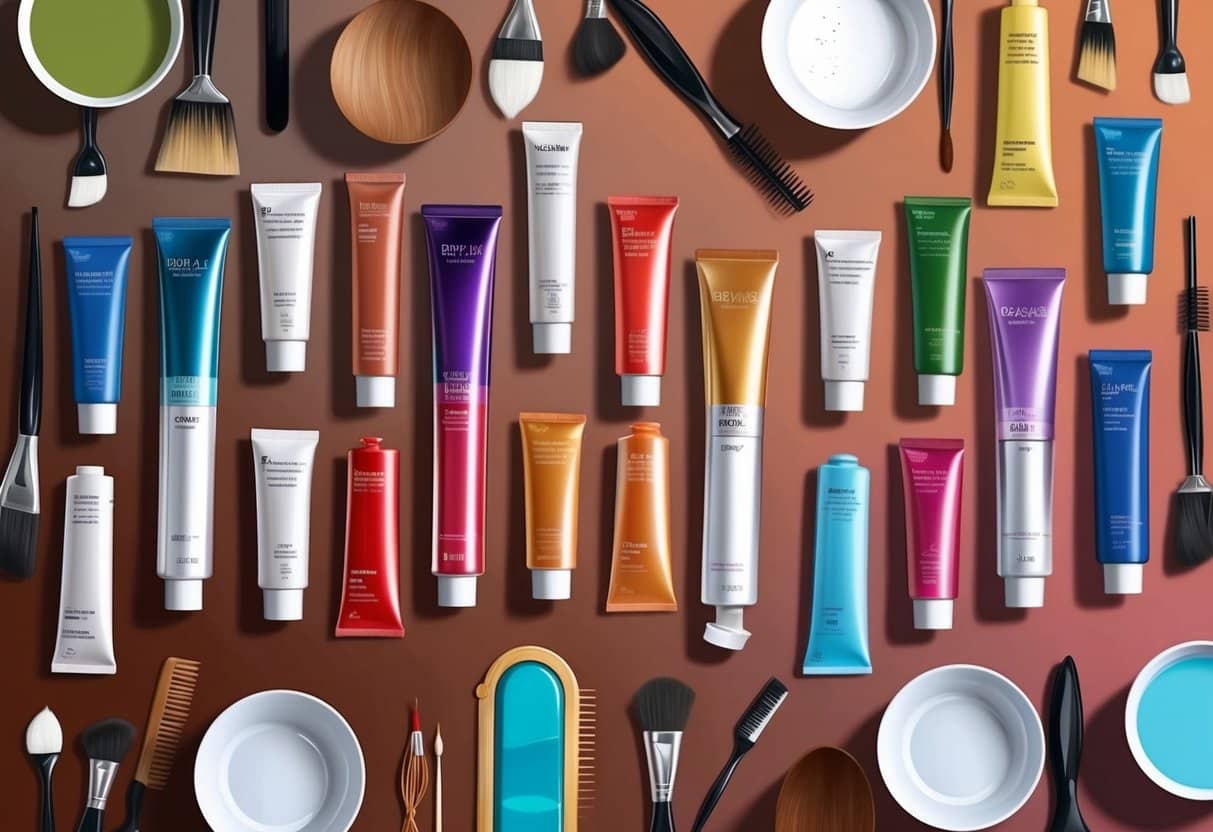
When it comes to hair color products, the humble tube they come in matters more than you might think! We’ve seen tremendous innovation in the materials used for hair dye packaging over recent years.
The most effective hair color tubes today combine durability, product preservation, and increasingly, eco-friendly materials that reduce environmental impact while maintaining color quality.
Have you ever wondered why some hair dye seems to last longer on the shelf than others? The secret often lies in the tube material. Traditional plastic tubes are being replaced with more sophisticated options, including clay nanotube composites that can enhance hair coloring applications и биокомпатибилни материјали који омогућавају боље очување производа. Ови напредни материјали не чувају само боју – они заправо могу побољшати начин на који боја ступа у интеракцију са вама природни пигменти за косу.
Посебно смо узбуђени због појаве одрживих опција паковања у индустрији лепоте. Полиетилен високе густине (ХДПЕ) и пластика на биљној бази стварају таласе као еколошки прихватљиве алтернативе које не угрожавају функционалност. Ови материјали одржавају интегритет боје док се баве све већом забринутошћу потрошача у вези са пластичним отпадом у козметичкој амбалажи – добитна је и за вашу прелепу боју косе и за нашу планету!
Материјали у производњи цеви за фарбање косе
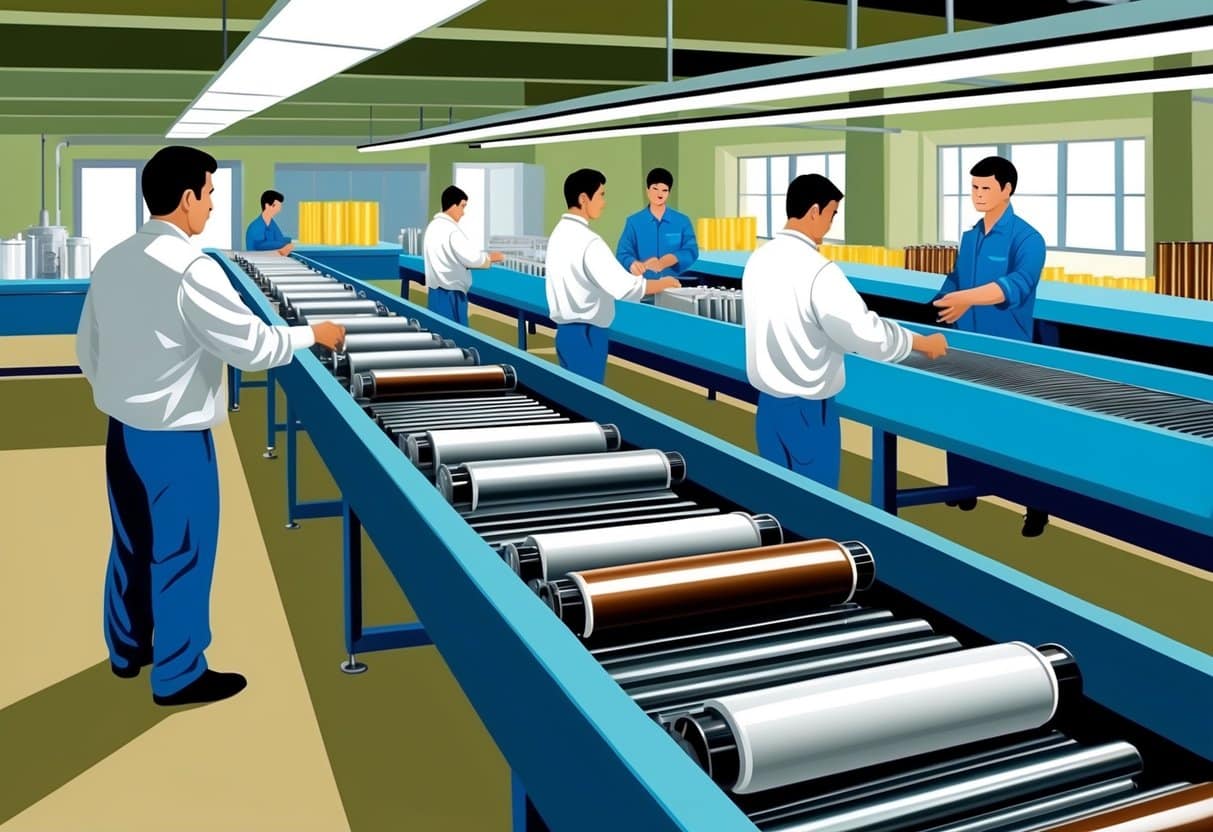
Производња туба за фарбање косе ослања се на специфичне материјале који осигуравају интегритет и сигурност производа. Избор материјала директно утиче на квалитет производа, рок трајања и корисничко искуство током примене.
Карактеристике алуминијумских цеви
Алуминијумске цеви су окосница паковања боја за косу у индустрији лепоте. Ове цеви се обично праве од 99,7% чист алуминијум, који пружа изврсна својства баријере против кисеоника, светлости и влаге. Овај високи ниво чистоће помаже у очувању хемијског интегритета формулација боје за косу изнутра.
Did you know that aluminum tubes are incredibly malleable yet durable? This unique combination allows manufacturers to create tubes that maintain their shape while being easy to squeeze. The material’s flexibility ensures you can get every last drop of product out!
Aluminum’s lightweight nature is another significant advantage. When you’re coloring your hair at home, the last thing you want is a heavy, unwieldy tube that’s difficult to handle with gloved hands.
Hair dye packaging has evolved significantly from the fragile cardboard or paper tubes of the past to the sturdy aluminum options we see today.
Internal Lacquer and Its Purpose
Have you ever wondered why hair color doesn’t corrode through its aluminum container? The answer lies in the internal lacquer coating. This specialized layer creates a crucial barrier between the aluminum tube and the chemical hair dye formulation.
The internal lacquer prevents any potential chemical reactions that might occur between metallic compounds in the dye and the aluminum container. Without this protective coating, metallic dyes could interact with the tube material, compromising both the packaging integrity and color formula.
Most internal lacquers used today are epoxy or phenolic-based coatings that are:
- Resistant to chemical corrosion
- Flexible enough to bend with the tube
- Food-grade safe for consumer protection
- Applied in thin, even layers for maximum effectiveness
Ови специјализовани премази осигуравају да ваша боја косе остане стабилна од производње до тренутка када је користите.
Предности коришћења чистог алуминијума
То смо пронашли 99,7% чист алуминијум нуди неколико изразитих предности за паковање боја за косу у поређењу са другим материјалима. Његова природна отпорност на корозију чини га идеалним за садржавање реактивних хемијских формулација које се налазе у бојама за косу.
Чисти алуминијум се такође веома може рециклирати, што је у складу са растућом потражњом потрошача за одрживим опцијама паковања. Када завршите фарбање косе, та празна епрувета се може обрадити и поново користити, смањујући утицај на животну средину.
Температурна стабилност материјала је још једна кључна предност. Боја ваше косе може да издржи различите услове складиштења, а да епрувета не деградира или утиче на производ унутра. Ово чини алуминијум идеалним за производе који се могу слати широм света или складиштити на дужи период.
За разлику од пластичних алтернатива, алуминијум пружа потпуну светлосну баријеру која спречава компоненте боје од разградње услед излагања УВ зрачењу. Ова заштита продужава век трајања и обезбеђује постојаност боје када сте спремни да користите производ.
Опције димензија и запремине цеви
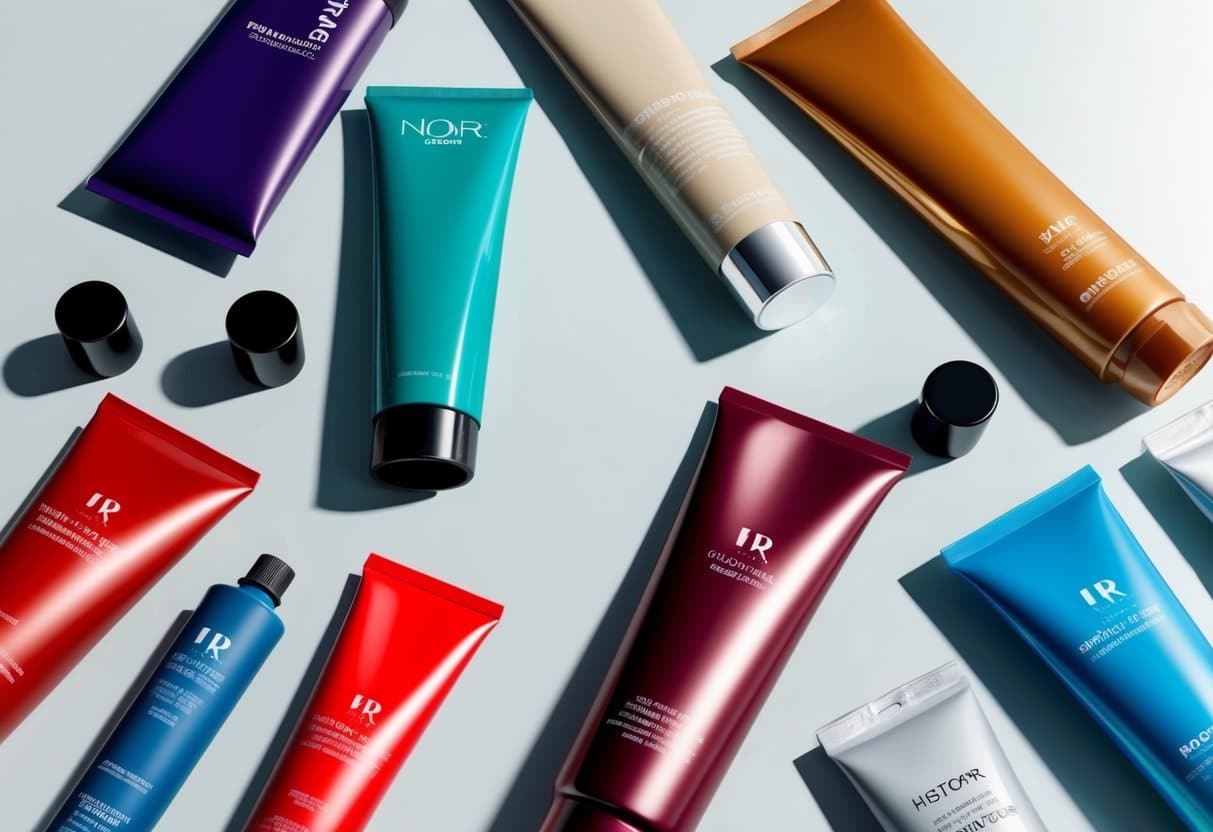
Hair color tubes come in various dimensions and volumes to accommodate different product formulations and usage requirements. The right combination of diameter and volume ensures proper dispensing, storage, and application of hair coloring products.
Standard Tube Diameters
Hair color tubes are available in several standard diameters to meet different packaging needs. The most common sizes we see in the industry include 16mm, 19mm, и 25mm for smaller volume products. These narrower tubes are perfect for single applications or travel-sized products.
For professional salon products, larger diameters like 30мм, 35mm, и 38мм are more common. These provide stability and easier handling during color mixing.
The largest diameter options, 40mm, 50mm, и 60mm, are typically used for bulk products or specialized treatments. These wider tubes allow for easier dispensing of thicker formulations and cream-based colorants.
Diameter selection impacts not only how the product is dispensed but also shelf presence and ergonomics. We’ve found that the tube diameter affects how much pressure is needed for dispensing product.
Volume Range and Relevance to Content
The volume capacity of hair color tubes directly corresponds to their intended use and market positioning. Here’s a breakdown of common volume options:
Small volume options:
- 3ml – Sample sizes
- 5ml – Single-use applications
- 10ml – Travel sizes
- 20ml – Specialty treatments
Medium volume options:
- 30мл – Standard retail tubes
- 50мл – Common size for permanent colors
- 75мл – Professional applications
- 80ml – Salon-grade products
Large volume options:
- 100мл – Economy sizes
- 120ml – Bulk professional products
- 150мл – Multi-application packages
- 200мл – Large salon supplies
Тхе total tube volume relates directly to the amount of material used in manufacturing, affecting both cost and environmental impact. Tube length typically increases with volume, with standard tubes ranging from 40 to 50mm for smaller volumes up to several inches for larger capacities.
We recommend selecting tube volume based on product viscosity, usage frequency, and target market needs. Professional colorists often prefer larger volumes, while retail consumers generally choose medium-sized options.
Design Features of Hair Color Tubes
Hair color tubes require specific design elements to ensure proper product dispensing and storage. These features enhance user experience while protecting the chemical formulations inside.
Nozzle and Cap Design Varieties
When it comes to hair color tubes, the nozzle design plays a crucial role in product application. We’ve found that precision applicator nozzles allow for targeted color application directly to roots or specific sections.
Common Nozzle Types:
- Thin, pointed tips for detailed work
- Broader, flat openings for larger coverage areas
- Brush-tip applicators for immediate spreading
Long nozzle caps are particularly beneficial for professional colorists who need to apply product with surgical precision. These extended tips can reach beneath layers of hair without making a mess.
Some brands use special materials like steel and glass to enhance their premium offerings, replacing the traditional plastic nozzles.
Mushroom caps provide a wider base for standing tubes upside down, ensuring all product flows toward the opening for maximum usage.
Importance of Tube Shoulder and Flip Top Cap
The tube shoulder design affects both product dispensing and packaging integrity. A well-designed shoulder prevents product buildup and ensures smooth flow from tube to applicator.
Benefits of quality tube shoulders:
- Reinforces structural integrity
- Prevents cracking or splitting during squeezing
- Facilitates complete product emptying
Flip top caps have revolutionized hair color packaging by offering one-handed operation. This feature is especially important when colorists have gloves on and need to work quickly.
Most professional-grade tubes now feature special dispensing mechanisms designed to prevent air contamination of the product.
Screw caps, while less common in newer designs, still provide excellent sealing properties. We’ve seen these used primarily in permanent color systems where airtight storage between uses is essential.
Customization and Branding
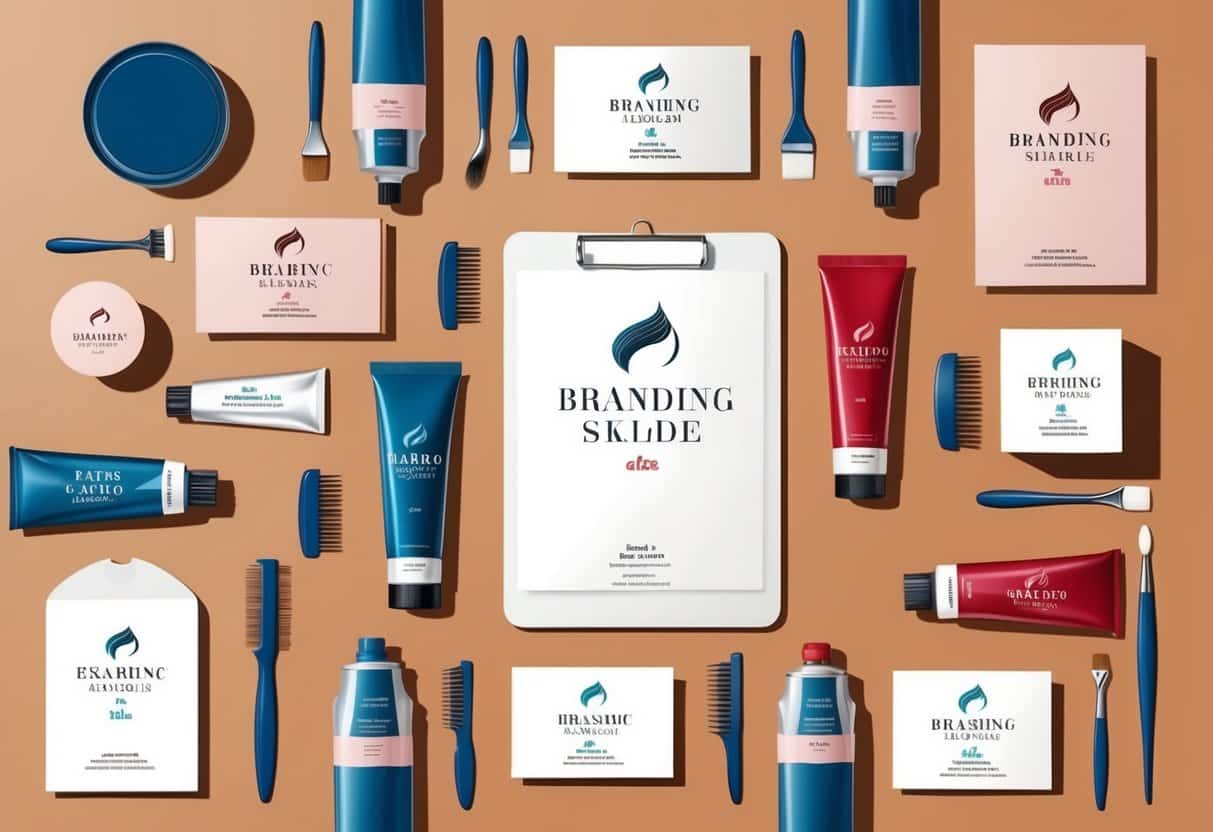
Hair color tube packaging serves as a powerful marketing tool that differentiates products on crowded salon shelves. The right combination of printing techniques, adhesives, and decorative elements can transform ordinary tubes into brand ambassadors that catch the eye and build customer loyalty.
Options for Offset Printing
Offset printing remains the gold standard for hair color tube customization due to its exceptional color accuracy and detail reproduction. We’ve found that this technique allows for vibrant color representation that closely matches the actual hair dye inside, helping stylists make more accurate selections.
Many leading brands use a 4-color CMYK process for photorealistic images, while others add specialty inks for metallics and neon shades that pop on salon shelves. For example, premium cosmetic packaging designs often incorporate spot colors to maintain brand consistency across different product lines.
Tube material selection significantly impacts print quality. High-density polyethylene (HDPE) accepts ink differently than aluminum or laminate tubes. We recommend conducting print tests on your specific tube material before finalizing designs.
Print resolution considerations:
- 300 DPI minimum for photographic elements
- 600 DPI for fine text and detailed logos
- 150-175 line screen for optimal reproduction
Utilizing Glue and Paint in Branding
Adhesive applications provide tactile and visual elements that offset printing alone cannot achieve. Many brands now use specialized adhesives for decorative elements like embossed logos or metallic accents that create a premium feel and enhance shelf presence.
Hot melt glues work exceptionally well for raised logos and decorative patterns, creating a 3D effect that catches light and invites touch. Cold glues, while less dramatic, provide excellent adhesion for labels and secondary packaging elements.
Paint applications offer another dimension of customization beyond traditional printing. We’ve seen brands successfully use:
- UV-cured paints for high-gloss finish
- Soft-touch coatings for a velvety feel
- Thermochromic paints that change color with temperature
These techniques can be especially effective for seasonal collections or limited-edition offerings. Many manufacturers now offer customizable biobased materials for brands seeking eco-friendly alternatives without sacrificing visual impact.
Packaging and Logistic Considerations
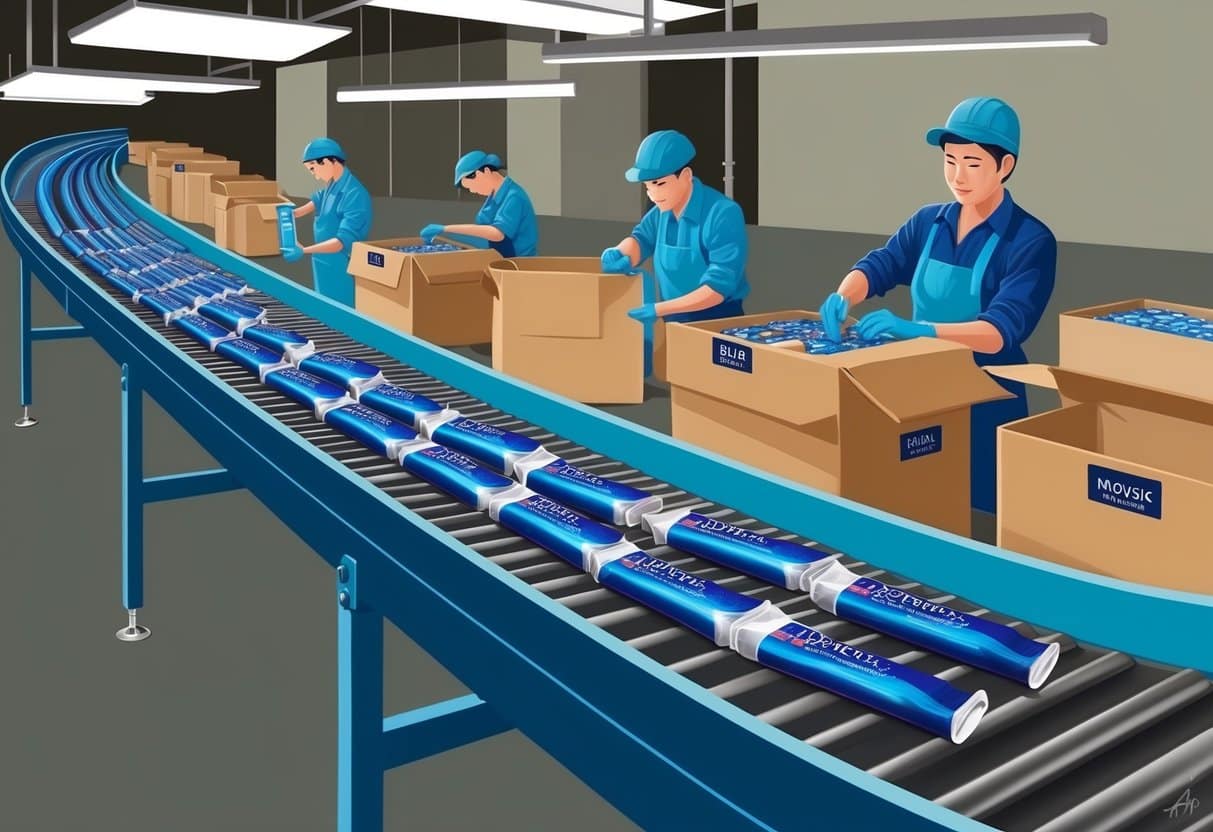
When developing hair color tubes, the right packaging and distribution strategy can make or break your product’s success. Material selection impacts not only product preservation but also shipping costs and market appeal.
Packaging Sizes and Types
Hair color tubes come in various sizes ranging from 40ml sample sizes to 200ml professional sizes. We’ve found that aluminum tubes offer excellent barrier properties while metal jars, tubes, and decomposable plastic bags are becoming increasingly popular options.
Common Hair Color Tube Packaging Options:
- Алуминијумске цеви: Best for oxidative colors
- Пластичне цеви: More affordable but less barrier protection
- Ламинатне цеви: Combination of materials for specific needs
Tube design also matters! Caps should be easy to open during application while preventing leakage during shipping. We recommend flip-top caps for consumer products and screw caps for professional lines.
For sustainable brands, empty beauty packaging and tubes can be collected through reverse logistics systems, meeting the growing consumer demand for eco-friendly options.
Export Market Dynamics
When exporting hair color tubes, understanding minimum order quantities (MOQs) is crucial. Most manufacturers require MOQs of 5,000-10,000 units per SKU, which can be challenging for smaller brands.
Key Export Considerations:
| Consideration | Impact |
|---|---|
| Customs regulations | Different countries have varying rules for cosmetic imports |
| Temperature control | Hair color formulas may require climate-controlled shipping |
| Packaging compliance | EU countries have established standards for packaging materials |
Finding a reliable supplier with experience in your target market is essential. We recommend partnering with manufacturers who have existing distribution channels in your export regions.
Cost optimization strategies include bulk shipping and using standardized packaging formats. Many manufacturers offer patented approaches for producing tubes and caps, providing both protection and cost efficiency.
Cost Factors and Pricing Strategy
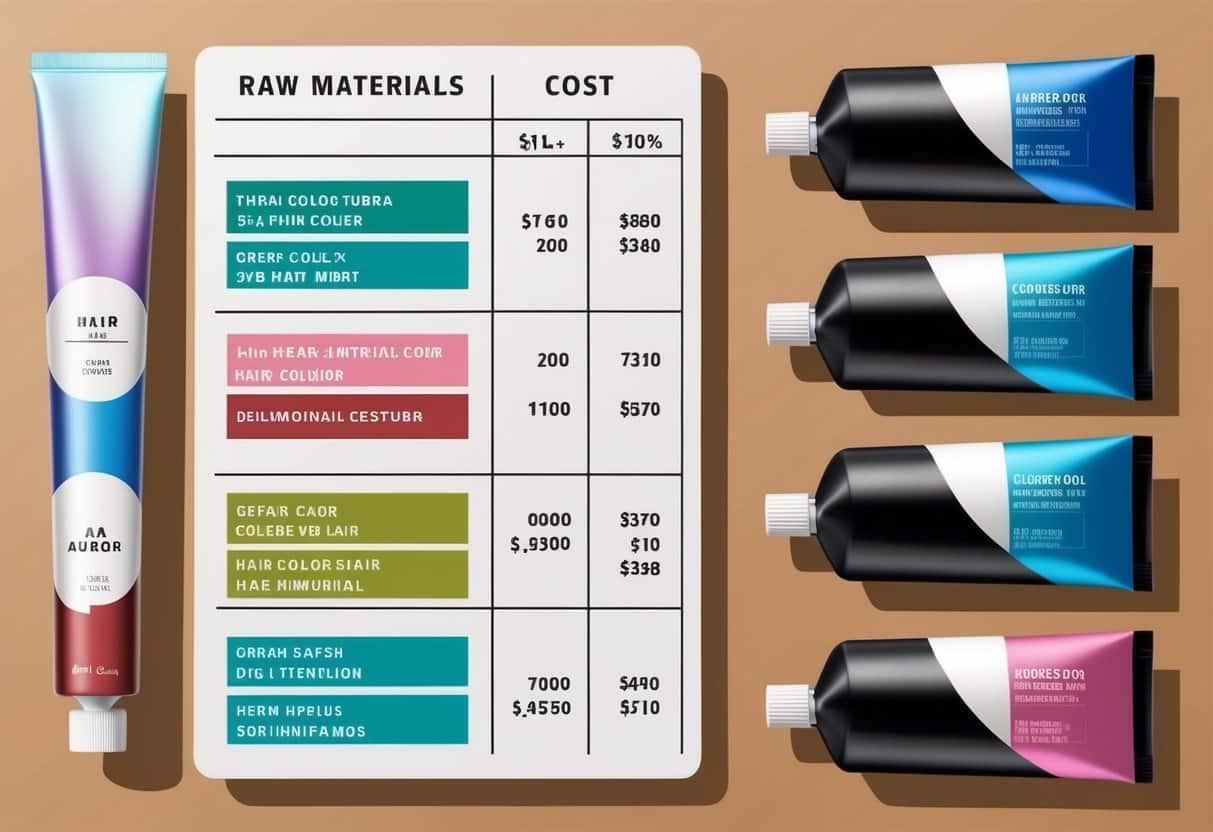
When developing hair color products, the pricing strategy directly impacts both market success and profit margins. Manufacturing costs, material quality, and consumer perception all play vital roles in determining how tubes of hair color are priced.
Determining Price Points
How do brands decide what to charge for hair color tubes? We’ve found that several factors influence this decision:
- Raw material costs: High-quality pigments and conditioning agents can increase manufacturing costs significantly
- Packaging expenses: Premium козметичко паковање can account for 15-40% of total product cost
- Market positioning: Luxury brands command higher prices regardless of modest cost differences
Competitors’ pricing also influences strategy. Brands must research market standards before setting prices. In our experience, consumers often associate price with quality, especially for hair color products they apply directly to their bodies.
The tube material itself—whether plastic, metal, or laminate—impacts not just cost but perceived value. Metal tubes, while more expensive to produce, often justify higher retail prices because consumers perceive them as premium containers for hair color cream.
Баланс између квалитета и трошковне ефикасности
How can manufacturers create affordable yet effective products? We recommend these approaches:
- Strategic material selection: Using hybrid packaging materials can reduce costs while maintaining quality appearance
- Bulk purchasing: Ordering raw ingredients in larger quantities typically reduces per-unit costs
- Production optimization: Streamlining manufacturing processes eliminates waste
A well-formulated hair color cream doesn’t necessarily require the most expensive ingredients. Sometimes, mid-range materials combined expertly deliver results comparable to premium products.
| Cost Category | Budget Option | Premium Option | Impact on Final Price |
|---|---|---|---|
| Tube Material | Пластика | Алуминијум | 20-30% difference |
| Colorants | Стандард | Professional-grade | 15-25% difference |
| Developer | Basic formula | Advanced technology | 10-20% difference |
We’ve noticed successful brands often invest more in active ingredients while finding reasonable economies in packaging. This approach satisfies consumers who prioritize results over luxury packaging.
Environmental Considerations and Sustainability
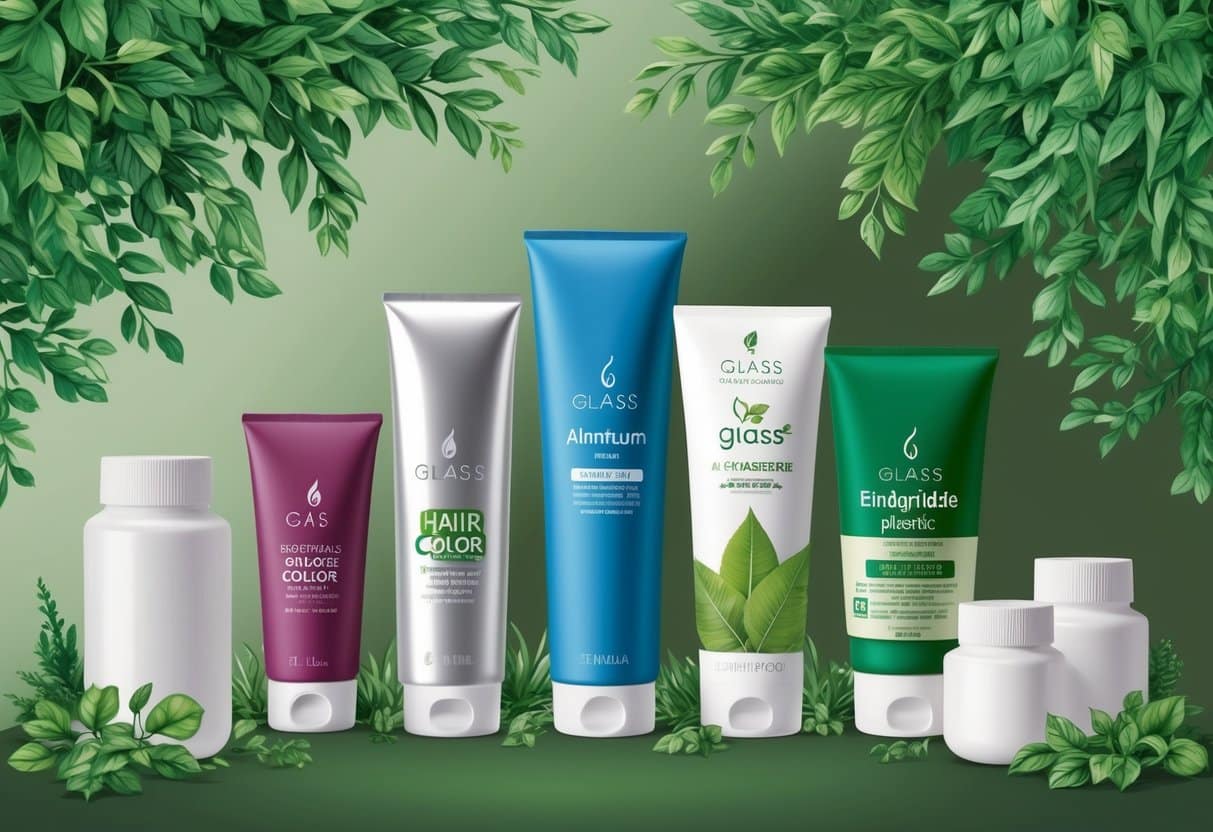
Hair color tube manufacturing faces significant environmental challenges due to material choices and production methods. The industry is now shifting towards greener alternatives that reduce waste and ecological impact while meeting consumer demands for sustainable beauty products.
Eco-Friendly Materials and Manufacturing Processes
Traditional vs. Sustainable Materials:
- Aluminum collapsible tubes: While recyclable, they require energy-intensive mining and processing
- Biobased alternatives: Innovative materials that reduce carbon footprint
- ПЦР (пост-Цонсумер Рецицлед) пластика: Use of recycled materials in tube production
Did you know that adding mineral fillers to tube materials can actually improve their environmental performance? We’ve found this approach helps reduce virgin material consumption by up to 30%.
Manufacturing processes are evolving too. Low-water or waterless production methods significantly reduce a facility’s environmental impact. Many companies now use renewable energy in their factories.
Market Trends in Green Cosmetics
The demand for eco-friendly hair color products has grown 15% annually since 2020. Consumers increasingly seek brands that prioritize sustainability throughout their supply chain.
What’s trending now:
- Natural dyes derived from plants as alternatives to synthetic colorants
- Minimalist packaging that uses less material while maintaining product integrity
- Системи за поновно пуњење that allow consumers to reuse the outer container
We’re seeing more companies adopt natural dyeing processes that have lower environmental impact. Brands like EcoColor and GreenTint now offer hair colors in tubes made from biodegradable materials.
Smart labeling is another growing trend. QR codes on packaging direct consumers to proper recycling instructions. Have you noticed how many brands now include carbon footprint information on their packaging?
Market Insights
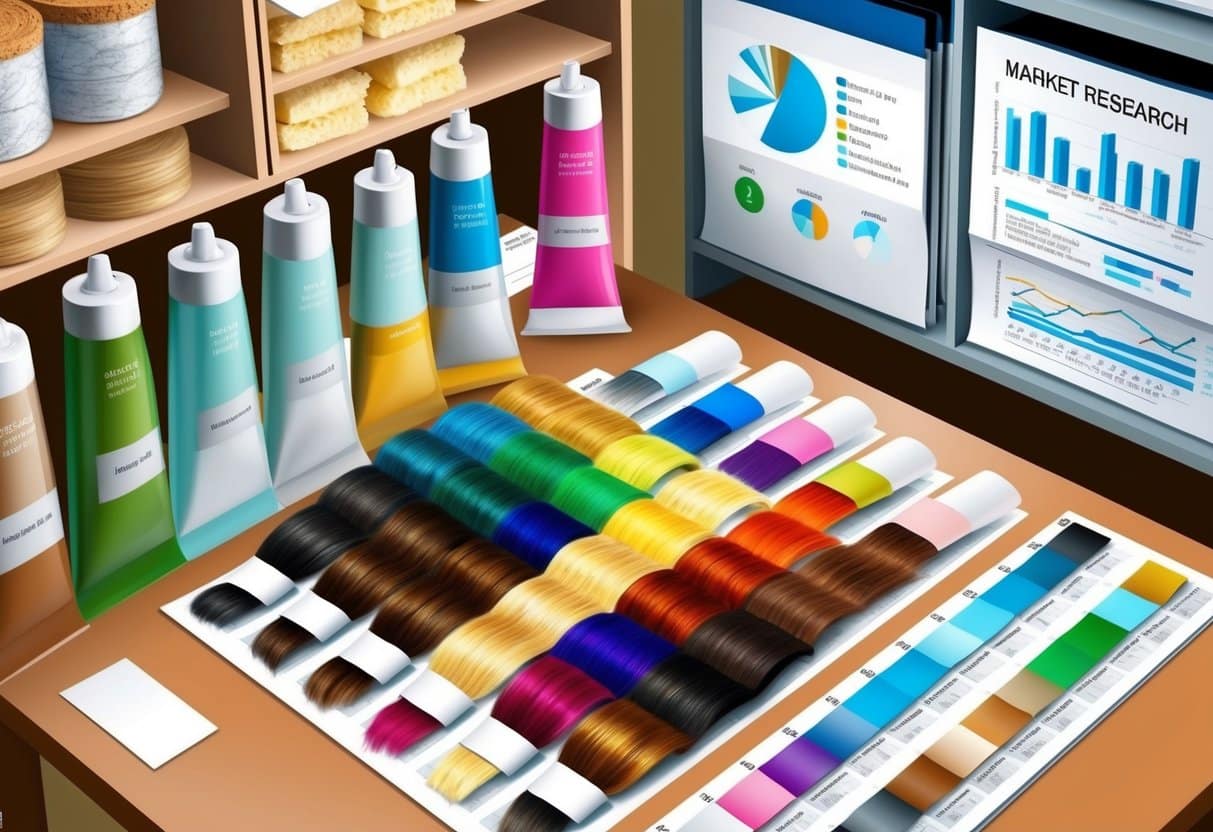
The hair color tube materials market is rapidly evolving with significant regional variations. We’ve analyzed current trends and found that consumer preferences are driving innovation in sustainable packaging materials across different markets.
Demands in Europe and Middle East
In Europe, we’re seeing a strong push toward sustainable materials for hair color tubes. Nearly 13% of cosmetic products now feature eco-friendly packaging, with post-consumer recycled materials becoming increasingly popular. European consumers are particularly drawn to tubes made from 75% recycled content.
What’s interesting for manufacturers? The Middle East market shows growing interest in premium packaging materials that offer both functionality and aesthetics. Our research indicates that young consumers in this region respond positively to innovative applicator designs.
Have you noticed the shift toward organic-inorganic hybrid materials? These advanced hybrid materials are gaining traction in both regions due to their enhanced properties and reduced environmental impact.
Companies that conduct thorough market research on regional preferences tend to perform better. We recommend tailoring tube designs to match local consumer expectations, especially regarding ease of application and visual appeal.
