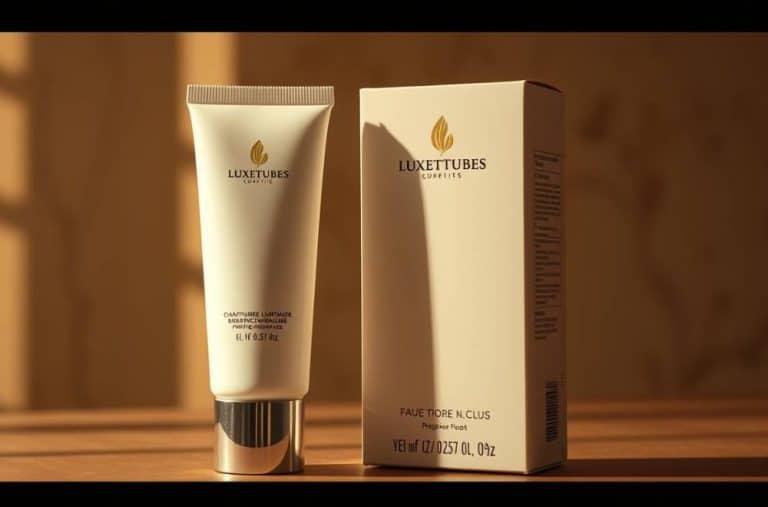
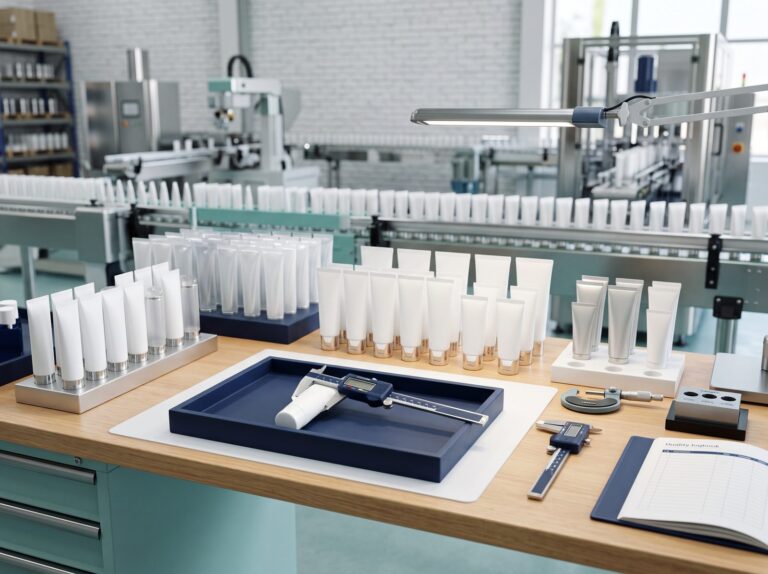
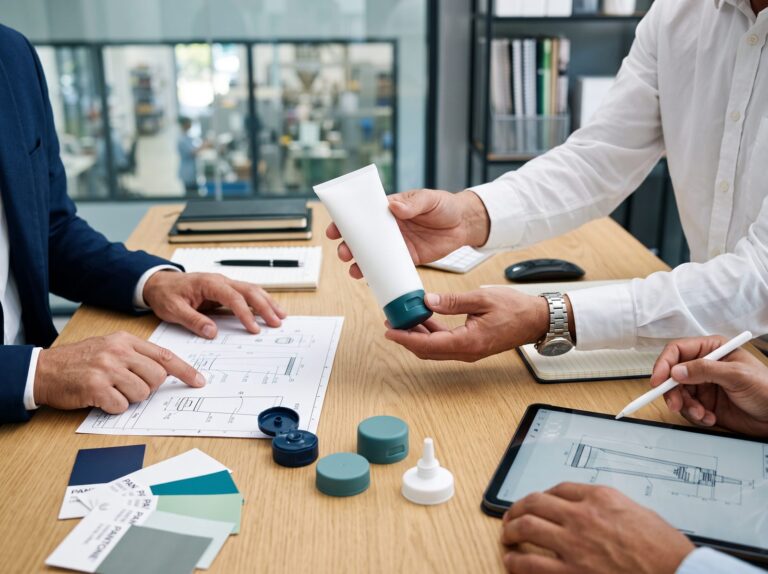
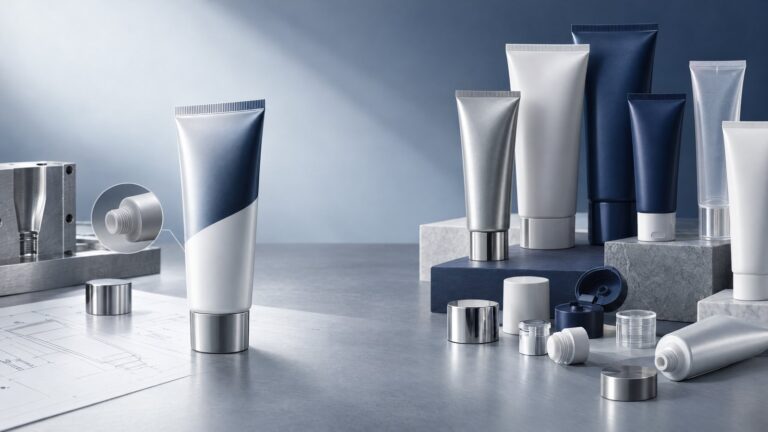
Standard PE is usually the safer starting point when a brand needs predictable appearance, processing and supply requirements. PCR is worth evaluating when verified post-consumer recycled content is part of the packaging brief, but PCR does not automatically mean recyclable, compostable or lower impact. The final choice depends on formula compatibility, appearance, print performance, recycled-content documentation and the target market’s requirements.
Кеи Такеаваис – PE is the base polymer family; PCR describes recycled content made from post-consumer material. – PCR can affect color, surface consistency, processing behavior or decoration requirements, depending on the grade and percentage used. – PCR content should be confirmed for the specific component: tube body, shoulder, cap or another part. – PCR content is not the same as recyclability, mono-material design or compostability. – Request samples and documentation before approving production.
What is the difference between PE and PCR cosmetic tubes?
PE means polyethylene, a polymer family commonly used in cosmetic and personal-care packaging. PCR means post-consumer recycled material that has been recovered from products used by consumers and processed for use in a new package. PE and PCR are therefore not exact opposites: a PCR tube may still contain PE, while the phrase “PE tube” does not confirm whether recycled content is included.
The most important purchasing question is not simply “PE or PCR?” It is which material is used in each component, at what verified percentage, and with what performance requirements. A tube body, shoulder and cap may use different materials. Ask the supplier to describe the complete construction instead of relying on a short sustainability label.
For a broader material review, see the Luxetubes All Materials hub.
What are standard PE cosmetic tubes?
A standard PE cosmetic tube is usually selected when the brand wants a familiar material specification with predictable color, surface and processing behavior. PE tubes can be developed for skincare, hair-care and personal-care products, but the final result still depends on the grade, wall construction, shoulder, cap, decoration and formula-contact layer.
PE can support a wide range of squeeze experiences and visual directions. A buyer may request matte or glossy finishes, different tube diameters, printed artwork and several cap styles. These options should be reviewed as one package because a decoration process or closure can affect the final material brief.
“Standard” does not mean that every PE tube performs identically. Confirm the product-contact layer, barrier needs, filling temperature, orifice and compatibility requirements with the manufacturer. A physical sample remains the best way to review squeeze feel, dispensing and appearance.
What are PCR cosmetic tubes?
PCR cosmetic tubes contain verified post-consumer recycled material in a defined component or layer. The PCR may be included in the tube body, shoulder, cap or another part of the package. The supplier should identify the component, material grade, source and verified percentage before the claim is used in packaging or marketing.
PCR can be a useful option when recycled content is part of a brand’s packaging target or a customer requirement. It may also require more careful approval of color, opacity, odor, surface consistency and print appearance. These effects depend on the source material, processing method, color system, PCR percentage and complete tube design.
Do not assume that a PCR specification is available in every color, size, cap combination or decoration process. Request a sample made with the intended production material and decoration method, not only a generic PCR sample.
PE vs PCR cosmetic tubes: side-by-side comparison
| Decision factor | Standard PE tube | PCR-containing tube |
|---|---|---|
| Main meaning | Polyethylene-based tube construction | Tube with verified post-consumer recycled content in a specified component |
| Appearance | Usually easier to control for color and consistency | May vary by grade, percentage and color system |
| Штампање | Evaluate with the selected surface and ink system | Confirm print adhesion, color target and surface consistency with samples |
| Supply brief | Focus on construction, grade and decoration | Add PCR source, percentage, component and documentation requirements |
| Sustainability claim | Do not assume a claim from PE alone | Do not equate PCR with recyclability or compostability |
| Best first step | Request a standard tube sample | Request a PCR sample and compare it with the standard reference |
The table is a purchasing framework rather than a universal performance guarantee. The actual formula, tube construction, decoration and destination market should determine the final decision.
Does PCR affect cosmetic tube appearance and printing?
It can. PCR may influence color, opacity, surface consistency and the way the finished tube matches an artwork reference. The effect depends on the recycled resin, its percentage, the color system and the selected tube construction. A PCR tube should therefore be assessed as a finished decorated package, not only as a raw material sample.
Ask the supplier to confirm print adhesion, color tolerance, surface finish and any limitations for matte, glossy, soft-touch or metallic effects. Review the Luxetubes Printing Options page and request a decorated sample before approving mass production.
Is PCR suitable for skincare and personal-care formulas?
PCR can be suitable for skincare and personal-care packaging, but suitability depends on the complete package and the formula-contact layer. The buyer should review compatibility, odor, color, barrier requirements, filling conditions, dispensing performance and expected shelf life.
For sensitive formulas, ask whether PCR is used in the product-contact layer or in an external component. Request the manufacturer’s recommended testing plan and compare a PCR sample with the standard reference filled with the actual formula. An empty tube can confirm appearance and handling, but it cannot fully confirm formula compatibility or filling-line performance.
Тхе Скинцаре паковање page can help connect the material decision with the product application.
What should buyers ask a PCR cosmetic tube supplier?
Before requesting samples or a quote, ask these questions:
- Which component contains PCR: the tube body, shoulder, cap or another part?
- What verified PCR percentage applies to that component?
- Is the percentage calculated by component weight or total package weight?
- What resin grade and source are used?
- Can the supplier provide a declaration or supporting documentation?
- Does PCR affect color, odor, print adhesion or surface finish?
- Are the samples made with the same material and decoration process as production?
- What testing is recommended for the actual formula and filling line?
A complete brief should also include formula type, viscosity, capacity, diameter, orifice, cap, number of SKUs, estimated quantity, destination market and launch date. The Cosmetic Tube Quote guide explains why this information helps a supplier recommend a realistic construction. For quantity planning, review Cosmetic Tube MOQ, Samples and Lead Time.
How do PE and PCR affect recyclability claims?
PCR content does not by itself prove that a cosmetic tube is recyclable. Recyclability depends on the complete package, including the tube body, shoulder, cap, barrier layer, inks, adhesives and the collection and sorting system in the destination market.
A package can contain PCR and still require a separate end-of-life assessment. Likewise, a PE-based package should not receive a broad environmental claim simply because it uses PE. If recyclability or recycled content is important, request market-specific documentation and define exactly which component the claim covers.
For multilayer or barrier structures, compare the complete specification on the Ламиниране цеви page with the supplier’s project-specific documentation.
PE vs PCR cosmetic tubes: which should you choose?
Start with standard PE when repeatable appearance, established processing and a conventional material specification are the first priorities. This is often the simpler starting point for a new project that has not yet defined a recycled-content requirement.
Evaluate PCR when verified post-consumer recycled content is a defined brand, customer or market requirement and the buyer accepts additional checks for color, surface, decoration and documentation. In either case, compare samples made with the intended formula and production assumptions before approving the final package.
FAQ: PE and PCR cosmetic tubes
Is PCR the same as recycled plastic?
PCR is one type of recycled plastic content. It specifically refers to material recovered after consumer use, while other recycled-content terms may refer to different sources. Ask the supplier to define the source and the component covered by the claim.
Are PCR cosmetic tubes recyclable?
Not automatically. Recyclability depends on the complete construction and the collection system in the target market. PCR content and recyclability should be documented as separate properties.
Does PCR change the color of a cosmetic tube?
It can. Color and opacity may vary with the recycled resin, percentage and color system. Approve a physical sample with the intended decoration before production.
Can PCR cosmetic tubes be printed?
PCR cosmetic tubes can be printed, but the print result must be checked on the proposed material and surface. Confirm adhesion, color accuracy, finish and production tolerances with the supplier.
What percentage of PCR can be used in a cosmetic tube?
There is no single percentage that applies to every cosmetic tube. The feasible percentage depends on the component, resin grade, color, performance requirements and supplier capability. Request a project-specific specification instead of assuming a standard percentage.
How should a buyer verify a PCR packaging claim?
Ask which component contains PCR, how the percentage is calculated, what source and grade are used, and what supporting documentation is available. Match the documentation to the final production construction and the market where the package will be sold.
Final recommendation for buyers
Choose standard PE when predictable appearance, processing and supply requirements are the priority. Evaluate PCR when verified post-consumer recycled content is a defined requirement, and allow time for additional sample, decoration and documentation checks. Neither option should be approved from a label alone: compare the complete tube, test it with the formula and confirm the claim for the target market.
To discuss a PE or PCR cosmetic tube project, contact Лукетубес with the formula, capacity, diameter, cap, artwork, quantity, PCR requirement and destination market.