
Када је у питању избор између алуминијумских и пластичних цеви, разумевање њихових кључних разлика може вам уштедети време и новац. Алуминијумске цеви, познате по својој издржљивости и снази, могу издржати значајан притисак без деформисања. Истраживања показују да алуминијумске цеви пролазе кроз специфичне обрасце пластичне деформације током напрезања, што их чини идеалним за структуралне примене где је носивост кључна.
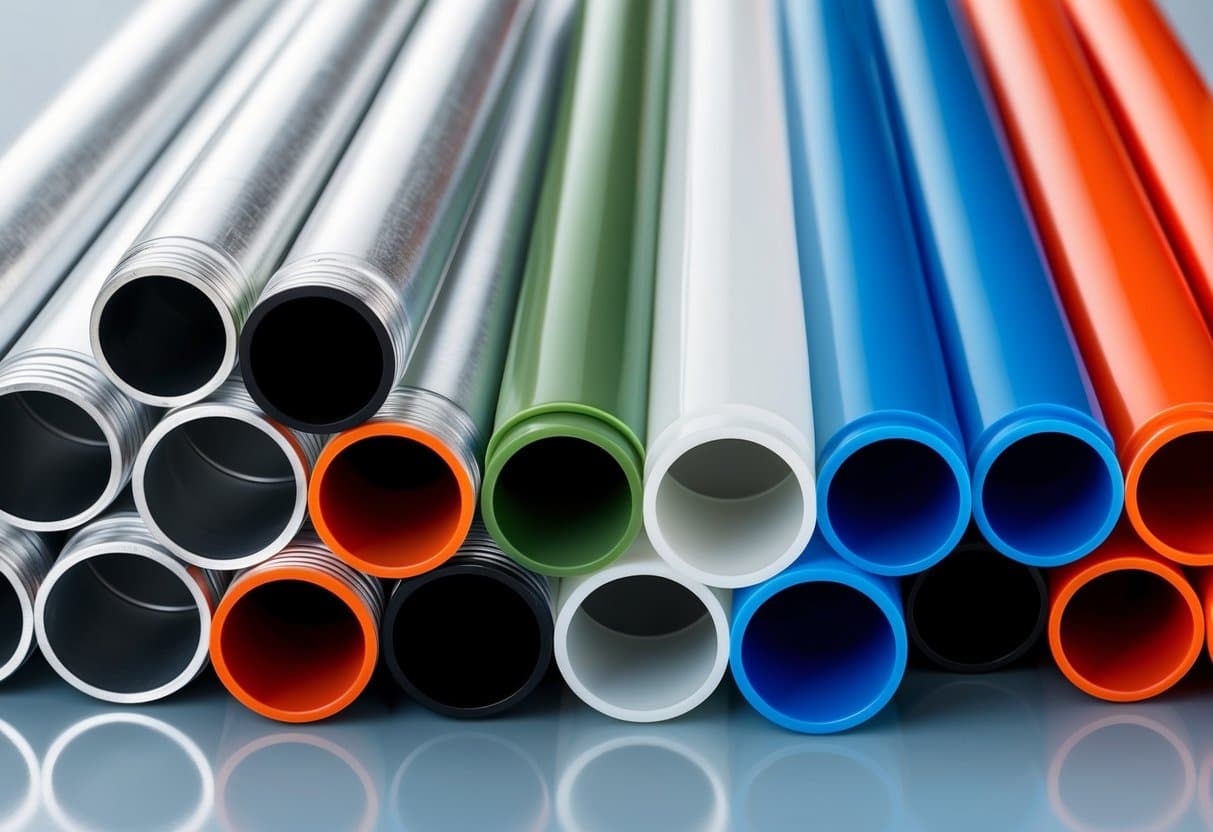
Да ли се питате који је материјал најбољи за ваш пројекат? Пластичне цеви нуде флексибилност и хемијску отпорност са којом се металне цеви не могу парирати. Обично су лакши и исплативији. међутим, алуминијумске цеви показују супериорну апсорпцију енергије под притиском, што их чини сигурнијим за употребу у аутомобилској и ваздухопловној индустрији где је отпорност на ударце битна.
Разматрања о температури такође играју виталну улогу у вашој одлуци. Док се пластика може искривити или растопити под екстремном топлотом, алуминијумске цеви одржавају свој интегритет у ширем температурном опсегу. на пример, комерцијалне алуминијумске цеви могу се ефикасно спојити са другим металима кроз различите процесе заваривања, стварајући јаке везе које пластика једноставно не може постићи. Шта је ваш приоритет - тежина, снага или цена?
Преглед материјала
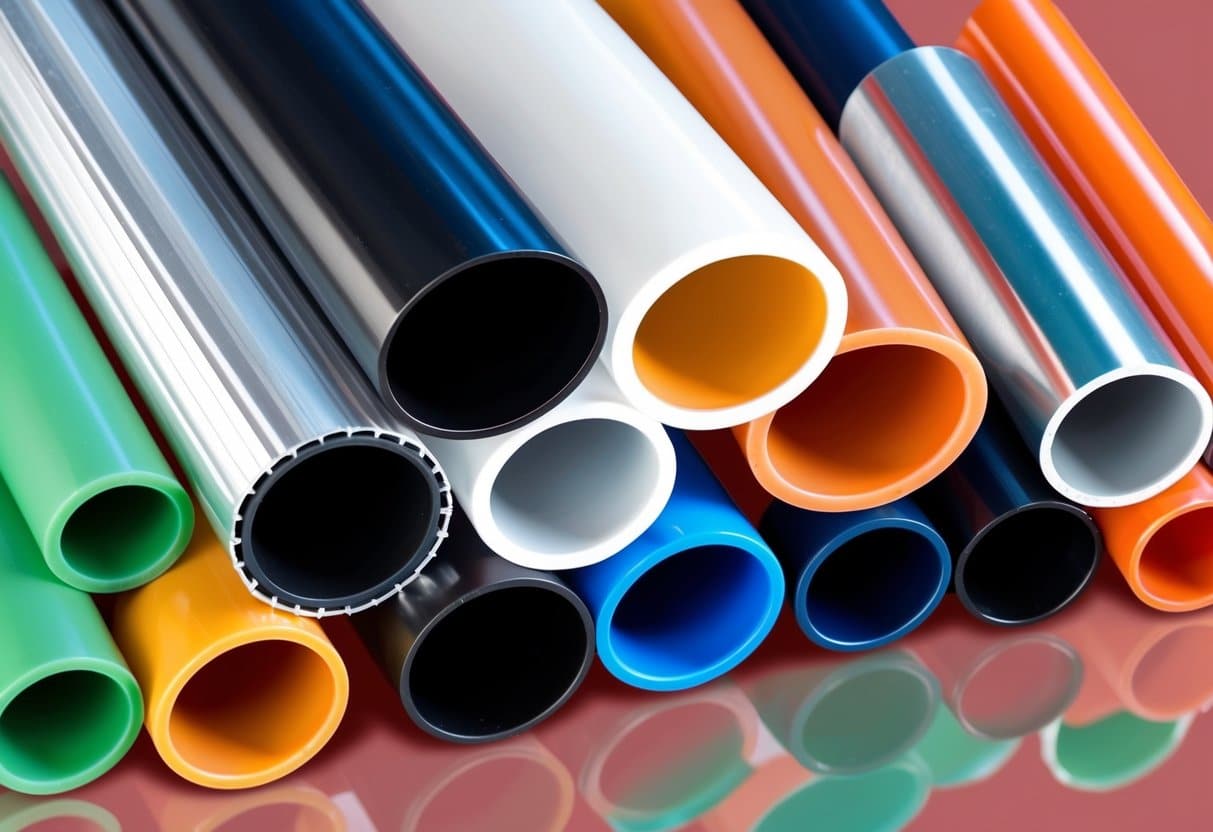
Приликом одабира цеви за различите примене, разумевање кључних разлика између алуминијумских и пластичних опција је кључно. Оба материјала нуде јединствена својства која утичу на перформансе, издржљивост и еколошке аспекте.
Алуминијумске цеви
Алуминијумске цеви су познате по својим одличан однос снаге и тежине и врхунска издржљивост. Ови метални контејнери обезбеђују изванредна заштита баријере против влаге, светлости и кисеоника, што их чини идеалним за осетљиве производе.
Једна од главних предности алуминијумских цеви је њихова топлотна проводљивост. Одлични су у апликацијама за хлађење, ефикасно преносећи топлоту са садржаја или околних система. Ово својство их чини савршеним за индустријску употребу где је управљање температуром критично.
Алуминијумске цеви за кармин су стекле популарност у козметичкој индустрији због:
- Премиум изглед и осећај
- Могућност рециклирања (може се рециклирати бесконачно)
- Способност заштите формулација од деградације
Процес производње алуминијумских цеви често укључује тешка пластична деформација, који може произвести ултрафино зрнасте структуре које побољшавају својства материјала. Ово ствара цеви са побољшаном снагом без додавања значајне тежине.
Пластичне цеви
Понуда пластичних цеви свестраност и економичност преко бројних апликација. Долазе у различитим типовима полимера, сваки са специфичним својствима прилагођеним различитим потребама и садржајима.
Лагана природа пластичних цеви их чини идеалним за:
- Смањење трошкова испоруке
- Лакше руковање од стране потрошача
- Флексибилна решења за паковање
Уведена су недавна достигнућа биоразградиви материјали у производњи пластичних цеви, бавећи се еколошким питањима. Ове еколошки прихватљиве алтернативе се природно кваре док задржавају неопходне карактеристике перформанси током периода предвиђене употребе.
Постоје многе пластичне цеви вишеслојна конструкција за побољшање заштите баријере од кисеоника, влаге и светлости. Међутим, они генерално не одговарају потпуним баријерама алуминијума, посебно за високо осетљиве производе.
Пластичне опције обично нуде већу флексибилност дизајна, омогућавајући транспарентне делове, различите облике и широк спектар боја и декоративних техника које одговарају савременим потребама паковања.
Предности и недостаци
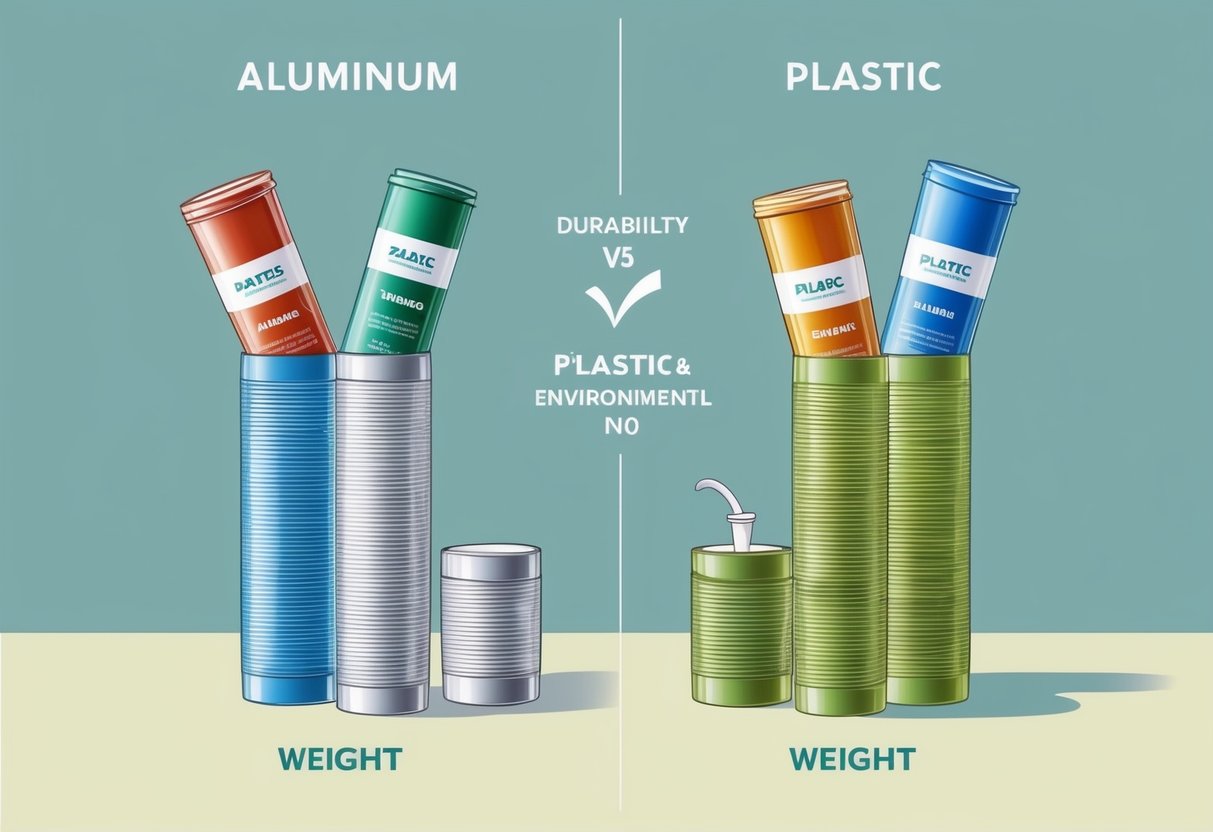
И алуминијумске и пластичне цеви нуде јединствене предности и ограничења која утичу на њихову погодност за различите примене. Избор између ових материјала утиче на све, од заштите производа до утицаја на животну средину.
Предности алуминијумских цеви
Алуминијумске цеви обезбеђују одлична заштита баријере против влаге, светлости и кисеоника, што их чини идеалним за осетљиве производе као што су лекови и одређена козметика. Ова врхунска заштита помаже значајно продужити рок трајања.
Трајност је кључна предност алуминијумских цеви. Отпорне су на убоде и добро одржавају облик, чак и када се више пута стисну. То их чини савршеним за производе којима је потребно дуготрајно складиштење.
Алуминијумске цеви нуде одличне температурна отпорност, што их чини погодним за топле и хладне производе. Они могу ефикасно хладе њихов садржај када је у фрижидеру, што је корисно за одређене лекове и козметичке формулације.
Тхе премиум осећај алуминијумске амбалаже додаје уочену вредност производима. Многи врхунски брендови бирају алуминијумске цеви за кармин преко пластичних алтернатива како би се пренео квалитет и луксуз потрошачима.
Рециклабилност је још једна значајна предност. Алуминијум се може рециклирати неограничено без губитка квалитета, што га чини дугорочно одрживијом опцијом.
Недостаци алуминијумских цеви
Тхе већи трошак производње алуминијумских цеви представља њихов примарни недостатак. Обично коштају 30-50% више од еквивалентних пластичних цеви, што може значајно утицати на профитне марже за произвођаче.
Сложеност производње представља још један изазов. Алуминијумске цеви захтевају специјализовану опрему и више енергије за производњу од пластичних алтернатива. Ово ограничава флексибилност производње и продужава време испоруке.
Разматрања тежине не може се занемарити. Алуминијумске цеви су теже од пластичних, што повећава трошкове транспорта и угљенични отисак током транспорта.
Такође постоје питања компатибилности са одређеним формулацијама производа. Алуминијум може да реагује са киселим или јако базним производима, захтевајући заштитне унутрашње премазе који повећавају сложеност и цену производње.
Ограничена флексибилност дизајна је још једно ограничење. Алуминијумске цеви нуде мање могућности за креативне облике и декоративне елементе у поређењу са пластичним цевима, што ограничава могућности брендирања.
Предности пластичних цеви
Исплативост истиче се као примарна предност пластичних цеви. Они су значајно јефтинији за производњу од алуминијумских алтернатива, што их чини идеалним за производе и брендове који су свесни буџета.
Свестраност дизајна даје пластичним цевима предност у маркетингу. Они могу бити произведени у различитим облицима, бојама и провидностима, омогућавајући креативније опције брендирања.
Лакша тежина смањује трошкове транспорта и емисије угљеника током транспорта. Ово чини пластичне цеви економичнијим и потенцијално еколошки прихватљивијим у фази дистрибуције.
Флексибилност у производњи омогућава произвођачима да изврше брзе промене дизајна и економично производе мање серије. Ово чини пластичне цеви савршеним за сезонске производе или ограничена издања.
Недавни напредак у биоразградиви материјали су се позабавили неким еколошким проблемима. Многи брендови сада нуде пластичне цеви за кармин направљен од рециклираних или биљних материјала који се лакше разлажу од традиционалне пластике.
Недостаци пластичних цеви
Утицај на животну средину остаје највећа брига за пластичне цеви. Већини конвенционалних пластичних цеви су потребне стотине година да се разграде и значајно допринесу загађењу.
Лоша заштита баријере у поређењу са алуминијумским значи пластичним цевима можда није погодан за производе који захтевају максималну заштиту од кисеоника, светлости или влаге. Ово може ограничити рок трајања за осетљиве формулације.
Проблеми са пропусношћу occur with certain plastic tubes, allowing air to gradually enter and potentially compromise product quality over time. This is particularly problematic for natural products without preservatives.
Image considerations affect premium brands using plastic packaging. Despite improvements in plastic quality, many consumers still associate plastic tubes with lower-quality products.
Температурна осетљивост restricts usage for certain applications. Many plastic tubes cannot withstand extreme temperatures during processing or storage, limiting their versatility compared to aluminum alternatives.
Usage in Industry

И алуминијумске и пластичне цеви имају кључну улогу у више индустрија. Избор између ових материјала често зависи од специфичних захтева производа, разматрања трошкова и циљева одрживости.
Цосметиц Индустри
Козметичка индустрија се у великој мери ослања на алуминијумске и пластичне цеви за паковање различитих производа. Алуминијумске цеви преферирају се за врхунску козметику због свог врхунског изгледа и осећаја.
Поређење паковања кармина:
| Феатуре | Алуминијумске цеви за руж | Пластичне тубе за кармин |
|---|---|---|
| Трајност | Висока отпорност на оштећења | Умерено, може да пукне |
| Естетика | Луксузна, металик завршна обрада | Разне завршне обраде и боје |
| Цост | Већа цена производње | Економичнији |
| Тежина | Тежи, чврст осећај | Лакша тежина |
Алуминијумске цеви за руж за усне нуде одличне баријере, штитећи осетљиве формулације од светлости и ваздуха. Лако се могу украсити утискивањем или штампањем, што их чини идеалним за луксузне брендове.
Пластичне тубе за кармине доминирају у сегменту масовног тржишта због своје исплативости и свестраности. Доступне су у транспарентним опцијама које омогућавају потрошачима да виде производ изнутра – карактеристика коју алуминијум не може да пружи.
Фармацеутска индустрија
У фармацији, оба материјала играју виталну улогу у различитим применама. Алуминијумске цеви које се склапају се широко користе за масти и креме због својих одличних баријерних својстава.
Кључне предности алуминијума у фармацеутским производима:
- Спречава контаминацију производа
- Значајно продужава рок трајања
- Нуди карактеристике које су очигледне због неовлашћеног отварања
- Одржава интегритет производа упркос честом руковању
Пластичне цеви, посебно оне направљене од полиетилена и полипропилена, стекле су популарност за мање осетљиве лекове. Лакши су, исплативији и лакши за цеђење – важна разматрања за пацијенте са ограниченом снагом руку.
Многе фармацеутске компаније сада користе ламиниране цеви које комбинују слојеве алуминијума и пластике. Овај хибридни приступ максимизира својства баријере док минимизира тежину и трошкове материјала.
Цонсумер Гоодс
Сектор робе широке потрошње, посебно производа за личну негу, представља највеће тржиште за оба типа цеви. Паковање пасте за зубе показује еволуцију од претежно алуминијумских до углавном пластичних цеви.
Зашто је дошло до ове промене? Пластичне цеви нуде:
- Нижи трошкови производње
- Смањена тежина испоруке
- Боља отпорност на пуцање
- Живописније опције украшавања
- Повећана способност стискања
Међутим, алуминијумске цеви нису потпуно нестале. И даље су популарни за врхунске пасте за зубе и специјалне производе где позиционирање бренда оправдава већу цену.
Оба материјала се појављују у производима за домаћинство као што су лепкови, заптивачи и прехрамбени производи. Тхе прехрамбена индустрија вреднује одлична својства очувања алуминијума, док их погодност и нижа цена пластичних цеви чине погодним за многе производе за привремену употребу.
Одрживост и утицај на животну средину
Када упоредимо алуминијумске и пластичне цеви, њихов утицај на животну средину се значајно разликује. Да ли сте знали да је алуминијум 100% рециклабилно а да не изгуби својства? Ово даје алуминијумским цевима изразиту предност у разговорима о одрживости.
Алуминијумске цеви захтевају више енергије током почетне производње. Тхе утицаји екструзије алуминијума на животну средину може бити значајно током производње, са високим температурама потребним за обликовање метала.
Међутим, пластичне цеви представљају своје изазове. Већина конвенционалних пластичних цеви је на бази нафте и може проћи стотине година да се разгради. Често заврше на депонијама или океанима, доприносећи загађењу.
Погледајмо кључне разлике:
| Феатуре | Алуминијумске цеви | Пластичне цеви |
|---|---|---|
| Рециклабилност | Веома се може рециклирати (бесконачни циклуси) | Ограничена могућност рециклирања |
| Енергија за производњу | Већа почетна енергија | Нижа почетна енергија |
| Животни век | Дуготрајније | Краћи животни век |
| Утицај на крај животног века | Ниже када се рециклира | Више са одлагањем депоније |
Уведене су недавне иновације биоразградиви материјали за производњу цеви. Ове алтернативе имају за циљ да реше еколошке проблеме традиционалне пластике уз задржавање функционалности.
Термичка својства такође фактор одрживости. Алуминијумске цеви нуде већу топлотну проводљивост, што може побољшати ефикасност у апликацијама као што су соларни системи грејања.
Угљични отисак транспорта је мањи за пластичне цијеви због њихове мање тежине. То значи мању потрошњу горива током транспорта и дистрибуције.
Шта је са производним процесима? Повратно екструзија са мешањем трењем за металне цеви показује обећавајућа побољшања одрживости у односу на конвенционалне методе екструзије.
Употреба воде током производње фаворизује пластичне цеви, пошто производња алуминијума обично захтева више водених ресурса. Да ли сте узели у обзир овај аспект када бирате између материјала?
Product Innovation and Technology
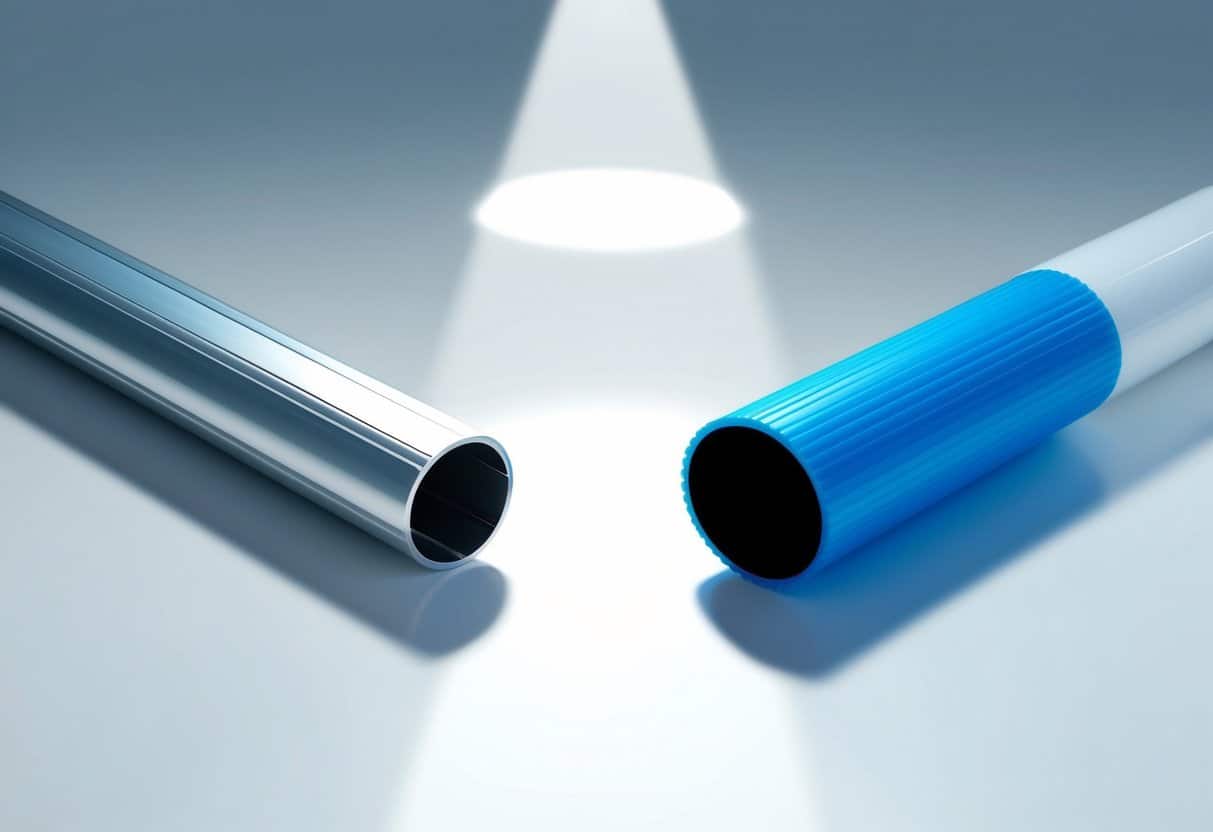
The battle between aluminum and plastic tubes has driven exciting innovations in both materials. Engineers constantly work to improve these products to meet changing market needs.
Aluminum Tube Innovations:
- Lighter aluminum alloys with improved strength
- Heat-treatable aluminum tubes with enhanced forming properties
- Corrosion-resistant coatings for extended shelf life
Plastic tubes have seen remarkable advancements too. Modern polymers offer impressive заштита баријере qualities that rival aluminum in many applications.
Did you know plastic tubes can be made from recycled materials? This eco-friendly approach has given plastic a boost у оценама одрживости у поређењу са традиционалним алуминијумом.
Технологије производње су се развиле за оба материјала. Алуминијумске цеви имају користи од ултразвучних третмана који побољшавају њихова енергетска својства, док производња пластике користи иновативне технике обликовања.
Козметичка индустрија је прихватила оба материјала. Док класична папирна туба за кармин се постепено гаси, алуминијум нуди врхунску привлачност, а пластика обезбеђује економичност и флексибилност дизајна.
| Феатуре | Алуминијумске цеви | Пластичне цеви |
|---|---|---|
| Барриер Протецтион | Одлично | Добро до одлично |
| Флексибилност дизајна | Ограничено | Високо |
| Рециклабилност | Високо | Умерено |
| Цост | Више | Ниже |
Компаније сада развијају хибридна решења која комбинују најбоља својства оба материјала. Ове иновације имају за циљ да обезбеде савршену заштиту баријере уз смањење утицаја на животну средину.
Шта је следеће за технологију цеви? Паметна амбалажа са индикаторима температуре и функцијама против фалсификовања појављује се иу алуминијумским и пластичним опцијама.
Потрошачке преференције и трендови

Данашњи потрошачи показују различите преференције када бирају између алуминијумских и пластичних цеви. Недавна истраживања показују да материјали за паковање у великој мери утичу на одлуке о куповини.
Када је реч о посуде за ружеве, многи потрошачи мењају своје преференције на основу практичних и еколошких брига.
Према истраживању, преференције купаца за пластичне цеви расте на одређеним тржиштима. Зашто? Пластика нуди флексибилност и често кошта мање од традиционалних опција.
Алуминијумске цеви за кармин наставља да одржава популарност из неколико разлога:
- Премиум изглед и осећај
- Боља заштита за осетљиве формулације
- Апел за рециклирање
Пластичне цеви за кармин узимају маха због:
- Лагани дизајн
- Нижи трошкови производње
- Разноликост декоративних опција
Тхе тренд хране у тубама пружа занимљиве увиде у преференције паковања у различитим демографским категоријама. Оно што функционише за једну категорију производа често утиче на друге!
У смислу перформансе, студије упоређујући цеви од алуминијума, стаклених влакана и угљеничних влакана показују да алуминијумске опције демонстрирају “стабилан узлазни тренд” у апсорпцији енергије – важан фактор за заштиту производа.
Културне разлике такође играју улогу. Амерички потрошачи упознати са пластичним боцама и цевима могу имати другачија очекивања од европских потрошача, који се често удружују алуминијумске цеви са ретро-кул шведском иновацијом.
Да ли сте приметили ове разлике у паковању у свакодневној куповини? Многи брендови одговарају на ове преференције нудећи обе опције.
Регулаторна и безбедносна разматрања
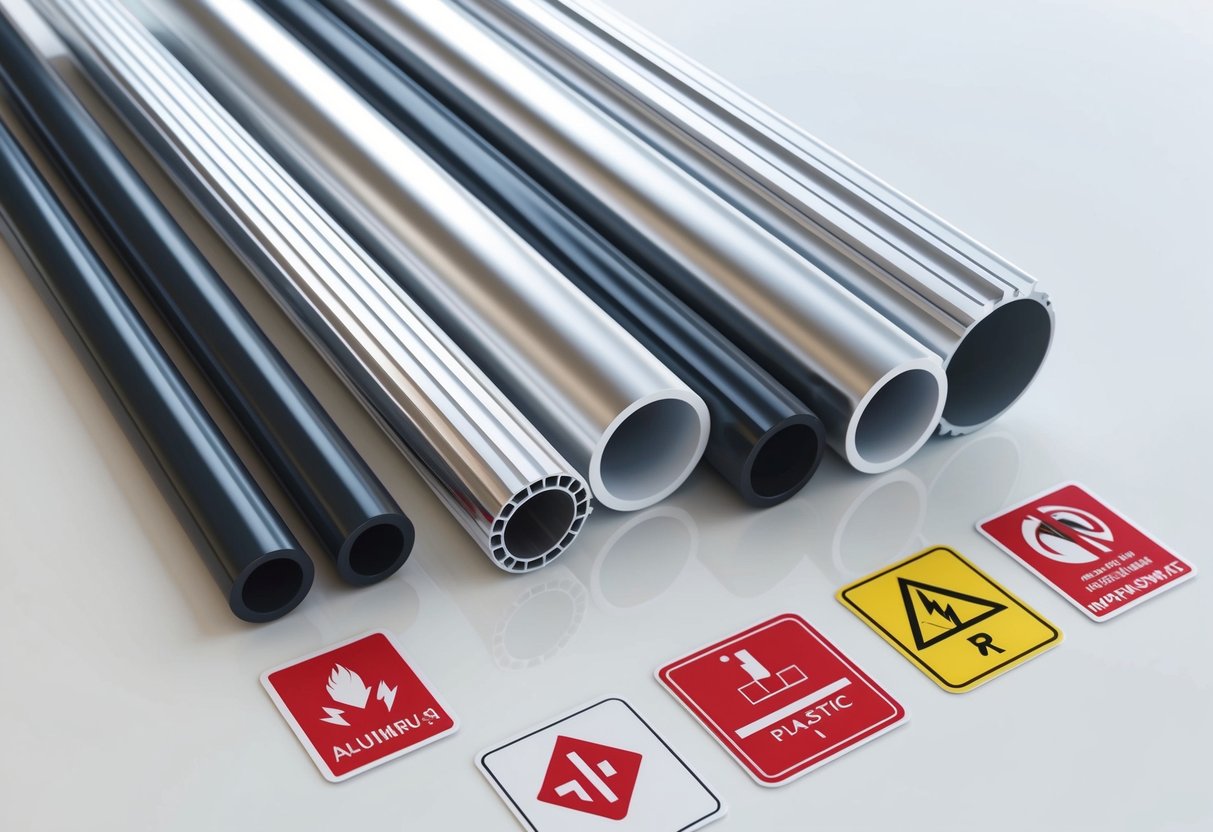
И алуминијумске и пластичне цеви суочавају се са строгим регулаторним захтевима како би се осигурала безбедност потрошача. Ови стандарди покривају састав материјала, производне праксе и потенцијалне хемијске интеракције са садржајем.
Стандарди за алуминијумске цеви
Алуминијумске цеви морају бити у складу са неколико безбедносних прописа у вези са чистоћом материјала и стандардима премаза. ФДА и друга регулаторна тела су успоставила специфичне смернице за алуминијумске контејнере који долазе у контакт са храном и производима за личну негу.
Једно од кључних разматрања је потенцијал за лужење алуминијума, посебно са киселим садржајем. Произвођачи обично примењују заштитне унутрашње облоге како би спречили директан контакт између алуминијума и производа.
Регулаторни оквир се такође бави:
- Максимални дозвољени садржај алуминијума
- Стандарди интегритета премаза
- Тестирање протокола за миграцију метала
- Захтеви за етикетирање
За козметичке апликације, алуминијумске цеви се сматрају идеалним за креме али морају испунити строге безбедносне процене. Ове процене процењују потенцијал за трансфер метала у производ.
Произвођачи морају да обезбеде документацију која доказује да њихове цеви испуњавају све важеће безбедносне стандарде пре него што производе на тржиште.
Стандарди за пластичне цеви
Пластичне цеви се суочавају са различитим, али подједнако ригорозним регулаторним надзором. Примарне бриге се врте около chemical migration, especially with substances like phthalates and BPA that may have health implications.
Regulatory authorities have established specific filing requirements for plastic containers, often creating barriers when companies attempt to switch from glass to plastic packaging.
Safety considerations for plastic tubes include:
- Extractables and leachables testing
- Material composition verification
- Stability under various temperatures
- Recycling classifications
The FDA has expressed specific concerns about extractables from plastic materials, requiring manufacturers to conduct extensive testing. This testing ensures that chemicals from the plastic don’t migrate into the product at harmful levels.
Sustainability regulations are increasingly important for plastic tubes, with many regions implementing програми проширене одговорности произвођача који утичу на избор паковања.
Закључак
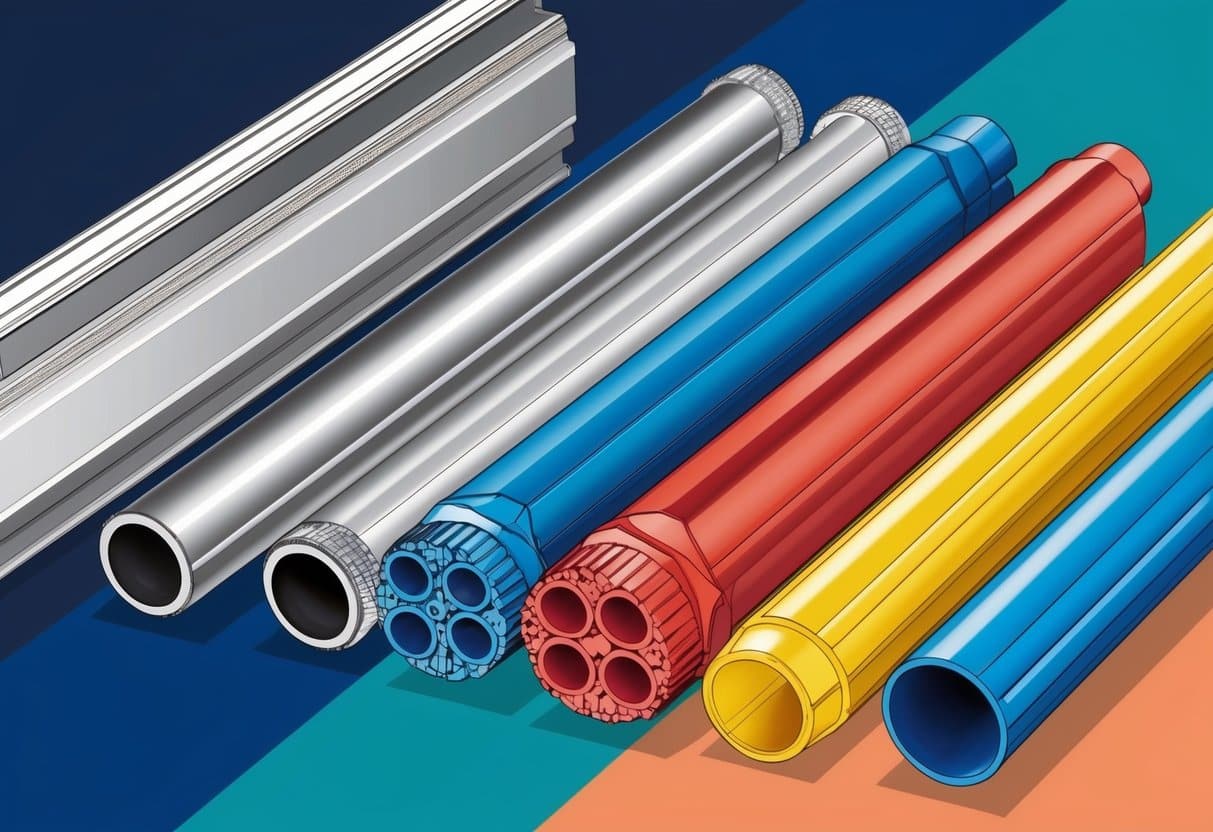
Када бирате између алуминијумских и пластичних цеви, размотрите своје специфичне потребе и приоритете. Оба материјала имају јединствене снаге и слабости.
Алуминијумске цеви нуде неколико кључних предности:
- Врхунска топлотна проводљивост (важно за системи за хлађење)
- Одличан за превенцију прегревања у апликацијама на високим температурама
- Бољи однос снаге и тежине
- Еколошки прихватљивији јер се могу рециклирати
Алуминијумске цеви за кармин пружају врхунски осећај и бољу заштиту за козметичке производе. Посебно су популарни у врхунским линијама шминке где је презентација важна.
Пластичне цеви сјај у овим областима:
- Нижи трошкови производње
- Већа флексибилност дизајна
- Лакша тежина
- Боља отпорност на одређене хемикалије
Пластичне цеви за кармин су јефтинији и омогућавају креативније опције боја и облика.
За аутомобилске апликације као што су В8 мотори, алуминијумске цеви генерално боље раде за системе хлађења. Они помажу у одржавању оптималних температурних опсега и спречавају оштећења мотора од прегревања.
Компаније морају да одваже ове факторе у односу на своја буџетска ограничења и специфичне захтеве примене. Оно што савршено функционише за један производ може бити потпуно неприкладно за други.
Индустрија наставља да развија иновације у оба материјала, побољшавајући карактеристике перформанси док се бави традиционалним слабостима. Будући развој може додатно замаглити границе између ова два свестрана материјала.
