
A indústria da beleza está a evoluir em direção à sustentabilidade, com muitas marcas a concentrarem-se agora em soluções de embalagens ecológicas. Os produtos tradicionais para a pele geralmente vêm em recipientes de plástico que contribuem para o desperdício ambiental. Estudos recentes mostram que os consumidores estão cada vez mais preocupados com esta questão, com 89% das pessoas preferem fortemente materiais ecológicos em suas embalagens de cuidados com a pele e cosméticos.
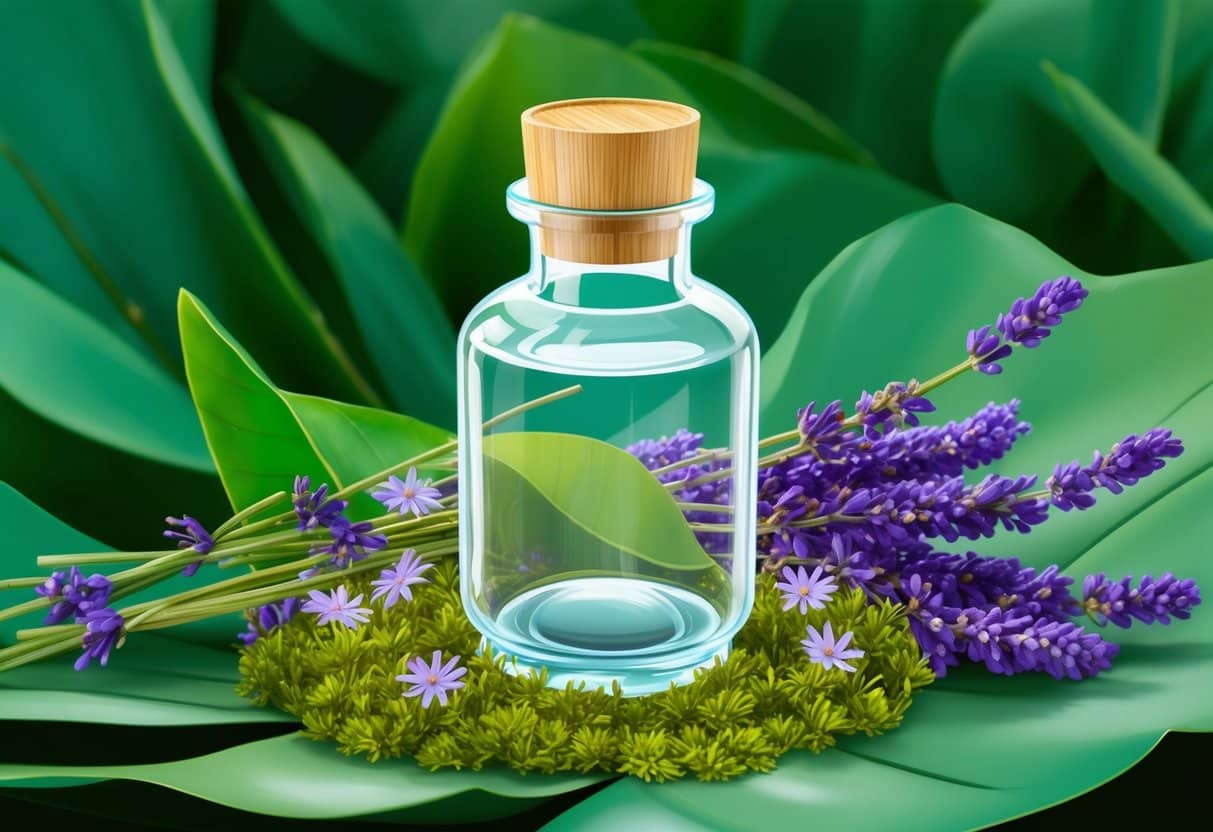
Você pode reduzir seu impacto ambiental escolhendo produtos para a pele com opções de embalagens sustentáveis, como materiais reciclados, recipientes biodegradáveis ou sistemas recarregáveis. Essas alternativas ajudam a minimizar o desperdício de plástico e, ao mesmo tempo, proporcionam cuidados eficazes para a pele. Algumas empresas inovadoras estão até desenvolvendo embalagens comestíveis e produtos feitos de subprodutos alimentares.
Ao comprar produtos para a pele, procure rótulos claros sobre a sustentabilidade das embalagens. Muitas marcas agora destacam suas iniciativas ecológicas, embora seja importante notar que ainda há falta de definições padronizadas para termos como “ecológico” ou “verde” embalagem. Essa consciência pode ajudá-lo a fazer escolhas que se alinhem com seus valores ambientais, sem sacrificar a qualidade dos cuidados com a pele.
A importância das embalagens ecológicas para cuidados com a pele

As embalagens ecológicas desempenham um papel crucial na redução dos danos ambientais, ao mesmo tempo que satisfazem as crescentes expectativas dos consumidores. A indústria da beleza produz milhares de milhões de unidades de embalagem anualmente, criando desafios ambientais substanciais que as alternativas sustentáveis podem resolver.
Impacto Ambiental das Embalagens
A indústria cosmética gera mais de 120 mil milhões de unidades de embalagens todos os anos, contribuindo significativamente para o desperdício global. Muitos recipientes tradicionais para cuidados com a pele usam plásticos não biodegradáveis que persistem em aterros sanitários por centenas de anos.
Quando você escolhe produtos com embalagens ecológicas, você ajuda a reduzir:
- Poluição plástica nos oceanos e cursos de água
- Emissões de carbono provenientes de processos de fabricação
- Esgotamento de recursos devido à extração de matérias-primas
- Consumo de energia durante a produção
Alternativas sustentáveis incluem:
- Materiais biodegradáveis
- Recipientes recicláveis
- Sistemas recarregáveis
- Designs mínimos de embalagens
Estas opções utilizam menos recursos e geram menos resíduos. As empresas que implementam estas soluções demonstraram que podem manter a qualidade dos produtos e, ao mesmo tempo, reduzir a sua pegada ambiental.
Demanda do Consumidor por Sustentabilidade
Suas decisões de compra têm poder. A investigação mostra que os consumidores preferem cada vez mais marcas que demonstrem responsabilidade ambiental através das suas escolhas de embalagens.
Estudos indicam que consciência ambiental influencia significativamente o comportamento de compra no setor de beleza. Muitos compradores estão dispostos a pagar mais por produtos com embalagens sustentáveis.
As redes sociais amplificaram esta tendência, com os consumidores a apoiar ou criticar publicamente as marcas com base nas suas práticas ambientais. Empresas como a Lush comercializaram com sucesso as suas iniciativas ecológicas para se conectarem com clientes ambientalmente conscientes.
Quando você seleciona cuidados com a pele com design de embalagem sustentável, você:
- Apoie práticas empresariais responsáveis
- Incentive melhorias em todo o setor
- Alinhe suas compras com seus valores
A vontade de comprar cuidados de pele orgânicos certificados com embalagens ecológicas aumenta à medida que os consumidores se tornam mais conscientes do seu papel na preservação das propriedades dos produtos.
Definindo embalagens ecológicas

As embalagens ecológicas concentram-se em materiais e designs que minimizam o impacto ambiental ao longo do seu ciclo de vida. A indústria de embalagens está evoluindo à medida que os consumidores exigem mais opções sustentáveis em produtos de beleza.
Características das embalagens sustentáveis
As embalagens sustentáveis utilizam o mínimo de materiais, mantendo a proteção do produto. Você o reconhecerá por seu peso reduzido, tamanho menor e design mais simples em comparação com as alternativas convencionais.
Os materiais são provenientes de recursos renováveis como embalagens à base de bambu, cana-de-açúcar ou cogumelos. Esses insumos renováveis ajudam a reduzir a dependência de plásticos à base de petróleo.
A eficiência energética é outra característica fundamental. As embalagens que requerem menos energia para serem produzidas, transportadas e descartadas obtêm notas mais altas de sustentabilidade.
A embalagem ecológica ideal considera todo o ciclo de vida – desde a extração da matéria-prima até o eventual descarte ou reutilização. Esta abordagem holística garante que nada prejudicial persista no meio ambiente.
Algumas marcas incluem instruções claras de descarte, tornando mais fácil reciclar ou compostar adequadamente seus recipientes.
Materiais biodegradáveis vs recicláveis
Materiais biodegradáveis decompor-se naturalmente em componentes não tóxicos. Ao escolher produtos para a pele, procure embalagens que especifiquem a rapidez com que se degradam e em que condições.
As verdadeiras embalagens biodegradáveis se decompõem completamente em meses, em vez de séculos. No entanto, avaliação de vulnerabilidade adequada é necessária porque alguns recipientes biodegradáveis podem não proteger adequadamente formulações sensíveis.
Embalagem reciclável podem ser reprocessados em novos produtos. Os materiais recicláveis comuns em cuidados com a pele incluem:
- Vidro (infinitamente reciclável)
- Alumínio (altamente eficiente para reciclar)
- Plásticos PET e HDPE (amplamente aceitos)
A distinção é importante porque a reciclagem requer ação e infraestrutura do consumidor, enquanto a biodegradação acontece naturalmente. Ambas as abordagens têm vantagens, mas nenhuma é perfeita.
Alguns Marcas de cuidados com a pele sediadas no Colorado combine essas abordagens com embalagens inovadoras que podem ser plantadas após o uso, atendendo a dois propósitos.
Materiais usados em embalagens ecológicas

A indústria cosmética está migrando para soluções de embalagens sustentáveis que reduzem o impacto ambiental e ao mesmo tempo mantêm a integridade do produto. Esses materiais oferecem vários benefícios, incluindo redução da pegada de carbono e biodegradabilidade no final da vida útil.
Materiais à base de plantas em embalagens para cuidados com a pele
Os materiais de embalagem à base de plantas estão revolucionando a indústria de cuidados com a pele devido à sua natureza renovável e menor impacto ambiental. Materiais lignocelulósicos derivados de fibras vegetais são cada vez mais populares na criação de recipientes e caixas rígidas. Esses materiais utilizam fibras naturais que se decompõem mais facilmente do que os plásticos convencionais.
O bambu emergiu como uma opção líder devido ao seu rápido ciclo de crescimento e requisitos mínimos de processamento. Você encontrará bambu usado em tampas de potes, estojos compactos e embalagens externas para linhas premium de cuidados com a pele.
O bagaço da cana, subproduto da produção de açúcar, agora é transformado em embalagens moldadas que podem substituir as embalagens plásticas. Esta abordagem dá nova vida aos resíduos agrícolas que de outra forma seriam descartados.
As embalagens de micélio de cogumelo representam uma fronteira inovadora, criando materiais de amortecimento que protegem os recipientes de vidro durante o transporte, ao mesmo tempo que são totalmente compostáveis em 45 dias.
Inovações em materiais biodegradáveis
Avanços recentes em materiais biodegradáveis oferecem alternativas interessantes aos plásticos tradicionais em embalagens de cuidados com a pele. Materiais biodegradáveis ecológicos são projetados para se decomporem com segurança em ambientes naturais, deixando resíduos mínimos.
Filmes para embalagens à base de algas marinhas agora podem substituir embalagens e bolsas plásticas. Esses materiais se dissolvem na água, gerando zero desperdício após o uso.
Os bioplásticos à base de amido de milho imitam as propriedades protetoras dos plásticos tradicionais, mas se decompõem dentro de 6 a 12 meses em condições adequadas de compostagem. Você reconhecerá esses materiais por seu acabamento levemente fosco e toque natural.
Várias marcas agora usam embalagens comestíveis para produtos de tamanho amostral, levando o conceito de redução de resíduos à sua conclusão lógica. Esses materiais derivados de resíduos orgânicos servem a dois propósitos na indústria cosmética.
Materiais biodegradáveis comuns:
- Filmes baseados em algas
- Derivados de celulose
- Polímeros à base de amido
- Compostos de resíduos agrícolas
O papel do ácido polilático
O ácido polilático (PLA) tornou-se um material fundamental em embalagens ecológicas para cuidados com a pele devido à sua versatilidade e impacto ambiental relativamente baixo. Este polímero derivado de planta é normalmente produzido a partir de milho ou cana-de-açúcar e pode ser moldado em várias formas.
O PLA oferece excelente clareza, tornando-o perfeito para produtos onde a visibilidade é importante. Seus soros e óleos para a pele podem ser apresentados em frascos de PLA que parecem semelhantes aos plásticos convencionais, mas carregam uma fração da carga ambiental.
Quando descartado adequadamente em instalações de compostagem industrial, o PLA se decompõe em água, dióxido de carbono e biomassa dentro de 3 a 6 meses. Isto é dramaticamente mais rápido do que os plásticos à base de petróleo que persistem durante séculos.
O PLA pode ser misturado com outros materiais para melhorar propriedades específicas como flexibilidade ou resistência à umidade. Esta adaptabilidade o torna adequado para tudo, desde recipientes rígidos até filmes flexíveis.
O material tem um bom desempenho na proteção de formulações de cuidados com a pele sensíveis da exposição à luz e ao ar, mantendo a estabilidade do produto durante toda a sua vida útil.
Projetando embalagens sustentáveis para cuidados com a pele

O design de embalagens sustentáveis equilibra o apelo estético com a responsabilidade ambiental. A indústria da beleza está migrando para materiais e sistemas que minimizam o impacto ecológico e ao mesmo tempo protegem a integridade do produto.
Design de embalagens para redução da pegada ambiental
Ao projetar embalagens ecológicas para cuidados com a pele, a seleção do material é fundamental. Materiais biodegradáveis são alternativas cada vez mais populares aos plásticos tradicionais. As opções incluem:
- Plásticos reciclados pós-consumo (PCR)
- Bioplásticos à base de plantas
- Papel e papelão de fontes certificadas pelo FSC
- Vidro (embora mais pesado, é infinitamente reciclável)
A estrutura da sua embalagem também é importante. Projetos minimalistas que usam menos material podem reduzir significativamente o impacto ambiental. Considere eliminar componentes desnecessários, como caixas extras ou janelas de plástico.
As escolhas de cores afetam a reciclabilidade. Os pigmentos escuros podem dificultar a reciclagem dos plásticos, por isso cores mais claras são preferíveis. Tintas à base de água e impressão à base de soja reduzem a poluição química.
Você também deve projetar para o fim da vida. Criando embalagem que é facilmente desmontada ajuda os consumidores a reciclar adequadamente cada componente.
Sistemas Recarregáveis e Soluções Zero Desperdício
Os frascos recarregáveis representam uma das soluções mais promissoras para embalagens sustentáveis de cuidados com a pele. Ao implementar sistemas de recarga, você pode reduzir o desperdício de embalagens em até 70%.
As opções recarregáveis populares incluem:
- Recipientes externos duráveis com cartuchos internos substituíveis
- Bolsas que usam menos material que embalagens rígidas
- Formatos de produtos concentrados que exigem recipientes menores
- Estações de recarga na loja para contêineres de clientes
Design de embalagem sem desperdício considera todo o ciclo de vida do produto. Embalagens que atendem a diversos propósitos estendem a utilidade além da compra inicial.
Para que os sistemas recarregáveis tenham sucesso, você deve garantir que eles sejam intuitivos e convenientes. O processo de recarga deve ser simples o suficiente para que os consumidores não o abandonem por opções mais convenientes.
Marcas que comunicam claramente sobre como usar e descartar embalagens percebem maior participação dos consumidores em iniciativas de sustentabilidade.
Opções de embalagem ecológica

A indústria da beleza está evoluindo com soluções inovadoras que reduzem o impacto ambiental e ao mesmo tempo mantêm a integridade dos produtos. Estas alternativas sustentáveis respondem à procura dos consumidores por embalagens responsáveis sem comprometer a funcionalidade ou o apelo.
Embalagem de algas marinhas na indústria da beleza
As embalagens de algas marinhas representam um avanço revolucionário em recipientes ecológicos para cuidados com a pele. Este material biodegradável decompõe-se naturalmente em ambientes marinhos, não deixando resíduos tóxicos. Empresas como a Pangea Organics foram pioneiras soluções de embalagem à base de algas marinhas que protegem os produtos e minimizam os danos ecológicos.
Ao escolher produtos para a pele com embalagens de algas marinhas, você seleciona uma opção que:
- Biodegrada dentro de 4-6 semanas
- Requer 70% menos energia para ser produzido do que o plástico
- Não contém produtos químicos ou aditivos nocivos
- Às vezes pode ser plantado para cultivar ervas ou plantas
A textura e a aparência das embalagens de algas marinhas melhoraram drasticamente, oferecendo agora propriedades resistentes à água e designs atraentes que atraem os consumidores de cuidados de pele de luxo.
Vantagens dos recipientes ecológicos
Os contêineres ecológicos oferecem vários benefícios além da proteção ambiental. Essas opções sustentáveis podem melhorar a experiência da sua marca e, ao mesmo tempo, reduzir a sua pegada de carbono. Estudos mostram que designs de embalagens ecologicamente corretos influenciam as decisões de compra positivamente, criando uma fidelidade mais forte do cliente.
As principais vantagens incluem:
Para consumidores:
- Exposição reduzida a produtos químicos potencialmente nocivos
- Alinhamento com valores ambientais pessoais
- Muitas vezes designs mais inovadores e distintos
- Potencial reutilização para outros fins
Para marcas:
- Maior reputação e diferenciação de mercado
- Redução dos custos de envio (materiais mais leves)
- Taxas reduzidas de eliminação de resíduos
- Atendendo aos crescentes requisitos regulatórios
Muitos recipientes ecológicos oferecem agora uma protecção comparável ou superior contra a contaminação em comparação com as embalagens tradicionais, abordando questões anteriores preocupações sobre risco microbiano.
Transição para embalagens de maquiagem sustentáveis
Você pode mudar para embalagens de maquiagem sustentáveis por meio de escolhas graduais e cuidadosas. O O setor de cosméticos agora oferece opções cruciais de embalagens ecológicas para melhorar o impacto ambiental e a reputação da marca.
Comece procurando por:
- Compactos e recipientes recarregáveis
- Garrafas de vidro em vez de plástico
- Embalagem de bambu para itens como tubos de rímel
- Embalagens em papel de fontes certificadas pelo FSC
- Produtos com embalagem externa mínima ou eliminada
Os principais varejistas de produtos de beleza agora apresentam seções dedicadas à sustentabilidade, facilitando a identificação de opções verdadeiramente ecológicas. Ao comprar, verifique se há certificações como rótulos Cradle to Cradle, EcoCert ou FSC.
Suas escolhas de embalagem criam demanda no mercado. Mesmo pequenas mudanças – como escolher um produto com embalagens cosméticas ecológicas—contribuir para a transformação da indústria em direção a práticas mais sustentáveis.
Marca e embalagem ecológica

A embalagem serve como representação física dos valores de uma marca e do compromisso com a sustentabilidade. Quando as empresas de cuidados com a pele adotam soluções de embalagens ecológicas, comunicam a sua ética ambiental diretamente aos consumidores.
O impacto da embalagem na imagem da marca
A identidade da sua marca fica intimamente ligada às suas escolhas de embalagem. Estudos mostram que os consumidores respondem positivamente às embalagens ecológicas, o que pode melhorar significativamente a imagem da sua marca no mercado atual com consciência ambiental.
Empresas como Orgânicos da Pangeia incorporaram com sucesso as suas embalagens sustentáveis como um ponto-chave de venda, tornando-as centrais para a identidade da sua marca.
O design da sua embalagem serve como um embaixador silencioso dos seus valores. Ao escolher materiais que refletem o cuidado ambiental, você constrói a confiança dos consumidores que buscam cada vez mais marcas que se alinham com seus valores ambientais.
Fatores de fidelidade do consumidor:
- Mensagens consistentes de sustentabilidade
- Fornecimento de materiais transparentes
- Soluções de embalagem inovadoras
- Pegada ambiental reduzida
Pesquisas indicam que os clientes são frequentemente disposto a pagar preços premium para produtos de cuidados da pele com embalagens ecológicas, demonstrando o valor financeiro direto das escolhas de marcas sustentáveis.
