
Als het gaat om de keuze tussen aluminium buizen en plastic buizen, kan het begrijpen van de belangrijkste verschillen u tijd en geld besparen. Aluminium buizen, bekend om hun duurzaamheid en sterkte, kunnen aanzienlijke druk weerstaan zonder te vervormen. Onderzoek toont aan dat aluminium buizen tijdens spanning specifieke plastische vervormingspatronen ondergaan, waardoor ze ideaal zijn voor structurele toepassingen waarbij draagvermogen cruciaal is.
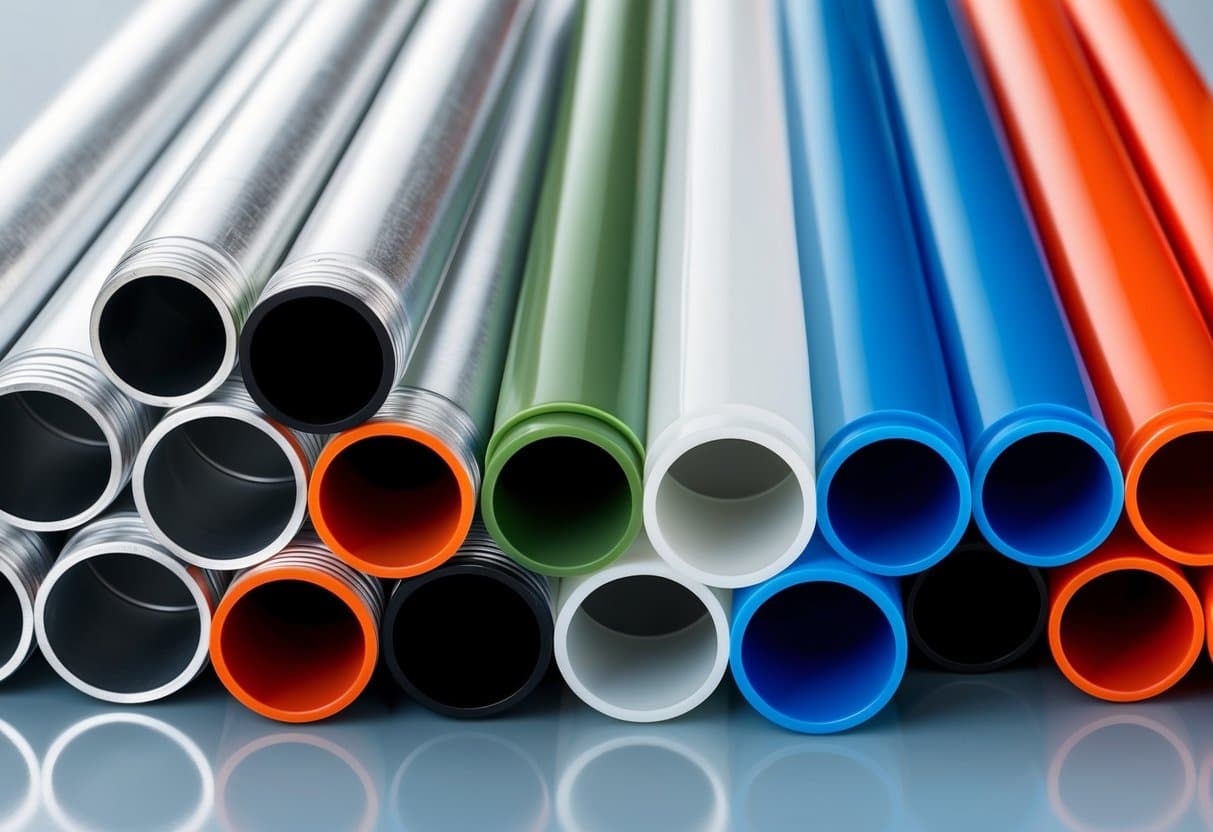
Vraagt u zich af welk materiaal het beste is voor uw project? Plastic buizen bieden flexibiliteit en chemische weerstand waar metalen buizen niet aan kunnen tippen. Ze zijn doorgaans ook lichter en kosteneffectiever. Echter, aluminium buizen vertonen een superieure energieabsorptie staan onder druk, waardoor ze veiliger zijn voor automobiel- en ruimtevaarttoepassingen waar slagvastheid van belang is.
Temperatuuroverwegingen spelen ook een cruciale rol bij uw beslissing. Terwijl plastic onder extreme hitte kan kromtrekken of smelten, behouden aluminium buizen hun integriteit over een groter temperatuurbereik. Bijvoorbeeld, commerciële aluminium buizen kunnen effectief worden samengevoegd met andere metalen door middel van verschillende lasprocessen, waardoor sterke verbindingen ontstaan die plastic eenvoudigweg niet kan bereiken. Wat is uw prioriteit: gewicht, kracht of kosten?
Materiaaloverzicht
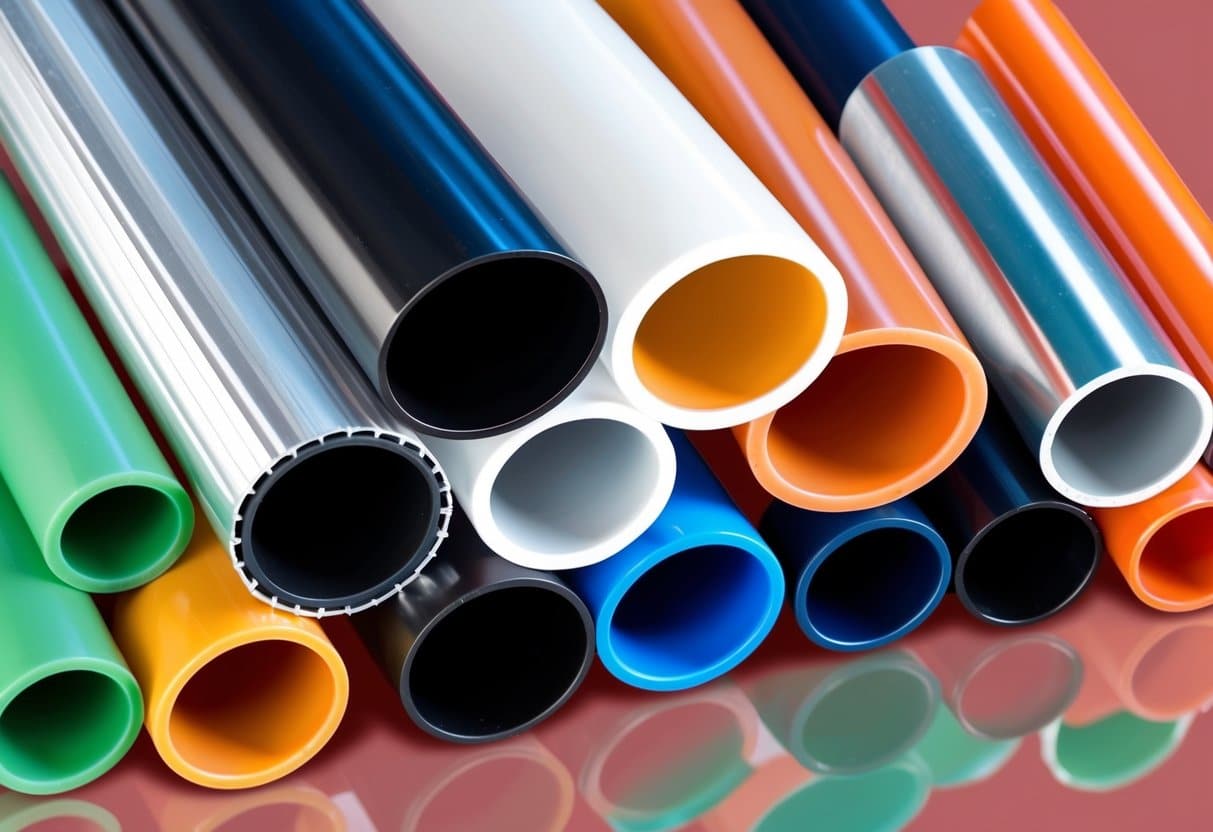
Bij het selecteren van buizen voor verschillende toepassingen is het van cruciaal belang om de belangrijkste verschillen tussen aluminium en kunststof opties te begrijpen. Beide materialen bieden unieke eigenschappen die van invloed zijn op de prestaties, duurzaamheid en milieuoverwegingen.
Aluminium buizen
Aluminium buizen staan bekend om hun uitstekende sterkte-gewichtsverhouding en superieure duurzaamheid. Deze metalen containers bieden uitstekende barrièrebescherming tegen vocht, licht en zuurstof, waardoor ze ideaal zijn voor gevoelige producten.
Een groot voordeel van aluminium buizen is hun thermische geleidbaarheid. Ze blinken uit in koeltoepassingen, waarbij ze op efficiënte wijze warmte afvoeren van de inhoud of omliggende systemen. Deze eigenschap maakt ze perfect voor industriële toepassingen waarbij temperatuurbeheer van cruciaal belang is.
Aluminium lippenstiftbuizen zijn populair geworden in de cosmetica-industrie vanwege hun:
- Premium look en feel
- Recycleerbaarheid (kan voor onbepaalde tijd worden gerecycled)
- Mogelijkheid om formuleringen te beschermen tegen afbraak
Het productieproces voor aluminium buizen omvat vaak ernstige plastische vervorming, die ultrafijnkorrelige structuren kunnen produceren die de materiaaleigenschappen verbeteren. Hierdoor ontstaan buizen met verbeterde sterkte zonder noemenswaardig gewicht toe te voegen.
Kunststof buizen
Aanbieding plastic buizen veelzijdigheid en kosteneffectiviteit voor talloze toepassingen. Ze zijn verkrijgbaar in verschillende polymeersoorten, elk met specifieke eigenschappen die zijn afgestemd op verschillende behoeften en inhoud.
Het lichtgewicht karakter van plastic buizen maakt ze ideaal voor:
- Verlaging van de verzendkosten
- Gemakkelijkere afhandeling door de consument
- Flexibele verpakkingsoplossingen
Recente ontwikkelingen hebben hun intrede gedaan biologisch afbreekbare materialen in de productie van plastic buizen, waarbij milieuproblemen worden aangepakt. Deze milieuvriendelijke alternatieven gaan op natuurlijke wijze kapot terwijl ze de noodzakelijke prestatiekenmerken behouden tijdens de beoogde gebruiksperiode.
Er zijn veel plastic buizen aanwezig meerlaagse constructie om de barrièrebescherming tegen zuurstof, vocht en licht te verbeteren. Ze komen echter over het algemeen niet overeen met de volledige barrière-eigenschappen van aluminium, vooral niet bij zeer gevoelige producten.
Kunststofopties bieden doorgaans een grotere ontwerpflexibiliteit, waardoor transparante secties, gevarieerde vormen en een breed scala aan kleuren en decoratieve technieken mogelijk zijn die een beroep doen op moderne verpakkingsbehoeften.
Voordelen en nadelen
Zowel aluminium als plastic buizen bieden unieke voordelen en beperkingen die van invloed zijn op hun geschiktheid voor verschillende toepassingen. De keuze tussen deze materialen heeft invloed op alles, van productbescherming tot impact op het milieu.
Voordelen van aluminium buizen
Aluminium buizen bieden uitstekende barrièrebescherming tegen vocht, licht en zuurstof, waardoor ze ideaal zijn voor gevoelige producten zoals medicijnen en bepaalde cosmetica. Deze superieure bescherming helpt de houdbaarheid aanzienlijk te verlengen.
Duurzaamheid is een belangrijk voordeel van aluminium buizen. Ze zijn bestand tegen lekrijden en behouden hun vorm goed, zelfs als ze herhaaldelijk worden ingedrukt. Dit maakt ze perfect voor producten die langdurige opslag nodig hebben.
Aluminium buizen bieden uitstekend temperatuur weerstand, waardoor ze geschikt zijn voor zowel warme als koude producten. Dat kunnen ze hun inhoud effectief afkoelen wanneer gekoeld, wat handig is voor bepaalde medicijnen en cosmetische formuleringen.
De premium gevoel van aluminium verpakkingen voegt waargenomen waarde toe aan producten. Veel high-end merken kiezen ervoor aluminium lippenstiftbuizen over plastic alternatieven om kwaliteit en luxe aan de consument over te brengen.
Recycleerbaarheid is een ander belangrijk voordeel. Aluminium kan voor onbepaalde tijd worden gerecycled zonder kwaliteitsverlies, waardoor het op de lange termijn een duurzamere optie is.
Nadelen van aluminium buizen
De hogere productiekosten van aluminium buizen vertegenwoordigt hun voornaamste nadeel. Ze kosten doorgaans 30-50% meer dan vergelijkbare plastic buizen, wat een aanzienlijke impact kan hebben op de winstmarges van fabrikanten.
Complexiteit van de productie biedt nog een uitdaging. Aluminium buizen vereisen gespecialiseerde apparatuur en meer energie om te produceren dan plastic alternatieven. Dit beperkt de productieflexibiliteit en verlengt de doorlooptijden.
Gewichtsoverwegingen kan niet worden genegeerd. Aluminium buizen zijn zwaarder dan plastic buizen, wat de verzendkosten en de ecologische voetafdruk tijdens het transport verhoogt.
Er zijn ook compatibiliteitsproblemen met bepaalde productformuleringen. Aluminium kan reageren met zure of sterk basische producten, waardoor beschermende interne coatings nodig zijn die de productiecomplexiteit en -kosten vergroten.
Beperkte ontwerpflexibiliteit is een andere beperking. Aluminium buizen bieden minder mogelijkheden voor creatieve vormen en decoratieve elementen vergeleken met plastic buizen, wat de merkmogelijkheden beperkt.
Voordelen van plastic buizen
Kosteneffectiviteit valt op als het belangrijkste voordeel van plastic buizen. Ze zijn aanzienlijk goedkoper te produceren dan aluminiumalternatieven, waardoor ze ideaal zijn voor prijsbewuste producten en merken.
Ontwerpveelzijdigheid geeft plastic buizen een voorsprong in marketing. Dat kunnen ze zijn vervaardigd in verschillende vormen, kleuren en transparanten, waardoor meer creatieve merkopties mogelijk zijn.
Lichter gewicht vermindert de verzendkosten en de CO2-uitstoot tijdens het transport. Dit maakt plastic buizen zuiniger en potentieel milieuvriendelijker in de distributiefase.
Flexibiliteit in productie stelt fabrikanten in staat snelle ontwerpwijzigingen door te voeren en kleinere batches economisch te produceren. Dit maakt plastic kokers perfect voor seizoensproducten of limited editions.
Recente ontwikkelingen in biologisch afbreekbare materialen hebben een aantal milieuproblemen aangepakt. Veel merken bieden het nu aan plastic lippenstiftbuizen gemaakt van gerecyclede of plantaardige materialen die gemakkelijker afbreken dan traditionele kunststoffen.
Nadelen van plastic buizen
Milieu-impact blijft de grootste zorg bij plastic buizen. Het duurt honderden jaren voordat de meeste conventionele plastic buizen zijn afgebroken en ze dragen aanzienlijk bij aan de vervuiling.
Inferieure barrièrebescherming vergeleken met aluminium betekent dit plastic buizen is mogelijk niet geschikt voor producten die maximale bescherming vereisen door zuurstof, licht of vocht. Dit kan de houdbaarheid van gevoelige formuleringen beperken.
Problemen met de doorlaatbaarheid komen voor bij bepaalde plastic buizen, waardoor lucht geleidelijk binnendringt en de productkwaliteit na verloop van tijd mogelijk in gevaar komt. Dit is vooral problematisch voor natuurlijke producten zonder conserveermiddelen.
Overwegingen bij afbeeldingen invloed hebben op premiummerken die plastic verpakkingen gebruiken. Ondanks verbeteringen in de kwaliteit van plastic associëren veel consumenten plastic buizen nog steeds met producten van lagere kwaliteit.
Temperatuurgevoeligheid beperkt het gebruik voor bepaalde toepassingen. Veel plastic buizen zijn niet bestand tegen extreme temperaturen tijdens verwerking of opslag, waardoor hun veelzijdigheid wordt beperkt in vergelijking met aluminium alternatieven.
Gebruik in de industrie

Zowel aluminium als plastic buizen vervullen een cruciale rol in meerdere industrieën. De keuze tussen deze materialen hangt vaak af van specifieke producteisen, kostenoverwegingen en duurzaamheidsdoelstellingen.
Cosmetische industrie
De cosmetische industrie is sterk afhankelijk van zowel aluminium als plastic buizen voor het verpakken van verschillende producten. Aluminium buizen hebben de voorkeur voor hoogwaardige cosmetica vanwege hun premium uiterlijk en gevoel.
Vergelijking van lippenstiftverpakkingen:
| Functie | Aluminium lippenstiftbuizen | Plastic lippenstiftbuizen |
|---|---|---|
| Duurzaamheid | Hoge weerstand tegen beschadiging | Matig, kan barsten |
| Esthetiek | Luxe, metallic afwerking | Diverse afwerkingen en kleuren |
| Kosten | Hogere productiekosten | Zuiniger |
| Gewicht | Zwaarder, solide gevoel | Lichter gewicht |
Aluminium lippenstiftbuizen bieden uitstekende barrière-eigenschappen en beschermen gevoelige formuleringen tegen licht en lucht. Ze kunnen eenvoudig worden versierd met reliëf of bedrukking, waardoor ze ideaal zijn voor luxe merken.
Plastic lippenstifthulzen domineren het massamarktsegment vanwege hun kosteneffectiviteit en veelzijdigheid. Ze zijn verkrijgbaar in transparante varianten, zodat consumenten het product binnenin kunnen zien – een eigenschap die aluminium niet kan bieden.
Farmaceutische Industrie
In de farmaceutische industrie spelen beide materialen een cruciale rol bij verschillende toepassingen. Opvouwbare aluminium buizen worden veel gebruikt voor zalven en crèmes vanwege hun uitstekende barrière-eigenschappen.
Belangrijkste voordelen van aluminium in farmaceutische producten:
- Voorkomt productbesmetting
- Verlengt de houdbaarheid aanzienlijk
- Biedt manipulatiebestendige functies
- Behoudt de productintegriteit ondanks veelvuldig gebruik
Plastic buisjes, vooral die gemaakt van polyethyleen en polypropyleen, zijn populair geworden voor minder gevoelige medicijnen. Ze zijn lichter, kosteneffectiever en gemakkelijker te persen – belangrijke overwegingen voor patiënten met beperkte handkracht.
Veel farmaceutische bedrijven gebruiken nu gelamineerde buizen die aluminium- en kunststoflagen combineren. Deze hybride aanpak maximaliseert de barrière-eigenschappen terwijl het gewicht en de materiaalkosten worden geminimaliseerd.
Consumptiegoederen
De sector consumptiegoederen, en vooral producten voor de persoonlijke verzorging, vertegenwoordigt de grootste markt voor beide typen slangen. Tandpastaverpakkingen demonstreren de evolutie van overwegend aluminium naar grotendeels plastic tubes.
Waarom vond deze verschuiving plaats? Kunststof buizen bieden:
- Lagere productiekosten
- Verlaagd verzendgewicht
- Betere weerstand tegen scheuren
- Levendigere decoratiemogelijkheden
- Verbeterde knijpbaarheid
Aluminium buizen zijn echter niet volledig verdwenen. Ze blijven populair vanwege de hoogwaardige tandpasta's en speciale producten waarbij de merkpositionering de hogere kosten rechtvaardigt.
Beide materialen komen voor in huishoudelijke producten zoals lijmen, kitten en voedingsmiddelen. De voedingsindustrie waardeert de uitstekende conserveringseigenschappen van aluminium, terwijl het gemak en de lagere kosten van plastic buizen ze geschikt maken voor veel producten voor tijdelijk gebruik.
Duurzaamheid en milieu-impact
Wanneer we aluminium buizen en plastic buizen vergelijken, lopen hun ecologische voetafdrukken aanzienlijk uiteen. Wist je dat aluminium dat is? 100% recyclebaar zonder zijn eigenschappen te verliezen? Dit geeft aluminium buizen een duidelijk voordeel in duurzaamheidsgesprekken.
Aluminium buizen vereisen meer energie tijdens de initiële productie. De milieueffecten van aluminiumextrusie kan aanzienlijk zijn tijdens de productie, waarbij hoge temperaturen nodig zijn om het metaal te vormen.
Plastic buizen brengen echter hun eigen uitdagingen met zich mee. De meeste conventionele plastic buizen zijn op aardolie gebaseerd en het kan honderden jaren duren voordat ze zijn afgebroken. Ze belanden vaak op stortplaatsen of in de oceanen en dragen bij aan de vervuiling.
Laten we eens kijken naar de belangrijkste verschillen:
| Functie | Aluminium buizen | Kunststof buizen |
|---|---|---|
| Recycleerbaarheid | Zeer recyclebaar (oneindige cycli) | Beperkte recycleerbaarheid |
| Energie voor productie | Hogere initiële energie | Lagere initiële energie |
| Levensduur | Gaat langer mee | Kortere levensduur |
| Impact op het levenseinde | Lager wanneer gerecycled | Hoger met stortplaatsverwijdering |
Recente innovaties zijn geïntroduceerd biologisch afbreekbare materialen voor de productie van buizen. Deze alternatieven zijn bedoeld om de milieuproblemen van traditionele kunststoffen aan te pakken met behoud van de functionaliteit.
Thermische eigenschappen ook rekening houden met duurzaamheid. Aluminium buizen bieden een hogere thermische geleidbaarheid, wat de efficiëntie kan verbeteren in toepassingen zoals zonneverwarmingssystemen.
De ecologische voetafdruk van transport is kleiner voor plastic buizen vanwege hun lagere gewicht. Dit betekent minder brandstofverbruik tijdens verzending en distributie.
Hoe zit het met productieprocessen? Wrijvingsroer-terug-extrusie voor metalen buizen toont veelbelovende duurzaamheidsverbeteringen ten opzichte van conventionele extrusiemethoden.
Het watergebruik tijdens de productie is in het voordeel van plastic buizen, omdat voor de productie van aluminium doorgaans meer waterbronnen nodig zijn. Heeft u met dit aspect rekening gehouden bij de keuze tussen materialen?
Productinnovatie en technologie
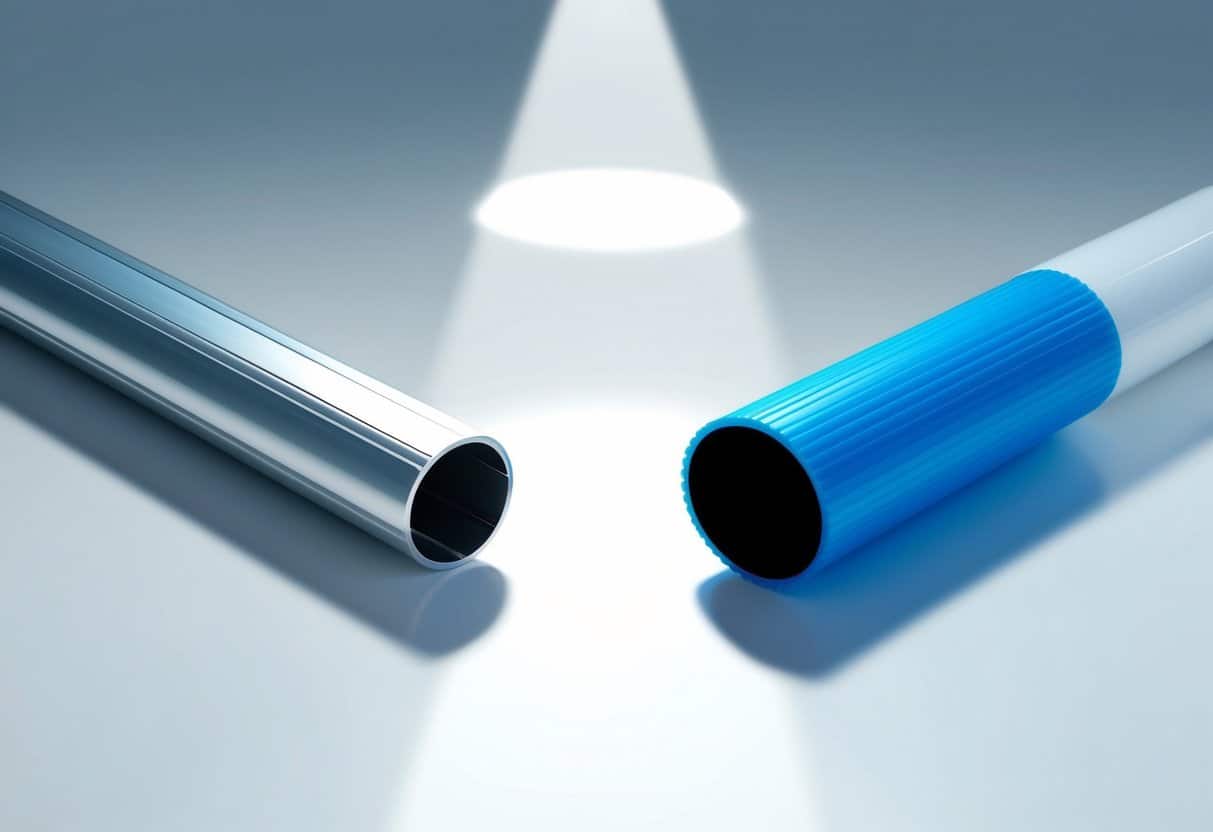
De strijd tussen aluminium en plastic buizen heeft tot spannende innovaties in beide materialen geleid. Ingenieurs werken voortdurend aan het verbeteren van deze producten om aan de veranderende marktbehoeften te voldoen.
Innovaties op het gebied van aluminium buizen:
- Lichtere aluminiumlegeringen met verbeterde sterkte
- Warmtebehandelbare aluminium buizen met verbeterde vormeigenschappen
- Corrosiebestendige coatings voor langere houdbaarheid
Plastic buizen hebben ook opmerkelijke vooruitgang geboekt. Moderne polymeren bieden indrukwekkend barrière bescherming kwaliteiten die in veel toepassingen met aluminium concurreren.
Wist je dat plastic buizen gemaakt kunnen worden van gerecyclede materialen? Deze milieuvriendelijke aanpak heeft plastic een boost in duurzaamheidsbeoordelingen vergeleken met traditioneel aluminium.
Productietechnologieën zijn voor beide materialen geëvolueerd. Aluminium buizen profiteren van ultrasone behandelingen die hun energie-eigenschappen verbeteren, terwijl de productie van plastic gebruik maakt van innovatieve vormtechnieken.
De cosmetica-industrie heeft beide materialen omarmd. Terwijl de klassieker papieren lippenstiftbuis wordt uitgefaseerd, aluminium biedt een premium aantrekkingskracht en kunststof biedt kostenefficiëntie en ontwerpflexibiliteit.
| Functie | Aluminium buizen | Kunststof buizen |
|---|---|---|
| Barrièrebescherming | Uitstekend | Goed tot uitstekend |
| Ontwerpflexibiliteit | Beperkt | Hoog |
| Recycleerbaarheid | Hoog | Gematigd |
| Kosten | Hoger | Lager |
Bedrijven ontwikkelen nu hybride oplossingen die de beste eigenschappen van beide materialen combineren. Deze innovaties zijn bedoeld om perfecte barrièrebescherming te bieden en tegelijkertijd de impact op het milieu te verminderen.
Wat is de toekomst voor de buizentechnologie? Slimme verpakkingen met temperatuurindicatoren en anti-namaakfuncties zijn in opkomst in zowel aluminium als plastic varianten.
Consumentenvoorkeuren en trends
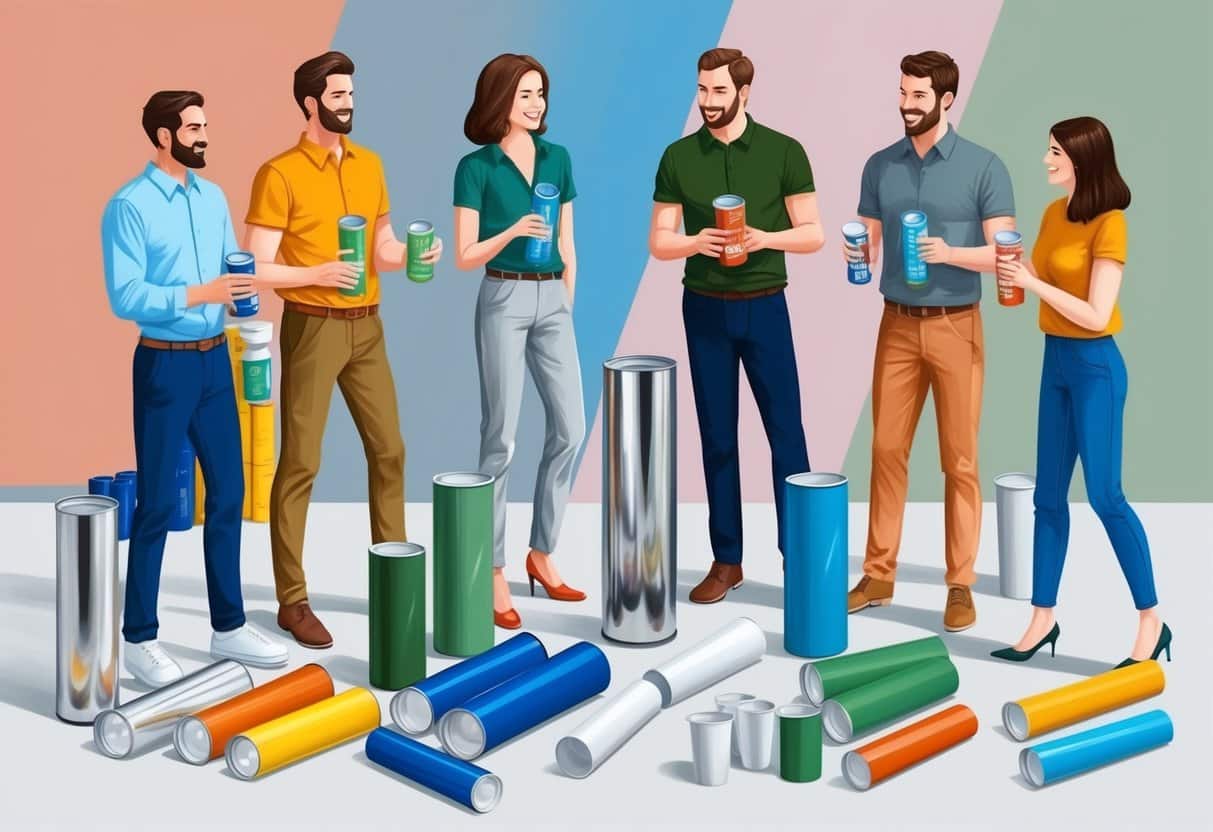
De hedendaagse consument heeft duidelijke voorkeuren bij de keuze tussen aluminium en kunststof buizen. Uit recente onderzoeken blijkt dat verpakkingsmaterialen een grote invloed hebben op aankoopbeslissingen.
Als het erop aankomt lippenstiftcontainers, veranderen veel consumenten hun voorkeuren op basis van zowel praktische als ecologische overwegingen.
Volgens onderzoek klantvoorkeuren voor plastic buizen zijn in bepaalde markten gegroeid. Waarom? Kunststof biedt flexibiliteit en kost vaak minder dan traditionele opties.
Aluminium lippenstiftbuizen blijven om verschillende redenen populair:
- Premium look en feel
- Betere bescherming voor gevoelige formuleringen
- Aantrekkingskracht op recycleerbaarheid
Kunststof lippenstiftbuizen winnen terrein door:
- Lichtgewicht ontwerp
- Lagere productiekosten
- Diverse decoratieve mogelijkheden
De trend van voedsel in tubes biedt interessante inzichten in verpakkingsvoorkeuren in verschillende demografische groepen. Wat voor de ene productcategorie werkt, heeft vaak invloed op andere!
In termen van prestatie, vergelijkende onderzoeken buizen van aluminium, glasvezel en koolstofvezel laten zien dat aluminiumopties dat aantonen “een stabiele stijgende trend” op het gebied van energieabsorptie – een belangrijke factor voor productbescherming.
Ook culturele verschillen spelen een rol. Amerikaanse consumenten zijn bekend met plastic flessen en tubes hebben wellicht andere verwachtingen dan de Europese consumenten, die dit vaak associëren aluminium buizen met retro-coole Zweedse innovatie.
Heeft u deze verpakkingsverschillen opgemerkt bij uw dagelijkse boodschappen? Veel merken spelen op deze voorkeuren in door beide opties aan te bieden.
Regelgevende en veiligheidsoverwegingen
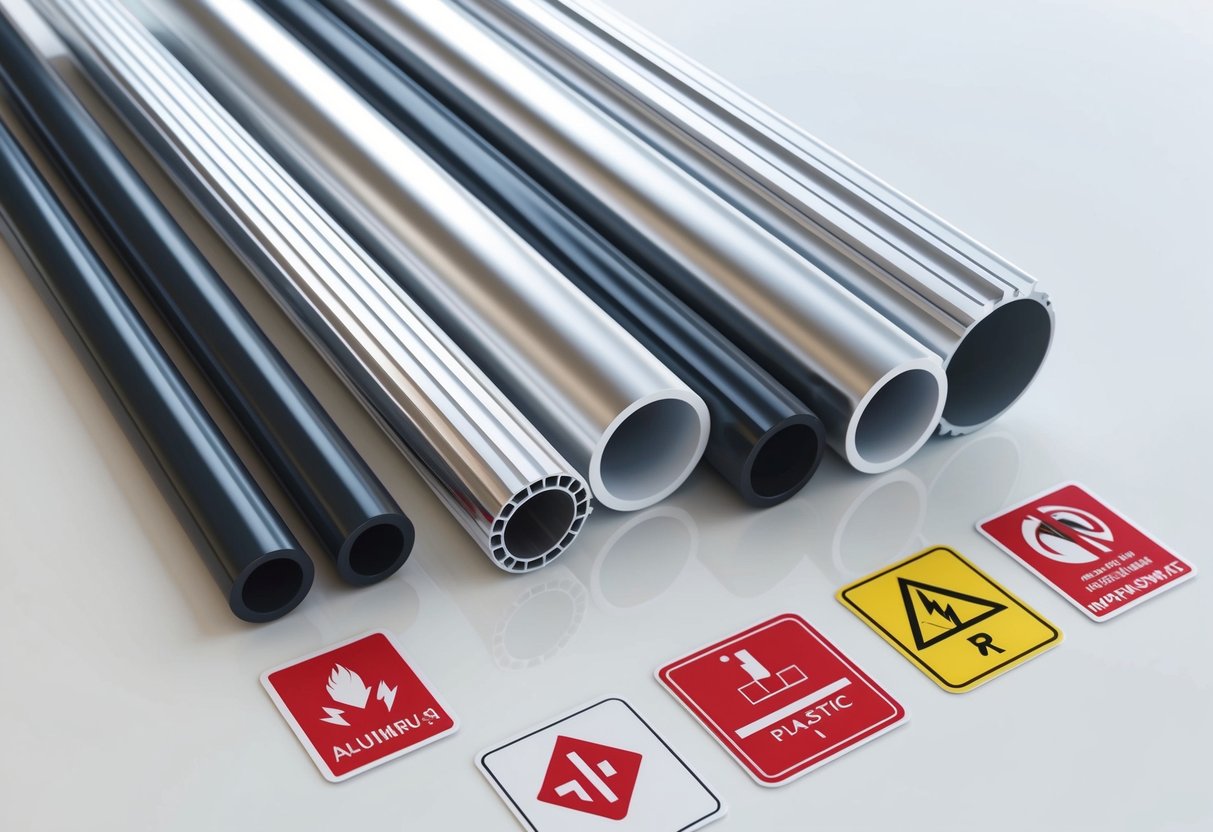
Zowel aluminium als plastic buizen worden geconfronteerd met strenge wettelijke eisen om de veiligheid van de consument te garanderen. Deze normen hebben betrekking op de materiaalsamenstelling, productiepraktijken en mogelijke chemische interacties met de inhoud.
Normen voor aluminium buizen
Aluminium buizen moeten voldoen aan verschillende veiligheidsvoorschriften met betrekking tot materiaalzuiverheid en coatingnormen. De FDA en andere regelgevende instanties hebben dit opgericht specifieke richtlijnen voor aluminium containers die in contact komen met voedsel en producten voor persoonlijke verzorging.
Een belangrijke overweging is het potentieel voor uitloging van aluminium, vooral met zure inhoud. Fabrikanten passen doorgaans beschermende binnenvoeringen toe om direct contact tussen het aluminium en het product te voorkomen.
Het regelgevingskader heeft ook betrekking op:
- Maximaal toelaatbaar aluminiumgehalte
- Normen voor de integriteit van coatings
- Testprotocollen voor metaalmigratie
- Etiketteringsvereisten
Voor cosmetische toepassingen, aluminium tubes worden als ideaal beschouwd voor crèmes maar moet voldoen aan strenge veiligheidsevaluaties. Deze evaluaties beoordelen het potentieel voor metaaloverdracht naar het product.
Fabrikanten moeten documentatie overleggen waaruit blijkt dat hun buizen aan alle toepasselijke veiligheidsnormen voldoen voordat ze producten op de markt brengen.
Normen voor kunststofbuizen
Plastic buizen worden geconfronteerd met verschillend, maar even streng toezicht door de toezichthouders. De voornaamste zorgen draaien rond chemische migratie, vooral als het gaat om stoffen als ftalaten en BPA die gevolgen voor de gezondheid kunnen hebben.
Regelgevende instanties hebben vastgesteld specifieke indieningsvereisten voor plastic containers, wat vaak barrières opwerpt wanneer bedrijven proberen over te stappen van glazen naar plastic verpakkingen.
Veiligheidsoverwegingen voor plastic buizen zijn onder meer:
- Testen van extraheerbare en uitloogbare stoffen
- Verificatie van de materiaalsamenstelling
- Stabiliteit onder verschillende temperaturen
- Recyclingclassificaties
De FDA heeft specifieke zorgen geuit over extraheerbare stoffen uit plastic materialen, waardoor fabrikanten uitgebreide tests moeten uitvoeren. Deze tests zorgen ervoor dat chemicaliën uit het plastic niet in schadelijke hoeveelheden in het product migreren.
Duurzaamheidsregels worden steeds belangrijker voor plastic buizen en worden in veel regio's geïmplementeerd uitgebreide programma's voor producentenverantwoordelijkheid die van invloed zijn op de verpakkingskeuzes.
Conclusie
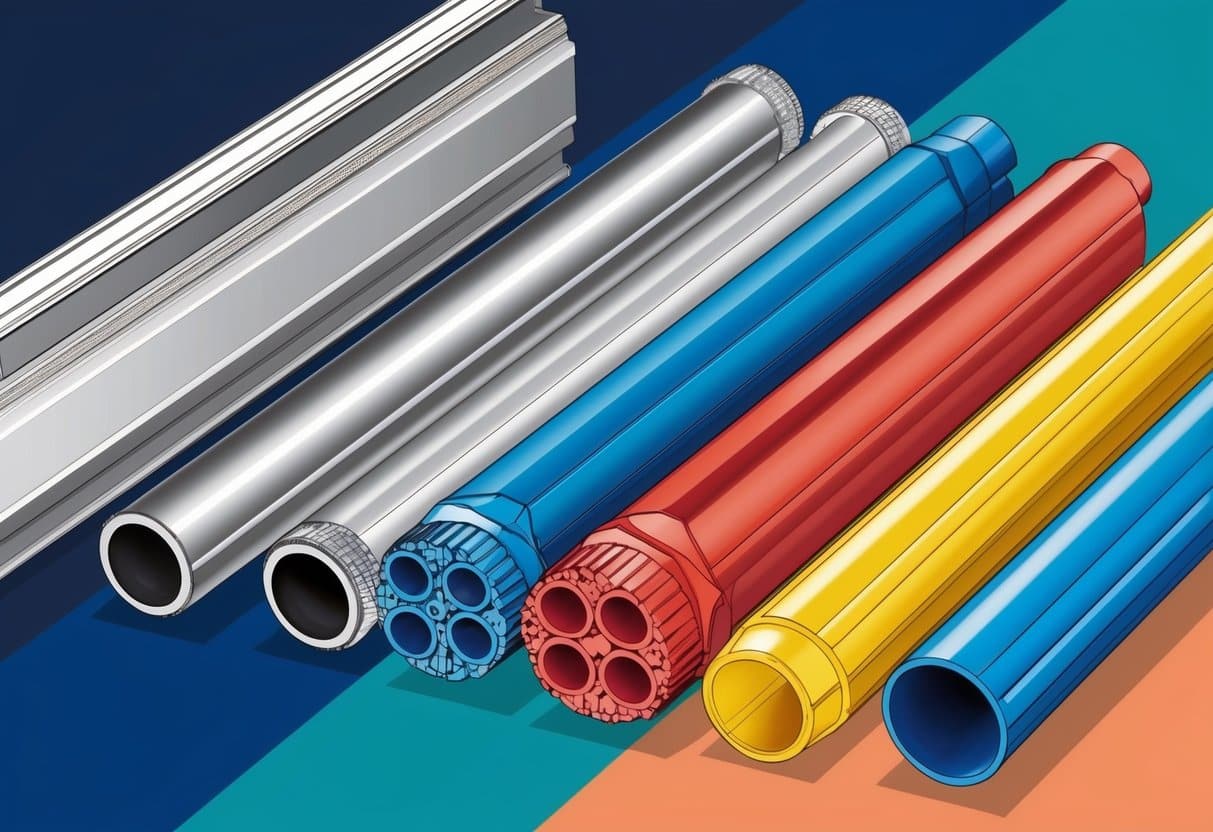
Houd bij de keuze tussen aluminium en kunststof buizen rekening met uw specifieke behoeften en prioriteiten. Beide materialen hebben unieke sterke en zwakke punten.
Aluminium buizen bieden een aantal belangrijke voordelen:
- Superieure warmtegeleiding (belangrijk voor koelsystemen)
- Uitstekend ter voorkoming oververhitting bij toepassingen bij hoge temperaturen
- Betere sterkte-gewichtsverhouding
- Milieuvriendelijker omdat ze recyclebaar zijn
Aluminium lippenstiftbuizen zorgen voor een premium gevoel en betere bescherming voor cosmetische producten. Ze zijn vooral populair in hoogwaardige make-uplijnen waar presentatie belangrijk is.
Plastic buizen schitteren op deze gebieden:
- Lagere productiekosten
- Grotere ontwerpflexibiliteit
- Lichter gewicht
- Betere weerstand tegen bepaalde chemicaliën
Kunststof lippenstiftbuizen zijn budgetvriendelijker en bieden creatievere kleuropties en vormen.
Voor automobieltoepassingen zoals V8-motoren presteren aluminium buizen over het algemeen beter voor koelsystemen. Ze helpen bij het handhaven van een optimaal temperatuurbereik en voorkomen motorschade door oververhitting.
Bedrijven moeten deze factoren afwegen tegen hun budgetbeperkingen en specifieke toepassingsvereisten. Wat voor het ene product perfect werkt, kan voor een ander product totaal ongeschikt zijn.
De industrie blijft innovaties in beide materialen ontwikkelen, waardoor de prestatiekenmerken worden verbeterd en tegelijkertijd de traditionele zwakheden worden aangepakt. Toekomstige ontwikkelingen kunnen de grenzen tussen deze twee veelzijdige materialen verder vervagen.
