ABL is usually the stronger starting point when a cosmetic formula needs maximum protection from light, oxygen and moisture. PBL is often a better starting point when a brand wants a plastic barrier structure, a softer squeeze and strong decoration potential. The right choice depends on the formula, filling process, user experience and local end-of-life requirements.
Key takeaways
- ABL uses an aluminum foil barrier layer for strong light and barrier protection.
- PBL uses a plastic barrier layer, commonly including EVOH, within a multilayer structure.
- ABL can suit light-sensitive or demanding formulas; PBL can suit skincare and personal-care products where flexibility and shape recovery matter.
- Neither structure is automatically recyclable or sustainable. Review the complete tube and target-market collection system.
- Test samples with the actual formula, filling method, decoration and closure before production.
What is the difference between ABL and PBL cosmetic tubes?
ABL means Aluminum Barrier Laminate. It includes a thin aluminum foil layer between plastic layers. PBL means Plastic Barrier Laminate. Its barrier function is provided by a plastic structure, commonly including EVOH, rather than aluminum.
Both formats protect cosmetic and personal-care products in a flexible tube. The practical difference is how each construction balances barrier protection, light shielding, squeeze behavior, decoration, material composition and end-of-life considerations. See the Luxetubes Laminated Tubes page for current structure and product information.
ABL cosmetic tubes: maximum barrier as the starting point
Aluminum provides a strong barrier against light, oxygen and moisture. ABL is therefore a candidate for sensitive skincare treatments, some sunscreens, ointments and formulas containing ingredients vulnerable to oxidation or light exposure. Final suitability still depends on the formula, product-contact layer, filling conditions and compatibility testing.
ABL usually retains more of its collapsed shape after squeezing. This can create a controlled dispensing experience, although brands that prefer a soft tube with greater shape recovery may want to sample PBL first. Because ABL combines aluminum and plastic layers, assess the complete package rather than judging recyclability from the barrier layer alone.
PBL cosmetic tubes: plastic barrier with flexible handling
PBL uses a plastic barrier structure. EVOH can provide oxygen-barrier performance within a plastic-based multilayer construction. The actual result depends on layer design, thickness, moisture conditions and the complete tube specification.
PBL is often considered for skincare, hand cream, facial cleanser, sunscreen and personal-care products that need improved protection with a soft squeeze. It may recover more of its original shape after use. PBL should not be described as automatically recyclable: review polymers, adhesives, shoulder, cap, decoration and the collection system in the destination market.
ABL vs PBL: side-by-side comparison
| Decision factor | ABL | PBL |
|---|---|---|
| Barrièrelaag | Aluminum foil in a multilayer structure | Plastic barrier, commonly including EVOH |
| Lichte bescherming | Strong starting point for light-sensitive formulas | Confirm the final structure and outer layer |
| Squeeze feel | More collapsible; may retain folds | Generally soft and flexible with more shape recovery |
| Typical evaluation | Sensitive skincare, sunscreen and active formulas | Skincare, creams and everyday personal care |
| Material review | Assess the complete aluminum-plastic package | Do not assume multilayer plastic is mono-material |
How should you choose ABL or PBL?
Start with formula sensitivity. Ask whether the product needs light, oxygen, moisture, fragrance-loss or shelf-life protection. Then consider viscosity, filling temperature, dispensing orifice, squeeze feel and decoration.
- Start with ABL samples when light shielding and maximum barrier protection are the first priorities.
- Start with PBL samples when a softer squeeze, shape recovery and a plastic-based design direction are more important.
These are starting points, not universal rules. Compare samples filled with the actual formula and request the supplier’s technical data before approving production.
How do printing, caps and formats affect the choice?
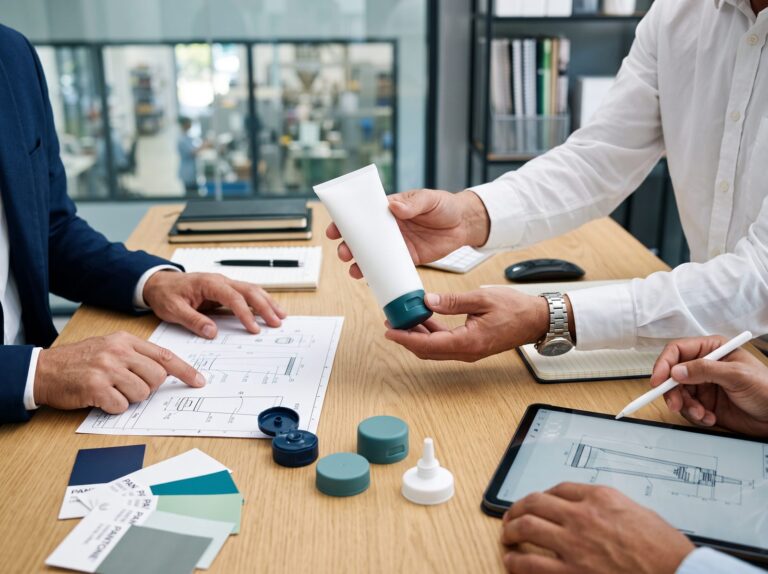
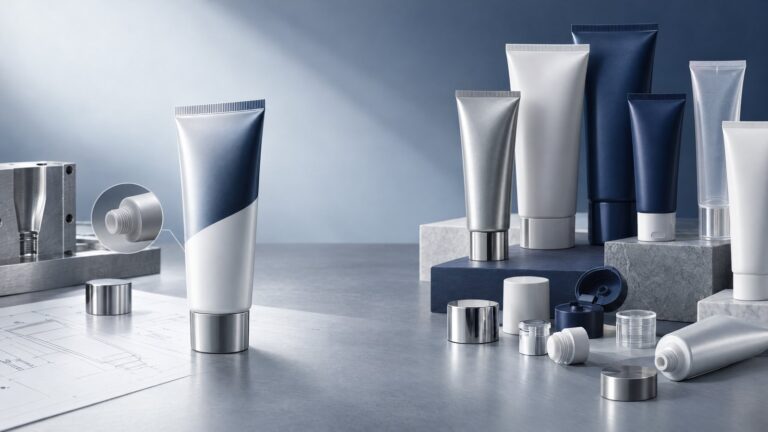
The barrier structure is only one part of the specification. The outer surface affects print quality; the cap affects dispensing and perceived value; diameter, length and capacity affect ergonomics and filling-line compatibility. Review Luxetubes Afdrukopties En Cap and Closure Solutions before finalizing the brief.
What should you send a supplier before requesting samples?
- Formula type, viscosity, filling temperature and compatibility concerns.
- Capacity, diameter, length, orifice and required barrier performance.
- Preferred squeeze feel, cap or applicator and tamper-evident needs.
- Artwork, finish, color references and print preferences.
- Quantity, number of SKUs, destination market, testing plan and launch date.
Ask the supplier to confirm the proposed structure, product-contact layer, testing plan, decoration method and closure. A physical sample filled with the actual formula is more informative than an empty tube.
FAQ: ABL and PBL cosmetic tubes
Is ABL better than PBL for cosmetic packaging?
Neither is universally better. ABL is the stronger starting point for maximum light and barrier protection; PBL can be a stronger starting point for a soft squeeze and shape recovery. Test the chosen structure with the actual formula.
Are PBL tubes recyclable?
Not automatically. Recyclability depends on the complete construction and the target market’s collection system. Request a verified assessment instead of relying on the PBL label alone.
Does PBL provide an oxygen barrier?
PBL can provide oxygen-barrier performance through its plastic barrier layer, commonly EVOH. Request technical data for the proposed construction because performance varies.
Final recommendation for buyers
Begin with ABL when maximum light, oxygen and moisture protection is the first concern. Begin with PBL when flexible handling, shape recovery and a plastic barrier structure are the first concerns. In either case, base the final decision on the complete tube construction and formula testing.
To discuss a custom project, contact Luxe with your capacity, diameter, formula, cap, artwork, quantity and destination.