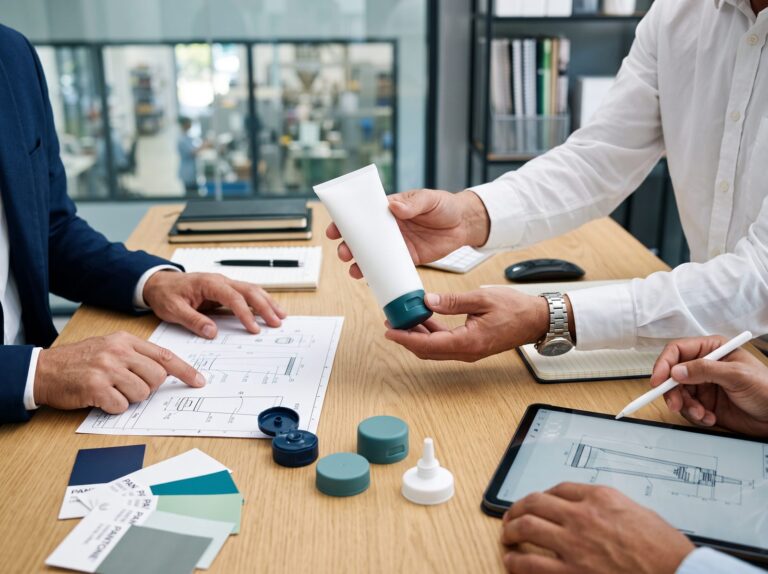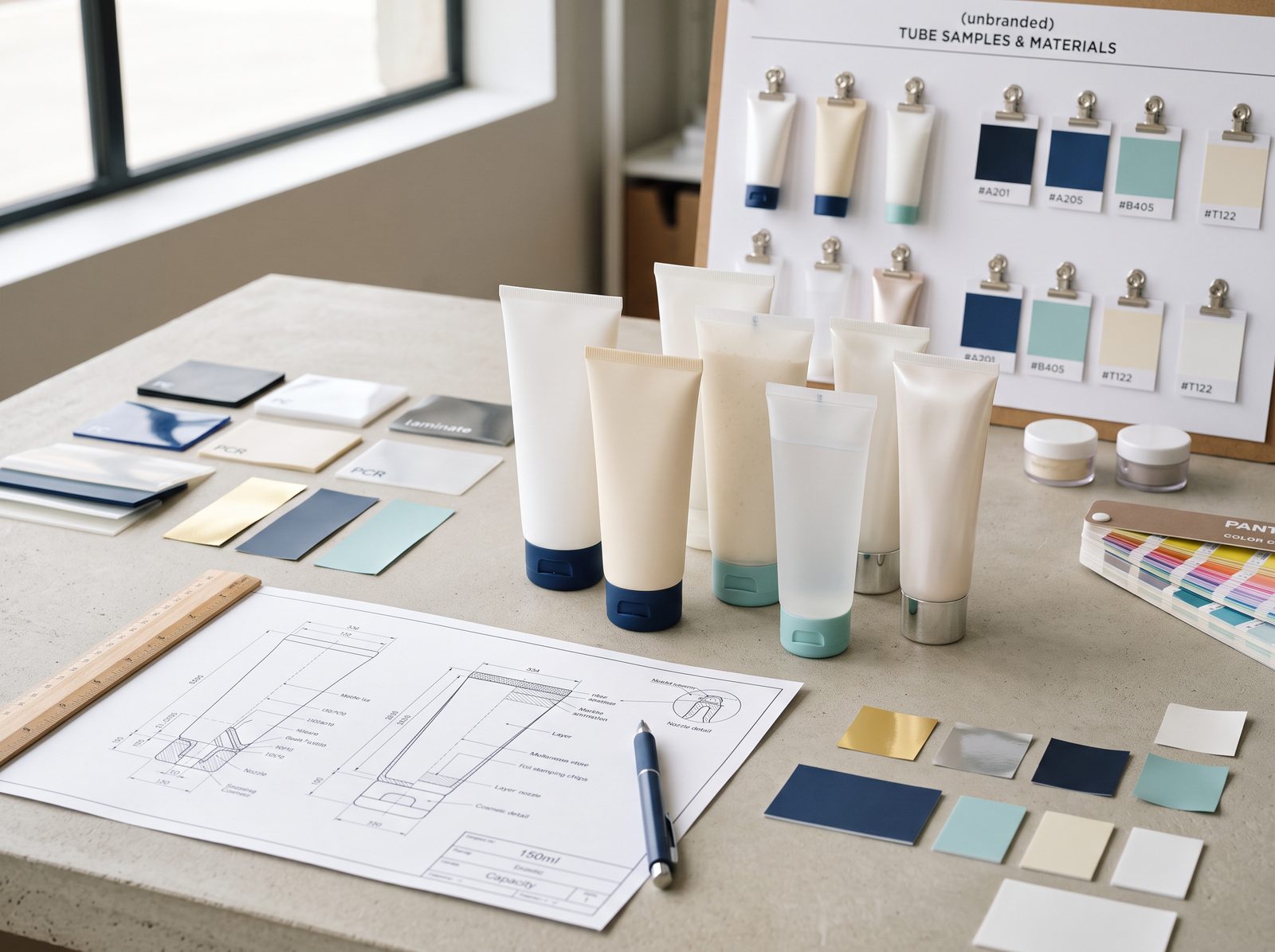
Choosing a cosmetic tube manufacturer is a packaging decision, a product decision and a supply-chain decision at the same time. The right supplier should help you match the tube structure to your formula, turn your artwork into a repeatable print result and give your team a clear path from sample approval to production.
A low unit price is only one part of that choice. Before you request a quote, compare materials, engineering, sampling, quality control, decoration, minimum order quantity and communication.
주요 시사점
- Choose a manufacturer that can explain why a tube structure fits your formula and use case.
- Ask for a physical production sample before approving a large order.
- Compare quality control, printing, MOQ, lead time and after-sales support together.
- Send each supplier the same complete quote brief.
1. Can the manufacturer recommend the right tube structure?
A cosmetic tube is more than a printed outer shell. Its structure affects barrier performance, squeezability, appearance, filling compatibility and the way the package feels in the customer’s hand.
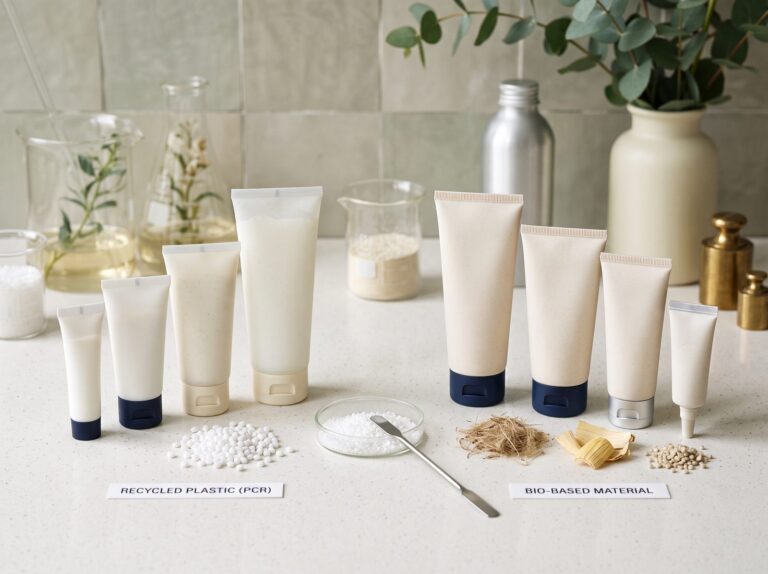
Ask the supplier to compare the structures that fit your product. Common options may include PE tubes, laminated tubes such as ABL or PBL, and other formats offered for a specific formula. The correct choice depends on the product, target shelf life, package size, decoration plan and sustainability requirements.
Share the formula type, viscosity, filling method, expected volume, application area and market requirements. If a supplier recommends the same material for every product without asking about these details, request a more specific explanation. See the Luxetubes cosmetic packaging materials guide as a starting point, then confirm final compatibility with your formula and filling team.
2. Does the supplier support OEM or ODM development?
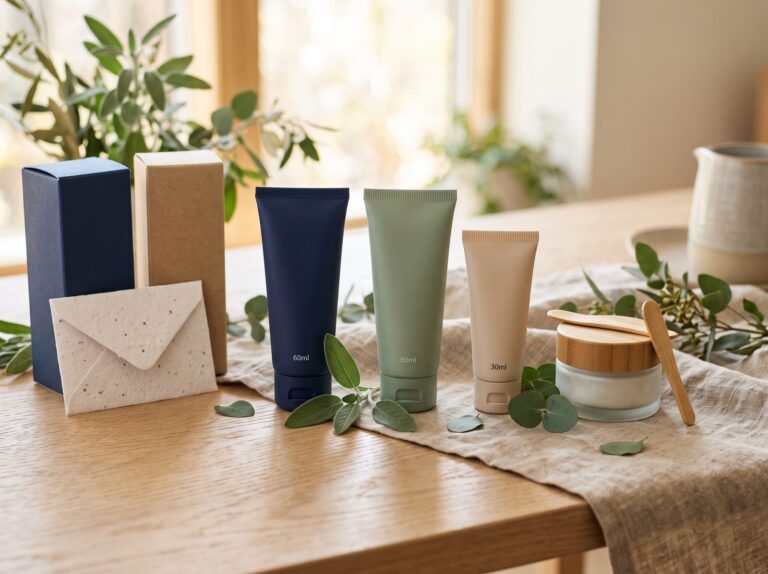
OEM and ODM are useful when a brand needs more than a standard tube with a logo. OEM work usually starts from your product and packaging specifications. ODM may involve adapting an existing design or development route. The exact scope varies, so ask what each service includes.
- Which parts can be customized, such as diameter, shoulder, cap, tube length and decoration?
- How does the supplier review artwork and specifications?
- Will the team provide a drawing, digital proof or physical sample?
- Who owns approved artwork and tooling information?
- How are changes documented before mass production?
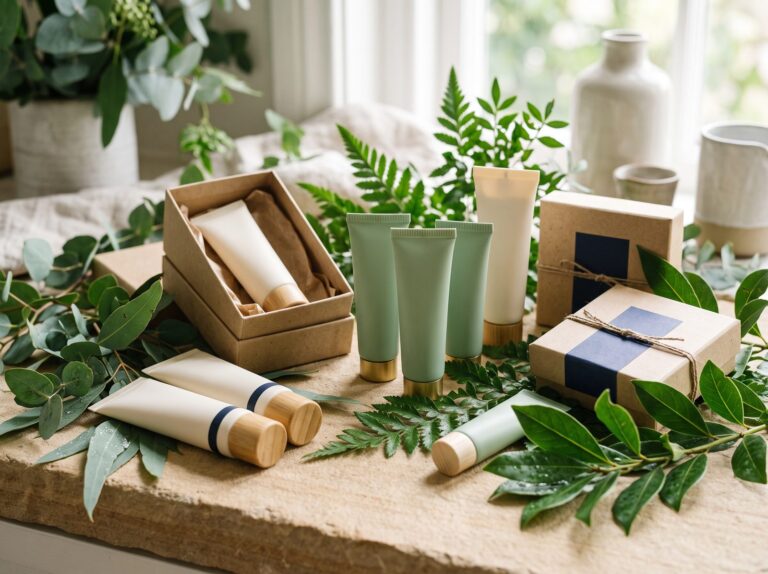
Do not assume that “custom” means every detail is available at every quantity. Ask which options are standard, which require tooling and which may change the MOQ or lead time. An integrated one-stop packaging solution can reduce separate supplier conversations, but compare specifications and quality controls for each component.
3. Can you review a real pre-production sample?
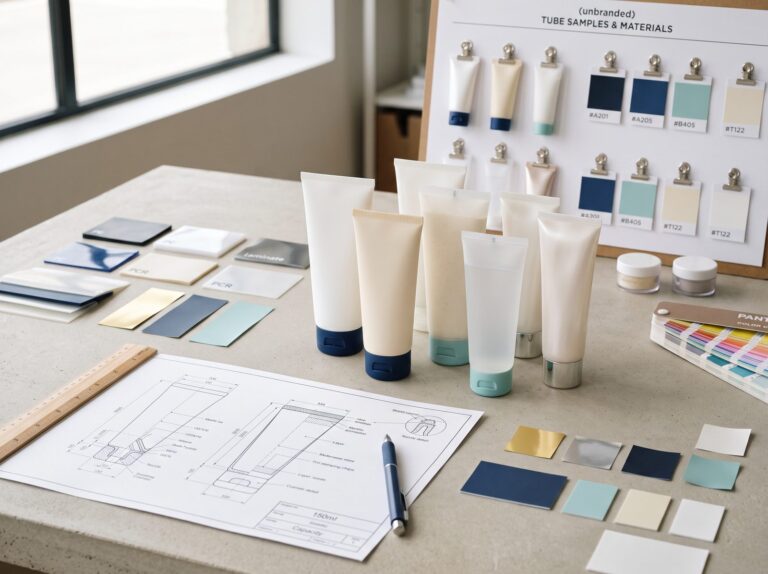
A digital mockup helps review layout and color direction, but it cannot show every production detail. Before placing a large order, ask for a physical sample or a documented pre-production approval process.
- Tube shape, shoulder alignment and cap fit.
- Capacity and usable fill volume.
- Squeeze feel and recovery after use.
- Print position, color consistency and small text clarity.
- Surface finish and decoration quality.
- Compatibility with your filling line and closure application.
Keep the approved sample or written reference standard. If artwork changes after sampling, ask whether a new proof or sample is required.
4. Which printing and finishing methods are available?
The tube material, surface, print process, color system and artwork details all affect the final result. Ask the manufacturer to explain which methods fit your project. These may include offset printing, screen printing, hot stamping or other finishing options.
Confirm the accepted file format, color references, bleed, minimum text size, barcode requirements and proofing steps. Ask how the team handles color approval and repeat orders. Luxetubes’ cosmetic tube printing capabilities can help organize these questions before requesting a quote.
5. How does the manufacturer control quality?
Quality control should be a process you can understand, not only a sentence on a website. Ask where checks take place and what happens when a result falls outside the approved specification.
- Is incoming material checked before production?
- Are dimensions, weight, color and decoration reviewed during production?
- How are tube and cap fit checked?
- Is there a final inspection before shipment?
- How are samples, artwork and specifications recorded?
- Who communicates a nonconformity and agrees on corrective action?
Ask for quality documents that apply to your project. Do not assume that a general certification covers every product claim or market requirement. Prefer a manufacturer that explains its process and evidence over one that uses broad claims without details.
6. What MOQ and lead time apply to your exact specification?
MOQ and lead time can change when you change the tube diameter, material, cap, decoration, tooling or delivery plan. Request the MOQ and schedule for the actual specification, not a generic catalog tube.
- Specification review and quotation.
- Drawing or artwork review.
- Sampling and approval.
- Tooling, if required.
- Production.
- Inspection and shipment.
Ask which dates depend on your team. Artwork approval, formula testing, payment, sample feedback and shipping information can all affect the schedule.
7. Can the factory support filling and logistics?
Share your tube dimensions, opening, closure, filling method, sealing requirements, pack-out method and shipping destination early. Ask how products are packed for transport and how cartons are identified. If you use a contract filler, include that partner in the technical review when possible.
8. How will the supplier manage communication and changes?
Packaging projects include many small decisions. Ask who owns day-to-day communication, which document shows the current specification, how artwork revisions are numbered, how samples are approved and how complaints are handled after shipment. A simple change-control process can prevent an old artwork file or outdated cap specification from reaching production.
9. Can the manufacturer quote from a complete brief?
Give every supplier the same core information:
- Product type and formula description.
- Tube material or performance goal.
- Diameter, capacity and tube length.
- Cap or applicator preference.
- Print colors, finish and artwork status.
- Estimated quantity and repeat-order forecast.
- Sample, testing and documentation requirements.
- Delivery country and target date.
Ask the manufacturer to list assumptions, tooling, sample fees, packaging, payment terms and shipping separately. This helps identify a quote that looks cheap only because important items are missing.
A practical supplier comparison checklist
Score each candidate against the same questions: Can the supplier explain the material recommendation? Can the team make a matching physical sample? Are printing options suitable? Is quality control described with clear checkpoints? Are MOQ and lead time tied to your project? Can the supplier support filling, shipping and repeat orders? Is communication easy to document?
The best supplier is the one that reduces uncertainty at each step. A clear technical answer before the order often prevents a costly correction after production.
Frequently asked questions
What is the most important factor when choosing a cosmetic tube manufacturer?
Choose a manufacturer that can reliably match your formula, packaging specification and production process. Compare structure recommendations, samples, quality control, printing, MOQ, lead time and communication together instead of choosing on unit price alone.
Should I choose an OEM or ODM cosmetic tube supplier?
Choose based on the amount of design and development support you need. OEM is often suitable when specifications are already defined. ODM may help when you want to adapt an existing development route. Ask the supplier to define scope, ownership and approval steps.
What should I send when requesting a cosmetic tube quote?
Send the product type, tube diameter, capacity, length, material preference, cap, decoration, artwork status, quantity, destination and target date. Explain whether you need samples, tooling, testing or special documents.
Do I need a physical sample before mass production?
A physical sample is strongly recommended when shape, squeeze feel, closure fit, color or decoration matters. Use the approved sample or written specification as the production reference.
Editorial note: This guide provides a supplier-evaluation framework. Final material compatibility, testing, regulatory and filling decisions should be confirmed by the brand, formula owner, filler and packaging manufacturer for the specific project.
References: Google Search Central people-first content guidance; Google Search Central structured data guidance.