
Pernah bertanya-tanya, wadah pelembab favorit Anda sebenarnya terbuat dari apa? Tabung losion adalah bagian dari rutinitas perawatan kulit kita sehari-hari, namun kebanyakan dari kita jarang memikirkan komposisinya.
Kebanyakan tabung lotion biasanya terbuat dari polimer plastik seperti polietilen (PE), polipropilen (PP), atau polietilen tereftalat (PET) yang memberikan fleksibilitas, daya tahan, dan kompatibilitas produk sekaligus melindungi formula di dalamnya.

Bahan yang digunakan dalam tabung lotion lebih penting dari yang Anda kira! Produk kosmetik yang berbeda memerlukan spesifik bahan kemasan untuk memastikan stabilitas dan keamanan produk. Misalnya tertentu lotion herbal mungkin memerlukan tabung yang mencegah oksidasi, sedangkan produk dengan bahan aktif tertentu memerlukan bahan yang tidak menyebabkan reaksi kimia.
Kami juga telah melihat tren yang berkembang menuju alternatif ramah lingkungan dalam beberapa tahun terakhir! Banyak perusahaan kini menawarkan tabung losion yang terbuat dari plastik daur ulang atau bahan berbasis bio untuk mengurangi dampak terhadap lingkungan. Opsi berkelanjutan ini tetap mempertahankan fungsionalitas yang Anda perlukan – menjaga losion dan krim tubuh favorit Anda tetap segar sekaligus lebih lembut bagi planet kita.
Ikhtisar Tabung Lotion

Tabung losion adalah solusi pengemasan penting yang melindungi dan menyalurkan berbagai produk kosmetik. Tersedia dalam berbagai ukuran, bahan, dan desain untuk mengakomodasi berbagai formulasi mulai dari losion ringan hingga krim kental.
Komposisi Bahan
Kebanyakan tabung lotion terbuat dari polimer plastik seperti polietilen (PE), polipropilen (PP), atau polietilen tereftalat (PET). Bahan-bahan ini menawarkan fleksibilitas, daya tahan, dan ketahanan terhadap bahan kimia yang ditemukan dalam lotion dan krim. Kita sering melihat polietilen densitas tinggi (HDPE) digunakan untuk tabung yang lebih kaku, sedangkan polietilen densitas rendah (LDPE) menghasilkan pilihan yang lebih lembut dan mudah diremas.
Beberapa premium produk kosmetik datang dalam tabung multi-lapis yang menggabungkan bahan berbeda untuk menyediakan:
- Perlindungan produk yang lebih baik
- Properti penghalang yang ditingkatkan
- Peningkatan umur simpan
- Mengurangi risiko kontaminasi
Baru-baru ini, alternatif ramah lingkungan semakin populer, termasuk tabung yang terbuat dari:
- Plastik daur ulang
- Bioplastik berasal dari bahan tanaman
- Komposit kertas-plastik
Fungsionalitas dalam Kemasan Kosmetik
Tabung lotion memiliki banyak tujuan selain penyimpanan sederhana. Mereka membantu melindungi formulasinya dari kontaminan eksternal, paparan udara, dan degradasi cahaya. Desain tabung memudahkan pengeluaran tanpa memasukkan bakteri ke dalam sisa produk.
Gaya topi yang berbeda meningkatkan fungsionalitas untuk berbagai jenis produk. Flip-top cocok untuk losion yang lebih tipis, sedangkan tutup ulir cocok untuk losion yang lebih kental. Tip aplikator khusus (seperti roller atau kuas) memberikan aplikasi yang ditargetkan untuk produk tertentu.
Bentuk dan ukuran tabung bervariasi berdasarkan viskositas produk dan tujuan penggunaan. Kami telah menemukannya reologi (sifat aliran) sangat penting ketika merancang tabung untuk formulasi yang berbeda, karena hal ini mempengaruhi seberapa mudah produk dapat diperas.
Banyak tabung dilengkapi sistem pemompaan tanpa udara yang mencegah oksidasi produk dan memperpanjang umur simpan – terutama penting untuk formulasi alami dan bebas pengawet.
Jenis Tabung Lotion

Tabung losion tersedia dalam berbagai bahan, masing-masing memiliki sifat unik yang memengaruhi pelestarian produk, dampak lingkungan, dan pengalaman pengguna. Bahan wadah dapat secara signifikan mempengaruhi seberapa baik body lotion favorit Anda tetap segar dan seberapa mudah Anda memeras setiap tetesnya.
Tabung Aluminium
Tabung aluminium adalah salah satu pilihan kemasan paling tradisional untuk produk perawatan kulit. Wadah tahan lama ini menawarkan perlindungan penghalang yang sangat baik terhadap cahaya, udara, dan kelembapan yang dapat merusak losion Anda. Kami senang karena bahan-bahan tersebut sepenuhnya dapat didaur ulang dan memiliki dampak lingkungan yang lebih rendah dibandingkan beberapa alternatif lainnya.
Saat Anda menekan tabung aluminium, tabung tersebut tetap terkompresi, sehingga membantu mencegah udara masuk kembali ke dalam wadah. Fitur ini sangat bermanfaat bagi melestarikan produk kosmetik dengan bahan alami yang mungkin cepat teroksidasi.
Sisi negatifnya? Bahan ini mudah penyok dan terkadang retak di sepanjang garis lipatan jika digunakan berulang kali. Biasanya juga lebih mahal daripada bahan plastik, itulah sebabnya Anda sering menemukannya digunakan untuk produk losion premium.
Tabung Plastik
Tabung plastik mendominasi pasar wadah lotion karena keserbagunaan dan efektivitas biayanya. Tabung ini ringan, fleksibel, dan tersedia dalam berbagai jenis seperti polietilen (PE), polipropilen (PP), dan polietilen tereftalat (PET).
Setiap jenis plastik menawarkan manfaat yang berbeda-beda. Tabung PE cukup fleksibel dan mudah diremas, sedangkan PP memberikan ketahanan kimia yang lebih baik. PET memberikan kejelasan luar biasa jika Anda ingin melihat berapa banyak produk yang tersisa.
Kebanyakan tabung plastik memiliki desain tutup flip-top untuk pengoperasian satu tangan yang nyaman. Mereka sangat populer untuk losion tubuh karena tahan lama dan tidak pecah jika terjatuh saat mandi.
Namun, perlu diingat bahwa tidak semua tabung plastik mudah didaur ulang, dan beberapa kota memiliki persyaratan khusus untuk mendaur ulang wadah ini.
Tabung laminasi
Tabung laminasi mewakili evolusi modern kemasan lotion. Tabung multi-lapis ini menggabungkan sifat terbaik dari berbagai bahan untuk menciptakan penghalang unggul terhadap kontaminasi dan oksidasi.
Biasanya tabung laminasi terdiri dari beberapa lapisan:
- Lapisan dalam: Biasanya polietilen untuk kompatibilitas produk
- Lapisan tengah: Aluminium foil untuk perlindungan penghalang
- Lapisan luar: Plastik untuk pencetakan, penampilan, dan daya tahan
Kami menemukan bahwa tabung laminasi sangat efektif untuk melestarikan formulasi dengan bahan aktif yang mungkin terdegradasi jika terkena udara atau cahaya. Sifat penghalangnya yang unggul memperpanjang umur simpan secara signifikan.
Keuntungan utama tabung laminasi adalah menawarkan perlindungan serupa dengan aluminium tetapi lebih fleksibel dan tangguh. Anda dapat memencetnya berulang kali tanpa retak atau patah di sepanjang garis lipatan.
Desain dan Fitur
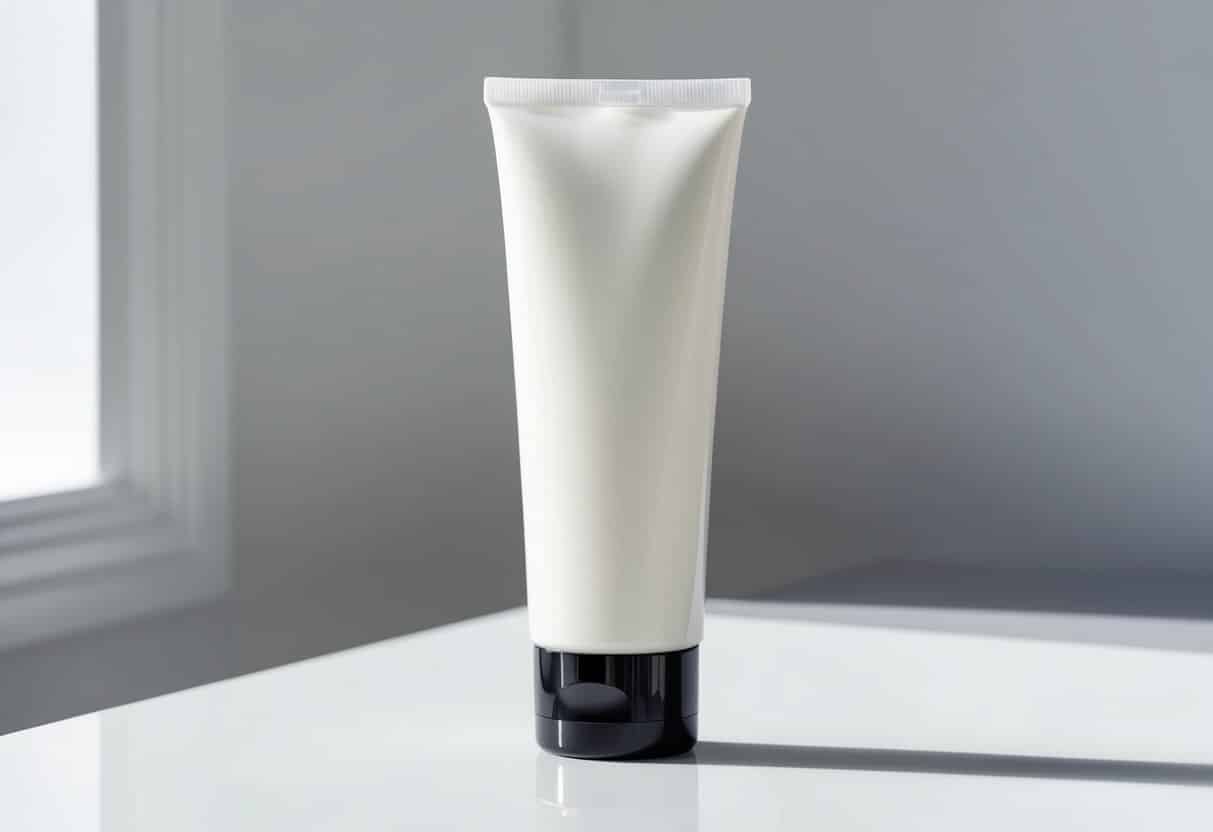
Tabung lotion menggabungkan fungsionalitas praktis dengan daya tarik estetika untuk menghasilkan produk perawatan kulit secara efektif. Mereka menampilkan berbagai elemen desain yang meningkatkan pengalaman pengguna sekaligus melindungi produk di dalamnya.
Ukuran dan Kapasitas Tabung
Tabung lotion tersedia dalam berbagai ukuran untuk memenuhi kebutuhan yang berbeda. Kapasitas yang paling umum meliputi:
- Ukuran perjalanan: 15-30ml (sempurna untuk bagasi jinjing)
- Ukuran standar: 50-100ml (untuk penggunaan biasa di rumah)
- Ukuran keluarga: 150-250ml (pilihan ekonomis untuk pengguna sering)
- Ukuran profesional: 300-500ml (sering dipakai di salon)
Diameter tabung biasanya berkisar antara 19mm hingga 50mm, dengan lebar meningkat sebanding dengan kapasitas. Tabung yang lebih kecil dirancang agar mudah dibawa, sedangkan tabung yang lebih besar menawarkan nilai uang yang lebih baik.
Kami menemukan bahwa ukuran tabung tidak hanya memengaruhi kapasitas tetapi juga kenyamanan penanganan. Tabung berukuran sedang (75-100ml) memberikan keseimbangan terbaik antara kuantitas produk dan kemudahan penggunaan bagi sebagian besar konsumen.
Desain Nosel
Nozel sangat penting fitur desain produk lotion karena mengontrol aliran produk dan presisi aplikasi. Jenis nosel yang umum meliputi:
- Lubang standar: Bukaan bulat sederhana (diameter 2-5mm)
- Aliran terkendali: Dibentuk khusus untuk mengeluarkan jumlah yang tepat
- Tip aplikator: Bentuk khusus untuk aplikasi yang ditargetkan
- Topi flip-top: Gabungan nozel dan sistem penutupan
Desain nosel berdampak signifikan terhadap pengalaman pengguna. Bukaan yang lebih kecil (1-2 mm) cocok untuk losion tipis, sedangkan krim yang lebih kental memerlukan bukaan yang lebih besar (3-5 mm) untuk mencegah penyumbatan.
Kami merekomendasikan tabung dengan nozel yang sesuai dengan viskositas produk. Beberapa desain inovatif kini dilengkapi katup silikon yang mencegah aliran balik produk dan kontaminasi udara.
Bahu Tabung
Bahu tabung menghubungkan badan utama ke nosel dan memainkan peran penting dalam kinerja pengeluaran produk. Aspek-aspek utama meliputi:
- Sudut bahu: Biasanya 30-45 derajat untuk aliran optimal
- Kelancaran transisi: Mempengaruhi seberapa mudah produk bergerak menuju nosel
- Ketebalan bahan: Sering diperkuat untuk mencegah perpecahan di bawah tekanan
Bahu yang dirancang dengan benar memastikan evakuasi produk sepenuhnya dari tabung. Mereka dirancang untuk mengarahkan lotion ke arah nosel sambil menjaga integritas struktural.
Kami telah mengamati bahwa tabung dengan bahu yang miring secara bertahap (sekitar 35 derajat) memberikan keseimbangan terbaik antara kemudahan penyaluran dan kekuatan struktural.
Alam yang Dapat Dilipat
Tabung lotion yang dapat dilipat mungkin merupakan ciri paling khasnya. Aspek desain ini:
- Memungkinkan untuk ekstraksi produk yang hampir selesai (hingga 95-98%)
- Mencegah udara masuk tabung setelah pengeluaran
- Memperpanjang umur simpan produk dengan membatasi oksidasi
- Memberikan umpan balik visual pada jumlah produk yang tersisa
Kebanyakan tabung losion modern dirancang agar dapat roboh secara merata dari bawah ke atas. Ini fungsionalitas bergantung pada sifat material seperti elastisitas, memori, dan ketebalan.
Kami menemukan bahwa tabung berkualitas tinggi mempertahankan bentuknya ketika terisi sebagian tetapi mudah roboh ketika diperas. Keseimbangan ini memastikan tabung tetap menarik secara visual selama penggunaannya namun tetap berfungsi secara efektif.
Percetakan dan Branding

Daya tarik visual dari tabung lotion melampaui konstruksi fisiknya. Elemen branding membantu produk menonjol di rak dan terhubung dengan konsumen melalui grafis dan teks yang dirancang dengan cermat.
Pencetakan offset
Pencetakan offset tetap menjadi metode paling umum untuk mendekorasi tabung losion. Teknik ini memindahkan tinta dari pelat ke selimut karet sebelum diaplikasikan ke permukaan tabung. Kami menemukan metode ini sangat efektif untuk mencetak desain detail dan pola warna-warni.
Prosesnya memungkinkan reproduksi berkualitas tinggi logo merek, informasi produk, dan elemen dekoratif. Pencetakan offset modern dapat mencapai hingga 8 warna dalam sekali proses, termasuk opsi khusus seperti tinta metalik.
Bagi produsen tabung, pencetakan offset menawarkan beberapa keuntungan:
- Hemat biaya untuk proses produksi menengah hingga besar
- Konsistensi warna yang sangat baik di seluruh batch
- Kualitas gambar tajam bahkan untuk detail halus
- Kompatibilitas dengan berbagai bahan tabung
Beberapa merek premium menyempurnakan pencetakan offset mereka dengan lapisan khusus seperti hasil akhir matte, glossy, atau sentuhan lembut untuk menambahkan elemen sentuhan pada kemasannya.
Stamping panas
Saat kita ingin menambahkan elemen logam ke tabung lotion, hot stamping memberikan hasil yang mengesankan. Proses ini menggunakan panas dan tekanan untuk memindahkan bahan foil ke permukaan tabung, menciptakan a penampilan mewah yang menangkap cahaya dan perhatian.
Opsi foil hot stamping yang populer:
- Emas dan perak (paling umum)
- Holografik
- Bermotif
- Warna khusus
Stempel panas sangat cocok untuk menekankan nama merek, logo, dan aksen dekoratif. Teknik ini dapat dikombinasikan dengan pencetakan offset untuk menciptakan desain multidimensi yang meningkatkan nilai produk.
Banyak merek kosmetik dan perawatan kulit kelas atas menggunakan stempel panas untuk menandakan posisi premium. Elemen logam menciptakan daya tarik visual dan membantu membedakan produk dalam lingkungan ritel yang kompetitif.
Opsi Pelabelan
Beberapa produsen lebih memilih label terpisah daripada mencetak langsung pada tabung. Kami melihat pendekatan ini digunakan terutama untuk produksi kecil atau ketika produk memerlukan pembaruan desain secara berkala.
Opsi pelabelan tabung yang paling umum meliputi:
- Kecilkan label lengan – Ini menyesuaikan dengan bentuk tabung saat dipanaskan, memungkinkan dekorasi 360 derajat.
- Label yang sensitif terhadap tekanan – Diterapkan dengan perekat, ini menawarkan fleksibilitas untuk bentuk unik dan bahan khusus.
- Pelabelan dalam cetakan – Label ditempatkan di cetakan sebelum tabung dibentuk, sehingga menciptakan tampilan yang mulus.
Pelabelan memungkinkan peluang branding yang lebih baik seperti kertas bertekstur, film bening, atau efek pencetakan khusus. Banyak merek perawatan kulit alami lebih memilih label kertas untuk memperkuat posisi mereka yang ramah lingkungan.
Untuk produsen dalam jumlah kecil, label menawarkan keunggulan dalam jumlah pesanan minimum dan biaya pengaturan dibandingkan dengan metode pencetakan langsung.
Tutup dan Penutup

Penutup dan penutup merupakan komponen penting dari tabung lotion yang menjamin integritas produk dan kemudahan penggunaan. Produk ini mencegah kontaminasi dan kebocoran sekaligus memberikan pilihan penyaluran yang nyaman bagi konsumen.
Varietas Tutup Sekrup
Tutup ulir adalah salah satu jenis penutup yang paling umum untuk tabung losion. Tutup ini dilengkapi bagian dalam berulir yang dapat dipilin dengan aman ke benang yang serasi pada leher tabung.
Kebanyakan tutup ulir terbuat dari polipropilen (PP) karena daya tahan dan ketahanannya terhadap bahan kimia. Kami menemukan bahwa bahan ini tetap mempertahankan integritas penutupannya bahkan setelah digunakan berulang kali, sehingga ideal untuk produk perawatan pribadi sehari-hari.
Beberapa fitur tabung lotion premium desain tutup sekrup khusus dengan mekanisme penyegelan tambahan seperti lapisan Teflon yang menyatu dengan lapisan karet silikon. Penutupan yang ditingkatkan ini memberikan perlindungan unggul terhadap kontaminasi mikroba.
Untuk produk yang memerlukan pengaplikasian presisi, produsen menawarkan tutup ulir dengan aplikator internal seperti:
- Tip penetes
- Bola rol
- Tip kuas
Tutup Atas Flip
Tutup flip top mewakili alternatif yang nyaman untuk tutup sekrup, memungkinkan pengoperasian satu tangan. Tutup ini tetap menempel pada tabung saat dibuka, mencegah kehilangan dan menjadikannya sempurna untuk digunakan saat bepergian.
Penelitian menunjukkan hal itu penutupan flip-cap umumnya memberikan perlindungan yang lebih baik terhadap kontaminasi dibandingkan tutup sekrup standar. Ini karena mereka dirancang untuk membuat segel yang rapat saat ditutup rapat.
Kebanyakan topi flip top memiliki fitur a engsel hidup – sepotong plastik tipis dan fleksibel yang menghubungkan tutup ke alasnya. Elemen desain ini biasanya terbuat dari polietilen atau polipropilen untuk ketahanan melalui ribuan siklus buka-tutup.
Kami telah melihat desain flip cap yang inovatif dengan:
- Katup silikon yang dapat menutup sendiri
- Bukaan oval atau khusus untuk penyaluran terkontrol
- Jernih “jendela” untuk melihat produk yang tersisa
Ukuran bukaan dapat disesuaikan agar sesuai dengan kekentalan lotion, memastikan aliran yang tepat dan mencegah pemborosan.
Keberlanjutan dalam Produksi Tabung Lotion

Industri kosmetik beralih ke pilihan kemasan yang lebih ramah lingkungan karena konsumen menginginkan produk yang lebih ramah lingkungan. Tabung lotion yang ramah lingkungan dapat secara signifikan mengurangi dampak lingkungan dengan tetap menjaga integritas produk.
Bahan Berkelanjutan
Banyak merek sekarang menggunakan plastik nabati alih-alih bahan tradisional berbahan dasar minyak bumi untuk tabung lotion. Bioplastik ini terbuat dari sumber daya terbarukan seperti tebu dan tepung jagung, sehingga mengurangi jejak karbon hingga 40% dibandingkan plastik konvensional.
Tabung karton semakin populer sebagai solusi inovatif. Mereka menggunakan lebih sedikit plastik sekaligus memberikan perlindungan serupa untuk krim dan losion.
Kami juga melihat lebih banyak tabung yang terbuat dari:
- Plastik laut yang didaur ulang
- Bahan daur ulang pasca konsumen (PCR).
- Komposit yang dapat terbiodegradasi
Beberapa perusahaan sedang berkembang tabung bahan tunggal (terbuat dari satu jenis plastik) yang lebih mudah didaur ulang dibandingkan opsi multi-lapis. Pendekatan ini menghilangkan masalah pemisahan yang biasanya membuat daur ulang tabung menjadi sulit.
Daur Ulang dan Penggunaan Kembali
Tantangan utama dengan tabung lotion adalah limbah produk karena kekosongan yang tidak mencukupi. Studi menunjukkan bahwa konsumen meninggalkan 8-10% produk dalam kemasan tradisional. Desain yang lebih baru menampilkan lapisan khusus yang memungkinkan pelepasan produk lebih baik.
Peringkat daur ulang kini ditampilkan secara jelas di banyak tabung. Mencari:
| Peringkat | Arti |
|---|---|
| Daur Ulang Secara Luas | Diterima oleh 75%+ fasilitas daur ulang |
| Periksa Secara Lokal | Penerimaan terbatas (20-75% fasilitas) |
| Belum Didaur Ulang | Hanya sedikit fasilitas yang dapat memproses bahan ini |
Kami telah menemukannya penilaian siklus hidup kemasan kosmetik membantu merek mengidentifikasi titik panas lingkungan. Banyak perusahaan sekarang fokus pada pola konsumsi yang berkelanjutan dengan merancang tabung yang dapat diisi ulang atau berisi formula pekat yang memerlukan lebih sedikit kemasan secara keseluruhan.
Beberapa merek inovatif kini menawarkan program pengiriman kembali untuk tabung kosong, memastikan daur ulang yang benar bahkan di area dengan fasilitas terbatas.
Standar Mutu dan Keamanan

Tabung lotion harus memenuhi peraturan ketat untuk melindungi konsumen dari zat berbahaya dan memastikan efektivitas produk. Produsen mengikuti standar Praktik Manufaktur yang Baik (GMP). dan pedoman khusus seperti ISO 22716:2007 untuk menjaga kualitas.
Sifat penghalang
Bahan yang digunakan dalam tabung lotion memerlukan sifat penghalang yang sangat baik untuk melindungi isi di dalamnya. Kami menemukan bahwa polietilen densitas tinggi (HDPE) dan polipropilen (PP) umumnya digunakan karena tahan terhadap kelembapan dan penetrasi bahan kimia.
Plastik ini mencegah oksigen, cahaya, dan kontaminan mempengaruhi kualitas losion. Tanpa penghalang yang tepat, bahan-bahan dapat rusak atau terkontaminasi.
Beberapa tabung premium menggabungkan teknologi multilayer dengan EVOH (etilen vinil alkohol) yang memberikan sifat penghalang oksigen yang ditingkatkan. Hal ini sangat penting terutama untuk formulasi alami yang tidak mengandung bahan pengawet sintetis.
Pengujian efektivitas penghalang meliputi:
- Laju transmisi uap air (MVTR)
- Tingkat transmisi oksigen (OTR)
- Tes ketahanan kimia
- Pengukuran penetrasi sinar UV
Integritas Produk
Kami memastikan tabung lotion menjaga integritas produk pengujian kualitas yang ketat. Produsen memeriksa kebocoran, penyumbatan tabung, dan penyegelan tutup yang tepat untuk mencegah pemborosan atau kontaminasi produk.
Lapisan dalam tabung sering kali berisi a lapisan food grade yang mencegah interaksi antara bahan tabung dan bahan lotion. Hal ini penting untuk mencegah migrasi bahan kimia yang dapat mempengaruhi keamanan atau kemanjuran.
Tabung juga harus lulus uji jatuh dan uji tekanan untuk memastikan tidak pecah selama pengangkutan atau penggunaan. Pengendalian mutu melibatkan memeriksa agregasi partikel produk yang dapat menyebabkan penyumbatan tabung.
Sistem mutu modern meliputi:
- Pengujian batch
- Studi stabilitas pada berbagai suhu
- Pengujian kesesuaian antara produk dan kemasan
- Tes tantangan mikroba
Penyegelan dan Pengisian

Produksi tabung lotion melibatkan dua proses penting: penyegelan untuk memastikan integritas produk dan pengisian untuk memasukkan produk ke dalam wadah. Langkah-langkah ini memerlukan peralatan yang presisi dan kontrol kualitas yang cermat untuk mencegah kebocoran dan kontaminasi.
Teknologi Penyegelan
Penyegelan adalah proses yang memastikan tabung lotion Anda tetap tertutup dan terlindungi sampai digunakan. Sesuai penyegelan mencegah kontaminasi dan kebocoran produk dengan tetap menjaga stabilitas produk selama pengiriman dan penyimpanan.
Kebanyakan tabung lotion modern menggunakan teknologi penyegelan panas. Hal ini melibatkan penerapan panas pada ujung tabung yang terbuka setelah diisi, melelehkan plastik sedikit untuk menciptakan ikatan yang kuat. Untuk perlindungan ekstra, beberapa produsen menambahkan segel aluminium foil di dalam tutupnya.
Metode Penyegelan Umum:
- Penyegelan ultrasonik
- Penyegelan induksi
- Crimping panas
- Penyegelan membran foil
Kualitas segel diuji secara berkala selama produksi. Kami menemukan bahwa penyegelan yang tepat sangat penting untuk produk seperti losion yang dapat menimbulkan penyakit minyak licin di permukaannya ketika disegel dengan tidak benar.
Proses Pengisian
Proses pengisian membuat lotion Anda masuk ke dalam tabung secara efisien dan akurat. Fasilitas modern menggunakan otomatis peralatan pengisian formulir-segel yang menggabungkan beberapa langkah menjadi satu operasi yang efisien.
Kebanyakan sistem pengisian menggunakan salah satu metode berikut:
- Pengisian tekanan – Memaksa produk ke dalam tabung menggunakan udara bertekanan
- Pengisian piston – Menggunakan pengukuran mekanis yang presisi untuk volume yang konsisten
- Pengisian waktu-gravitasi – Kontrol diisi berdasarkan waktu dan laju aliran produk
Kompatibilitas antara produk dan peralatan pengisian sangat penting. Faktor-faktor seperti viskositas dan suhu produk berdampak signifikan pada proses pengisian. Lotion yang lebih kental memerlukan perawatan khusus mengisi nozel dirancang untuk menangani formulasi dengan viskositas tinggi.
Setelah diisi, tabung langsung dipindahkan ke stasiun penyegelan di mana tabung ditutup, ditutup, dan disiapkan untuk pengemasan. Proses terintegrasi ini memastikan efisiensi dan menjaga integritas produk.
Inovasi Tabung Lotion

Industri pengemasan telah membuat kemajuan luar biasa dalam meningkatkan tabung lotion untuk pengalaman pengguna yang lebih baik dan kelestarian lingkungan. Inovasi-inovasi ini fokus untuk menjadikan tabung lebih fungsional sekaligus memenuhi kebutuhan konsumen modern.
Desain Ergonomis
Pernahkah Anda kesulitan mengeluarkan losion terakhir dari tabungnya? Tabung modern kini menampilkan desain ramah pengguna yang mengatasi rasa frustrasi umum ini. Kami telah melihat peningkatan signifikan pada bentuk tabung yang membuatnya lebih mudah dipegang dan diremas, terutama bagi orang dengan kekuatan tangan terbatas.
Banyak merek telah diperkenalkan tabung dengan desain ergonomis yang pas di tangan Anda. Desain ini meliputi:
- Bentuk berkontur yang memberikan cengkeraman lebih baik
- Tutup lebih lebar agar lebih mudah dibuka
- Bawahan stand-up sehingga tabung dapat disimpan tegak
- Tip pengeluaran yang terkontrol untuk mengurangi limbah
Beberapa tabung kini dilengkapi rol atau aplikator pijat bawaan, sehingga memberi Anda pengalaman seperti spa di rumah. Fitur-fitur ini tidak hanya meningkatkan kegunaan tetapi juga menambah nilai pada produk di dalamnya.
Materi Lanjutan
Bahan yang digunakan dalam tabung lotion telah berkembang secara dramatis dalam beberapa tahun terakhir. Tabung plastik tradisional kini digantikan dengan alternatif yang lebih inovatif yang memberikan perlindungan lebih baik bagi produk sekaligus ramah terhadap planet kita.
Tabung losion modern sering kali menggunakan bahan berlapis-lapis yang menyediakan:
Manfaat Kekuatan:
- Peningkatan ketahanan tusukan
- Fleksibilitas yang lebih baik tanpa retak
- Peningkatan sifat penghalang untuk melindungi formula
Banyak tabung sekarang digabungkan bahan khusus yang menjaga integritas formulasi sensitif seperti lotion alami atau organik. Kami juga melihat peningkatan jumlah tabung yang terbuat dari bahan yang dapat didaur ulang dan berbasis bio.
Teknologi tabung tanpa udara mencegah kontaminasi dan oksidasi produk, sehingga memperpanjang umur simpan. Inovasi ini sangat penting untuk formulasi bebas bahan pengawet yang mungkin akan terdegradasi dengan cepat.
