
Výběr správného obalu pro vaši kosmetickou značku může být ohromující, zvláště když chcete vyrábět ekologicky šetrné volby. S tím, jak si spotřebitelé více uvědomují problémy životního prostředí, udržitelné balení už není jen něco hezkého – je to to, co zákazníci očekávají od značek, kterým důvěřují.
Klíč k výběru udržitelných kosmetických obalů spočívá ve vyvážení dopadu na životní prostředí, nákladů, funkčnosti a specifických potřeb vaší značky při zohlednění celého životního cyklu vašich obalových materiálů.
To znamená dívat se za hranice pouze recyklovatelných materiálů a vzít v úvahu faktory, jako jsou výrobní procesy, přeprava a co se stane, když zákazníci obal vyhodí.
Provedeme vás vším, co potřebujete vědět, abyste byli chytří rozhodnutí o balení pro vaši značku. Od porozumění různým udržitelným materiálům až po stanovení jasných cílů a vyhodnocení možností designu se naučíte vytvářet obaly, které jsou dobré pro planetu i pro vaši firmu.
Co je udržitelné balení kosmetiky?
Udržitelné kosmetické obaly se soustředí na výběr materiálů a designu, které minimalizují poškození životního prostředí během celého životního cyklu produktu. Jde nad rámec pouhého používání recyklovatelných materiálů a zahrnuje zodpovědné získávání zdrojů, snížení množství odpadu a balení, které podporuje oběhové hospodářství.
Klíčové principy balení kosmetiky šetrné k životnímu prostředí
Když přemýšlíme o udržitelných kosmetických obalech, naše volby se řídí několika základními principy. Výběr materiálu stojí u základů – výběr obnovitelných, recyklovatelných, popř biologicky odbouratelné možnosti jako sklo, hliník a karton místo plastů na jedno použití.
The přístup životního cyklu zvažuje každou fázi. To znamená vyhodnotit spotřebu energie při výrobě, dopady přepravy a co se stane, když spotřebitelé obal zlikvidují.
Efektivita designu hraje také zásadní roli. Minimalistický design snižuje přebytečné materiály při zachování ochrany produktu.
Jsme svědky toho, že značky eliminují zbytečné vrstvy, vložky a dekorativní prvky, které přinášejí odpad. Principy oběhové ekonomiky podporovat obaly, které lze znovu použítopakovaně naplněné nebo recyklované.
To udrží materiály v provozu déle a sníží potřebu původních zdrojů. Důležité je také zachování zdrojů.
Udržitelné balení má za cíl používat celkově méně surovin a přitom stále účinně chránit produkt.
Výhody pro značky a životní prostředí
Výhody ekologických kosmetických obalů sahají daleko za hranice ochrany životního prostředí. Ukazuje to výzkum 65 % světových nakupujících aktivně vyhledává produkty v ekologických obalechvytváří jasnou tržní poptávku.
Environmentální přínosy zahrnují snížení emisí uhlíku, méně odpadu ze skládek a snížení znečištění plasty. Skleněné nádoby lze recyklovat donekonečna, zatímco hliník vyžaduje na recyklaci o 95 % méně energie než výroba nového materiálu.
U značek často udržitelné balení snižuje náklady časem. Plnitelné systémy snižují náklady na materiál a minimalistický design snižuje složitost výroby.
Věrnost spotřebitelů zvyšuje, když značky prokazují skutečný závazek k životnímu prostředí. Dnešní uvědomělí spotřebitelé chtějí podporovat společnosti, které jsou v souladu s jejich hodnotami.
Také vidíme inovační příležitosti vznikající. Značky investující do udržitelných obalů často objevují nové technologie a materiály, které jim poskytují konkurenční výhody.
Proč ne všechny „zelené“.’ Balení je udržitelné
Ne každý balíček je označen jako “zelený” nebo “šetrné k životnímu prostředí” skutečně podporuje cíle udržitelnosti. Greenwashing zůstává významným problémem v kosmetickém průmyslu.
Některé biologicky rozložitelné plasty se rozkládají pouze za specifických podmínek průmyslového kompostování. Pokud skončí na běžných skládkách, mohou přetrvávat stejně jako tradiční plasty.
Recyclable doesn’t always mean recycled. Many materials marked as recyclable lack proper recycling infrastructure in most communities.
This creates false sustainability claims. Single-use “biodegradable” packaging might require more resources to produce than traditional materials.
The total environmental impact could actually be higher. We need to look beyond marketing claims and examine the complete lifecycle impact.
True sustainable packaging considers sourcing, manufacturing, transportation, use, and end-of-life disposal together. Certification matters.
Look for third-party verified standards like Forest Stewardship Council (FSC) certification rather than relying on brand claims alone.
Setting Your Sustainability Goals
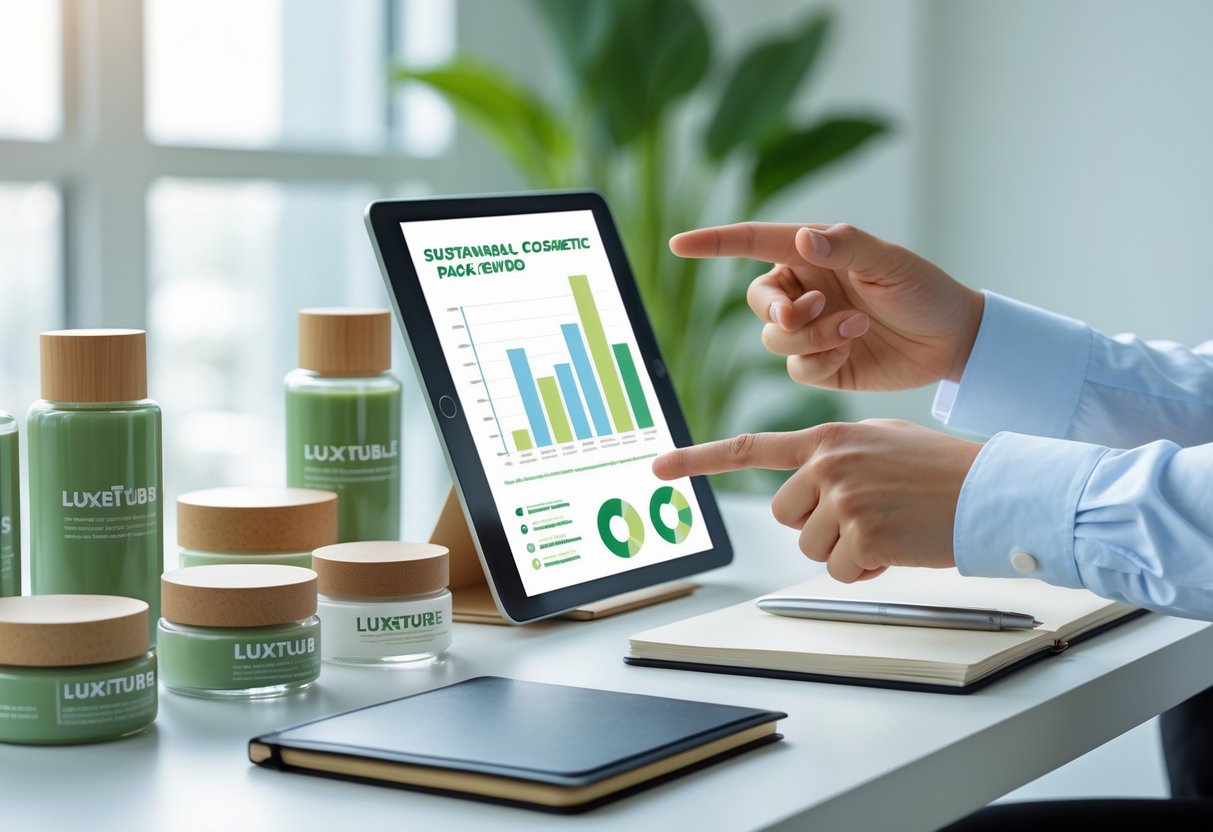
Nastavení jasné cíle udržitelnosti pomáhá vám činit cílená rozhodnutí o balení, která jsou v souladu s hodnotami vaší značky a potřebami zákazníků. Budete muset vyvážit dopad na životní prostředí s praktickými požadavky, jako je např ochrana produktu a vizuální přitažlivost.
Definování hodnot značky a očekávání zákazníků
Před výběrem udržitelných obalů musíte pochopit, co udržitelnost znamená pro vaši značku a zákazníky. Zaměřujete se na snižování plastového odpadu, podporu oběhového hospodářství nebo minimalizaci emisí uhlíku?
Začněte průzkumem svých zákazníků ohledně jejich preference balení. Ukazuje to výzkum 54 % spotřebitelů oceňuje recyklovatelné, kompostovatelné nebo opakovaně použitelné obaly.
Další 53 % chce snížený obsah plastů ve svých kosmetických produktech. Zde je návod, jak sladit své hodnoty s očekáváním zákazníků:
| Zaměření na značku | Priorita zákazníka | Akční kroky |
|---|---|---|
| Cíle nulového odpadu | Doplňovatelné systémy | Designové odolné nádoby s náhradními vložkami |
| Plastová redukce oceánu | Recyklované materiály | Používejte ověřené recyklované plasty (PCR). |
| Přírodní ingredience | Biologicky rozložitelné obaly | Vyberte si kompostovatelné materiály, jako je bambus nebo lepenka |
Jasně zdokumentujte své priority udržitelnosti. Napište si konkrétní cíle jako např “snížit hmotnost balení o 30 %” nebo “dosáhnout 80 % recyklovatelných materiálů do roku 2026.”
Pamatujte, že vaše cíle udržitelnosti by měly odrážet jak poslání vaší značky, tak to, na čem vaše zákazníky skutečně záleží. Pokud vaše publikum oceňuje pohodlí před dopadem na životní prostředí, můžete se zaměřit na snadno recyklovatelné materiály spíše než na složité systémy doplňování.
Vyvážení funkčnosti, estetiky a udržitelnosti
Udržitelné obaly musí stále chránit vaše produkty a efektivně reprezentovat vaši značku. Nemůžete obětovat kvalitu produktu nebo přitažlivost značky pro přínosy pro životní prostředí.
Při hodnocení možností balení zvažte tyto tři klíčové oblasti:
Požadavky na ochranu produktu:
- UV ochrana pro přípravky citlivé na světlo
- Zábrany proti vlhkosti pro pudry a krémy
- Chemická kompatibilita s účinnými látkami
- Zachování trvanlivosti během skladování
Požadavky na reprezentaci značky:
- Flexibilita barev a designu
- Premium feel and appearance
- Brand recognition elements
- Customer experience quality
Start with your non-negotiable requirements. If your serum needs UV protection, glass or opaque materials become necessary.
If your brand requires specific colors, ensure sustainable materials can achieve your aesthetic goals. Test sustainable alternatives against your current packaging performance.
Run stability tests, drop tests, and customer experience evaluations. Many sustainable materials like aluminum and glass actually offer superior product protection compared to traditional plastics.
Consider innovative design approaches that enhance both sustainability and functionality. Minimalist designs can reduce material usage while creating premium appeal.
Plnitelné systémy mohou nabídnout luxusní zážitky a zároveň eliminovat plýtvání. Pamatujte, že spotřebitelé stále více vnímají udržitelné obaly jako indikátor kvality spíše než kompromis.
Porovnání obalových materiálů z hlediska udržitelnosti
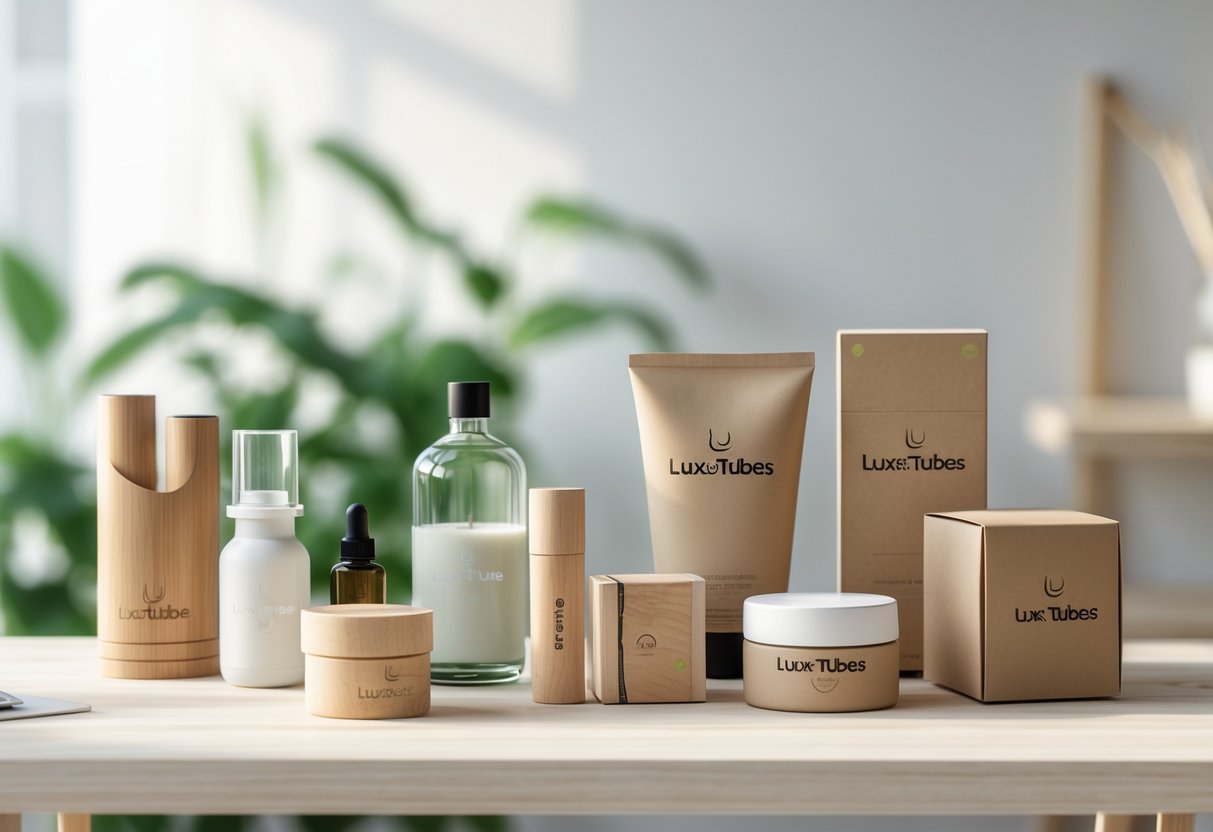
Když zkoumáme možnosti udržitelného balení, tři materiály vynikají svými jedinečnými ekologickými přínosy. PCR plast nabízí vynikající recyklovatelnost s nižšími výrobními náklady, bioplasty poskytují kompostovatelná řešení z obnovitelných zdrojů a sklo dodává prémiová trvanlivost s nekonečným potenciálem recyklace.
PCR Plast: Klady, zápory a recyklovatelnost
PCR plast (Post-Consumer Recycled plastic) přeměňuje použité plastové nádoby na nové obaly. Tento proces snižuje produkci nových plastů až o 70 % a výrazně snižuje emise uhlíku.
Čím je plast PCR přitažlivý?
- Nákladově efektivní: Plast PCR stojí o 10–20 % méně než původní plast
- Lehký: Snižuje náklady na dopravu a uhlíkovou stopu
- Univerzální: Funguje pro pumpy, lahve a hadičky
- Recyklovatelné: Lze několikrát recyklovat
PCR plast má však některé nevýhody. Proces recyklace může oslabit materiál, takže je méně odolný než původní plast.
Barevné možnosti jsou omezené, protože pracujeme se stávajícím plastovým odpadem. Ohledy na kvalitu jsou také důležité. Plast PCR může zadržovat pachy z předchozích použití, zejména u nádob určených pro potraviny.
We recommend thorough compatibility testing before switching your products to PCR packaging. The recyclability of PCR plastic depends on local facilities.
Clear containers recycle more easily than colored ones. Always check that your chosen PCR supplier meets FDA standards for cosmetic packaging.
Bioplastics and Compostable Options
Bioplastics come from renewable plant sources like cornstarch, sugarcane, and even seaweed. These materials break down naturally, unlike traditional petroleum-based plastics that take 400+ years to decompose.
Popular bioplastic options include:
- PLA (Polylactic Acid): Made from corn or sugarcane
- PHA (Polyhydroxyalkanoates): Produced by microorganisms
- Starch-based plastics: Derived from potato or corn starch
Velká výhoda? Bioplasty se za správných podmínek kompostování rozloží za 90-180 dní. Tím se eliminuje dlouhodobé hromadění odpadu na skládkách a v oceánech.
Ale tady je to, co musíme zvážit. Ne všechny bioplasty jsou doma kompostovatelné. Mnohé vyžadují průmyslová kompostovací zařízení se specifickými teplotními a vlhkostními podmínkami.
Například PLA potřebuje ke správnému rozkladu teploty nad 140 °F. Výzvou zůstávají náklady.
Bioplasty obvykle stojí o 20–50 % více než běžné plasty. Omezená výrobní kapacita také znamená delší dodací lhůty pro objednávky.
Liší se také požadavky na skladování. Některé bioplasty jsou citlivé na vlhkost a teplo, což může ovlivnit trvanlivost produktu a podmínky přepravy.
Sklo: Prémiové, opakovaně použitelné a nekonečně recyklovatelné
Skleněné dózy jsou jakýmsi zlatým standardem pro udržitelné balení. Na rozdíl od plastu sklo neztrácí kvalitu po nekonečných recyklačních cyklech.
Je to asi tak blízko kulatému, jak se balení dostává.
Proč si značky vybírají sklo:
- 100 % recyklovatelné: Žádná ztráta kvality během recyklace
- Chemicky inertní: Nereaguje s kosmetickými přípravky
- Prémiový pocit: Zvyšuje vnímanou hodnotu produktu
- UV ochrana: K dispozici v jantarovém a kobaltovém provedení
Skleněné obaly prostě vypadají a působí luxusně. Lidé mají tendenci znovu používat skleněné nádoby pro skladování nebo řemesla, takže často získají druhý život.
Ale existují zde skutečné kompromisy. Sklo je těžké – asi 10–15krát těžší než plast – takže náklady na dopravu a emise uhlíku rostou.
Typická skleněná nádoba obsahuje přibližně 300 g CO2 jen z výroby. Ne zrovna světlo na planetě.
Zlomení je další bolest hlavy. Ochranné balení a pečlivé zacházení jsou nutností, což zvyšuje náklady a složitost.
Pojištění a náhradní smlouvy? Ano, budete je potřebovat, pokud posíláte hodně skla.
Oblíbené formáty obalů a jejich dopad

Formát balení má velký vliv na životní prostředí. Trubky mají tendenci být udržitelnější než složité sestavy z více materiálů a sklo je skvělé z hlediska recyklovatelnosti – i když je obtížné ho přepravovat.
Tuby a tuby balzámu na rty: Kdy použít a jak je hodnotí
Papírové tuby mají chvíli, zvláště pro balzámy na rty a tyčinkové základy. Jsou biologicky odbouratelné a často vyrobené z odpovědně získaných materiálů.
PCR plastové zkumavky jsou další solidní možností. Ty jsou vyrobeny z recyklovaných plastů a mohou znovu projít procesem recyklace.
Zde je rychlý pohled na to, jak se materiály trubek skládají:
| Materiál | Recyklovatelnost | Biologicky odbouratelný | Nejlepší pro |
|---|---|---|---|
| Na papírové bázi | Omezený | Ano | Balzámy na rty, tuhé produkty |
| PCR plast | Vysoký | Žádný | Krémy, pleťové vody |
| Hliník | Vynikající | Žádný | Prémiové produkty |
Hliníkové trubky jsou mistry v recyklovatelnosti. Jsou v podstatě nekonečně recyklovatelné, ale mají tendenci stát se předem dražší než plast.
Trubky z jednoho materiálu jsou nejlepší pro recyklaci. Pokud se budete držet jednoho materiálu, recyklační zařízení nemusí pracovat tak tvrdě, aby je zpracovala.
Láhve a sklenice: sklo, plast a další
U lahví a dóz na smetanu je sklo na prvním místě seznamu recyklovatelnosti. Můžete jej recyklovat znovu a znovu a při ochraně produktů odvádí lepší práci než plast.
PCR plastové lahve jsou dobrým kompromisem. Obvykle mají kdekoli od 25 % do 80 % recyklovaného materiálu, v závislosti na společnosti, a jsou běžné pro šampony a pleťové vody.
Kovové nádoby, zejména hliníkové, jsou také výhrou pro udržitelnost. Při přepravě jsou lehčí než sklo a jsou zcela recyklovatelné. Ocelové dózy jsou skvělé na tuhé balzámy.
Bioplasty se začínají objevovat u lahví a sklenic vyrobených z věcí, jako je kukuřičný škrob nebo cukrová třtina. Rozpadnou se ve správném kompostovacím nastavení, ale technologie ještě není všude.
Glass is still the go-to for premium skincare. It’s inert and won’t mess with your product, but it’s heavier and riskier to ship.
Caps and Closures: Mono-Material and PCR Options
Caps and closures can really trip up the recycling process if they’re made from different materials than the container. Jednomateriálové návrhy are the fix—just use one plastic type for everything.
PCR closures use recycled plastic, which is a plus for reducing new plastic production. Some brands are hitting 50-100% recycled content in their caps now.
Attached closures (like tethered caps) help keep litter down. They stay connected to the bottle, which is just smart.
Some closure options to consider:
- PCR polypropylene caps: Pair up with matching PP bottles
- Aluminum closures: Vhodné pro skleněné nebo hliníkové nádoby
- Korkové zátky: Biologicky odbouratelné a obnovitelné – velmi elegantní pro prémiové věci
Kovové uzávěry jsou odolné a plně recyklovatelné. Jsou přirozeně vhodné pro skleněné lahve a sklenice. Korek je obnovitelný a při sklizni nepoškozuje stromy.
Výdejní výdejní stanice měl by odpovídat materiálu nádoby, pokud s ní můžete houpat. Některé značky nyní mají čerpadla z monomateriálu, což je velký krok pro recyklaci.
Úvahy o designu a výrobě
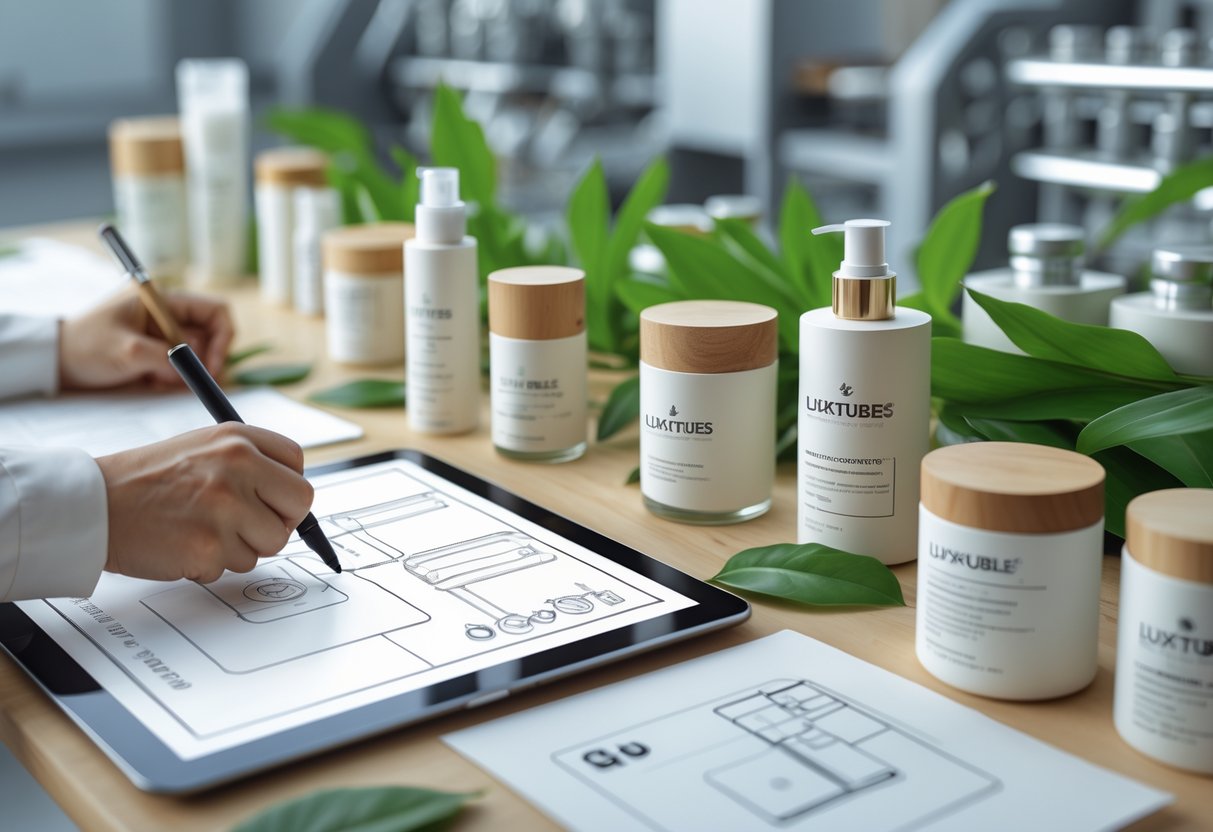
Design and manufacturing choices can make or break your packaging’s sustainability. There’s a lot to be said for mono-materials, refillable systems, and making sure you’ve got the right certifications.
Mono-Material and Minimalist Design
Designing with one material type makes recycling a breeze. Multi-material packages are usually landfill-bound because they’re tough to separate.
Imagine a lipstick tube that’s all aluminum versus one that’s part plastic, part metal, part paper. The aluminum one just drops into recycling—no fuss.
Minimalist design helps too. Ditch the extra boxes if the container looks good enough on its own.
Lightweighting is worth considering. Modern paperboard can be sturdy even when it’s thinner, so you save materials and money.
U plastových obalů dodávají chytré tvary – jako jsou hřebeny a křivky – pevnost, aniž by zvětšovaly stěny.
Barva vás může podrazit. Čiré nebo přírodní plasty se recyklují mnohem snadněji než ty tmavé nebo super pigmentované.
Plnitelné a opakovaně použitelné systémy
Plnitelné obaly jsou změnou hry pro řezání odpadu. Značky jako Fenty Beauty a Kjaer Weis jsou na tomto modelu all-in.
Proces doplňování však musí být snadný a nesmí to být nepořádek, jinak se lidé nebudou obtěžovat.
Magnetické uzávěry jsou kluzké pro práškové výlisky. Twist-and-lock je dobrý pro tekutiny, jako jsou podklady a séra.
U plnitelných náplní záleží na životnosti. Potřebujete materiály, které si poradí s otevíráním, čištěním a doplňováním znovu a znovu, aniž by se rozpadaly.
Nezapomeňte na doplňovací balíčky. Menší kapsle obvykle znamenají méně odpadu, než pokaždé kupovat zcela nový produkt.
Některé značky provádějí programy zpětného odběru náplní, což je zvláště užitečné pro složité věci, jako je řasenka nebo tekuté oční linky.
Certifikace a předpisy ke sledování
Rozšířená odpovědnost producenta (EPR) pravidla se objevují na více místech, díky čemuž jsou značky odpovědné za své obaly od začátku do konce.
PET plast obvykle zaškrtne políčko EPR, ale musíte jej správně označit. Recyklační symboly a informace o likvidaci jsou nutností.
The Koalice pro udržitelné balení má pevné pokyny a označení How2Recycle, které ve skutečnosti pomáhá lidem vědět, co dělat s obalem.
certifikace FSC se pro lepenku stává nutností. Každému řekne, že váš papír pochází ze zodpovědně obhospodařovaných lesů.
Kompostovatelné obaly musí splňovat ASTM D6400 v USA resp EN 13432 v Evropě – v podstatě by se měl rozbít do šesti měsíců na průmyslovém kompostišti.
Sledujte nová pravidla, zvláště pokud prodáváte v Kalifornii. SB 54 říká, že do roku 2032 musí být 65 % obalů recyklovatelných.
Strategie životního cyklu a konce života
Vaše Kosmetické obalyDnešní design rozhoduje o tom, jak si povede po celý svůj život. Recyklovatelnost, místní systémy nakládání s odpady a učení se od značek, které tyto věci zvládají – na tom všem záleží.
Zlepšení recyklovatelnosti prostřednictvím designu
Přemýšleli jste někdy nad tím, proč některé kosmetické obaly končí v koši, i když jsou „technicky“ recyklovatelné? Obvykle je to proto, že design dělá recyklaci bolestí.
Výběr materiálu je obrovský. Kdykoli můžete, použijte monomateriály. Jediný plast jako PP nebo HDPE se recykluje mnohem snadněji než něco laminovaného.
Separace součástí je další velikán. Pokud navrhujete skleněnou láhev, ujistěte se, že víčko, pumpička a štítek se snadno sundají. Lidé si nebudou zahrávat se složitým balením – prostě to vyhodí.
Několik rychlých návrhových tipů:
- Na etikety používejte vodou ředitelná lepidla
- Vynechejte metalizované povrchy na plastových nádobách
- Designové zaklapávací uzávěry, nikoli trvalé těsnění
- Držte se kompatibilních plastů
Velikost a tvar záleží víc, než si myslíte. Drobné části, jako jsou tyčinky z řasenky nebo kuličky ze rtěnky, mohou proklouznout recyklačním zařízením. Ujistěte se, že váš obal je dostatečně velký, aby se dal správně roztřídit.
Pochopení regionálních systémů likvidace a recyklace
Obaly musí spolupracovat s místními recyklačními systémy. Co je v Německu recyklovatelné, může být skládka pouze v malém městě někde jinde.
Sběrné systémy nejsou všechny stejné. Některá místa berou všechny plasty stranou; ostatní chtějí jen lahve. Stojí za to zkontrolovat, co je přijímáno, ať prodáváte.
Schopnosti zpracování se také lišit. Některá recyklační centra zvládnou vícevrstvé obaly, ale spousta ne. V některých oblastech je skládkování jedinou možností.
Věci k prozkoumání:
- Které plasty jsou lokálně přijímány
- Mohou třídit různé barvy skla?
- Existují kompostovací zařízení?
- Jaký druh vzdělávání spotřebitelů o recyklaci je k dispozici?
Regionální předpisy může vytvořit nebo porušit vaše plány balení. EU má jiná pravidla než státy USA a některé země některé materiály přímo zakazují.
Je chytré spolupracovat s místními partnery pro nakládání s odpady, abyste skutečně věděli, co je možné – a co ne.
Případové studie ze skutečného světa a příklady značek
Společnost L’Oréal přišla se svou metodikou SPOT, aby vyhodnotila dopady životního cyklu napříč celým svým produktovým portfoliem. Tento nástroj jim umožňuje přijímat informovanější rozhodnutí o obalových materiálech a volbě designu – pravděpodobně jim ušetří spoustu starostí.
Plnitelné systémy Loop jsou odvážným krokem k úplnému opuštění obalů na jedno použití. Jejich robustní nádoby se posílají zpět k čištění a doplnění, což upřímně působí jako návrat k dodávkám mléka ze staré školy, ale s moderním kruhovým obratem.
společnosti Unilever koncentrované formule jde především o smrštění obalů až o 50 %. Jejich lisované deodoranty a koncentrované šampony dokážou poskytnout stejné výsledky bez všech plastů navíc.
Bezbalíkový přístup Lush je jiný úhel. Tuhé šamponové tyčinky a ty „nahé“ produkty úplně přeskakují obaly a nějak vypadají na poličce stále lákavě.
- Vzdělávání spotřebitelů o správné likvidaci
- Jasné označení recyklovatelných součástí
- Investice do programů zpětného odběru
- Partnerství s recyklačními zařízeními
