
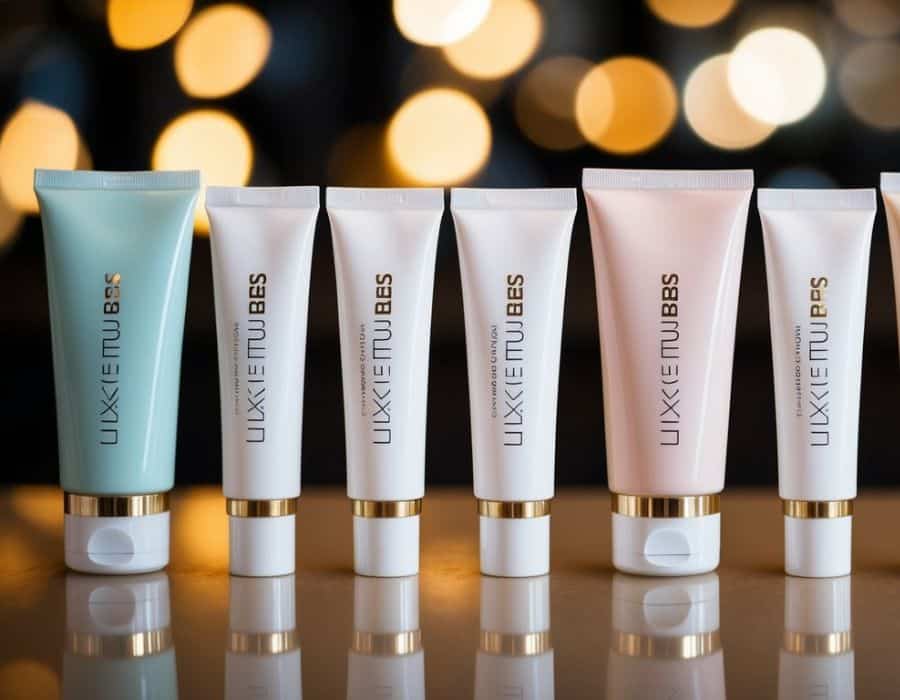
Pernahkah anda terfikir dari apa tiub boleh picit yang memegang produk kecantikan kegemaran anda diperbuat daripada apa? Kami menggunakan tiub kosmetik setiap hari untuk segala-galanya daripada krim muka hingga balm bibir, namun ramai di antara kami tidak tahu apa yang memastikan produk kami sentiasa segar dan selamat.
Kebanyakan tiub kosmetik hari ini diperbuat daripada plastik khusus seperti Polietilena Ketumpatan Tinggi (HDPE), Polietilena Ketumpatan Rendah (LDPE), dan Alkohol Etilena-Vinyl (EVOH), dipilih untuk kebolehfleksibelan dan perlindungan produk mereka.
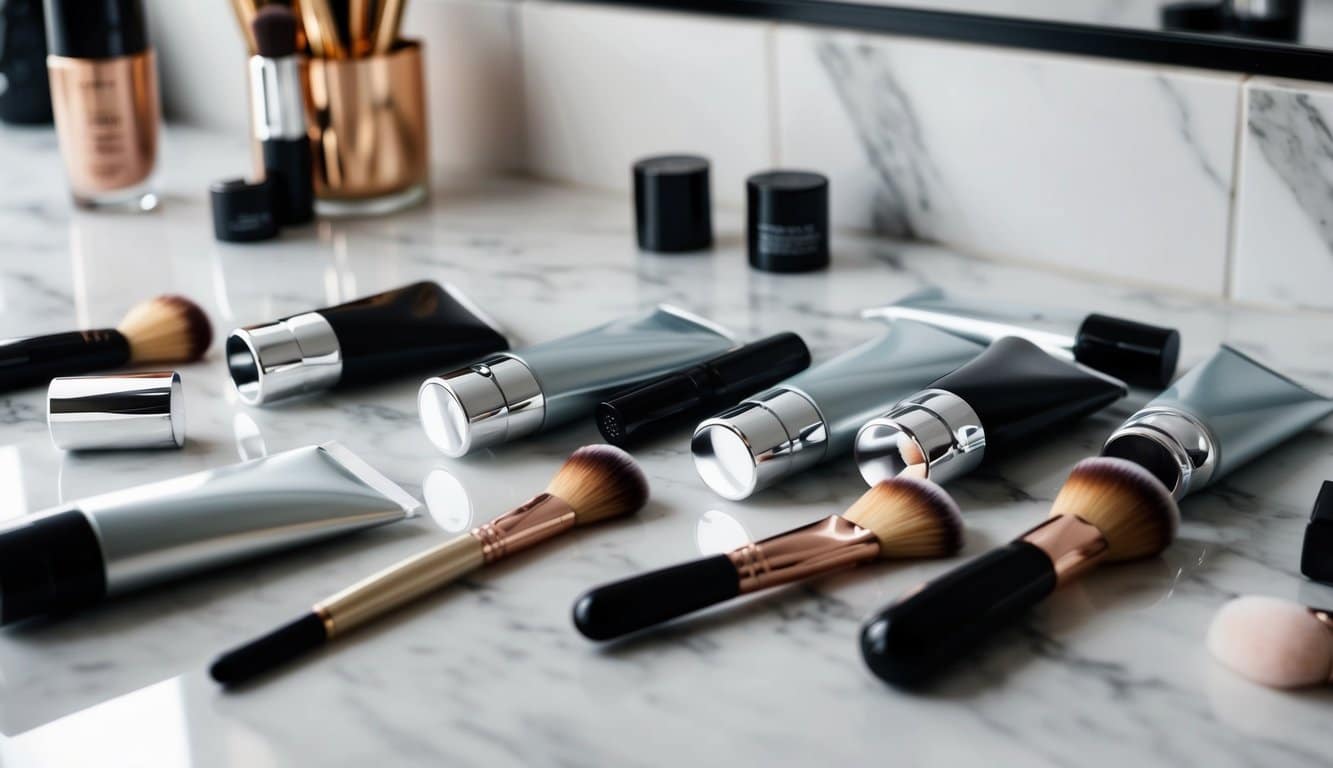
Industri kecantikan telah melihat perubahan besar dalam bahan tiub selama bertahun-tahun. Walaupun tiub plastik kekal popular, kami melihat lebih banyak tiub aluminium membuat kemunculan semula. Pilihan logam ini membantu melindungi produk semula jadi yang tidak menggunakan banyak pengawet, dan ia menambahkan sentuhan kemewahan kepada sebarang rutin kecantikan.
Kami teruja untuk melihat cara bahan pembungkusan terus berkembang untuk memenuhi keperluan kami yang berubah-ubah. Banyak jenama kini menumpukan pada pilihan mesra alam, dengan sesetengahnya beralih kepada tiub mono-bahan yang boleh dikitar semula. Peralihan ini menunjukkan kepada kita bagaimana industri kecantikan menyesuaikan diri untuk melindungi produk kita dan planet kita.
Memahami Bahan Tiub Kosmetik
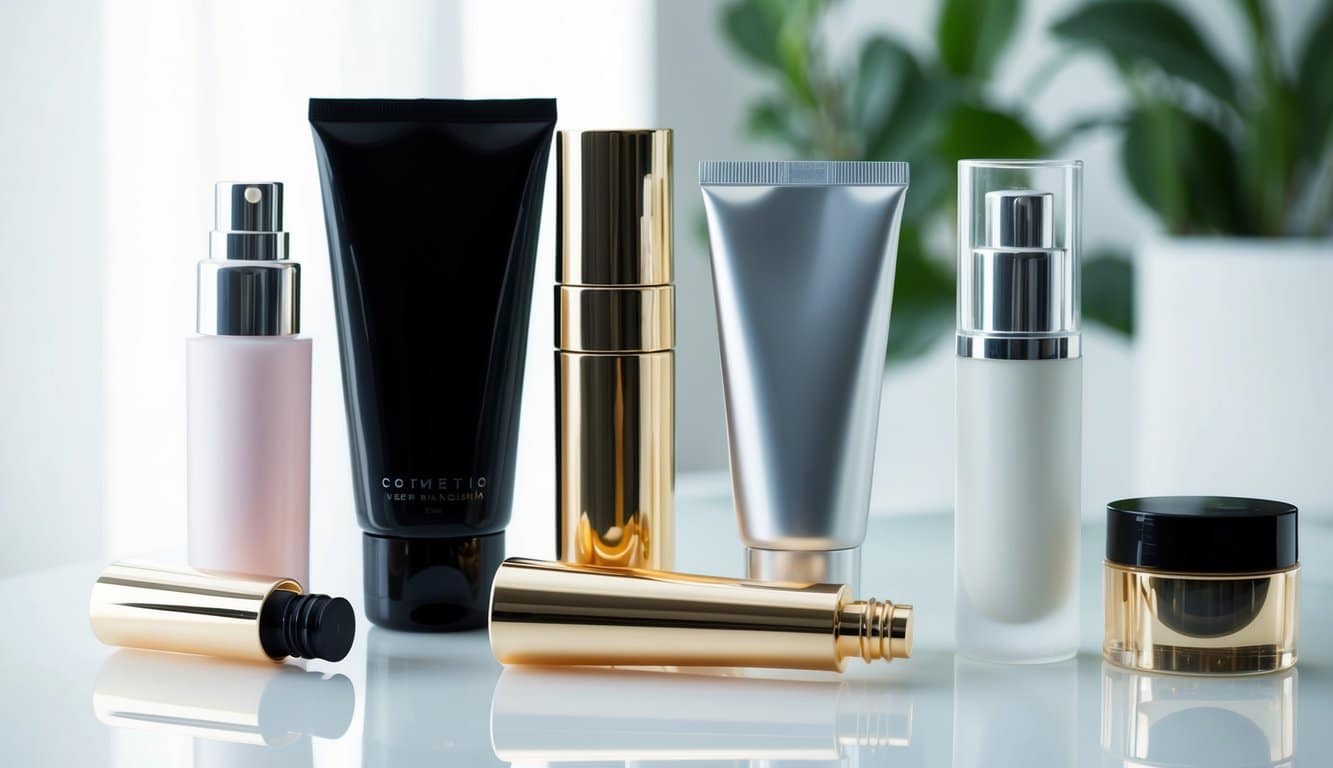
Tiub kosmetik bergantung pada beberapa bahan utama yang masing-masing mempunyai tujuan khusus dalam perlindungan dan penghantaran produk. Pilihan bahan mempengaruhi segala-galanya daripada pemeliharaan produk kepada pengalaman pengguna dan kesan alam sekitar.
Bahan Premium
Tiub kosmetik premium selalunya menggunakan bahan khusus yang meningkatkan perlindungan produk dan pengalaman pengguna. Bahan-bahan ini termasuk plastik gred perubatan dan sebatian penghalang tinggi.
Kami mendapati bahawa tiub premium sering menampilkan:
- Pembinaan pelbagai lapisan untuk perlindungan produk yang lebih baik
- Bahan tambahan tahan UV untuk mengelakkan degradasi
- Ciri penghalang yang dipertingkatkan terhadap kelembapan dan oksigen
Bahan premium lebih mahal tetapi memberikan kestabilan produk yang lebih baik dan jangka hayat yang lebih lama.
Tiub Aluminium Dan Kelebihannya
Tiub aluminium menawarkan sifat penghalang yang sangat baik dan sesuai untuk formulasi sensitif. Kami melihat ini sering digunakan dalam produk penjagaan kulit dan farmaseutikal mewah.
Faedah utama tiub aluminium:
- 100% perlindungan cahaya
- Penghalang lengkap terhadap oksigen
- Keserasian formulasi yang baik
Tiub ini boleh dihiasi dengan pelbagai kemasan, dari matte hingga metalik. Ia juga boleh dikitar semula sepenuhnya, menjadikannya pilihan mesra alam.
Plastik Berprestasi Tinggi (PE, PP, PET)
Kami bekerja dengan beberapa jenis bahan plastik dalam pembuatan tiub. Masing-masing mempunyai sifat unik:
HDPE (polietilena berkepadatan tinggi)
- Struktur tegar
- Rintangan kimia yang baik
- Kos efektif
LDPE (Polyetilena Ketumpatan Rendah)
- Fleksibel dan boleh diperah
- Sesuai untuk krim dan losyen
- Mudah diproses
Pp (polipropilena)
- Tahan panas
- Penampilan yang jelas
- Halangan kelembapan yang sangat baik
Penyelesaian Inovatif
Inovasi baharu dalam bahan tiub terus muncul. Bahan pintar kini menawarkan ciri menarik:
- Perubahan warna sensitif suhu
- Sifat anti-mikrob
- Jalur penunjuk masa
Kami telah melihat kejayaan besar dengan tiub yang menggabungkan teknologi ini, terutamanya dalam rangkaian penjagaan kulit premium.
Pilihan Mampan (PCR, Bioplastik)
Bahan mampan menjadi lebih popular dalam pengeluaran tiub kosmetik. Kami menggunakan beberapa pilihan mesra alam:
Bahan Kitar Semula Selepas Pengguna (PCR).
- Sehingga 100% kandungan kitar semula
- Jejak karbon berkurangan
- Prestasi yang sama dengan plastik dara
Bioplastik
- Diperbuat daripada sumber yang boleh diperbaharui
- Pilihan biodegradasi tersedia
- Kesan alam sekitar yang lebih rendah
Laminat Lanjutan (ABL, PBL)
Tiub berlamina menggabungkan pelbagai bahan untuk prestasi yang dipertingkatkan. Dua jenis utama menguasai pasaran:
Laminasi Penghalang Aluminium (ABL)
- Pelbagai lapisan pelindung
- Sifat penghalang yang sangat baik
- Penampilan premium
Laminasi Penghalang Plastik (PBL)
- Fleksibel lagi melindungi
- Kos efektif
- Baik untuk kebanyakan produk kosmetik
Kriteria Pemilihan Bahan Untuk Produk Kosmetik Berbeza
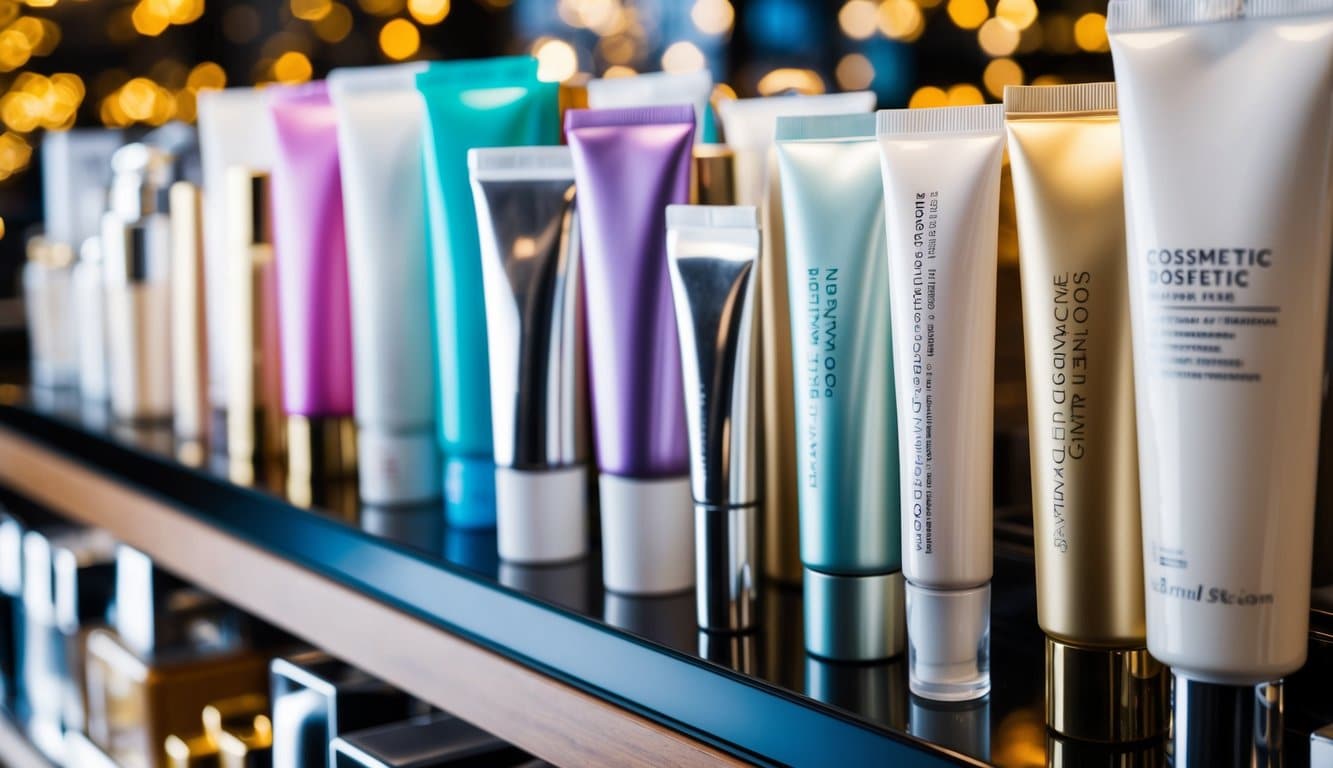
Memilih bahan tiub yang betul untuk produk kosmetik anda adalah penting untuk keselamatan dan keberkesanan. Kami akan membantu anda memahami bahan yang paling sesuai untuk produk kecantikan yang berbeza.
Untuk Krim dan losyen, kami mengesyorkan menggunakan tiub HDPE (High-Density Polyethylene). Ini memberikan sifat penghalang lembapan yang sangat baik dan melindungi daripada pengoksidaan produk.
Gel dan serum memerlukan perlindungan khas daripada pendedahan udara. Kami mencadangkan menggunakan tiub berbilang lapisan dengan penghalang EVOH (Ethylene Vinyl Alcohol). Gabungan ini memastikan bahan aktif stabil dan mengelakkan pencemaran.
Berikut ialah panduan ringkas untuk produk kecantikan biasa:
- Krim muka: Tiub gabungan LDPE/HDPE (lembut lagi melindungi)
- Produk bibir: Tiub PE gred makanan dengan salutan khusus
- Mascara: Tiub aluminium dengan salutan lakuer dalam
- Serum: Tiub berbilang lapisan dengan penghalang EVOH
Kepekaan suhu juga memainkan peranan yang besar. Produk seperti balm bibir memerlukan tiub yang boleh menahan kedua-dua keadaan panas dan sejuk tanpa meledingkan atau retak.
Untuk produk kecantikan semulajadi, kami telah melihat hasil yang hebat dengan bahan mesra alam seperti plastik PCR (Post-Consumer Recycled) atau tiub berasaskan bio. Ini mengekalkan integriti produk sambil mengurangkan kesan alam sekitar.
Ketebalan produk anda juga penting. Krim yang lebih tebal memerlukan bahan yang lebih fleksibel, manakala produk cecair seperti pengilat bibir memerlukan sifat penghalang yang lebih kuat untuk mengelakkan kebocoran.
Ingat untuk mempertimbangkan tahap pH produk anda. Formulasi berasid memerlukan bahan tahan kimia untuk mengelakkan degradasi pembungkusan.
Kecemerlangan Pembuatan
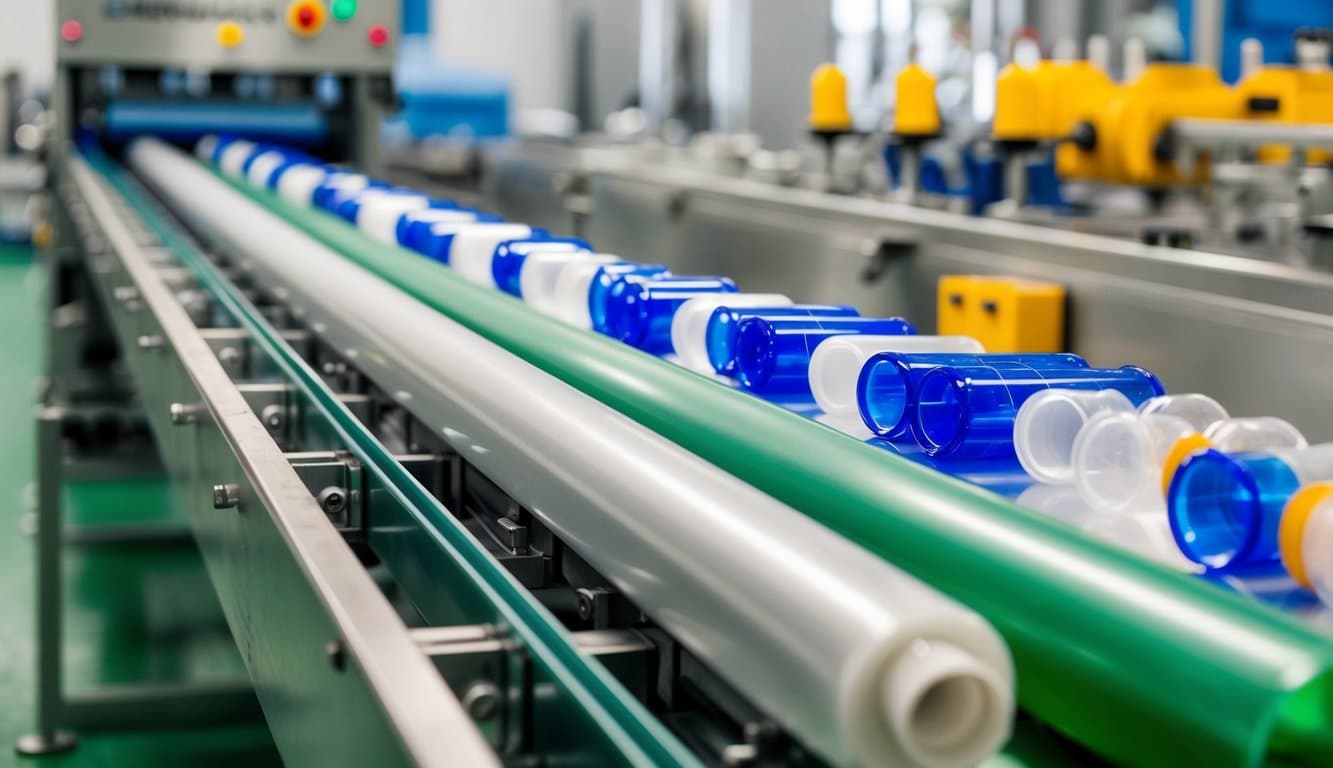
Mencipta tiub kosmetik berkualiti tinggi memerlukan kejuruteraan yang tepat dan kaedah pengeluaran yang canggih. Kami menggabungkan teknologi canggih dengan piawaian kualiti yang ketat untuk memberikan hasil yang luar biasa.
Proses Pengeluaran Teras
Asas pembuatan tiub kosmetik bermula dengan memilih bahan gred premium seperti HDPE, LDPE dan EVOH. Kami mencampurkan bahan ini dalam nisbah tertentu untuk mencapai sifat yang diingini untuk setiap jenis produk.
Setiap kumpulan menjalani ujian menyeluruh untuk konsistensi dan ketulenan sebelum memasuki pengeluaran. Sistem automatik kami memastikan pengukuran yang tepat dan pengendalian yang bersih sepanjang proses.
Bahan bergerak melalui persekitaran terkawal di mana suhu dan kelembapan dipantau dengan teliti. Ini membantu mencegah pencemaran dan mengekalkan integriti produk.
Teknologi Penyemperitan
Proses penyemperitan kami menggunakan jentera khusus untuk mengubah bahan plastik mentah kepada tiub seragam. Bahan dipanaskan pada suhu tertentu dan ditolak melalui acuan yang direka khas.
Plastik tersemperit membentuk silinder berterusan yang dipantau dengan teliti untuk ketebalan dan konsistensi. Penderia lanjutan menyemak sebarang variasi atau ketidaksempurnaan dalam masa nyata.
Parameter penyemperitan utama yang kami kawal:
- Zon suhu
- Tahap tekanan
- Kadar aliran bahan
- Kelajuan penyejukan
Menuju dan membentuk
Kepala tiub dibentuk menggunakan acuan ketepatan yang mencipta sistem benang dan penutupan yang sempurna. Kami menggunakan kedua-dua teknik pengacuan sejuk dan panas bergantung pada spesifikasi bahan.
Setiap tiub menjalani pembentukan yang teliti untuk memastikan:
- Sudut bahu yang tepat
- Penjajaran benang yang sempurna
- Ketebalan dinding yang konsisten
- Peralihan yang lancar
Sistem automatik kami memangkas tiub pada panjang yang tepat sambil mengekalkan kualiti kelebihan yang sempurna.
Titik Kawalan Kualiti
Kami melaksanakan pelbagai peringkat pemeriksaan sepanjang pengeluaran:
Pemeriksaan Kualiti Utama:
- Ujian komposisi bahan
- Pengukuran ketebalan dinding
- Pengesahan integriti meterai
- Pemeriksaan penjajaran cetakan
Setiap tiub melalui kamera resolusi tinggi yang mengesan walaupun kecacatan kecil. Pasukan kualiti kami melakukan pensampelan tetap untuk analisis terperinci.
Teknik Hiasan Lanjutan
Kami menawarkan pelbagai pilihan hiasan untuk membantu jenama menonjol:
✓ Setem panas untuk kesan logam
✓ Salutan UV untuk kilauan dan perlindungan
✓ Kemasan sentuhan lembut
✓ Pigmen logam
✓ Kesan mutiara
Teknik ini boleh digabungkan untuk mencipta pengalaman visual dan sentuhan yang unik.
Rawatan Permukaan
Pilihan rawatan permukaan kami meningkatkan kedua-dua estetika dan kefungsian:
- Rawatan Corona untuk lekatan dakwat yang lebih baik
- Rawatan anti-statik
- Lapisan perlindungan UV
- Salutan penghalang
Setiap rawatan digunakan dan diuji dengan teliti untuk memastikan prestasi yang berkekalan.
Kaedah Mencetak
Kami menggunakan beberapa teknologi percetakan:
- Pencetakan offset untuk grafik terperinci tinggi
- Percetakan skrin sutera untuk warna berani
- Percetakan digital untuk kumpulan kecil
- Pemindahan haba untuk reka bentuk yang kompleks
Sistem percetakan kami mengekalkan pendaftaran yang sempurna dan konsistensi warna di seluruh pengeluaran.
Pilihan Kemasan Premium
Sentuhan terakhir menjadikan setiap tiub unik:
Kemasan Popular:
- Salutan matte
- Kesan kilauan
- Tekstur sentuhan
- Mencetak timbul/menyahbos
Kami boleh menggabungkan pelbagai teknik kemasan untuk mencipta pembungkusan tersendiri yang menangkap identiti jenama.
Prestasi Dan Ciri Perlindungan
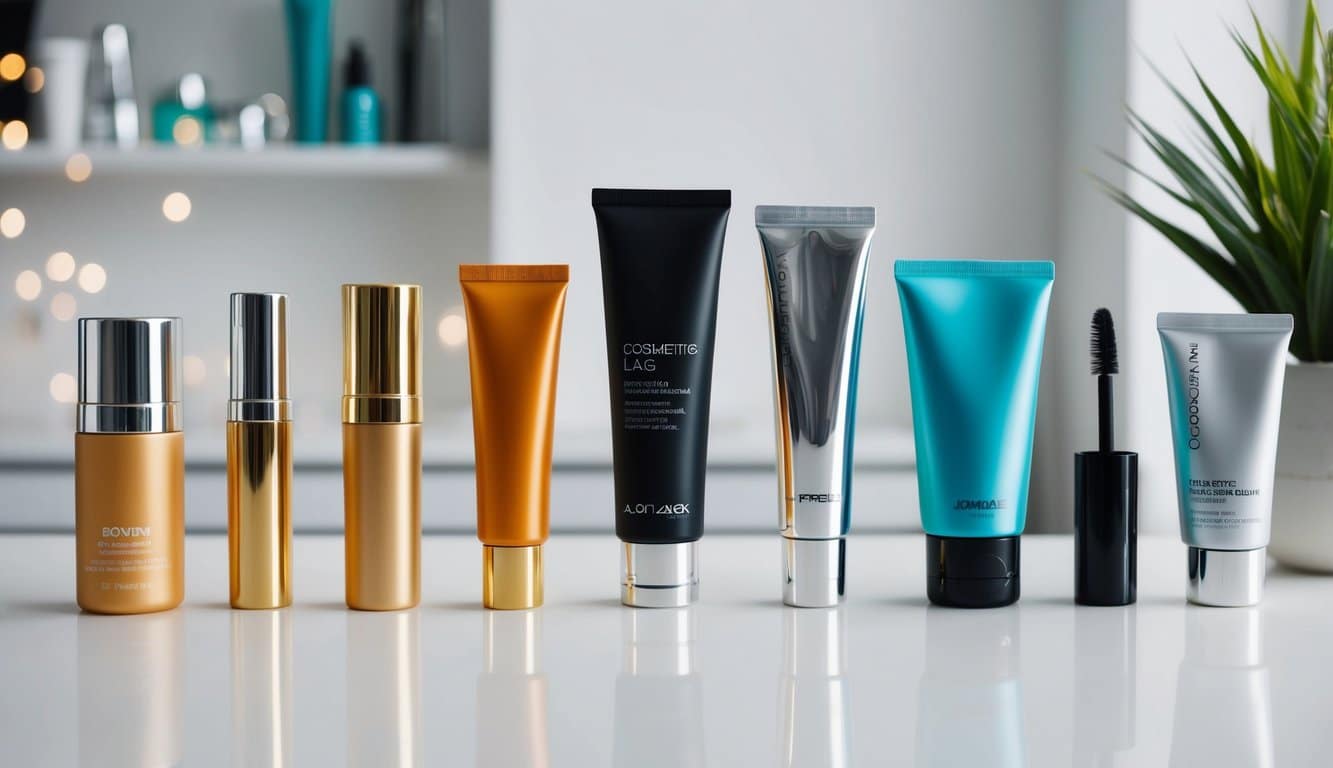
Tiub kosmetik memerlukan ciri khusus untuk memastikan produk selamat dan mudah digunakan. Kami mendapati bahawa gabungan bahan dan elemen reka bentuk yang betul membuat perbezaan besar dalam keberkesanan pakej ini.
Sifat halangan
Dinding tiub kosmetik mencipta halangan yang kuat terhadap pencemaran. Kebanyakan tiub menggunakan pelbagai lapisan bahan seperti PE dan PP untuk menyekat unsur berbahaya.
Lapisan dalam menyentuh produk secara langsung dan mesti tahan bahan kimia. Lapisan tengah memberikan kekuatan dan kestabilan. Lapisan luar menawarkan hiasan dan perlindungan.
Tiub berbilang lapisan boleh termasuk bahan penghalang khusus seperti EVOH atau kerajang aluminium. Ini menghalang oksigen dan gas lain daripada masuk.
Perlindungan Terhadap Cahaya, Udara dan Kelembapan
Perlindungan UV adalah penting untuk bahan sensitif. Banyak tiub yang digunakan bahan legap atau penyekat UV untuk mengelakkan kerosakan bahan.
Salutan dan rawatan khas membantu tiub menentang:
- Penembusan kelembapan
- Pengoksidaan
- Perubahan suhu
- Tindak balas kimia
Sistem pam tanpa udara memastikan produk segar dengan mengehadkan pendedahan kepada udara luar. Ini berfungsi hebat untuk formula semula jadi tanpa pengawet.
Peningkatan Kestabilan Produk
Reka bentuk tiub yang betul memastikan produk stabil lebih lama. Ciri-ciri utama termasuk:
- Bahan tahan suhu yang mengekalkan bentuk
- Bahan tambahan anti-mikrob dalam sesetengah plastik
- Lapisan dalaman pelindung
- Mekanisme pendispensan terkawal
Kami telah melihat bahawa kestabilan yang lebih baik bermakna kurang sisa dan jangka hayat yang lebih lama untuk kosmetik.
Elemen Reka Bentuk Berfungsi
Tiub datang dengan ciri yang menjadikannya praktikal dan selamat:
- Topi tahan kanak-kanak
- TAMPER-MEALS MEALS
- Permukaan mudah digenggam
- Keupayaan berdiri
Bentuk tiub mempengaruhi keberkesanannya. Bukaan yang lebih luas membantu krim tebal mengalir dengan lebih baik. Petua sempit berfungsi paling baik untuk aplikasi yang tepat.
Mekanisme Pendispensan
Produk yang berbeza memerlukan cara yang berbeza untuk keluar dari tiub:
Pilihan popular termasuk:
- Topi flip-top
- Penutup skru
- Dispenser pam
- Sistem tanpa udara
Setiap jenis mengawal jumlah produk yang keluar. Ini membantu pengguna menggunakan jumlah yang betul setiap masa.
Pertimbangan Pengalaman Pengguna
Tiub terbaik berasa selesa untuk dipegang dan digunakan. Kami mencari:
- Saiz cengkaman yang selesa
- Tudung mudah dibuka
- Tindakan pendispensan yang lancar
- Arahan penggunaan yang jelas
Reka bentuk pintar membantu orang yang mempunyai kekuatan tangan terhad menggunakan produk dengan mudah.
Keserasian produk
Bahan mesti sepadan dengan apa yang ada di dalam tiub. Kami menganggap:
Faktor utama:
- tahap pH produk
- Minyak atau asas air
- Bahan aktif
- Keperluan kelikatan
Setiap formula memerlukan bahan tiub khusus untuk kekal segar dan berfungsi dengan betul. Ujian membantu memadankan produk dengan pilihan pembungkusan terbaik.
Kemampanan Dan Trend Masa Depan
The cosmetic tube industry is shifting rapidly toward eco-friendly solutions and innovative technologies. New materials and processes are transforming how we package beauty products while reducing environmental impact.
Environmental Solutions
Many brands now use sugarcane plastic in their tubes, which creates a smaller carbon footprint during production. These plant-based materials break down naturally and don’t harm our ecosystems.
Companies are switching to mycelium packaging – a fungal-based material that’s both water-resistant and biodegradable. It grows in just 7 days and decomposes within 48 days.
We’re seeing more tubes made from plastik terikat lautan, membantu membersihkan perairan kita sambil mencipta pembungkusan yang berguna.
Bahan Dan Proses Kitar Semula
L'Occitane telah bekerjasama dengan LyondellBasell untuk menghasilkan tiub dengan 93% kandungan polietilena kitar semula. Ini menunjukkan kemajuan besar dalam teknologi kitar semula.
Lebih banyak pengeluar menggunakan pembinaan bahan tunggal, menjadikan tiub lebih mudah untuk dikitar semula:
- Tiub polietilena satu lapisan
- Pilihan semua-aluminium
- Reka bentuk polipropilena tulen
Pengurangan Jejak Karbon
Proses pembuatan pintar mengurangkan penggunaan tenaga sehingga 40%. Teknik pengacuan mampatan baharu memerlukan kurang haba dan tekanan.
Kemudahan berkuasa solar menjadi standard dalam pengeluaran tiub. Kami melihat lebih banyak pembuatan tempatan untuk mengurangkan pelepasan pengangkutan.
Inovasi industri
Teknologi pembungkusan pintar semakin mendapat tempat:
- Penunjuk perubahan warna untuk kesegaran produk
- Cip NFC untuk pengesahan ketulenan
- Bahan sensitif suhu
Sistem tiub boleh isi semula semakin popular. Ini membolehkan pelanggan menyimpan bekas luar dan menggantikan hanya produk dalam.
Aliran Pasaran Dan Keutamaan Pengguna
78% pengguna kecantikan lebih suka pilihan pembungkusan yang mampan. Ini mendorong jenama untuk membangunkan penyelesaian yang lebih mesra alam.
Pengguna muda terutamanya mencari:
- Arahan kitar semula yang jelas
- Pembungkusan minima
- Bahan biodegradable
Teknologi Baru Muncul
Tiub bercetak 3D memasuki pasaran, membolehkan:
- Bentuk tersuai
- Pengeluaran sisa sifar
- Pembuatan atas permintaan
Bahan penghalang berasaskan bio kini sepadan dengan plastik tradisional dalam prestasi sementara boleh terbiodegradasi sepenuhnya.
Perkembangan Masa Depan
Kami menjangkakan tiub boleh kompos sepenuhnya menjadi standard menjelang 2027. Bahan berasaskan tumbuhan baharu sudah dalam pembangunan.
Reka bentuk berbantukan AI membantu mencipta tiub yang menggunakan kurang bahan sambil mengekalkan kekuatan. Ini boleh mengurangkan penggunaan plastik sebanyak 30%.
Lebih banyak jenama sedang meneroka formulasi produk tanpa air, yang memerlukan bahan dan reka bentuk tiub yang berbeza.
