
Squeeze-putket ovat joustavia säiliöitä, jotka on suunniteltu voiteisiin, emulsioihin ja muuhun puolinestemäiseen kosmetiikkaan. Ne ovat melko lailla perusvarusteet käteviin, hygieenisiin pakkauksiin, ja niitä on kaikkialla ihonhoidosta meikkikäytävään.
Rehellisesti sanottuna ymmärrän, miksi ne ovat niin suosittuja – ne tekevät annostelusta helppoa ja pitävät tuotteet tuoreina. Löydät heidät kaikessa suurista nimibrändeistä itsenäisiin kauneusalan startupeihin.
Tarjolla on paljon materiaalivaihtoehtoja ja korkkityylejä, purista putkia sopii kaikenlaisiin kosmeettisiin tarpeisiin. Ne sopivat brändeille, jotka haluavat kokeilla jotain uutta pakkaustensa kanssa.
Mitä ovat kosmetiikassa puristettavat putket?
Purista putket kosmetiikkaa varten joustavat säiliöt suunniteltu pitämään ja annostelemaan kauneustuotteita. Ne on valmistettu muovista, alumiinista tai joskus ympäristöystävällisemmistä asioista. Päätyö? Suojaa koostumus ja anna sinun levittää sitä puhtaalla ja hallitulla tavalla.
Näen niitä käytettävän kaikkeen – ajattelen voiteita, voiteita, geelejä, meikkivoimia. Suunnittelun avulla voit puristaa juuri tarvitsemasi, mikä on vähemmän tuhlausta kuin purkista kauhoittaminen.
Kosmeettinen putkien pakkaus is lightweight, easy to toss in a bag, and usually leak-proof—handy for travel or just tossing in a purse. Plus, the tubes shield delicate ingredients from air, light, and moisture, so what’s inside stays good longer.
Brands love customizing these tubes too: different finishes, colors, caps (screw-on, flip-top, pumps, you name it). It’s an easy way to stand out on the shelf and keep things user-friendly.
I’ll admit, the versatility is impressive. They work for everything from runny serums that need airless pumps to thick creams that need a sturdier tube. If you ask me, squeeze tubes hit the sweet spot between convenience, protection, and a little bit of style.
Materials Used in Cosmetic Squeeze Tubes
Jos minulta kysytään, muovi on edelleen kosmeettisten puristusputkien päätekijä. Polypropeeni (PP) erottuu siitä, että se on vahva, kevyt eikä reagoi mihinkään sisällä. Se on turvallinen veto voideille, geeleille ja huulelle.
Polyeteeniä (PE) on myös kaikkialla – varsinkin niissä mukavissa, tiiviissä putkissa, joista ihmiset pitävät. PE on kestävä ja puristuu helposti. Joskus valmistajat kerrostelevat eri materiaaleja yhteen lisäsuojauksen vuoksi.
Siellä on myös akryyli, joka on lasia kevyempi ja jonka avulla näet tuotteen sisältä. Sitä esiintyy silloin tällöin huulirasvoissa ja ripsiväriputkissa.
Näen nykyään kestävämpiä vaihtoehtoja, mikä on tervetullut muutos. Alumiini putket näyttävät tyylikkäiltä ja estävät UV-säteilyn, joten ne sopivat herkille kaavoille. Ja jos pidät ekologisista asioista, bambu- tai paperiputkia (enimmäkseen huulirasvoille) ponnahtaa esiin muovin vähentämiseksi.
Tässä on nopea katsaus tärkeimpiin materiaaleihin:
| Materiaali | Edut | Käyttää |
|---|---|---|
| Polypropeeni | Vahva, kemikaaleja kestävä, kierrätettävä | Voiteet, geelit, huulituotteet |
| Polyeteeni | Joustava, kestävä | Voiteet, geelit |
| Akryyli | Kevyt, läpinäkyvä | Huulivoiteet, ripsiväri |
| Alumiini | UV-suoja, visuaalisesti houkutteleva | Erikoisvoiteet, -voiteet |
| Bambu/paperi | Kestävä, biohajoava | Huulivoiteet |
Oikean materiaalin valitseminen on rehellisesti sanottuna tasapainottavaa – tuotetta suojataan, sen käyttö on helppoa, eikä ympäristöä tuhota prosessin aikana.
Puristusputkien edut kosmetiikassa
Sanon sen: puristusputket ovat vain käytännöllisiä. Niiden joustava runko tarkoittaa, että voit hallita, kuinka paljon ulos tulee – et enää purista puolta putkesta vahingossa. Sellainen tarkkuus on askel eteenpäin purkeista tai pumppupulloista, ainakin minulle.
Muoviputket ovat kevyitä ja helppoja muokata, kun taas alumiiniputket pitävät valon ja ilman poissa, mikä on plussaa herkille tavaroille. Molemmat voidaan kierrättää, mikä on jotain, jota etsin ostoksia tehdessäni.
One thing I really appreciate is how well these tubes keep products fresh. Less air gets in, and there’s less chance for bacteria to sneak through, so what you’re putting on your face stays good longer.
And, let’s be honest, they’re easy to toss in a bag and take anywhere. They rarely leak, and the squeeze design is quick to use—even if your hands aren’t at 100%.
| Hyöty | Kuvaus |
|---|---|
| Precise Dispensing | Controls product amount, reduces waste |
| Tuotteen suojaus | Shields contents from air, light, bacteria |
| Material Options | Plastic or aluminum, both recyclable |
| Portability | Compact, durable, travel-friendly |
Keskeiset ominaisuudet & Selection Guide
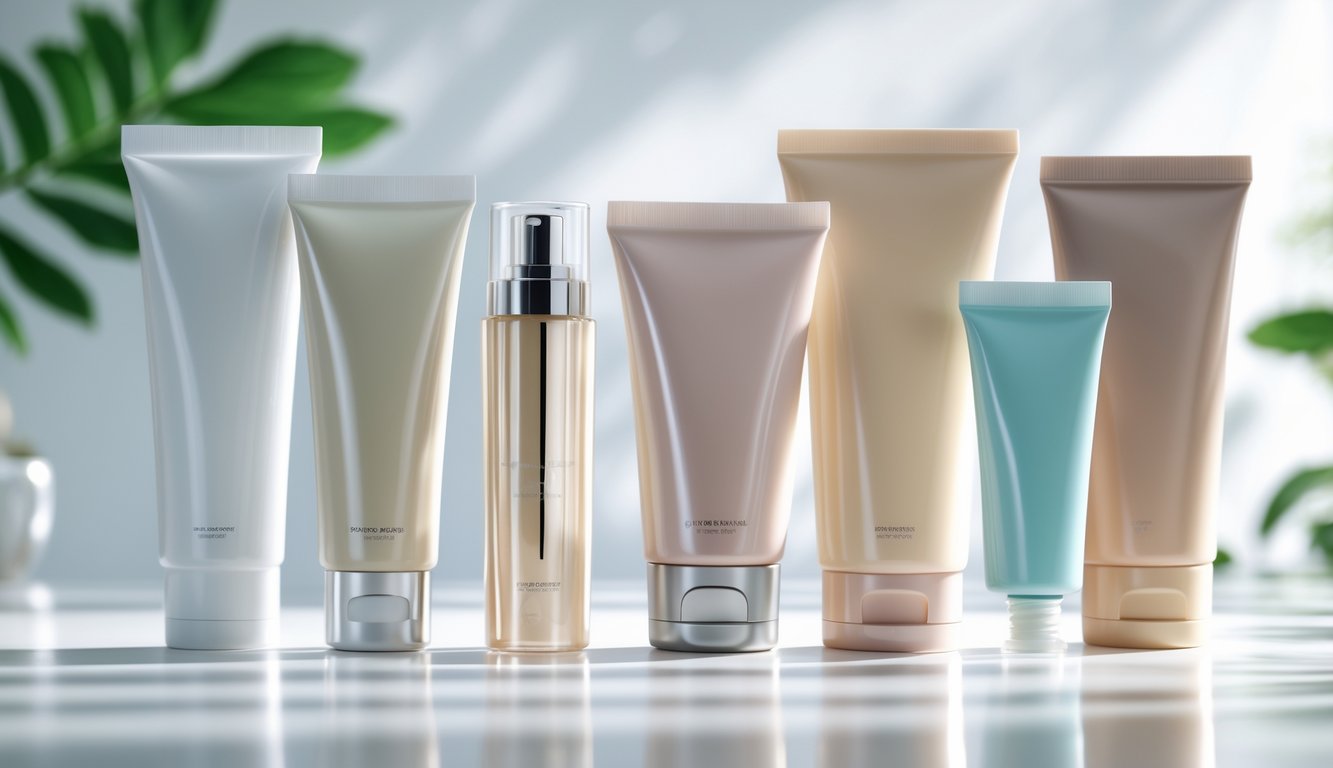
When I’m picking squeeze tubes for cosmetics, the materiaalia is my first stop. Plastics like LDPE and HDPE are flexible and easy on the budget, perfect for voiteet ja emulsiot. Laminated ones block light and air even better, and aluminum brings serious durability (and it’s fully recyclable).
The halkaisija changes how the tube feels and how much you get out. Small diameters are great for things like serums—just a dab at a time. Bigger tubes are better for thick creams or when you want a generous squeeze.
Cap style matters too. Flip-tops are great if you’re using the product every day, while screw or disc-tops are more secure if you’re tossing it in a bag. Pumps are nice for thick stuff, but they do bump the price up a bit.
Tiivisteet ovat tärkeitä tuotteiden tuoreuden kannalta. Lämpö- tai foliotiivisteet ovat vakiovarusteita peukalointia varten. Jos todella tarvitset turvallisuutta, induktiotiivisteet ovat vaihtoehto, mutta niitä ei juurikaan näe puristeputkissa.
Ja sitten on puristustekijä- miltä putki tuntuu kädessäsi. Pehmeän muovin ansiosta on helppo saada viimeinen pisara, kun taas laminoidut tai metalliputket pitävät muotonsa ja tuntuvat hieman ylemmiltä. Yritän sovittaa putken tuotteen rakenteeseen ja brändin tunnelmaan.
Sulkemis- ja applikaattorivaihtoehdot
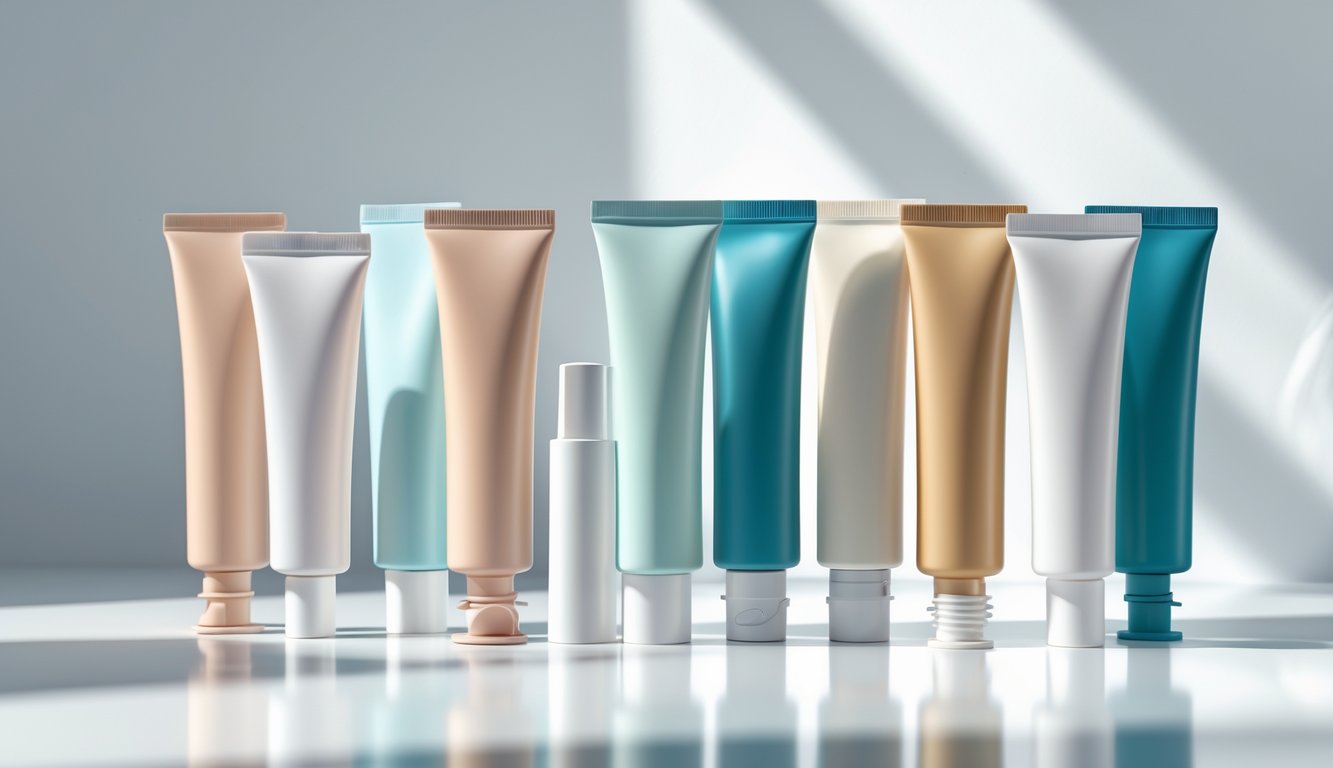
Sulkemistyyppi riippuu todella siitä, kuinka haluat käyttää tuotetta. Kierrekorkit ovat helppoja ja turvallisia, ja ne sopivat täydellisesti paksummille voiteille tai lotioneille, joita levität sormillasi.
olen fani kääntökorkit tavaroille, joita käytät paljon – ne pysyvät kiintyneinä ja ovat vain vähemmän vaivatonta. Ne sopivat hyvin aurinkovoideille, käsivoiteetja kaikkea mitä tavoitat päivittäin.
Jos tarvitset tarkkuutta, suuttimen kärjet ovat oikea tapa edetä. Ne sopivat ihanteellisesti esimerkiksi silmänympärysvoiteisiin tai spottihoitoihin, joissa et halua liioitella.
Rullapallon applikaattorit tuntuu hyvältä ja anna hellävarainen hieronta – sopii erinomaisesti silmäseerumiin tai kasvoöljyihin.
Meikkiä varten a harjan kärki voi tehdä kaiken eron huulikiilolla, meikkivoiteella tai kermavärisellä luomivärillä. Saat enemmän hallintaa ja tasaisemman lopputuloksen.
Kun tuote on todella paksu, pidän lastalla applikaattorit. Ne ovat hygieenisempiä ja antavat sinulle juuri sen, mitä tarvitset naamioihin tai hiustenhoitoon.
Ja jos haluat nolla sotkua, pumpun päällä olevat putket on vaikea päihittää sellaisille asioille kuin seerumeille tai nestemäisille lotioneille. Ne ovat puhtaita ja saat saman määrän joka kerta.
Tässä on lyhyt yhteenveto tärkeimmistä sulkimista ja applikaattoreista:
| Sulkeminen/sovellustyyppi | Paras | Keskeinen hyöty |
|---|---|---|
| Kierrekorkki | Voiteet, lotionit | Turvallinen tiiviste, yksinkertainen |
| Flip-top korkki | Aurinkosuojat, käsivoiteet | Mukavuus, hygienia |
| Suuttimen kärki | Silmävoiteet, spottihoidot | Tarkkuussovellus |
| Rullapallo | Silmäseerumit, öljyt | Sileä, hierova |
| Harjan kärki | Huulikiillot, meikkivoiteet | Hallittua meikin käyttöä |
| Lasta | Paksut voiteet, naamiot | Hygieeninen, helppokäyttöinen |
| Pumpun yläosa | Seerumit, nestemäiset emulsiot | Hallittu, sotkuton |
Kestävyys ja ympäristövaikutukset

Sustainability is front and center in the cosmetic tube world these days. The old-school plastic tubes? Yeah, they’re a headache for the environment—slow to break down, tricky to recycle, and honestly, not winning any green awards.
So, more brands are looking at eco-friendly materials now. There’s PCR (post-consumer recycled) plastic, biodegradable stuff from plants, and even sugarcane-based polyethylene. All these help cut down on virgin plastics and shrink that carbon footprint a bit.
Aluminum tubes get a lot of love for recyclability. They keep products fresh and can go through the recycling loop over and over. The catch? They’re pricier and not as flexible style-wise.
Uudelleen täytettäviä putkia alkaa näkyä enemmän. Ostat putken kerran ja nappaat vain täyttöpakkauksia – vähemmän roskia kasaantuu, mikä on mukavaa. Kevyemmät pakkaukset ja yksimateriaaliputket auttavat myös kierrätyksessä ja jätteen vähentämisessä. Jos haluat kaivaa syvemmälle, katso tämä ympäristövaikutuksia opas.
| Materiaalityyppi | Kestävyysominaisuus | Muistiinpanot |
|---|---|---|
| Muovi (PE, PP) | Kevyt, kierrätettävä (monomateriaali) | Laajalti käytetty, jotkut ekologiset vaihtoehdot |
| Alumiini | Täysin kierrätettävä, kestävä | Korkeammat kustannukset, korkealuokkainen suojaus |
| Biohajoavat muovit | Valmistettu uusiutuvista luonnonvaroista | Hajoaa nopeammin kuin muovi |
| Sokeriruokoperäinen PE | Uusiutuva lähde, sama kestävyys | Vähentää riippuvuutta fossiilisista polttoaineista |
Rehellisesti sanottuna brändeillä on välitön ympäristövaikutuksistaan. Kun yritykset puhuvat siitä, mitä he tekevät planeetan hyväksi, ihmiset huomaavat – ja heillä on taipumus pysyä mukana. Siitä on nyt vasta tulossa odotuksia.
Räätälöinti- ja brändäysmahdollisuudet
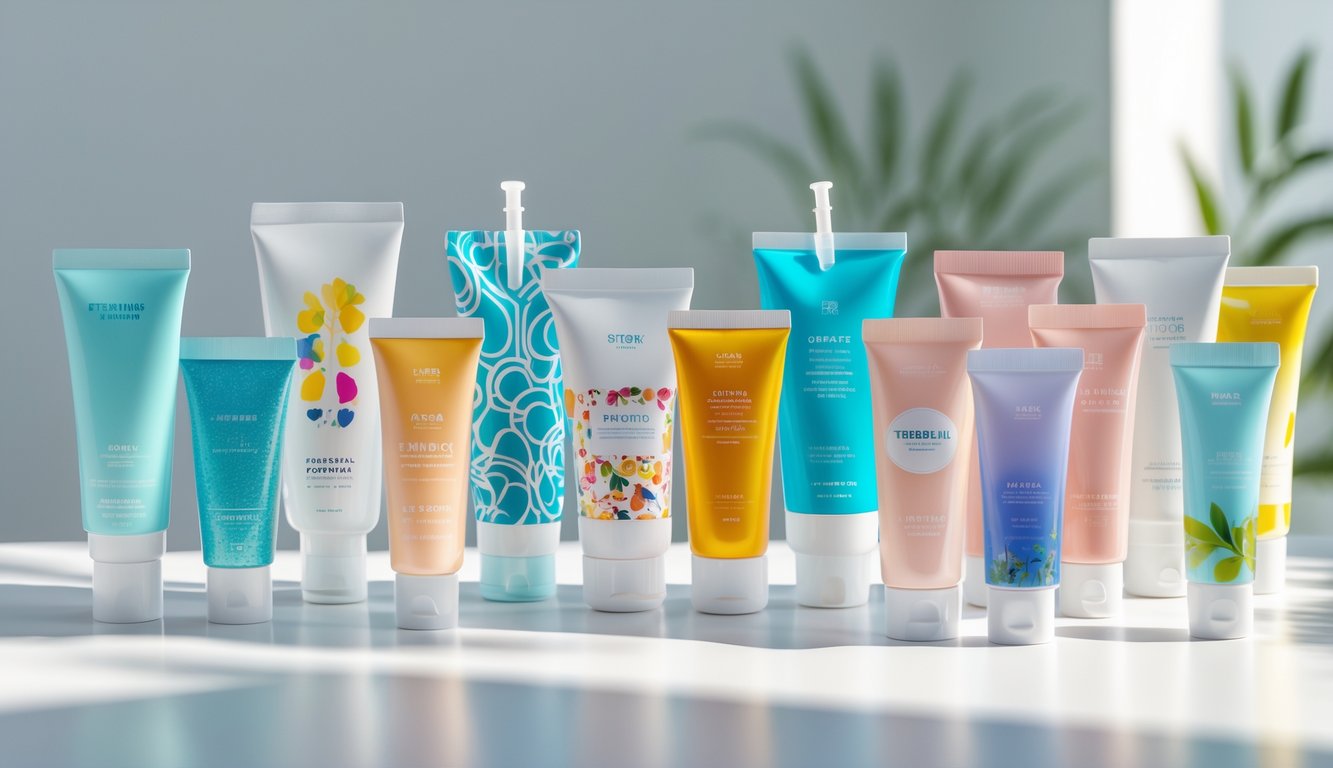
Kosmeettisten puristusputkien räätälöinti on valtava. Kanssa mukautettuja värejä, brändit voivat todella tehdä tuotteistaan pop ja tuntua “heidän” yhdellä silmäyksellä.
Tekniikat kuten silkkipainatus antaa teräviä, kestäviä kuvioita – jopa kaarevilla putkilla. Saat terävät logot, yksityiskohtaiset grafiikat, teokset.
Kuuma leimaus on toinen suosikki. Ne metalliset tai folioaksentit? Ne antavat putkelle välittömästi ensiluokkaisen tuntuman, erityisesti nimien tai kuvioiden korostamiseksi ilman liioittelua.
Mutta et voi sivuuttaa putken materiaalia. Muovi ja alumiini vaikuttavat kumpikin tulostuslaatuun ja väriin omalla tavallaan, joten oikean pohjan naulaaminen on melko tärkeää, jos haluat visuaalin loistavan.
On kuitenkin muutakin kuin pelkkä ulkonäkö. Korkit, sinetit, kohokuviointi – ne kaikki lisäävät tekstuuria, parantavat toimivuutta ja auttavat brändiä erottumaan joukosta ruuhkaisilla markkinoilla.
| Räätälöintielementti | Hyöty | Paras |
|---|---|---|
| Mukautettu väri | Brändin tunnistaminen, hyllyvaikutus | Koko putki, korkit |
| Silkkipainatus | Selkeät, eloisat kuviot | Logot, tuotetiedot |
| Kuuma leimaus | Ensiluokkaiset, huomiota herättävät aksentit | Merkkien logot, koriste-elementit |
Keskityn yleensä näihin yksityiskohtiin, koska rehellisesti sanottuna jokainen pieni asia auttaa tuotetta erottumaan joukosta. Pakkaus ei ole vain pakkaamista – se on myös markkinointiasi.
Puristeputkien vertailu muihin pakkausmuotoihin
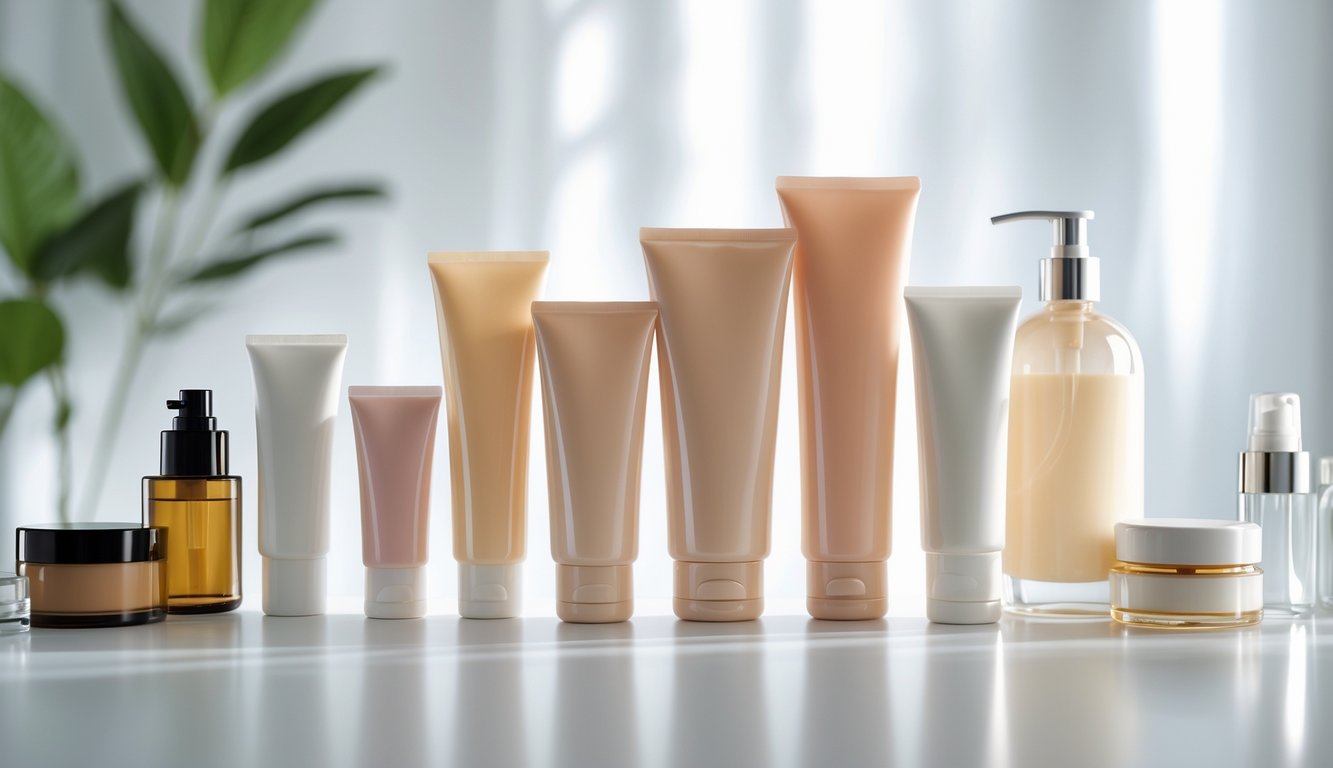
Puristavat putket ovat vain järkeviä monin tavoin, etenkin verrattuna pulloihin tai purkkeihin. Ne ovat yleensä halvempia valmistaa, millä on paljon merkitystä kosmetiikkateollisuus.
Ne antavat sinulle paremman hallinnan kuinka paljon tuotetta tulee ulos. Toisin kuin purkkeissa, et työnnä sormiasi sisään – niin vähemmän sotkua, vähemmän kontaminaatiota ja kaava pysyy tuoreena pidempään.
Materiaaliltaan putket ovat kevyitä ja joustavia, toisin kuin lasi- tai jäykät pullot. Helpompi heittää pussiin, vähemmän tilaa hyllyillä ja yksinkertaisesti vähemmän vaivaa kaikille mukana oleville.
Pikavertailu sinulle:
| Ominaisuus | Puristaa putket | Pullot | Purkit |
|---|---|---|---|
| Annostelun ohjaus | Korkea | Kohtalainen | Matala |
| Tuotteen suojaus | Hyvä (ilmatiiviit tiivisteet) | Kohtalainen | Alempi (valotus) |
| Maksaa | Alentaa | Korkeampi | Korkeampi |
| Portability | Korkea | Kohtalainen | Matala |
| Saastumisriski | Matala | Kohtalainen | Korkea |
Sisustusvaihtoehdot ovat melko loputtomat putkien kanssa, mikä sopii mainiosti erottua joukosta. Silti ne eivät ole täydellisiä superpaksuille tai paksuille kaavoille – purkit ovat siellä parempia.
Olen nähnyt monien merkkien vaihtavan tuubiin, erityisesti voiteisiin, voiteisiin ja geeleihin. Järkevää, rehellisesti.
Kosmeettisten puristusputkien tulevaisuuden trendit
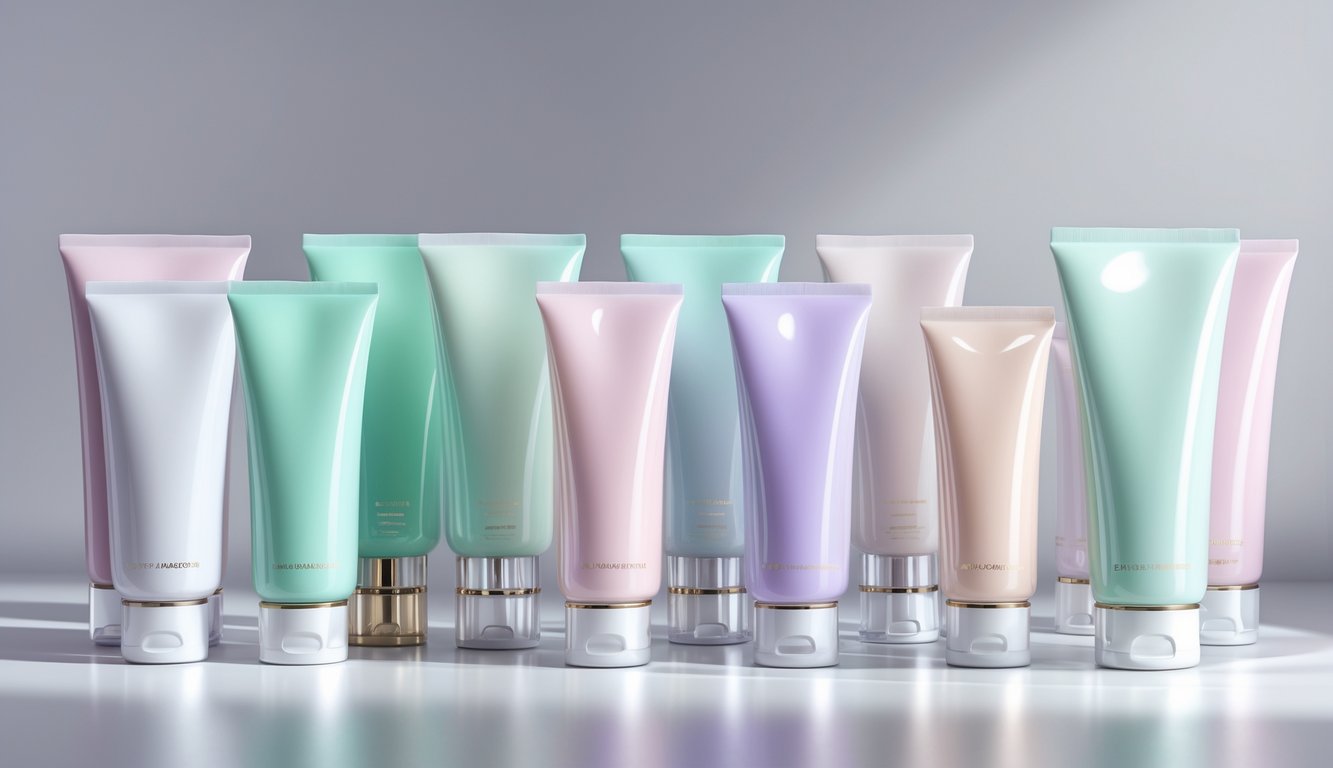
Sustainability’s not going anywhere—if anything, it’s driving most changes in cosmetic squeeze tubes. More brands are grabbing PCR plastics, sugarcane bio-resin, and recyclable aluminum to meet that “vihreä” expectation.
There’s also a push for better functionality. Dual-chamber tubes (so you can squeeze out two products at once) are popping up. Built-in applicators—think soft brushes or metal rollers—make applying stuff easier and a bit more hygienic.
Refillable tubes are coming in strong, too. Instead of tossing the whole thing, you just swap out the inside cartridge and reuse the outer shell. Less waste, more convenience.
Smart packaging is on the horizon. QR codes, temperature-sensitive inks—these little extras let you check authenticity or pull up tutorials with your phone. Kinda cool, right?
On the looks side, brands are chasing trends. Earthy colors and minimal designs say “wellness,” while pastels and metallics catch younger eyes. Even gradients and holographic finishes are getting popular for that modern vibe.
Travel-friendly sizes are a must now. Smaller tubes fit airline rules and busy routines, and all-in-one tubes make life simpler for folks on the go.
All in all, I think we’re headed for smarter, greener, and more personal packaging. It’s an exciting time if you geek out about this stuff.
Usein kysyttyjä kysymyksiä
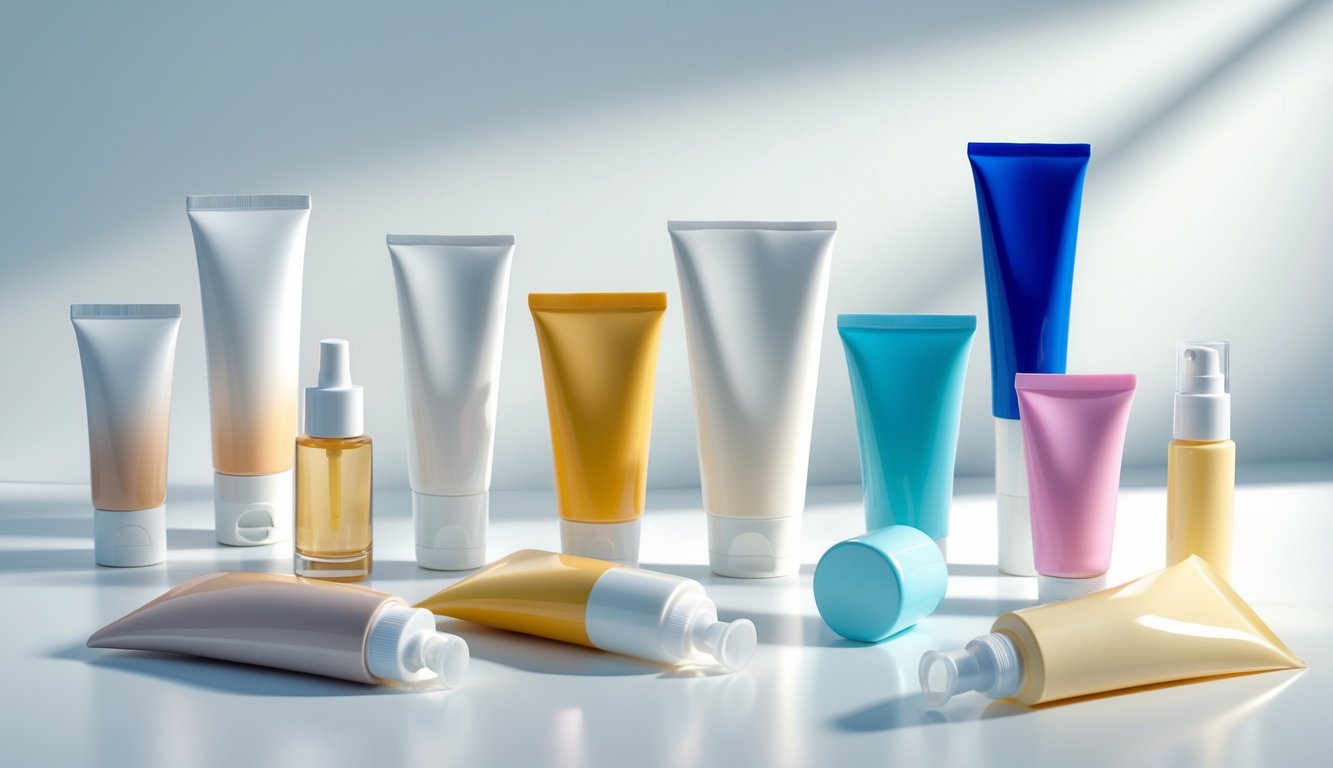
Puristusputkea valittaessa kiinnitän huomiota materiaaleihin, kokoihin, tiivistykseen ja räätälöintiin. Kyse on kaikesta suojaa tuotetta, pitää kustannukset kohtuullisina ja tekee asioista helppoa käyttäjälle.
Mitä hyötyä on puristeputkien käyttämisestä voidepohjaisissa kauneustuotteissa?
Purista putket antavat sinulle tarkka annostelu ja vähennä hukkaan heitettyä tuotetta. Ne myös pitävät voiteet poissa ilmasta ja sormista, mikä auttaa säilyttämään tuoreus.
The joustava muotoilu tarkoittaa, että voit saada melkein jokaisen pudotuksen pois – ei sotkua, ei meteliä.
Mistä materiaaleista puristusputket on valmistettu?
Common materials include plastics like PE (polyethylene) and PP (polypropylene), laminated materials (plastics + foil), aluminum, and clear plastics like PET. Some tubes use post-consumer recycled plastics (PCR) for better sustainability.
How do I choose the right squeeze tube for my product?
Match the tube to your product’s viscosity, stability, and exposure (light/air sensitivity); decide on size and shape for user convenience; choose a suitable material and barrier level; and pick a proper closure or applicator for usage and branding.
Are squeeze tubes environmentally friendly?
They can be, if made from recyclable materials like single-polymer PE or PCR plastics, or using sustainable materials. But mixed materials, laminates, or very small tubes are harder to recycle, so environmental impact varies.
What closures and applicators are available?
Common closures/applicators include screw caps, flip-top caps, nozzle tips, rollerballs, disc tops, twist-off caps, and specialized applicators for precision. Each offers different sealing, dispensing control, and user experience.
How do squeeze tubes compare with jars and bottles?
Compared to jars/bottles, squeeze tubes generally offer better protection (less air/contamination), easier portion control, lower risk of spills, lighter weight, better portability. However, jars may provide easier access (for thick products), and bottles can hold larger volumes or liquids more cleanly.
