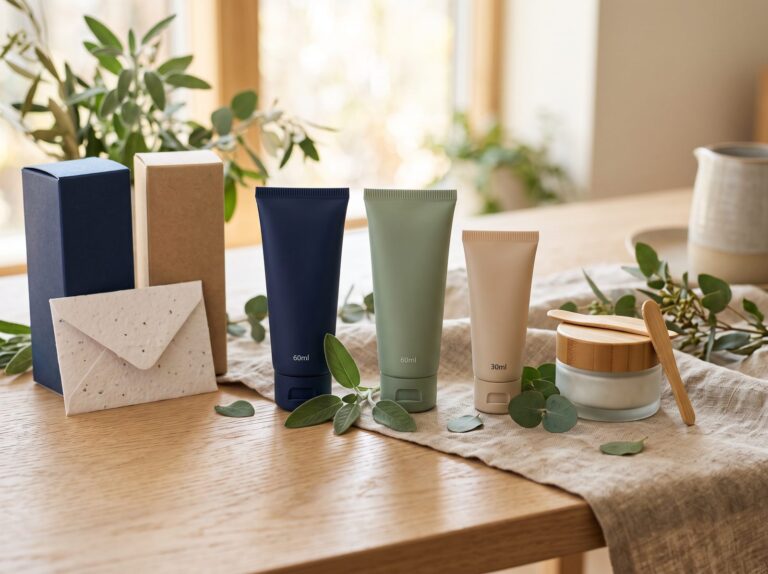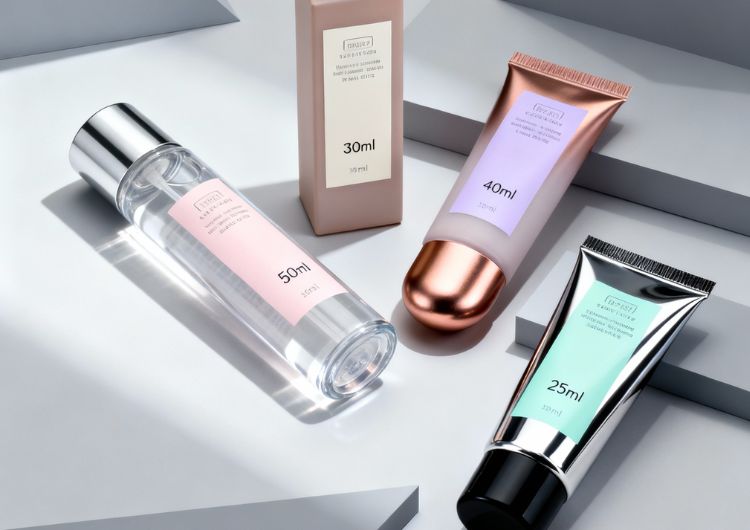
Οι καλλυντικοί σωλήνες πολυαιθυλενίου έχουν γίνει βασικό στοιχείο περιποίησης δέρματος και συσκευασία προσωπικής φροντίδας. Είναι εύκαμπτα, αρκετά σκληρά για καθημερινό χειρισμό και δεν τους πειράζει λίγη χημική δράση από κρέμες, τζελ ή λοσιόν.
Οι σωλήνες πολυαιθυλενίου (PE) λάμπουν πραγματικά για τη συμπίεση, τη δίκαιη τιμή και την ανακυκλωσιμότητα - δεν είναι περίεργο που τόσες πολλές μάρκες μένουν μαζί τους. Οι κύριοι τύποι; LDPE, που είναι μαλακό και εξαιρετικά λυγισμένο, και HDPE, που είναι πιο άκαμπτο και ανθεκτικό. Και τα δύο κάνουν αξιοπρεπή δουλειά διατηρώντας την υγρασία έξω και είναι εύκολο να τα δουλέψετε κατά την παραγωγή.
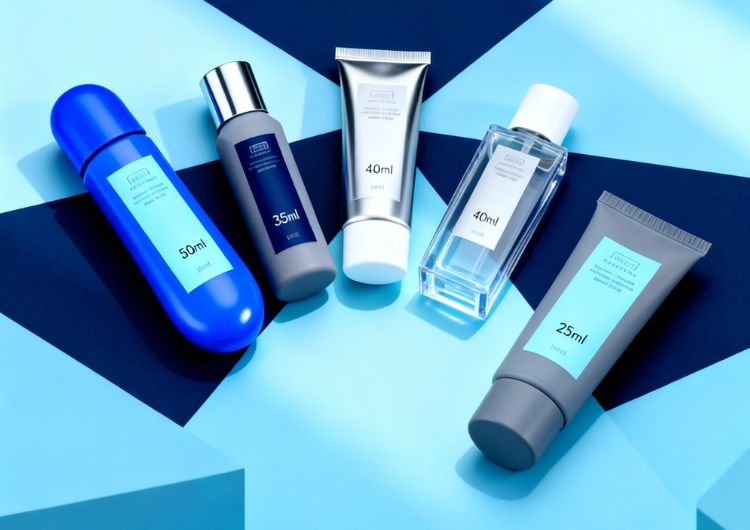
Η επιλογή του σωστού σωλήνα πολυαιθυλενίου δεν είναι πάντα απλή. Πρέπει να εξετάσετε τι υπάρχει μέσα (ορισμένοι τύποι είναι πιο φασαριόζοι από άλλους), πόση προστασία χρειάζεστε και τι είστε διατεθειμένοι να ξοδέψετε.
Εάν επιθυμείτε μεγαλύτερη διάρκεια ζωής για ενεργά συστατικά, αξίζει να δείτε τους σωλήνες πολλαπλών στρώσεων με υλικά φραγμού όπως το EVOH. Έχει να κάνει με την εξισορρόπηση του κόστους, της ασφάλειας των προϊόντων και αυτών των τσιτάτων βιωσιμότητας που όλοι κυνηγούν.
Γρήγορος Επιλογέας: Ποιο PE για ποια Φόρμουλα;
| Περίπτωση χρήσης | Καλύτερη Ρητίνη | Γιατί | Σημειώσεις |
|---|---|---|---|
| Πλούσιες κρέμες, κρέμα χεριών, λοσιόν σώματος | LDPE | Απαλή συμπίεση, ευχάριστη αίσθηση χεριών | Καλύτερο για 30–150 ml. ζευγάρι με flip-top |
| Καθημερινό σαμπουάν/ conditioner | MDPE | Ισορροπία συμπίεσης + σχήμα | Καλύτερη σταθερότητα σε όρθια θέση στο ντους |
| Αντηλιακά, ακμή, ενεργά (λιγότερο ευαίσθητα) | MDPE | Πιο ανθεκτικοί τοίχοι, καθαρή διανομή | Προσθέτω EVOH εάν υπάρχει κίνδυνος οξείδωσης |
| Scrubs, τζελ υψηλού ιξώδους | HDPE | Δόση ελέγχου δύσκαμπτων τοιχωμάτων | Χρησιμοποιήστε μεγαλύτερο στόμιο / ελέγξτε την κόπωση |
| Ταξίδια/μίνι (30–50 ml) | LDPE/MDPE | Συμπιέζεται σε μικρούς όγκους | Ασφαλής πτήση: προσθέστε επαγωγική σφράγιση |
| Ανδρική περιποίηση, ματ σκούρες εμφανίσεις | HDPE | Ανθεκτικό στην τριβή, τραγανό πάνελ | Προσθέστε βερνίκι κατά της τριβής για βαθιά χρώματα |
Εμπειρικός κανόνας: Αν αίσθηση/απαλότητα είναι το κλειδί, ξεκινήστε το LDPE. αν σταθερότητα & καθαρά γραφικά θέμα, δοκιμάστε MDPE/HDPE. Για ευαίσθητες δραστικές ουσίες/άρωμα, προσδιορίστε PE/EVOH/PE.
Επισκόπηση καλλυντικών σωλήνων PE
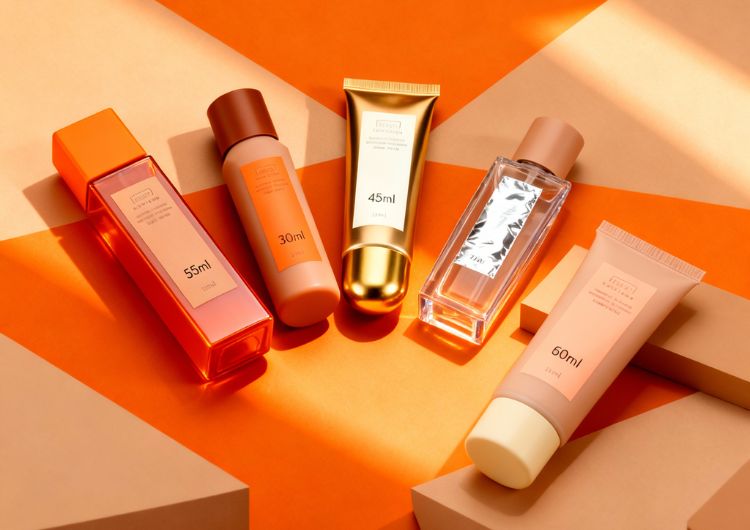
Οι καλλυντικοί σωλήνες πολυαιθυλενίου υπάρχουν παντού στους διαδρόμους περιποίησης δέρματος και ομορφιάς. Είναι ευέλικτα, αρκετά ανθεκτικά για τις περισσότερες χρήσεις και κρατούν υπό έλεγχο το κόστος. Ο υλικό είναι αρκετά επιεικής, επιτρέποντάς σας να το γεμίσετε με όλα τα είδη τύπων, και ο σχεδιασμός του σωλήνα κάνει τη διανομή παιχνιδάκι.
Αυτοί οι σωλήνες κάνουν μια σταθερή δουλειά προστατεύοντας τα προϊόντα από την υγρασία και τον αέρα, βοηθώντας να διατηρηθούν τα πράγματα σταθερά μέσα. Επιπλέον, μπορείτε να τα πιέζετε ξανά και ξανά και δεν τα παρατάνε εύκολα.
Το ακριβές μείγμα πολυαιθυλενίου και η δομή του σωλήνα έχουν επίσης σημασία—ειδικά όταν πρόκειται για ανακυκλωσιμότητα ή διατήρηση του κόστους παραγωγής σε χαμηλά επίπεδα.
Τι είναι οι καλλυντικοί σωλήνες πολυαιθυλενίου;
Καλλυντικοί σωλήνες πολυαιθυλενίου είναι ακριβώς αυτό που ακούγονται—σωλήνες κατασκευασμένοι κυρίως από πολυαιθυλένιο (PE), ένα πλαστικό που είναι εύκαμπτο και απομακρύνει τις περισσότερες χημικές ουσίες. Θα δείτε ως επί το πλείστον πολυαιθυλένιο χαμηλής πυκνότητας (LDPE), το οποίο είναι μαλακό και στραγγιστό, και πολυαιθυλένιο υψηλής πυκνότητας (HDPE), το οποίο είναι πιο άκαμπτο και σκληρό.
Ένας λόγος που είναι τόσο δημοφιλείς: το PE αντέχει την υγρασία και τα συνηθισμένα καλλυντικά ύποπτα όπως τα έλαια και τα επιφανειοδραστικά. Μπορείτε να χρησιμοποιήσετε ένα σωλήνα μονής στρώσης εάν παρακολουθείτε το κόστος ή να προσθέσετε στρώματα φραγμού (όπως το EVOH) εάν η φόρμουλα σας χρειάζεται λίγο επιπλέον TLC.
Ανακυκλωσιμότητα; Υπάρχει—συνήθως #2 (HDPE) ή #4 (LDPE)—αλλά το πόσο καλά ανακυκλώνουν εξαρτάται από το σχεδιασμό του σωλήνα. Σωλήνες από μονο-υλικό είναι καλύτερα αν θέλετε να αποφύγετε τους πονοκεφάλους της ανακύκλωσης.
Σωλήνες συμπίεσης σε συσκευασία καλλυντικών
Πιέστε σωλήνες φτιαγμένα από πολυαιθυλένιο είναι ένα χρήσιμο προϊόν για καλλυντικά. Είναι απλά εύχρηστα—συμπιέζονται και το προϊόν βγαίνει, χωρίς φασαρία. Η απαλή αίσθηση σημαίνει ότι δεν χρειάζεται να αγωνίζεστε ή να ανησυχείτε για το ράγισμα του σωλήνα.
Λειτουργούν για όλα τα είδη προϊόντων: κρέμες, τζελ, αντηλιακά, απολεπιστικά — το πείτε. Η ευελιξία του PE σημαίνει ότι ο σωλήνας δεν θα χωριστεί ακόμα και μετά από πολλές χρήσεις, κάτι που σίγουρα παρατηρούν οι πελάτες.
Από την πλευρά των επιχειρήσεων, οι σωλήνες συμπίεσης πολυαιθυλενίου συμβάλλουν στη μείωση του κόστους παραγωγής, ειδικά για μεγάλες διαδρομές. Οι επιλογές μονο-υλικών γίνονται όλο και πιο δημοφιλείς, καθώς είναι καλύτερες για ανακύκλωση και συνήθως είναι λίγο φθηνότερες. Εάν θέλετε ένα συνδυασμό απόδοσης, τιμής και κάποια φιλικότητα προς το περιβάλλον, οι σωλήνες συμπίεσης PE είναι ένα σταθερό στοίχημα.
Τύποι πολυαιθυλενίου για σωλήνες καλλυντικών
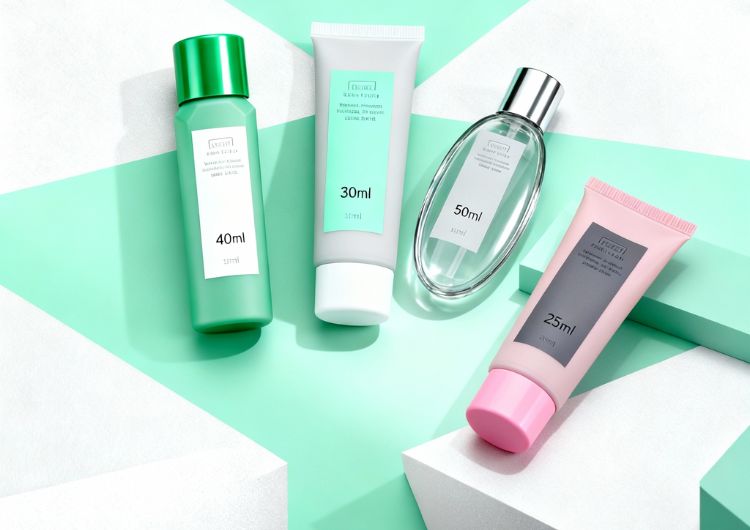
Το πολυαιθυλένιο (PE) δεν είναι μόνο ένα πράγμα - έρχεται σε μερικές γεύσεις που αλλάζουν το πόσο εύκαμπτο, ισχυρό ή ακριβό καταλήγει ο σωλήνας σας. Κάθε τύπος έχει τις δικές του ιδιορρυθμίες, οπότε αξίζει να καταλάβετε τι είναι πιο σημαντικό για το προϊόν σας: εύκολο στύψιμο, σκληρότητα ή ίσως λίγο από τα δύο;
LDPE: Πολυαιθυλένιο χαμηλής πυκνότητας
Το LDPE είναι η πιο μαλακή, πιο ευέλικτη επιλογή που θα βρείτε καλλυντικά σωληνάρια. Εξαιρετικό για κρέμες, τζελ και λοσιόν—ειδικά όταν θέλετε το προϊόν να βγαίνει ελάχιστα. Επειδή λυγίζει τόσο εύκολα, οι χρήστες δεν χρειάζεται να παλέψουν με το σωλήνα, κάτι που είναι πάντα κερδισμένο.
Είναι επίσης ελαφρύ και οικονομικό, επομένως θα το δείτε πολύ σε σωλήνες μεγέθους ταξιδιού ή μικρότερους. Η αντιστάθμιση: Το LDPE δεν είναι το καλύτερο στο να μπλοκάρει το οξυγόνο ή την υγρασία, επομένως είναι καλύτερο για φόρμουλες που δεν πειράζουν λίγο αέρα.
Εάν αναζητάτε κάτι προσιτό και φιλικό προς το χρήστη, το LDPE είναι μια ισχυρή επιλογή. Επιπλέον, περνά γρήγορα από τις γραμμές παραγωγής, κάτι που είναι βολικό αν δεν θέλετε να κάνετε τεράστιες παραγγελίες.
MDPE: Πολυαιθυλένιο μεσαίας πυκνότητας
Το MDPE πέφτει ακριβώς στη μέση—πιο άκαμπτο από το LDPE αλλά όχι τόσο άκαμπτο όσο το HDPE. Παίρνετε έναν σωλήνα που είναι λιγότερο πιθανό να ραγίσει ή να χάσει το σχήμα του, ωστόσο εξακολουθεί να είναι πολύ εύκολο να συμπιεστεί.
Δεν θα βλέπετε το MDPE τόσο συχνά όσο τα άλλα δύο, αλλά είναι χρήσιμο για πιο παχιές κρέμες ή αλοιφές όπου θέλετε κάποια δομή χωρίς να μετατρέψετε το σωλήνα σε βράχο. Το κόστος προσγειώνεται κάπου μεταξύ LDPE και HDPE, επομένως είναι ένας ωραίος συμβιβασμός εάν θέλετε λίγη περισσότερη ανθεκτικότητα χωρίς να χάσετε αυτή τη φιλική προς τον καταναλωτή αίσθηση.
HDPE: Πολυαιθυλένιο υψηλής πυκνότητας
Το HDPE είναι το σκληρό. Είναι άκαμπτο, δυνατό και απομακρύνει τους ώμους από χτυπήματα ή τρυπήματα—ιδανικό για προϊόντα που χρειάζονται επιπλέον προστασία, όπως παχιά τζελ ή κρέμες. Προσφέρει επίσης καλύτερες ιδιότητες φραγμού από το LDPE, αν και δεν είναι αρκετά ψηλά με πολυστρωματικούς σωλήνες.
Οι σωλήνες HDPE έχουν συμπαγή και άκαμπτη αίσθηση - μερικοί άνθρωποι πιστεύουν ότι αυτό τους κάνει να φαίνονται πιο premium. Συνήθως συνδυάζονται με στιβαρά καπάκια για να ταιριάζουν. Από την άλλη πλευρά, το HDPE μπορεί να είναι πιο δύσκολο και πιο δαπανηρό στην επεξεργασία, επομένως δεν είναι πάντα η καλύτερη επιλογή εάν επιδιώκετε χαμηλό κόστος ή εξαιρετικά εύκολη συμπίεση. Αλλά για μεγαλύτερα σωληνάρια ή επαγγελματική περιποίηση δέρματος, είναι λογικό.
| Τύπος PE | Ευκαμψία | Προστασία φραγμού | Κόστος | Βέλτιστη χρήση |
|---|---|---|---|---|
| LDPE | Ψηλά | Χαμηλός | Χαμηλός | Απαλές κρέμες, σωλήνες ταξιδιού |
| MDPE | Μέσον | Μέσον | Μέσον | Αλοιφές, πιο πλούσιες κρέμες |
| HDPE | Χαμηλός | Μεσαίου-Υψηλού | Πιο ψηλά | Παχιά τζελ, ανθεκτικοί σωλήνες |
Τυπικά εύρη προδιαγραφών
| Παράμετρος | LDPE | MDPE | HDPE | Σημειώσεις |
|---|---|---|---|---|
| Πάχος τοιχώματος σωλήνα (μονόχρωμο) | 0,4–0,6 χλστ | 0,4–0,6 χλστ | 0,45–0,65 χλστ | Μεγαλύτερες μορφές → παχύτερο |
| Αίσθηση συμπίεσης (1–5) | 1–2 | 3 | 4–5 | Γίνεται αμέσως αντιληπτό από τον καταναλωτή |
| Σαφήνεια | Μέσον | Μεσαία-χαμηλή | Χαμηλό/αδιαφανές | Λευκό masterbatch κοινό |
| Αντοχή σε τριβή | Χαμηλός | Μέσον | Ψηλά | Προσθέστε διαφανές αντισκωριακό για σκούρα χρώματα |
| Προτεινόμενα μεγέθη | 30–150 ml | 50–250 ml | 75–300 ml | Το HDPE ταιριάζει σε μεγαλύτερο μέγεθος |
| Φράγμα (τακτοποιημένοι τοίχοι πολυαιθυλενίου) | Χαμηλός | Χαμηλός | Χαμηλός | Προσθέτω EVOH αν χρειαστεί |
| Δυνατότητα ανακύκλωσης (μονο-υλικό) | Ψηλά | Ψηλά | Ψηλά | Μέγιστο PE στο καπάκι/ώμο |
Επιλογή και Σύγκριση Υλικού
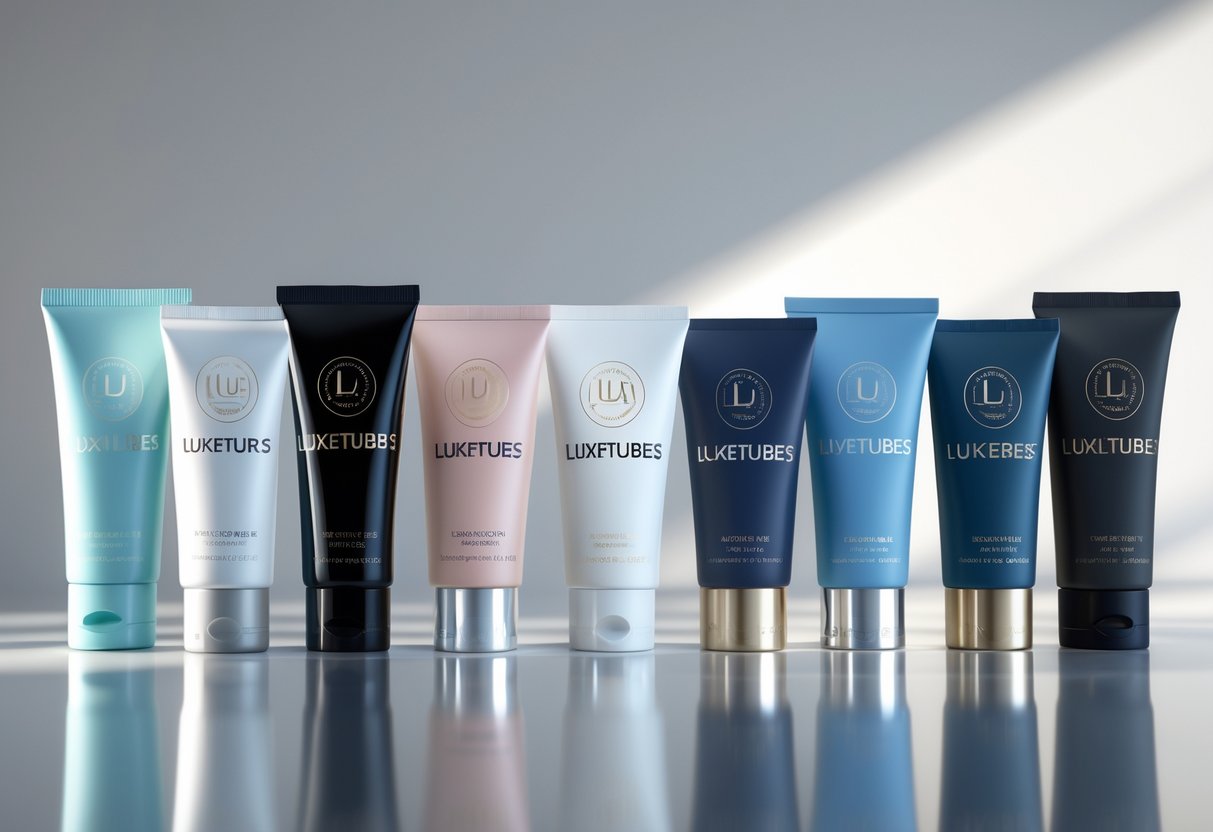
Η επιλογή υλικού σωλήνων δεν είναι απλώς ένα τεχνικό πράγμα - επηρεάζει το κόστος σας, πόσο καλά προστατεύεται το προϊόν σας και πόσο πράσινη είναι πραγματικά η συσκευασία σας. Κάθε πλαστικό φέρνει κάτι διαφορετικό στο τραπέζι: ευελιξία, χημική αντοχή, αντοχή φραγμού, ανακυκλωσιμότητα. Είναι λίγο ταχυδακτυλουργική πράξη, ειλικρινά.
Καλλυντικά σωληνάρια PE εναντίον PP
Οι σωλήνες πολυαιθυλενίου (PE) είναι εύκαμπτοι και μαλακοί, γεγονός που τους καθιστά ιδανικούς για κρέμες και λοσιόν που πρέπει να συμπιέζονται εύκολα. Θα τα βρείτε σε μορφές LDPE, HDPE και μερικές φορές LLDPE. Είναι φιλικά προς τον προϋπολογισμό και αρκετά επιεικής κατά τη σφράγιση, γεγονός που βοηθά στην αποφυγή πονοκεφάλων στη γραμμή παραγωγής.
Οι σωλήνες πολυπροπυλενίου (PP), από την άλλη πλευρά, είναι αισθητά πιο άκαμπτοι και συχνά χρησιμοποιούνται για πιο εντυπωσιακά προϊόντα που θέλουν μια σταθερή, γυαλιστερή εμφάνιση. Διαχειρίζονται πιο παχιές φόρμουλες και κάνουν την εκτύπωση υψηλής ανάλυσης να εμφανίζεται, αλλά συνήθως πληρώνετε λίγο περισσότερο για PP από PE.
Περίπτωση χρήσης: Για τις καθημερινές ενυδατικές κρέμες, οι σωλήνες πολυαιθυλενίου κάνουν τα πράγματα απλά και οικονομικά. Εάν θέλετε έναν πολυτελή ορό ή μια φόρμουλα που χρειάζεται επιπλέον προστασία από το φως, το PP είναι ο καλύτερος τρόπος.
Ιδιότητες φραγμού & Χημική αντίσταση
Η αντοχή του φραγμού έχει σημασία εάν θέλετε να κρατήσετε το οξυγόνο, την υγρασία ή την υπεριώδη ακτινοβολία μακριά από τη φόρμουλα σας. Οι σωλήνες πολυαιθυλενίου είναι κατάλληλοι για τις περισσότερες κρέμες και τζελ, αλλά εάν το προϊόν σας είναι γεμάτο με ευαίσθητα ενεργά συστατικά, μπορεί να χρειαστείτε επιπλέον στρώματα ή πλαστικοποίηση.
Οι σωλήνες PP και τα πολυστρωματικά ελάσματα το ενισχύουν για προστασία από φραγμούς, κάτι που είναι βασικό για αντικείμενα όπως αντιοξειδωτικά ή αντηλιακά που μισούν το οξυγόνο και το φως. Η διάρκεια ζωής αυξάνεται με αυτά τα υλικά.
Όσον αφορά τη χημική αντοχή, το PE χειρίζεται τις περισσότερες φόρμουλες καλλυντικών σαν πρωταθλητής. Το PP είναι επίσης στερεό, ειδικά στο να εμποδίζει την υγρασία. Και τα δύο πλαστικά αντέχουν στα λάδια και τους διαλύτες, αλλά είναι έξυπνο να δοκιμάσετε τη συγκεκριμένη φόρμουλα με την επιλογή του σωλήνα σας πριν κάνετε all-in.
Ανακυκλωσιμότητα και Αειφορία
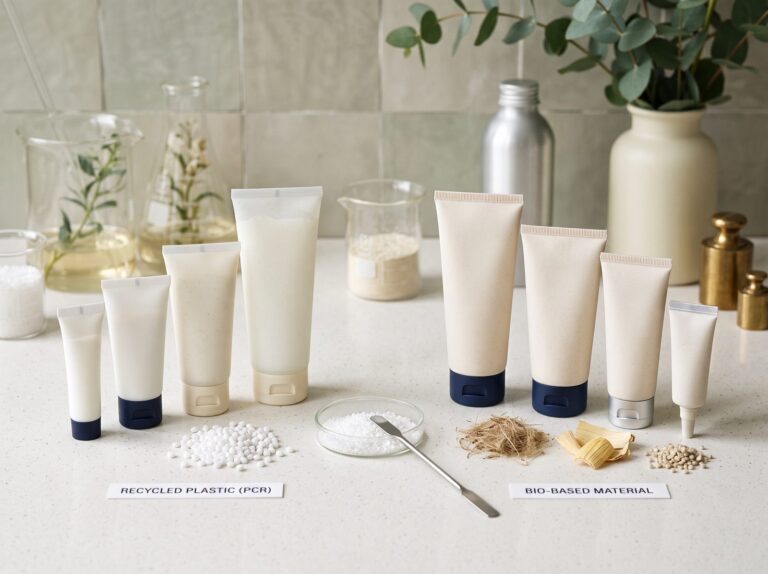
Οι σωλήνες πολυαιθυλενίου είναι συνήθως πιο εύκολο να ανακυκλωθούν—οι περισσότερες πόλεις τους αποδέχονται και υπάρχει μια αυξανόμενη τάση προς το ανακυκλωμένο PE μετά την κατανάλωση (PCR), το οποίο βοηθά στην οικολογική πιστοποίηση.
Οι σωλήνες PP μπορούν να ανακυκλωθούν αλλά δεν συλλέγονται τόσο ευρέως. Πολυστρωματικά ελάσματα; Αυτά είναι πιο δύσκολα, αλλά οι νέες επιλογές για ένα μόνο υλικό βελτιώνουν σιγά σιγά τα πράγματα για την ανακύκλωση.
Εάν η αειφορία είναι κορυφαία προτεραιότητα, οι σωλήνες πολυαιθυλενίου με περιεχόμενο PCR είναι ένα ασφαλέστερο στοίχημα για κυκλικότητα. Οι σωλήνες PP ή πολυστρωματικοί σωλήνες είναι συνήθως για μάρκες που χρειάζονται τις υψηλότερες ιδιότητες φραγμού και είναι πρόθυμοι να συμβιβαστούν στην ανακυκλωσιμότητα.
Μια συμβουλή: ελέγξτε τι πραγματικά χρειάζεται η τοπική σας ανακύκλωση και αν θέλετε να γίνετε πιο οικολογικοί, ζητήστε υλικά με πιστοποίηση PCR. Θα σας βοηθήσει να πετύχετε αυτούς τους στόχους βιωσιμότητας χωρίς να ρίξετε τον προϋπολογισμό ή τα ελάχιστα παραγγελίες.
Εκτύπωση, επισήμανση και προσαρμογή
Οι καλλυντικοί σωλήνες πολυαιθυλενίου είναι κάπως κενός καμβάς όταν πρόκειται για την επωνυμία. Υπάρχουν πολλοί τρόποι για να αποτύπωμα, ετικέτα και στολίστε τα, και οι επιλογές σας θα επηρεάσουν όχι μόνο την εμφάνιση του προϊόντος σας αλλά και το ποσό που πληρώνετε και τον χρόνο που χρειάζεται για να λάβετε την παραγγελία σας.
Τεχνικές εκτύπωσης όφσετ
Η εκτύπωση όφσετ είναι αγαπημένη για τους σωλήνες πολυαιθυλενίου, ειδικά αν χρειάζεστε καθαρά, πολύχρωμα σχέδια. Λειτουργεί μεταφέροντας μελάνι από ένα πιάτο σε μια λαστιχένια κουβέρτα και μετά στο σωλήνα. Λαμβάνετε ευκρινείς εικόνες και ομαλές διαβαθμίσεις, που φαίνονται υπέροχα στα ράφια.
Ωστόσο, είναι πιο οικονομικά αποδοτικό σε υψηλότερους όγκους - η ρύθμιση δεν είναι φθηνή και υπάρχουν ελάχιστες ποσότητες παραγγελιών που πρέπει να ληφθούν υπόψη. Εάν η επωνυμία σας είναι πολύχρωμη ή λεπτομερής, η εκτύπωση όφσετ είναι πιθανώς ο καλύτερος τρόπος. Απλώς έχετε κατά νου, είναι καλύτερο σε λείες επιφάνειες πολυαιθυλενίου.
Hot Stamping και Labeling
Η θερμή στάμπα προσθέτει μια πινελιά κορυφαίας ποιότητας πιέζοντας μεταλλικό ή χρωματισμένο φύλλο πάνω στο σωλήνα χρησιμοποιώντας θερμότητα και πίεση. Είναι ένας ωραίος τρόπος να κάνετε λογότυπα ή επωνυμίες να εμφανίζονται και συνδυάζεται καλά με άλλες εκτυπώσεις για ένα πολυεπίπεδο εφέ.
Η επισήμανση έχει να κάνει περισσότερο με την ευελιξία - χτυπάτε ένα προεκτυπωμένο αυτοκόλλητο ή μαζεύετε το μανίκι στο σωληνάριο. Είναι γρήγορο και καλό για μικρές διαδρομές ή συχνές αλλαγές σχεδίασης, αλλά προσθέτει κόστος και μπορεί να κάνει την ανακύκλωση πιο δύσκολη.
Αν σας αρέσει η premium ατμόσφαιρα, το hot stamping είναι μια σταθερή επιλογή. Για μικρές παρτίδες ή πολλές παραλλαγές, η επισήμανση είναι βολική. Οι χρόνοι παράδοσης μπορεί να ποικίλλουν: η σφράγιση χρειάζεται εργαλεία, η επισήμανση είναι συνήθως ταχύτερη για τα δείγματα.
Επιλογές διακόσμησης συσκευασίας
Υπάρχουν περισσότερα στην προσαρμογή από την απλή εκτύπωση. Μπορείτε να προσθέσετε ματ, γυαλιστερό ή απαλό φινίρισμα ή να πάτε για μεταξοτυπία και ανάγλυφο για επιπλέον υφή. Αυτές οι πινελιές αλλάζουν όχι μόνο την εμφάνιση αλλά και την αίσθηση του σωλήνα στο χέρι.
Τα ματ φινιρίσματα είναι μεγάλα στη φυσική περιποίηση της επιδερμίδας, ενώ οι γυαλιστερές επιφάνειες τραβούν τα βλέμματα για προϊόντα που προσανατολίζονται στη νεολαία. Το φινίρισμα που επιλέγετε μπορεί ακόμη και να επηρεάσει την ανθεκτικότητα της εκτύπωσης ή τον τρόπο με τον οποίο οι καταναλωτές κρίνουν την ποιότητα. Προσαρμόζοντας τη διάμετρο, το χρώμα και το στυλ του σωλήνα και, στη συνέχεια, στρώνετε στην εκτύπωση και το φινίρισμα που έχετε επιλέξει, σας δίνει μεγάλη ελευθερία να δημιουργήσετε κάτι που ξεχωρίζει, ακόμα κι αν εργάζεστε με περιορισμένο προϋπολογισμό ή χρονοδιάγραμμα.
Ποιότητα, Πρότυπα και Συμμόρφωση
Οι καλλυντικοί σωλήνες πολυαιθυλενίου πρέπει να χτυπήσουν ένα σωρό ποιότητα και σήματα ασφαλείας για να διατηρούνται ασφαλείς τόσο το προϊόν όσο και ο χρήστης. Οι κατασκευαστές χρειάζονται σταθερή διαχείριση ποιότητας και τακτικές δοκιμές για να βεβαιωθούν ότι κάθε σωλήνας λειτουργεί πραγματικά στον πραγματικό κόσμο - όχι μόνο στο εργαστήριο.
ISO 9001 σε Συσκευασίες Καλλυντικών
Το ISO 9001 θέτει μια βάση για τα συστήματα διαχείρισης ποιότητας (QMS) στις συσκευασίες καλλυντικών, συμπεριλαμβανομένων των σωλήνων πολυαιθυλενίου. Οι κατασκευαστές πρέπει να τεκμηριώσουν τις διαδικασίες τους και να βρουν τρόπους να συνεχίσουν να βελτιώνουν τον τρόπο με τον οποίο κάνουν τα πράγματα. Πάρτε τα Luxetubes, για παράδειγμα—χρησιμοποιούν το ISO 9001 για να παρακολουθούν την ποιότητα των πρώτων υλών και να διασφαλίζουν ότι ο εξοπλισμός τους είναι έτοιμος πριν ξεκινήσουν την παραγωγή.
Αυτό το πρότυπο βοηθά στη μείωση των πονοκεφάλων όπως μόλυνση ή διαρροές που θα μπορούσαν να καταστρέψουν μια παρτίδα καλλυντικών. Μπορεί επίσης να διατηρήσει τα έργα σε κίνηση, μειώνοντας την ανάγκη για εκ νέου εργασία. Για τους αγοραστές, η συνεργασία με προμηθευτές πιστοποιημένους κατά ISO 9001 συνήθως σημαίνει λιγότερες εκπλήξεις—τα προϊόντα είναι πιο συνεπή και οι πιθανότητες ανάκλησης ή καθυστερημένης αποστολής πέφτουν.
Βασικά σημεία:
- Τεκμηρίωση όλων των παραγωγικών διαδικασιών
- Συνεχής παρακολούθηση και βελτίωση
- Μείωση κινδύνου για μόλυνση και αστοχία του προϊόντος
- Πιο προβλέψιμα χρονοδιαγράμματα παράδοσης
Δοκιμή κλειδιών και τεκμηρίωση
Η δοκιμή είναι αυτή που διασφαλίζει ότι οι σωλήνες πολυαιθυλενίου κάνουν όντως αυτό που υποτίθεται ότι πρέπει να κάνουν πριν φύγουν από το εργοστάσιο. Οι τυπικές δοκιμές περιλαμβάνουν:
- Συμβατότητα υλικού: Εξετάζει πώς αντέχει το σωληνάριο σε κρέμες, λοσιόν ή διαλύτες.
- Δυνατότητα συμπίεσης και ακεραιότητα σφράγισης: Ελέγχει εάν ο σωλήνας διανέμεται καλά και δεν έχει διαρροή.
- Περιβαλλοντικό στρες: Δοκιμάζει πώς ο σωλήνας χειρίζεται διαφορετικές θερμοκρασίες και υγρασία.
Από την πλευρά της γραφειοκρατίας, συνήθως θα δείτε πράγματα όπως πιστοποιητικά ανάλυσης (CoA), ιχνηλασιμότητα παρτίδας και δηλώσεις συμμόρφωσης για τους κανόνες του FDA ή της ΕΕ. Έχοντας αυτό στο χέρι βοηθάει όλους να κοιμούνται λίγο καλύτερα—δείχνει ότι το προϊόν επιλέγει τα σωστά πλαίσια τόσο για τις προδιαγραφές όσο και για τους κανονισμούς.
Είναι έξυπνο για τους αγοραστές να ζητούν αναφορές δοκιμών και σχετικές πιστοποιήσεις τρίτων από την αρχή. Με αυτόν τον τρόπο, ξέρετε τι παίρνετε και αποφεύγετε τους πονοκεφάλους της τελευταίας στιγμής στα σύνορα ή κατά τη διάρκεια της παραγωγής. Τα δεδομένα δοκιμών μπορούν επίσης να βοηθήσουν στον προϋπολογισμό και στη λήψη αποφάσεων για MOQ, καθώς η υψηλότερη ποιότητα μπορεί να σημαίνει υψηλότερο κόστος.
Λίστα ελέγχου για επαλήθευση ποιότητας:
| Τύπος δοκιμής | Σκοπός | Όφελος αγοραστή |
|---|---|---|
| Συμβατότητα υλικού | Αποτρέψτε τη διάσπαση της φόρμουλας | Σταθερότητα προϊόντος |
| Δυνατότητα συμπίεσης | Εξασφαλίστε ακριβή διανομή | Εμπειρία χρήστη |
| Ακεραιότητα σφραγίδας | Αποφύγετε διαρροές και μόλυνση | Παράταση διάρκειας ζωής |
| Περιβαλλοντικό στρες | Επιβεβαιώστε την ευρωστία | Ασφάλεια αποστολής |
Θέματα προμήθειας και αγορών
Κατά την προμήθεια καλλυντικών σωλήνων πολυαιθυλενίου, οι αγοραστές πάντα ταχυδακτυλουργούν το κόστος, το μέγεθος της παραγγελίας και το χρονοδιάγραμμα με την ποιότητα και την αξιοπιστία του προμηθευτή. Οι αποφάσεις σχετικά με τις ελάχιστες ποσότητες παραγγελιών (MOQ) και τους χρόνους παράδοσης μπορούν πραγματικά να διαμορφώσουν το απόθεμα και τις δαπάνες σας. Το να αφιερώνετε χρόνο για να ελέγξετε τους προμηθευτές και να εγκρίνετε δείγματα είναι το κλειδί εάν θέλετε το τελικό προϊόν να πληροί πραγματικά τα πρότυπά σας.
MOQ, Lead Times και Cost Drivers
Το MOQ για πλαστικούς σωλήνες πολυαιθυλενίου συνήθως κυμαίνεται μεταξύ 5.000 και 10.000 μονάδων, ανάλογα με το πόσο φανταχτερό θέλετε να αποκτήσετε και τι μπορεί να χειριστεί ο προμηθευτής. Τα υψηλότερα MOQ μειώνουν την τιμή ανά σωλήνα, αλλά θα χρειαστεί να δεσμεύσετε περισσότερα μετρητά εκ των προτέρων. Πρόσθετα όπως προσαρμοσμένα χρώματα ή ειδικές βαλβίδες; Αυτά πιέζουν τόσο το ελάχιστο όσο και την τιμή υψηλότερα.
| Είδος | Τυπικό εύρος | Τι το κινεί |
|---|---|---|
| MOQ | 5.000–10.000 τεμ (οθόνη/όφσετ). 1.000–5.000 τεμ (ψηφιακό) | Διαδικασία εκτύπωσης, μέτρηση χρωμάτων, τελειώματα |
| Χρόνος ανοχής | 18–30 ημέρες μετά την υπογραφή του έργου τέχνης | Εγκρίσεις χρωμάτων, εργαλεία, διακοπές |
| Κόστος μονάδας | LDPE ≈ MDPE ≤ HDPE (+0–10%) | Αγορά ρητίνης, φράγμα, τύπος καπακιού, φινίρισμα |
| Εργαλεία | Συχνά τυπικό? προσαρμοσμένο ώμο/στόμιο προαιρετικό | Ειδικά καπάκια, μοναδικά καλούπια |
Οι χρόνοι παράδοσης είναι παντού στον χάρτη—μερικές φορές είναι 4 εβδομάδες, μερικές φορές είναι 12. Εάν βιάζεστε, περιμένετε να πληρώσετε περισσότερα, ειδικά εάν χρειάζεστε μέρος της παραγγελίας που αποστέλλεται αεροπορικώς. Αξίζει να ξεκαθαρίσουμε τις λεπτομέρειες σχετικά με το μέγεθος του σωλήνα και το πάχος του τοιχώματος νωρίς για να κρατήσετε τα πράγματα σε κίνηση.
Το κόστος εκτινάσσεται ανάλογα με τις τιμές των πρώτων υλών (η ρητίνη PE μπορεί να είναι απρόβλεπτη), πόσο περίπλοκη είναι η εκτύπωση και εάν χρειάζεστε νέα εργαλεία. Θέλετε μεταλλικό φινίρισμα; Αυτό θα κοστίσει επιπλέον, αλλά μπορεί να βοηθήσει το προϊόν σας να ξεχωρίσει. Εάν προσέχετε τον προϋπολογισμό σας, τηρήστε τους βασικούς σωλήνες πολυαιθυλενίου από ένα μόνο υλικό με απλή εκτύπωση.
Έλεγχος προμηθευτή και δείγμα ροών εργασίας
Η επιλογή των προμηθευτών δεν έχει να κάνει μόνο με την τιμή — έχει να κάνει με τον έλεγχο των πιστοποιήσεών τους (σκεφτείτε το FDA, το REACH) και τη διασφάλιση ότι όντως ακολουθούν συστήματα ποιότητας όπως το ISO 9001. Να ζητάτε πάντα αυτά τα πιστοποιητικά και να ελέγχετε ότι επιτρέπεται να αποστέλλονται στη χώρα σας, ειδικά εάν αντιμετωπίζετε αυστηρότερες αγορές.
Η παραγγελία δειγμάτων εκ των προτέρων είναι απαραίτητη. Θέλετε να δείτε πόσο εύκαμπτοι είναι πραγματικά οι σωλήνες, αν οι σφραγίδες αντέχουν και αν η εκτύπωση φαίνεται τόσο καλή όσο υποσχέθηκε. Οι περισσότεροι άνθρωποι δεν θα υπογράψουν μια μεγάλη παραγγελία μέχρι να κρατήσουν τα δείγματα στα χέρια τους. Και μην ξεχάσετε να ρωτήσετε για το πώς ταιριάζουν οι σωλήνες με τη γραμμή πλήρωσης και τα πώματα - διαφορετικά, μπορεί να καταλήξετε με πονοκέφαλο αργότερα.
Είναι έξυπνο να έχετε μια διαδικασία έγκρισης δείγματος με σαφή σημεία ελέγχου. Εάν, ας πούμε, μια δοκιμή σφραγίδας δεν περάσει, η εκτόξευση σας θα μπορούσε να απωθηθεί. Το πόσο γρήγορα ανταποκρίνεται ο προμηθευτής κατά τη διάρκεια αυτής της επιστροφής σας λέει πολλά για το πώς θα είναι η μακροπρόθεσμη συνεργασία μαζί του.
FAQ
Q1. Είναι ανακυκλώσιμος ένας σωλήνας μονο-PE;
Ναι — όταν το σωλήνας + ώμος + καπάκι είναι κυρίως PE και οι διακοσμήσεις είναι απλοποιημένες. Η τοπική υποδομή ποικίλλει—προτιμήστε καλύμματα πολυαιθυλενίου και ετικέτες απορρόφησης.
Ε2. Χρειάζομαι φράγμα EVOH;
Εάν τα ενεργά συστατικά οξειδώνονται ή η διατήρηση του αρώματος έχει σημασία, Ναί (PE/EVOH/PE). Διαφορετικά, το καθαρό PE λειτουργεί για πολλές λοσιόν/κρέμες και περιποίηση μαλλιών.
Ε3. Ποια ρητίνη δίνει την πιο απαλή πίεση;
LDPE. Το MDPE είναι ισορροπημένο. Το HDPE είναι το πιο σταθερό και πιο ανθεκτικό στα γρατσουνίσματα.
Ε4. Τι μέγεθος στομίου να επιλέξω;
Ταίριασμα ιξώδους & δόση: πιο πλούσιες κρέμες → μεγαλύτερο στόμιο; οροί/τζελ → μικρότερος. Πάντα να δοκιμάζετε με γεμάτα δείγματα για καθαρή αποκοπή.
Q5. Τι είναι ένα ρεαλιστικό MOQ και χρόνος παράδοσης;
5.000–10.000 τεμ (οθόνη/μετατόπιση) με 18-30 ημέρες μετά την έγκριση του έργου τέχνης. Οι ψηφιακές βραχείες μπορεί να είναι χαμηλότεροι MOQ και πιο γρήγοροι στην εκκίνηση.