
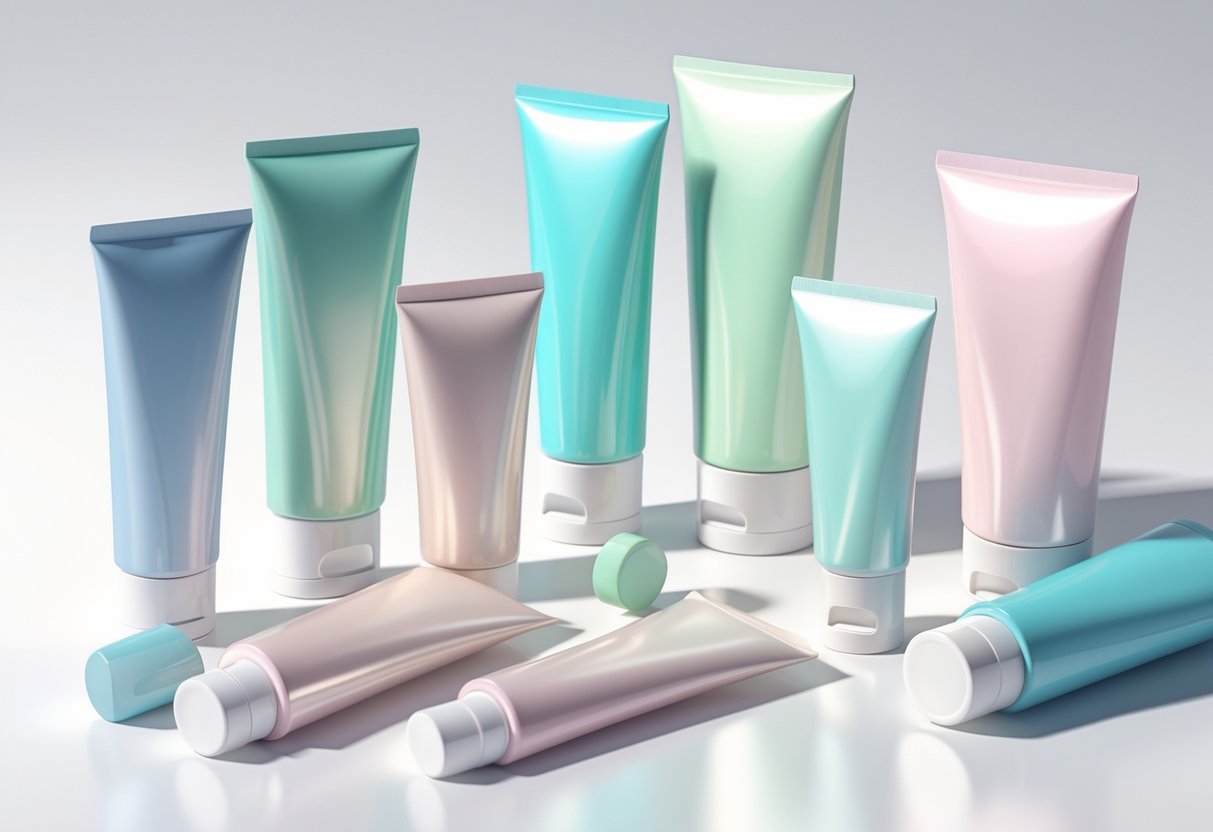
Οι σωλήνες laminate είναι μια πρώτη επιλογή για συσκευασία προσωπικής φροντίδας. Δεν προστατεύουν μόνο ό,τι υπάρχει μέσα - φαίνονται αιχμηρά και στο ράφι. Με τον συνδυασμό αντοχής, υγιεινής και ευελιξίας σχεδιασμού, διατηρούν τα προϊόντα ασφαλή και αφήνουν τις επωνυμίες να γίνουν δημιουργικές.
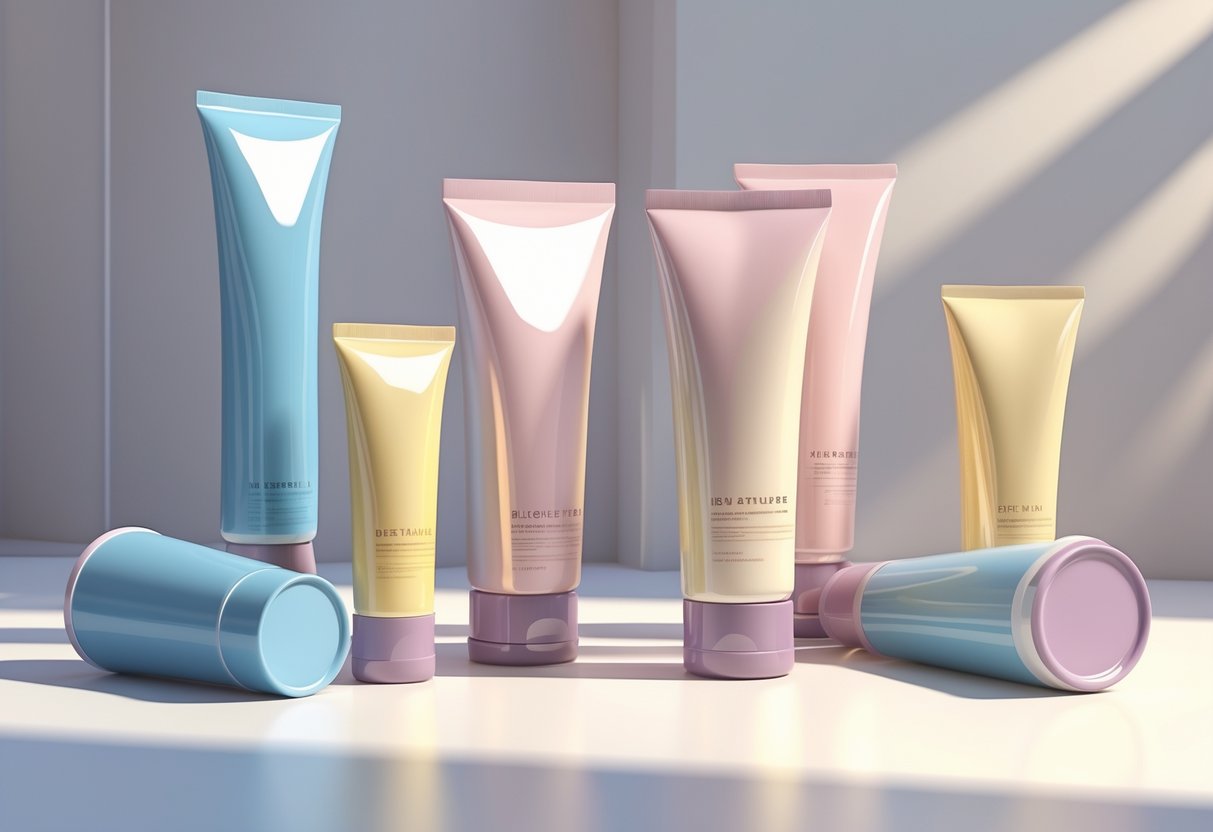
θα βρεις λαμινέ σωλήνες παντού για κρέμες, λοσιόνκαι τζελ που πρέπει να μείνουν μακριά από τον αέρα, την υγρασία και το φως. Η πολυεπίπεδη δομή τους βοηθά τα προϊόντα να διαρκούν περισσότερο και δίνει στις μάρκες άφθονο χώρο για εντυπωσιακή διακόσμηση.
Αυτές τις μέρες, οι σωλήνες laminate διατίθενται σε ανακυκλώσιμα και βιολογικά υλικά, κάτι που είναι ένα μεγάλο πλεονέκτημα για τις μάρκες που στοχεύουν στη βιωσιμότητα. Αυτός ο συνδυασμός απόδοσης, προσαρμογής και φιλικότητα προς το περιβάλλον τα καθιστά δύσκολο να νικηθούν σε συσκευασίες προσωπικής φροντίδας.
Σωλήνες Laminate σε Συσκευασία Προσωπικής Φροντίδας
Οι σωλήνες laminate συνδυάζουν την αντοχή, τις επιλογές σχεδίασης και την προστασία, γι' αυτό είναι τόσο διαδεδομένοι στην περιποίηση του δέρματος και στα καλλυντικά. Βοηθούν να διατηρηθούν τα προϊόντα φρέσκα, προσφέρουν δυνατότητες φιλικές προς το περιβάλλον και αφήνουν τις επωνυμίες να προσφέρουν στυλ και λειτουργικότητα.
Βασικά πλεονεκτήματα για προϊόντα προσωπικής φροντίδας
Αυτοί οι σωλήνες προστατεύουν τις φόρμουλες από τον αέρα, την υγρασία και το φως—έτσι η αίσθηση, το άρωμα και η δύναμη των κρεμών, των τζελ και των λοσιόν κολλάνε. Η πολυστρωματική κατασκευή, συχνά με αλουμίνιο ή πλαστικά φράγματα, παρέχει σταθερή προστασία χωρίς να κάνει τους σωλήνες ογκώδεις.
Είναι επίσης εξαιρετικά για την επωνυμία. Οι μάρκες μπορούν να επιλέξουν γυαλιστερά, ματ ή μεταλλικά φινιρίσματα για γυαλιστερή εμφάνιση. Οι σωλήνες αισθάνονται λείοι, συμπιέζονται εύκολα και αναπηδούν ξανά στο σχήμα τους.
Από πλευράς παραγωγής, οι σωλήνες laminate είναι ελαφροί και οικονομικά αποδοτικοί. Βοηθούν στη μείωση του κόστους αποστολής και δεν σπάνε ή διαρρέουν εύκολα. Περισσότεροι κατασκευαστές χρησιμοποιούν πλέον ανακυκλώσιμα ή βιολογικά υλικά, κάτι που ταιριάζει στην αυξανόμενη ώθηση για πιο πράσινες συσκευασίες.
| Χαρακτηριστικό | Οφελος |
|---|---|
| Προστασία φραγμού | Διατηρεί τα προϊόντα σταθερά και φρέσκα |
| Πυγμάχος ελαφρού βάρους | Ευκολότερος χειρισμός και χαμηλότερο κόστος μεταφοράς |
| Προσαρμοσμένη εκτύπωση | Ενισχύει την ταυτότητα της επωνυμίας |
| Ανακυκλώσιμες επιλογές | Υποστηρίζει τους στόχους βιωσιμότητας |
Τύποι Laminate Σωλήνες
Οι κύριοι τύποι που θα δείτε είναι ABL (Αλουμίνιο Barrier Laminate) και PBL (Plastic Barrier Laminate).
Σωλήνες ABL έχουν ένα λεπτό στρώμα αλουμινίου που κρατά έξω το οξυγόνο και το φως. Αποτελούν μια σταθερή επιλογή για προϊόντα που μπορούν να χαλάσουν εύκολα, όπως λευκαντικές κρέμες ή φαρμακευτικές αλοιφές.
Σωλήνες PBL παραλείψτε το αλουμίνιο και χρησιμοποιήστε πολλές πλαστικές στρώσεις. Πλήρως ανακυκλώσιμα, είναι κατάλληλα για φυσική ή οικολογική περιποίηση δέρματος. Οι σωλήνες PBL δίνουν επίσης στις μάρκες περισσότερη ελευθερία με χρώματα και σχέδια.
Υπάρχουν επίσης COEX ή συνεξωθημένους σωλήνες, οι οποίοι συγχωνεύουν τα στρώματα μεταξύ τους καθώς κατασκευάζονται για επιπλέον αντοχή. Αυτά προσφέρουν μια καλή ισορροπία μεταξύ απόδοσης και βιωσιμότητας, επιτρέποντας στις επωνυμίες να ελέγχουν το κόστος και το περιβαλλοντικό τους αποτύπωμα.
Κοινές Εφαρμογές στην Περιποίηση και την Ομορφιά
Οι σωλήνες laminate εμφανίζονται σε όλα τα είδη προϊόντων προσωπικής περιποίησης: κρέμες προσώπου, αντηλιακά, καθαριστικά και λοσιόν χεριών. Η λεία επιφάνεια και η εύκολη διανομή βοηθούν στην υγιεινή και περιορίζουν τα απόβλητα.
Θα τα βρείτε σε οδοντόκρεμα, θεραπείες μαλλιών, και BB κρέμες επίσης—βασικά οπουδήποτε θέλετε ακριβή δοσολογία και προστασία. Για παράδειγμα, προσαρμοσμένη συσκευασία σε σωλήνα κρέμας διατηρεί το branding συνεπές για σειρές περιποίησης δέρματος που χρειάζονται τόσο ανθεκτικότητα όσο και ευελιξία.
Στην ομορφιά και την περιποίηση του δέρματος, οι σωλήνες laminate είναι εύχρηστοι για μεγέθη ταξιδιού. Διατηρούν τα προϊόντα ασφαλή από μόλυνση και αναδίδουν μια καθαρή, επαγγελματική ατμόσφαιρα στο ράφι.
Barrier Properties και Material Innovation
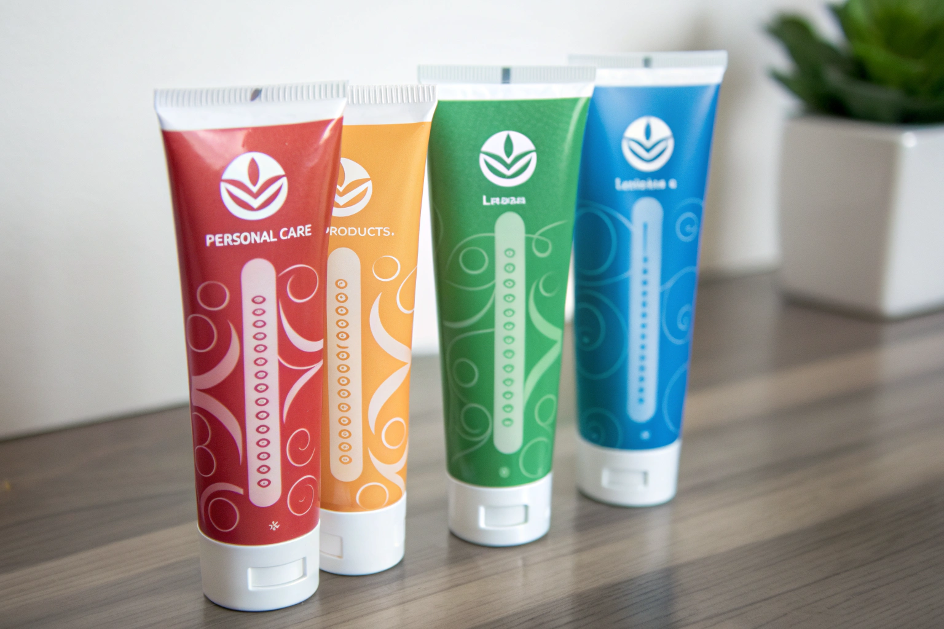
Τι πραγματικά έχει σημασία; Είναι ο τρόπος με τον οποίο οι σωλήνες laminate διατηρούν τα προϊόντα φρέσκα χρησιμοποιώντας προηγμένα στρώματα φραγμού και έξυπνες επιλογές υλικών. Ο τρόπος με τον οποίο αυτά τα στρώματα συνεργάζονται καθορίζει πόσο καλά η συσκευασία προστατεύει τις ευαίσθητες φόρμουλες από τον αέρα, την υγρασία και το φως.
Κατασκευή πολλαπλών στρωμάτων και στρώμα φραγμού
Οι σωλήνες laminate κατασκευάζονται από πολλά στρώματα ότι το καθένα κάνει μια δουλειά: το εξωτερικό για εκτύπωση, το μέσο για το μπλοκάρισμα αντικειμένων και το εσωτερικό για το άγγιγμα του προϊόντος.
Τα κοινά υλικά είναι πολυαιθυλένιο (PE), πολυπροπυλένιο (PP), και αιθυλενοβινυλική αλκοόλη (EVOH). Μερικές φορές, ένα λεπτό στρώμα αλουμινίου προστίθεται για επιπλέον άμυνα ενάντια στο οξυγόνο και το φως.
| Τύπος στρώματος | Λειτουργία | Παράδειγμα Υλικού |
|---|---|---|
| Εξωτερικός | Επιφάνεια εκτύπωσης, μηχανική αντοχή | PE ή PET |
| Εμπόδιο | Μπλοκάρει το οξυγόνο, την υγρασία και την υπεριώδη ακτινοβολία | Αλουμίνιο ή EVOH |
| Εσωτερικός | Επαφή προϊόντος, σφράγιση | PE ή PP |
Αυτή η δομή διατηρεί τα προϊόντα σταθερά, ενώ εξακολουθεί να επιτρέπει τολμηρά σχέδια και αξιόπιστη απόδοση από το ράφι μέχρι τον πάγκο του μπάνιου.
Προστασία από την υγρασία, το οξυγόνο και την υπεριώδη ακτινοβολία
Καλός ιδιότητες φραγμού είναι το κλειδί για να εμποδίσουν το οξυγόνο, τους υδρατμούς και το υπεριώδες φως να καταστρέψουν αυτό που υπάρχει μέσα. Το οξυγόνο μπορεί να διασπάσει ενεργά συστατικά όπως οι βιταμίνες, ενώ η υγρασία μπορεί να προκαλέσει προβλήματα στην υφή και να αφήσει τα μικρόβια να αναπτυχθούν.
Υλικά φραγμού όπως EVOH και αλουμινόχαρτο χαμηλώστε το ρυθμός μετάδοσης οξυγόνου (OTR) και Ρυθμός μετάδοσης υδρατμών (WVTR). Βασικά, κρατούν τα ανεπιθύμητα πράγματα έξω.
UV προστασία μετράει επίσης. Στρώματα αλουμινίου και Πρόσθετα που εμποδίζουν την υπεριώδη ακτινοβολία στα πλαστικά βοηθούν τα ευαίσθητα στο φως προϊόντα -σκεφτείτε τις κρέμες με ρετινόλη ή τα αντηλιακά- να λειτουργούν όπως θα έπρεπε. Όλα αυτά τα εμπόδια μαζί βοηθούν τα προϊόντα να διαρκέσουν περισσότερο και να παραμείνουν αποτελεσματικά.
Επιλογή Υλικών για Ευαίσθητες Συνθέσεις
Η επιλογή του σωστού υλικού εξαρτάται από το πόσο εύθραυστη είναι η φόρμουλα και ποιοι είναι οι στόχοι βιωσιμότητας. Για φυσικά ή χωρίς συντηρητικά προϊόντα, Plastic Barrier Laminate (PBL) σωλήνες με EVOH ολοκληρώστε τη δουλειά χωρίς αλουμίνιο.
Για μέγιστη προστασία, Laminate Barrier Aluminum (ABL) Οι σωλήνες εξακολουθούν να είναι το πρότυπο, αν και δεν είναι τόσο ανακυκλώσιμοι. Νέος σωλήνες μονού υλικού που κατασκευάζονται από πολυαιθυλένιο υψηλής πυκνότητας (HDPE) δημιουργούν κύματα—είναι πιο ανακυκλώσιμα και μπορούν να έχουν βελτιωμένες επικαλύψεις φραγμού.
Υπάρχει επίσης μια ώθηση για πλαστικά με βιολογική βάση και μεμβράνες επικαλυμμένες με πλάσμα για την ενίσχυση της προστασίας και τη μείωση των περιβαλλοντικών επιπτώσεων. Ειλικρινά, η εύρεση του γλυκού σημείου μεταξύ απόδοσης και βιωσιμότητας είναι αυτό που διαμορφώνει το μέλλον της συσκευασίας σωλήνων laminate.
Τεχνολογίες προσαρμογής, διακόσμησης και εκτύπωσης
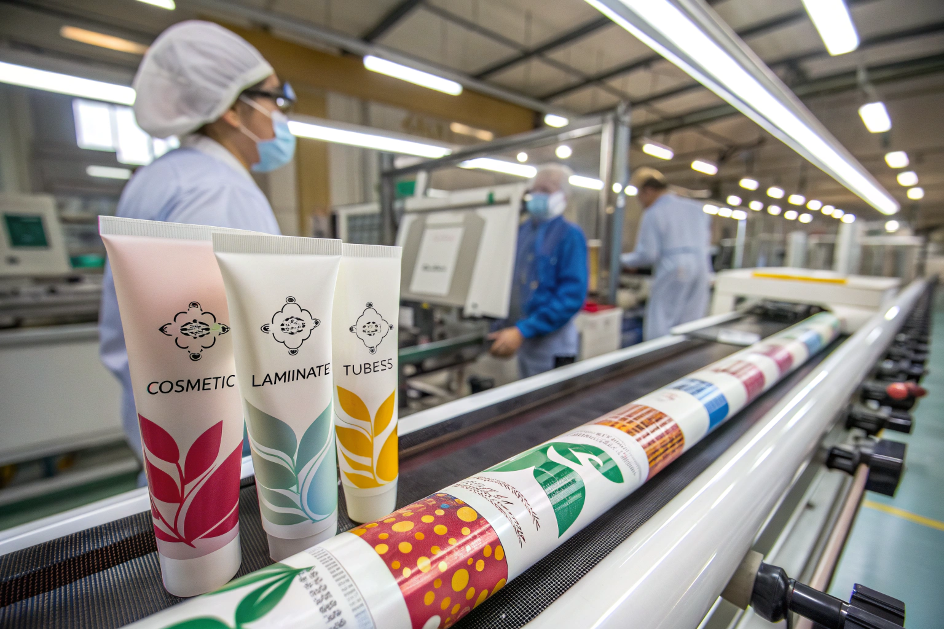
Το σημερινό εκτύπωση and decoration tech lets us make laminate tubes that not only protect products but also look fantastic. These tools boost visual quality, speed up production, and give brands more room to play with design.
Digital Printing Advantages
Digital printing means detailed graphics go straight onto tubes—no plates needed. It’s perfect for short runs, personalized details, και quick design tweaks, which is great for limited editions or seasonal releases.
Since there aren’t setup costs, you can easily make different versions. Digital printing handles high-res images, gradients, και photo-like visuals, so brands can keep their look consistent across the board.
Περιορίζει επίσης τη σπατάλη. Η εκτύπωση κατ' απαίτηση σημαίνει λιγότερα αποθέματα και υποστηρίζει την πιο πράσινη παραγωγή. Για τις μάρκες που τους αρέσει να αλλάζουν συχνά τις συσκευασίες τους, είναι μια έξυπνη, οικονομικά αποδοτική κίνηση.
Επιλογές σχεδίασης και επωνυμίας
Οι σωλήνες laminate έρχονται με φορτία επιλογές σχεδιασμού και επωνυμίας. Μπορείτε να τροποποιήσετε το σχήμα, μέγεθος, και φινίρισμα για να ταιριάζει με το εμπορικό σήμα και το προϊόν σας. Οι γυαλιστερές, ματ ή απαλές επικαλύψεις δίνουν το καθένα α μοναδική αίσθηση.
Μέθοδοι εκτύπωσης όπως μεταξοτυπία, καυτή στάμπα, και τιτλοφόρηση προσθέστε υφή και βάθος. Αυτά τονίζουν λογότυπα, ονόματα προϊόντων ή τόνους με μεταλλικά ή υπερυψωμένα εφέ.
Το έργο τέχνης τυλίγεται γύρω από το σωλήνα, έτσι η επωνυμία εμφανίζεται από κάθε γωνία. Αυτή η προσέγγιση 360 μοιρών ενισχύει πραγματικά την ελκυστικότητα των ραφιών και βοηθά τις επωνυμίες να ξεχωρίζουν.
Καινοτόμες τεχνικές διακόσμησης
Οι σύγχρονες τεχνικές διακόσμησης συνδυάζονται εμφάνιση και σκληρότητα. Η σφράγιση με αλουμινόχαρτο, η ανάγλυφη εκτύπωση και το βερνίκι σημείου δίνουν σωλήνες laminate a premium ατμόσφαιρα διατηρώντας παράλληλα το προϊόν ασφαλές.
Τα υβριδικά συστήματα εκτύπωσης —συνδυάζοντας ψηφιακό και παραδοσιακό— μας επιτρέπουν να γίνουμε δημιουργικοί με μοτίβα και λεπτές λεπτομέρειες, χωρίς να χάνουμε ακρίβεια.
Διακοσμητικά πρόσθετα όπως μεταλλικά φύλλα ή ολογραφικές μεμβράνες μπορούν να προστεθούν χωρίς να βλάψουν την ανακυκλωσιμότητα. Αυτές οι επιλογές βοηθούν τις επωνυμίες να επιδεικνύουν την ποιότητα και εξακολουθούν να πληρούν τα περιβαλλοντικά πρότυπα. Επιλέγοντας τα σωστά υλικά και φινιρίσματα, μπορούμε να δημιουργήσουμε συσκευασία που είναι κομψή και αξιόπιστη.
Βιωσιμότητα και μελλοντικές τάσεις στους σωλήνες Laminate
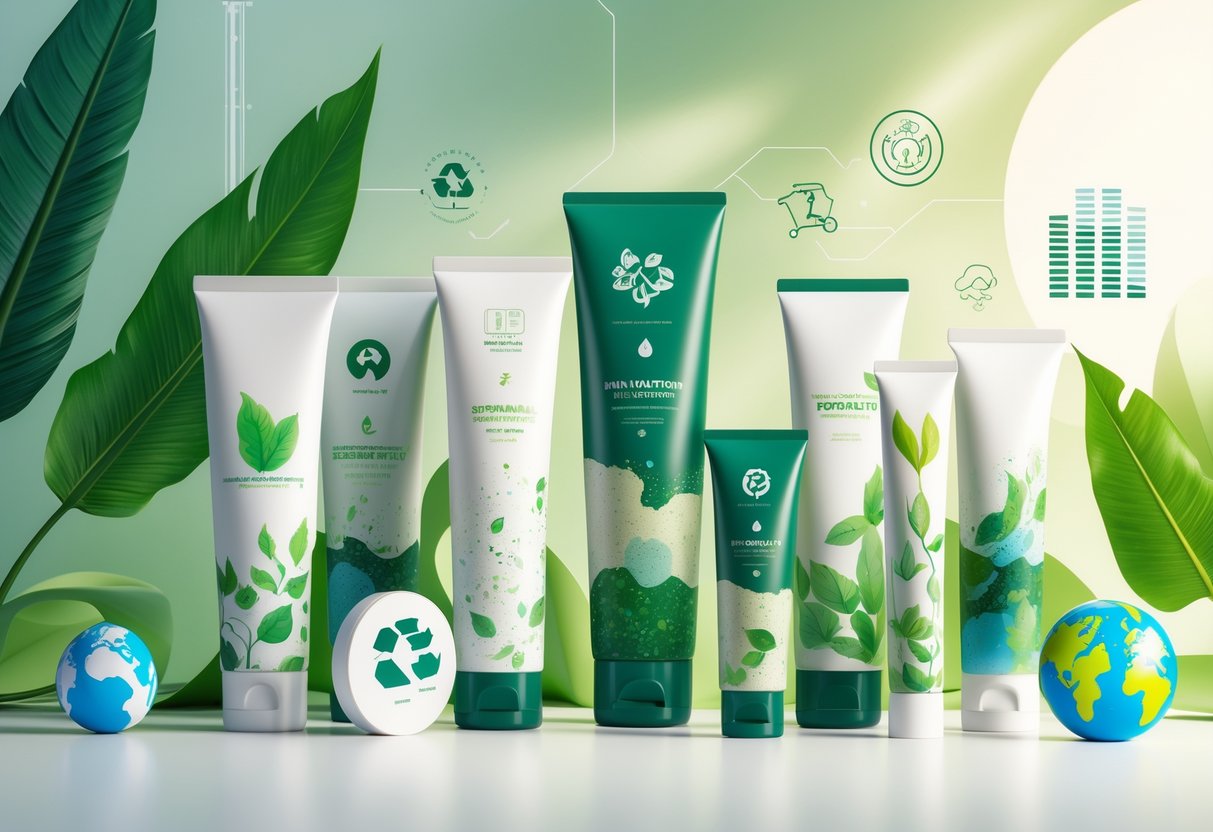
Υπάρχει μια πραγματική ώθηση τώρα για την κοπή πλαστικών απορριμμάτων και τη χρήση υλικών πιο αποτελεσματικά σε σωλήνες laminate. Η πρόοδος στα ανακυκλώσιμα ελάσματα και την αυτοματοποιημένη παραγωγή αλλάζουν τον τρόπο με τον οποίο σχεδιάζουμε τις συσκευασίες για να ανταποκρίνονται τόσο στις επιδόσεις όσο και στις περιβαλλοντικές ανάγκες.
Ανακυκλώσιμα και φιλικά προς το περιβάλλον υλικά
Απομακρυνόμαστε από τα παραδοσιακά πολυστρωματικά πολυστρωματικά φύλλα και κλίνουμε σε μονο-υλικό δομές—κυρίως πολυαιθυλένιο (PE) ή πολυπροπυλένιο (PP). Είναι πολύ πιο απλό να τα ανακυκλώσετε, καθώς δεν υπάρχει ακατάστατο μείγμα πλαστικών για τακτοποίηση.
Τώρα χρησιμοποιούνται περισσότεροι σωλήνες laminate ανακυκλωμένο μετά τον καταναλωτή (PCR) περιεχόμενο, το οποίο βοηθά στη μείωση του παρθένου πλαστικού, αλλά εξακολουθεί να διατηρεί τα πράγματα ισχυρά και προστατεύει το προϊόν μέσα. Μερικοί κατασκευαστές πειραματίζονται ακόμη και με πολυμερή βιολογικής βάσης φτιαγμένο από ζαχαροκάλαμο ή καλαμπόκι, το οποίο είναι πολύ ωραίο αν θέλετε να μειώσετε τις εκπομπές άνθρακα σε σύγκριση με τις συνηθισμένες ρητίνες με βάση τα ορυκτά.
| Τύπος υλικού | Βασικό όφελος | Κοινή χρήση |
|---|---|---|
| Μονοστρώμα PE | Ευκολότερη ανακύκλωση | Οδοντόκρεμες, κρέμες |
| PCR Laminate | Μειώνει το παρθένο πλαστικό | Περιποίηση δέρματος, τζελ |
| Πολυμερές βιολογικής βάσης | Χαμηλότερο αποτύπωμα άνθρακα | Φυσικές σειρές προϊόντων |
Με τους νέους κανόνες συσκευασίας που κυκλοφορούν, καταβάλλουμε περισσότερη προσπάθεια ελαφρύ και προσθέτοντας επισήμανση ανακυκλωσιμότητας ώστε οι άνθρωποι να ξέρουν τι να κάνουν με άδεια σωληνάρια. Δεν είναι τέλειο, αλλά αυτές οι τροποποιήσεις κάνουν τους σωλήνες laminate να ταιριάζουν καλύτερα σε μια κυκλική οικονομία.
Αναδυόμενες Τεχνολογίες στην Κατασκευή Σωλήνων
Αυτοματισμός και Έλεγχος ποιότητας με γνώμονα την AI ανακινούν τα πράγματα—περιορίζουν τα απόβλητα και μειώνουν τη χρήση ενέργειας ακριβώς στο πάτωμα του εργοστασίου. Με τους έξυπνους αισθητήρες να εντοπίζουν ελαττώματα νωρίς, υπάρχουν λιγότερα σκραπ και πολύ μεγαλύτερη συνέπεια σε ό,τι βγαίνει από την πόρτα.
Η ψηφιακή εκτύπωση προσελκύει πραγματικά τους σωλήνες laminate. Δεν χρειάζεται πλέον να μπλέκετε με ξεχωριστές ετικέτες και επιταχύνει την όλη διαδικασία. Οι μικρότεροι χρόνοι παράδοσης σημαίνουν ότι δεν χρειάζεται να αποθηκεύετε τόσα πολλά, επομένως οι μικρότερες παρτίδες έχουν πραγματικά νόημα τώρα.
Από την πλευρά των υλικών, καινοτομίες εξώθησης και επίστρωσης ενισχύουν την απόδοση φραγμού χωρίς να χρειάζονται αλουμίνιο, γεγονός που καθιστά την ανακύκλωση λιγότερο πονοκέφαλο. Κάποια μέρη έχουν ακόμη αλλάξει ανανεώσιμες πηγές ενέργειας και ψύξη κλειστού βρόχου για έλεγχο των εκπομπών.
