
Bei der Wahl zwischen Aluminiumtuben und Kunststofftuben kann Ihnen das Verständnis der wichtigsten Unterschiede Zeit und Geld sparen. Aluminiumrohre, die für ihre Haltbarkeit und Festigkeit bekannt sind, können erheblichem Druck standhalten, ohne sich zu verformen. Untersuchungen zeigen, dass Aluminiumrohre bei Belastung bestimmte plastische Verformungsmuster durchlaufen, was sie ideal für strukturelle Anwendungen macht, bei denen die Tragfähigkeit von entscheidender Bedeutung ist.
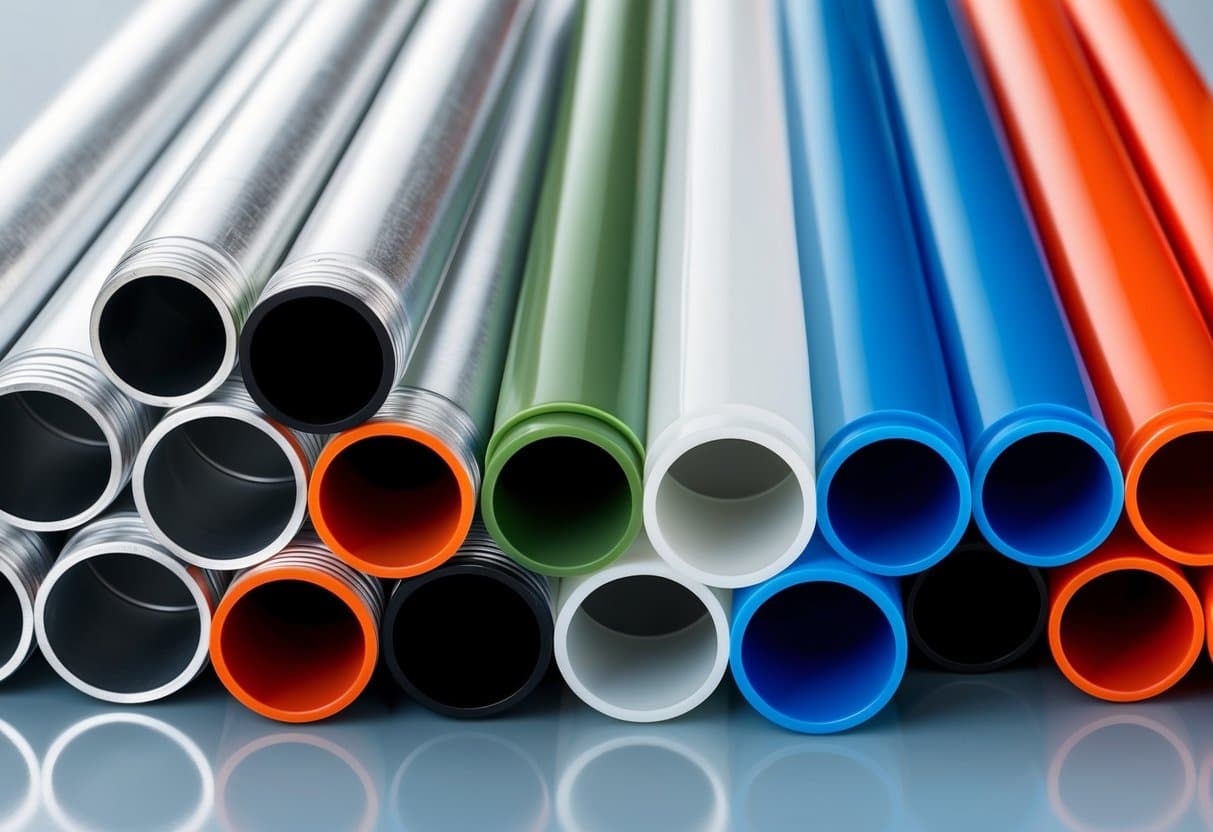
Sie fragen sich, welches Material für Ihr Projekt am besten geeignet ist? Kunststoffrohre bieten Flexibilität und chemische Beständigkeit, die Metallrohre nicht bieten können. Sie sind in der Regel auch leichter und kostengünstiger. Jedoch, Aluminiumrohre weisen eine hervorragende Energieabsorption auf unter Druck, was sie sicherer für Automobil- und Luft- und Raumfahrtanwendungen macht, bei denen es auf Schlagfestigkeit ankommt.
Auch Temperaturaspekte spielen bei Ihrer Entscheidung eine wichtige Rolle. Während sich Kunststoff bei extremer Hitze verformen oder schmelzen kann, behalten Aluminiumrohre ihre Integrität über einen größeren Temperaturbereich hinweg. Zum Beispiel, Handelsübliche Aluminiumrohre lassen sich effektiv mit anderen Metallen verbinden Durch verschiedene Schweißverfahren entstehen starke Verbindungen, die Kunststoff einfach nicht erreichen kann. Was ist Ihre Priorität – Gewicht, Stärke oder Kosten?
Materialübersicht
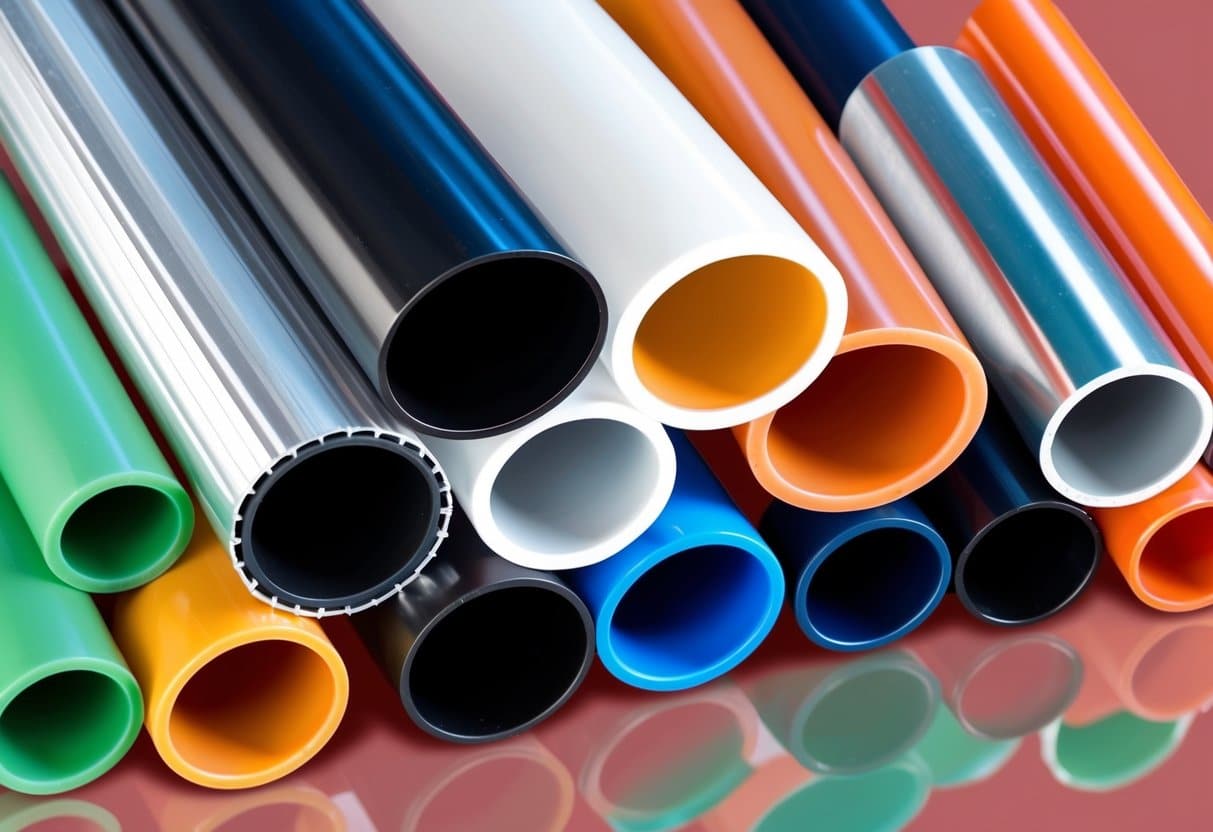
Bei der Auswahl von Rohren für verschiedene Anwendungen ist es entscheidend, die wesentlichen Unterschiede zwischen Aluminium- und Kunststoffoptionen zu verstehen. Beide Materialien bieten einzigartige Eigenschaften, die sich auf Leistung, Haltbarkeit und Umweltaspekte auswirken.
Aluminiumrohre
Aluminiumrohre sind bekannt für ihre ausgezeichnetes Verhältnis von Festigkeit zu Gewicht und überlegene Haltbarkeit. Diese Metallbehälter sorgen dafür hervorragender Barriereschutz gegen Feuchtigkeit, Licht und Sauerstoff und sind daher ideal für empfindliche Produkte.
Ein großer Vorteil von Aluminiumrohren ist ihre Wärmeleitfähigkeit. Sie eignen sich hervorragend für Kühlanwendungen, da sie die Wärme effizient vom Inhalt oder den umgebenden Systemen ableiten. Diese Eigenschaft macht sie perfekt für industrielle Anwendungen, bei denen das Temperaturmanagement von entscheidender Bedeutung ist.
Aluminium-Lippenstifttuben erfreuen sich in der Kosmetikindustrie aufgrund ihrer folgenden Eigenschaften großer Beliebtheit:
- Premium -Look und Feeling
- Recyclingfähigkeit (kann unbegrenzt recycelt werden)
- Fähigkeit, Formulierungen vor Abbau zu schützen
Der Herstellungsprozess von Aluminiumrohren ist häufig mit mehreren Schritten verbunden starke plastische Verformung, wodurch ultrafeinkörnige Strukturen erzeugt werden können, die die Materialeigenschaften verbessern. Dadurch entstehen Rohre mit verbesserter Festigkeit ohne nennenswertes Mehrgewicht.
Kunststoffrohre
Angebot an Kunststofftuben Vielseitigkeit und Wirtschaftlichkeit über zahlreiche Anwendungen hinweg. Es gibt sie in verschiedenen Polymertypen mit jeweils spezifischen Eigenschaften, die auf unterschiedliche Bedürfnisse und Inhalte zugeschnitten sind.
Das geringe Gewicht von Kunststofftuben macht sie ideal für:
- Reduzierung der Versandkosten
- Einfachere Handhabung durch Verbraucher
- Flexible Verpackungslösungen
Jüngste Fortschritte wurden eingeführt biologisch abbaubare Materialien bei der Herstellung von Kunststofftuben unter Berücksichtigung von Umweltbelangen. Diese umweltfreundlichen Alternativen zerfallen auf natürliche Weise und behalten während der vorgesehenen Nutzungsdauer die erforderlichen Leistungsmerkmale bei.
Viele Kunststofftuben sind damit ausgestattet mehrschichtiger Aufbau um den Barriereschutz gegen Sauerstoff, Feuchtigkeit und Licht zu verbessern. Allerdings erreichen sie in der Regel nicht die vollständigen Barriereeigenschaften von Aluminium, insbesondere bei hochempfindlichen Produkten.
Kunststoffoptionen bieten in der Regel eine größere Designflexibilität und ermöglichen transparente Abschnitte, verschiedene Formen sowie eine große Auswahl an Farben und Dekorationstechniken, die den modernen Verpackungsanforderungen gerecht werden.
Vor- und Nachteile
Sowohl Aluminium- als auch Kunststoffrohre bieten einzigartige Vorteile und Einschränkungen, die sich auf ihre Eignung für verschiedene Anwendungen auswirken. Die Wahl zwischen diesen Materialien beeinflusst alles vom Produktschutz bis hin zur Umweltbelastung.
Vorteile von Aluminiumrohren
Aluminiumrohre sorgen dafür hervorragender Barriereschutz gegen Feuchtigkeit, Licht und Sauerstoff und sind daher ideal für empfindliche Produkte wie Medikamente und bestimmte Kosmetika. Dieser hervorragende Schutz trägt dazu bei, die Haltbarkeit erheblich zu verlängern.
Haltbarkeit ist ein entscheidender Vorteil von Aluminiumrohren. Sie widerstehen Durchstichen und behalten ihre Form gut, auch wenn sie wiederholt zusammengedrückt werden. Dadurch eignen sie sich perfekt für Produkte, die langfristig gelagert werden müssen.
Aluminiumrohre bieten hervorragende Ergebnisse TemperaturbeständigkeitDadurch sind sie sowohl für heiße als auch für kalte Produkte geeignet. Sie können ihren Inhalt effektiv kühlen im gekühlten Zustand, was für bestimmte Medikamente und kosmetische Formulierungen nützlich ist.
Der Premium-Gefühl von Aluminiumverpackungen erhöhen den wahrgenommenen Wert von Produkten. Viele High-End-Marken entscheiden sich Lippenstifthülsen aus Aluminium gegenüber Kunststoffalternativen, um den Verbrauchern Qualität und Luxus zu vermitteln.
Recyclabalität ist ein weiterer wesentlicher Vorteil. Aluminium kann unbegrenzt ohne Qualitätsverlust recycelt werden, was es auf lange Sicht zu einer nachhaltigeren Option macht.
Nachteile von Aluminiumrohren
Der höhere Produktionskosten Der größte Nachteil besteht in der Verwendung von Aluminiumrohren. Sie kosten in der Regel 30–50 % mehr als gleichwertige Kunststofftuben, was sich erheblich auf die Gewinnspanne der Hersteller auswirken kann.
Komplexität der Fertigung stellt eine weitere Herausforderung dar. Aluminiumrohre erfordern für die Herstellung spezielle Geräte und mehr Energie als Kunststoffalternativen. Dies schränkt die Produktionsflexibilität ein und erhöht die Durchlaufzeiten.
Überlegungen zum Gewicht kann nicht ignoriert werden. Aluminiumtuben sind schwerer als Kunststofftuben, was die Versandkosten und den CO2-Fußabdruck beim Transport erhöht.
es gibt auch Kompatibilitätsprobleme mit bestimmten Produktformulierungen. Aluminium kann mit sauren oder stark basischen Produkten reagieren, was schützende Innenbeschichtungen erfordert, die die Herstellung komplexer und teurer machen.
Begrenzte Designflexibilität ist eine weitere Einschränkung. Aluminiumtuben bieten im Vergleich zu Kunststofftuben weniger Möglichkeiten für kreative Formen und dekorative Elemente, was die Branding-Möglichkeiten einschränkt.
Vorteile von Kunststoffrohren
Kosteneffizienz ist der Hauptvorteil von Kunststofftuben. Sie sind deutlich günstiger in der Herstellung als Aluminiumalternativen und eignen sich daher ideal für preisbewusste Produkte und Marken.
Designvielfalt verschafft Kunststofftuben einen Vorsprung im Marketing. Das können sie sein hergestellt in verschiedenen Formen, Farben und Transparenzen, was kreativere Branding-Optionen ermöglicht.
Geringeres Gewicht reduziert die Versandkosten und CO2-Emissionen während des Transports. Dies macht Kunststofftuben in der Vertriebsphase wirtschaftlicher und potenziell umweltfreundlicher.
Flexibilität in der Produktion ermöglicht es Herstellern, schnelle Designänderungen vorzunehmen und kleinere Chargen wirtschaftlich zu produzieren. Dadurch eignen sich Kunststofftuben perfekt für saisonale Produkte oder limitierte Auflagen.
Jüngste Fortschritte in biologisch abbaubare Materialien haben einige Umweltbedenken angesprochen. Viele Marken bieten mittlerweile an Lippenstifttuben aus Kunststoff Hergestellt aus recycelten oder pflanzlichen Materialien, die sich leichter zersetzen als herkömmliche Kunststoffe.
Nachteile von Kunststoffrohren
Umweltauswirkungen bleibt die größte Sorge bei Kunststofftuben. Die Zersetzung der meisten herkömmlichen Kunststofftuben dauert Hunderte von Jahren und trägt erheblich zur Umweltverschmutzung bei.
Minderwertiger Barriereschutz Im Vergleich zu Aluminium bedeutet Kunststoffrohre ist möglicherweise nicht für Produkte geeignet, die maximalen Schutz erfordern durch Sauerstoff, Licht oder Feuchtigkeit. Dies kann die Haltbarkeit empfindlicher Formulierungen einschränken.
Probleme mit der Durchlässigkeit Bei bestimmten Kunststofftuben kann es vorkommen, dass Luft nach und nach eindringt und mit der Zeit möglicherweise die Produktqualität beeinträchtigt. Besonders problematisch ist dies bei Naturprodukten ohne Konservierungsstoffe.
Bildüberlegungen Auswirkungen auf Premiummarken, die Kunststoffverpackungen verwenden. Trotz Verbesserungen bei der Kunststoffqualität assoziieren viele Verbraucher Kunststofftuben immer noch mit minderwertigen Produkten.
Temperaturempfindlichkeit schränkt die Nutzung für bestimmte Anwendungen ein. Viele Kunststofftuben können den extremen Temperaturen während der Verarbeitung oder Lagerung nicht standhalten, was ihre Vielseitigkeit im Vergleich zu Aluminiumalternativen einschränkt.
Verwendung in der Industrie

Sowohl Aluminium- als auch Kunststoffrohre spielen in zahlreichen Branchen eine entscheidende Rolle. Die Wahl zwischen diesen Materialien hängt häufig von spezifischen Produktanforderungen, Kostenüberlegungen und Nachhaltigkeitszielen ab.
Kosmetikindustrie
Die Kosmetikindustrie ist bei der Verpackung verschiedener Produkte stark auf Aluminium- und Kunststofftuben angewiesen. Aluminiumrohre werden aufgrund ihrer erstklassigen Optik und Haptik bevorzugt für hochwertige Kosmetika verwendet.
Vergleich der Lippenstiftverpackungen:
| Besonderheit | Lippenstifthülsen aus Aluminium | Lippenstifthülsen aus Kunststoff |
|---|---|---|
| Haltbarkeit | Hohe Widerstandsfähigkeit gegen Beschädigungen | Mäßig, kann reißen |
| Ästhetik | Luxuriöses Metallic-Finish | Verschiedene Ausführungen und Farben |
| Kosten | Höhere Produktionskosten | Sparsamer |
| Gewicht | Schwereres, solides Gefühl | Geringeres Gewicht |
Aluminium-Lippenstifttuben bieten hervorragende Barriereeigenschaften und schützen empfindliche Formulierungen vor Licht und Luft. Sie lassen sich leicht mit Prägungen oder Bedruckungen verzieren und eignen sich daher ideal für Luxusmarken.
Lippenstifttuben aus Kunststoff dominieren aufgrund ihrer Kosteneffizienz und Vielseitigkeit das Massenmarktsegment. Sie sind in transparenter Ausführung erhältlich, sodass Verbraucher das Produkt im Inneren sehen können – Eine Eigenschaft, die Aluminium nicht bieten kann.
Pharmazeutische Industrie
In Arzneimitteln spielen beide Materialien bei unterschiedlichen Anwendungen eine wichtige Rolle. Zusammenklappbare Aluminiumrohre werden aufgrund ihrer hervorragenden Barriereeigenschaften häufig für Salben und Cremes verwendet.
Hauptvorteile von Aluminium in Arzneimitteln:
- Verhindert Produktverunreinigungen
- Verlängert die Haltbarkeit erheblich
- Bietet manipulationssichere Funktionen
- Behält die Produktintegrität trotz häufiger Handhabung bei
Für weniger empfindliche Medikamente erfreuen sich Kunststofftuben, insbesondere aus Polyethylen und Polypropylen, zunehmender Beliebtheit. Sie sind leichter, kostengünstiger und einfacher zu drücken – Wichtige Überlegungen für Patienten mit eingeschränkter Handkraft.
Viele Pharmaunternehmen verwenden mittlerweile laminierte Tuben, die Aluminium- und Kunststoffschichten kombinieren. Dieser Hybridansatz maximiert die Barriereeigenschaften und minimiert gleichzeitig Gewicht und Materialkosten.
Konsumgüter
Der Konsumgüterbereich, insbesondere Körperpflegeprodukte, stellt für beide Tubentypen den größten Markt dar. Zahnpastaverpackungen veranschaulichen die Entwicklung von Tuben, die überwiegend aus Aluminium bestehen, zu Tuben, die größtenteils aus Kunststoff bestehen.
Warum kam es zu dieser Verschiebung? Kunststofftuben bieten:
- Niedrigere Produktionskosten
- Reduziertes Versandgewicht
- Bessere Rissbeständigkeit
- Lebendigere Dekorationsmöglichkeiten
- Verbesserte Quetschbarkeit
Allerdings sind Aluminiumrohre nicht vollständig verschwunden. Sie bleiben beliebt für Premium-Zahnpasten und Spezialprodukte, bei denen die Markenpositionierung die höheren Kosten rechtfertigt.
Beide Materialien kommen in Haushaltsprodukten wie Klebstoffen, Dichtstoffen und Lebensmitteln vor. Der Lebensmittelindustrie schätzt die hervorragenden Konservierungseigenschaften von Aluminium, während Kunststofftuben aufgrund ihrer Bequemlichkeit und geringeren Kosten für viele Produkte zur vorübergehenden Verwendung geeignet sind.
Nachhaltigkeit und Umweltauswirkungen

Wenn wir Aluminiumtuben und Kunststofftuben vergleichen, unterscheiden sich ihre ökologischen Fußabdrücke deutlich. Wussten Sie, dass Aluminium ist 100 % recycelbar ohne seine Eigenschaften zu verlieren? Dies verschafft Aluminiumtuben einen deutlichen Vorteil in Nachhaltigkeitsgesprächen.
Aluminiumrohre benötigen bei der Erstproduktion mehr Energie. Der Umweltauswirkungen der Aluminiumextrusion kann während der Herstellung erheblich sein, da zum Formen des Metalls hohe Temperaturen erforderlich sind.
Allerdings stellen Kunststofftuben ihre eigenen Herausforderungen dar. Die meisten herkömmlichen Kunststofftuben basieren auf Erdöl und es kann Hunderte von Jahren dauern, bis sie sich zersetzen. Sie landen oft auf Mülldeponien oder im Meer und tragen so zur Umweltverschmutzung bei.
Schauen wir uns die wichtigsten Unterschiede an:
| Besonderheit | Aluminiumrohre | Kunststoffrohre |
|---|---|---|
| Recyclabalität | Hochgradig recycelbar (unendliche Zyklen) | Begrenzte Recyclingfähigkeit |
| Energie für die Produktion | Höhere Anfangsenergie | Niedrigere Anfangsenergie |
| Lebensdauer | Länger haltbar | Kürzere Lebensdauer |
| Auswirkungen am Lebensende | Niedriger beim Recycling | Höher bei Deponieentsorgung |
Jüngste Innovationen wurden eingeführt biologisch abbaubare Materialien für die Rohrproduktion. Diese Alternativen zielen darauf ab, die Umweltprobleme herkömmlicher Kunststoffe zu berücksichtigen und gleichzeitig die Funktionalität beizubehalten.
Thermische Eigenschaften tragen auch zur Nachhaltigkeit bei. Aluminiumrohre bieten eine höhere Wärmeleitfähigkeit, was die Effizienz in Anwendungen wie Solarheizsystemen verbessern kann.
Der CO2-Fußabdruck des Transports ist bei Kunststofftuben aufgrund ihres geringeren Gewichts kleiner. Dies bedeutet einen geringeren Kraftstoffverbrauch beim Versand und Vertrieb.
Wie sieht es mit Herstellungsprozessen aus? Reibungsrührextrusion für Metallrohre zeigt vielversprechende Nachhaltigkeitsverbesserungen gegenüber herkömmlichen Extrusionsverfahren.
Der Wasserverbrauch während der Produktion begünstigt Kunststofftuben, da die Aluminiumherstellung normalerweise mehr Wasserressourcen erfordert. Haben Sie diesen Aspekt bei der Auswahl der Materialien berücksichtigt?
Produktinnovation und Technologie
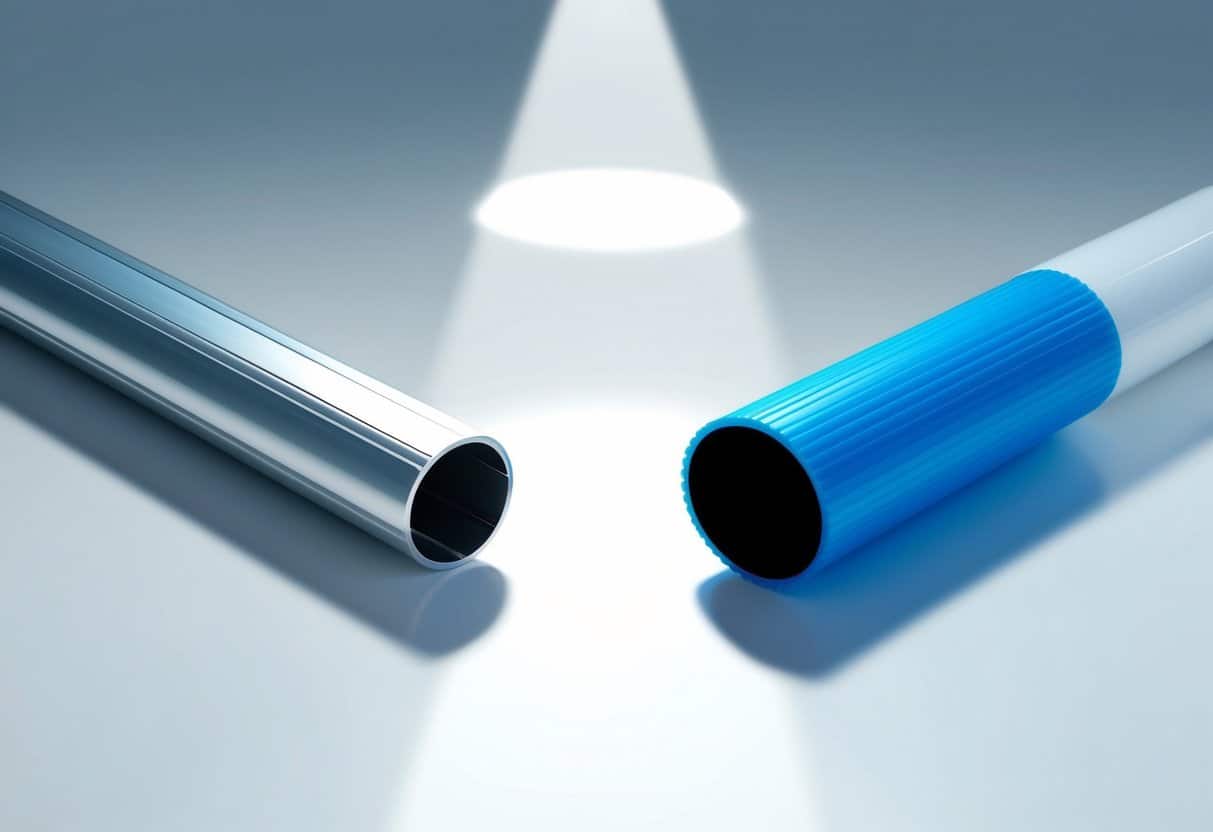
Der Kampf zwischen Aluminium- und Kunststoffrohren hat zu spannenden Innovationen bei beiden Materialien geführt. Ingenieure arbeiten ständig daran, diese Produkte zu verbessern, um den sich ändernden Marktanforderungen gerecht zu werden.
Innovationen bei Aluminiumrohren:
- Leichtere Aluminiumlegierungen mit verbesserter Festigkeit
- Wärmebehandelbare Aluminiumrohre mit verbesserten Umformeigenschaften
- Korrosionsbeständige Beschichtungen für längere Haltbarkeit
Auch Kunststofftuben haben bemerkenswerte Fortschritte gemacht. Moderne Polymere bieten beeindruckende Ergebnisse Barriereschutz Eigenschaften, die in vielen Anwendungen mit denen von Aluminium mithalten können.
Wussten Sie, dass Kunststofftuben aus recycelten Materialien hergestellt werden können? Dieser umweltfreundliche Ansatz hat Kunststoff zu einem großen Erfolg verholfen Schub bei den Nachhaltigkeitsbewertungen im Vergleich zu herkömmlichem Aluminium.
Für beide Materialien haben sich Herstellungstechnologien weiterentwickelt. Aluminiumrohre profitieren von Ultraschallbehandlungen, die ihre Energieeigenschaften verbessern, während bei der Kunststoffproduktion innovative Formtechniken zum Einsatz kommen.
Die Kosmetikindustrie hat sich beide Materialien zu eigen gemacht. Während der Klassiker Lippenstifthülse aus Papier wird auslaufen, Aluminium bietet ein erstklassiges Erscheinungsbild und Kunststoff sorgt für Kosteneffizienz und Designflexibilität.
| Besonderheit | Aluminiumrohre | Kunststoffrohre |
|---|---|---|
| Barriereschutz | Exzellent | Gut bis ausgezeichnet |
| Designflexibilität | Beschränkt | Hoch |
| Recyclabalität | Hoch | Mäßig |
| Kosten | Höher | Untere |
Unternehmen entwickeln nun Hybridlösungen, die die besten Eigenschaften beider Materialien vereinen. Ziel dieser Innovationen ist es, einen perfekten Barriereschutz zu bieten und gleichzeitig die Umweltbelastung zu reduzieren.
Wie geht es weiter mit der Röhrentechnologie? Es entstehen intelligente Verpackungen mit Temperaturindikatoren und Fälschungsschutzfunktionen sowohl aus Aluminium als auch aus Kunststoff.
Verbraucherpräferenzen und Trends
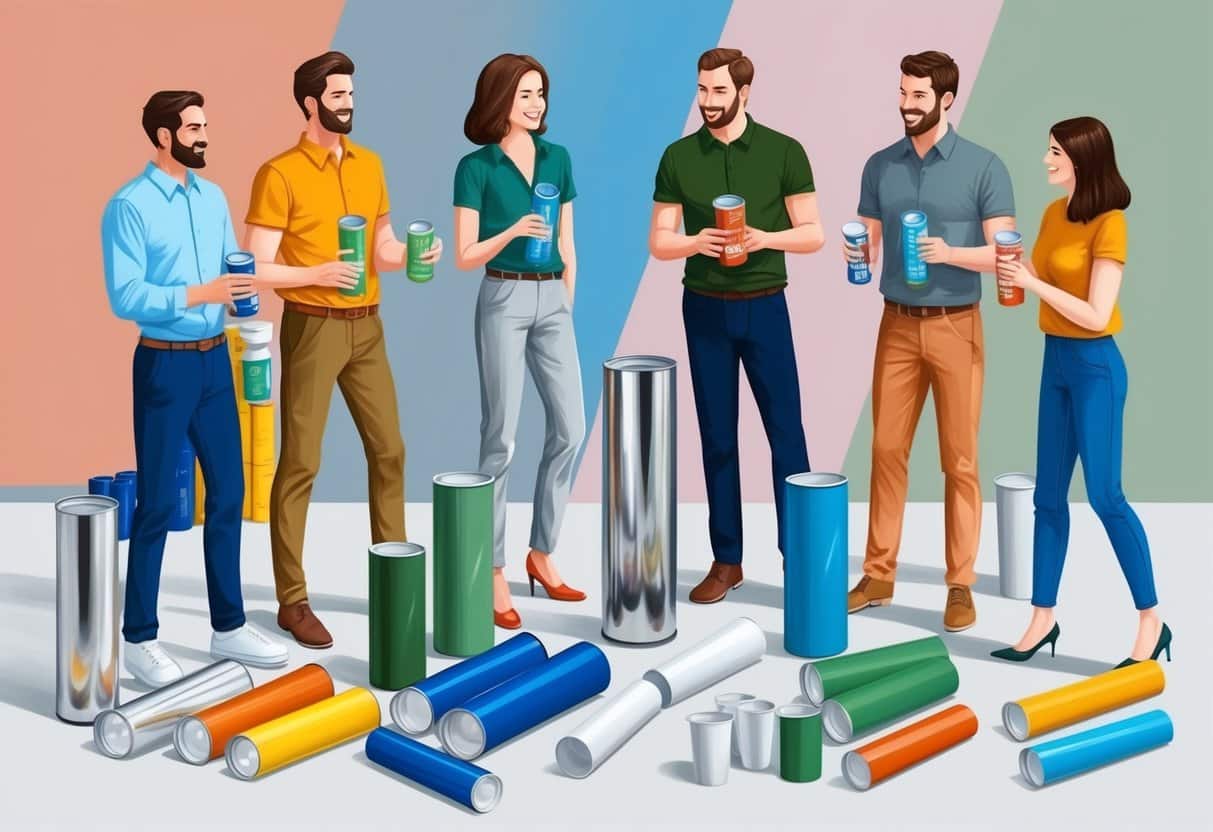
Heutzutage zeigen Verbraucher unterschiedliche Präferenzen bei der Wahl zwischen Aluminium- und Kunststofftuben. Aktuelle Umfragen zeigen, dass Verpackungsmaterialien die Kaufentscheidung stark beeinflussen.
Wenn es darum geht LippenstiftbehälterViele Verbraucher ändern ihre Präferenzen sowohl aus praktischen als auch aus ökologischen Gründen.
Untersuchungen zufolge Kundenpräferenzen für Kunststofftuben sind in bestimmten Märkten gewachsen. Warum? Kunststoff bietet Flexibilität und kostet oft weniger als herkömmliche Optionen.
Lippenstifthülsen aus Aluminium erfreuen sich aus mehreren Gründen weiterhin großer Beliebtheit:
- Premium -Look und Feeling
- Besserer Schutz für empfindliche Formulierungen
- Appell zur Recyclingfähigkeit
Lippenstifttuben aus Kunststoff sind auf dem Vormarsch, weil:
- Leichtes Design
- Niedrigere Produktionskosten
- Vielfältige Dekorationsmöglichkeiten
Der Trend zu Lebensmitteln in Tuben bietet interessante Einblicke in die Verpackungspräferenzen verschiedener Bevölkerungsgruppen. Was für eine Produktkategorie funktioniert, beeinflusst oft andere!
Bezüglich Leistung, Studien vergleichend Aluminium-, Glasfaser- und Kohlefaserrohre zeigen, dass Aluminiumoptionen zeigen “ein stabiler Aufwärtstrend” bei der Energieaufnahme – ein wichtiger Faktor für den Produktschutz.
Auch kulturelle Unterschiede spielen eine Rolle. US-Verbraucher sind mit Plastikflaschen und -tuben vertraut haben möglicherweise andere Erwartungen als europäische Verbraucher, die häufig damit verbunden sind Aluminiumrohre mit retro-cooler schwedischer Innovation.
Sind Ihnen diese Verpackungsunterschiede bei Ihrem täglichen Einkauf aufgefallen? Viele Marken reagieren auf diese Vorlieben, indem sie beide Optionen anbieten.
Regulierungs- und Sicherheitsaspekte
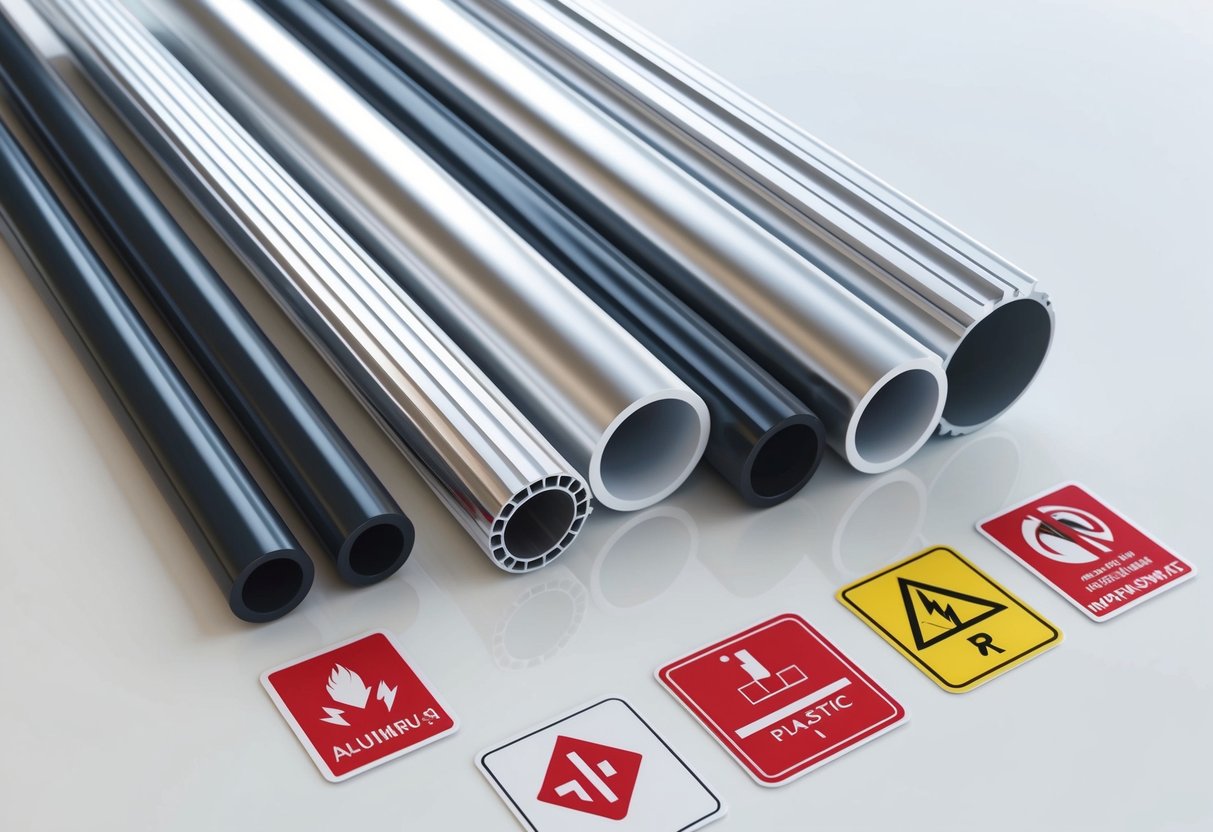
Sowohl Aluminium- als auch Kunststofftuben unterliegen strengen gesetzlichen Anforderungen, um die Sicherheit der Verbraucher zu gewährleisten. Diese Standards decken die Materialzusammensetzung, Herstellungspraktiken und mögliche chemische Wechselwirkungen mit Inhalten ab.
Normen für Aluminiumrohre
Aluminiumrohre müssen verschiedene Sicherheitsvorschriften hinsichtlich Materialreinheit und Beschichtungsstandards erfüllen. Die FDA und andere Aufsichtsbehörden haben dies etabliert spezifische Richtlinien für Aluminiumbehälter die mit Lebensmitteln und Körperpflegeprodukten in Kontakt kommen.
One key consideration is the potential for aluminum leaching, especially with acidic contents. Manufacturers typically apply protective inner linings to prevent direct contact between the aluminum and the product.
The regulatory framework also addresses:
- Maximum allowable aluminum content
- Coating integrity standards
- Testing protocols for metal migration
- Kennzeichnungspflichten
For cosmetic applications, aluminum tubes are considered ideal for creams but must meet stringent safety evaluations. These evaluations assess the potential for metal transfer into the product.
Manufacturers must provide documentation proving their tubes meet all applicable safety standards before bringing products to market.
Standards for Plastic Tubes
Plastic tubes face different but equally rigorous regulatory scrutiny. The primary concerns revolve around chemische Migration, insbesondere bei Substanzen wie Phthalaten und BPA, die gesundheitliche Auswirkungen haben können.
Regulierungsbehörden haben sich etabliert spezifische Archivierungsanforderungen für Kunststoffbehälter, was oft zu Hindernissen führt, wenn Unternehmen versuchen, von Glas- auf Kunststoffverpackungen umzusteigen.
Zu den Sicherheitsaspekten für Kunststofftuben gehören:
- Prüfung auf extrahierbare und auslaugbare Stoffe
- Überprüfung der Materialzusammensetzung
- Stabilität bei verschiedenen Temperaturen
- Recycling-Klassifizierungen
Die FDA hat besondere Bedenken hinsichtlich extrahierbarer Stoffe aus Kunststoffmaterialien geäußert und verlangt von den Herstellern die Durchführung umfangreicher Tests. Diese Tests stellen sicher, dass Chemikalien aus dem Kunststoff nicht in schädlichen Mengen in das Produkt gelangen.
Nachhaltigkeitsvorschriften werden für Kunststofftuben immer wichtiger und werden in vielen Regionen umgesetzt erweiterte Programme zur Herstellerverantwortung die sich auf die Verpackungsauswahl auswirken.
Abschluss
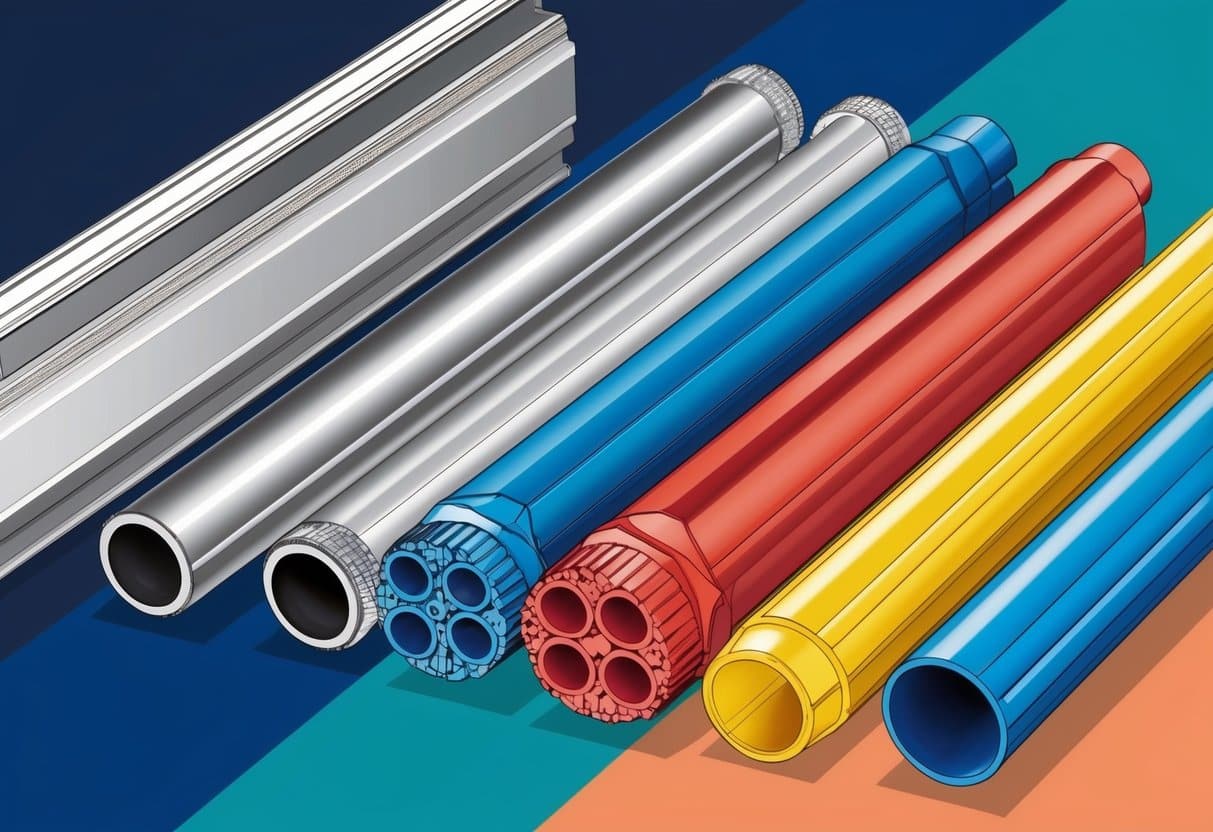
Berücksichtigen Sie bei der Wahl zwischen Aluminium- und Kunststofftuben Ihre spezifischen Bedürfnisse und Prioritäten. Beide Materialien haben einzigartige Stärken und Schwächen.
Aluminiumrohre bieten mehrere entscheidende Vorteile:
- Hervorragende Wärmeleitfähigkeit (wichtig für Kühlsysteme)
- Hervorragend zur Vorbeugung geeignet Überhitzung in Hochtemperaturanwendungen
- Besseres Verhältnis von Festigkeit zu Gewicht
- Umweltfreundlicher, da sie recycelbar sind
Lippenstifthülsen aus Aluminium sorgen für ein erstklassiges Gefühl und besseren Schutz für Kosmetikprodukte. Sie sind besonders beliebt in High-End-Make-up-Linien, bei denen es auf die Präsentation ankommt.
Plastikrohre glänzen in diesen Bereichen:
- Niedrigere Produktionskosten
- Größere Designflexibilität
- Geringeres Gewicht
- Bessere Beständigkeit gegenüber bestimmten Chemikalien
Lippenstifttuben aus Kunststoff sind preisgünstiger und ermöglichen kreativere Farboptionen und Formen.
Bei Automobilanwendungen wie V8-Motoren sind Aluminiumrohre im Allgemeinen für Kühlsysteme besser geeignet. Sie tragen dazu bei, optimale Temperaturbereiche aufrechtzuerhalten und Motorschäden durch Überhitzung zu verhindern.
Unternehmen müssen diese Faktoren gegen ihre Budgetbeschränkungen und spezifischen Anwendungsanforderungen abwägen. Was bei einem Produkt perfekt funktioniert, kann bei einem anderen völlig ungeeignet sein.
Die Branche entwickelt weiterhin Innovationen bei beiden Materialien, verbessert die Leistungsmerkmale und behebt gleichzeitig traditionelle Schwächen. Zukünftige Entwicklungen könnten die Grenzen zwischen diesen beiden vielseitigen Materialien weiter verwischen.
