
De fleste presser tandpasta af Plastrør uden at tænke på, hvad der sker med den emballage bagefter. Men aluminiumsrør tilbyde en anderledes tilgang, der får opmærksomhed fra både producenter og miljøbevidste forbrugere.
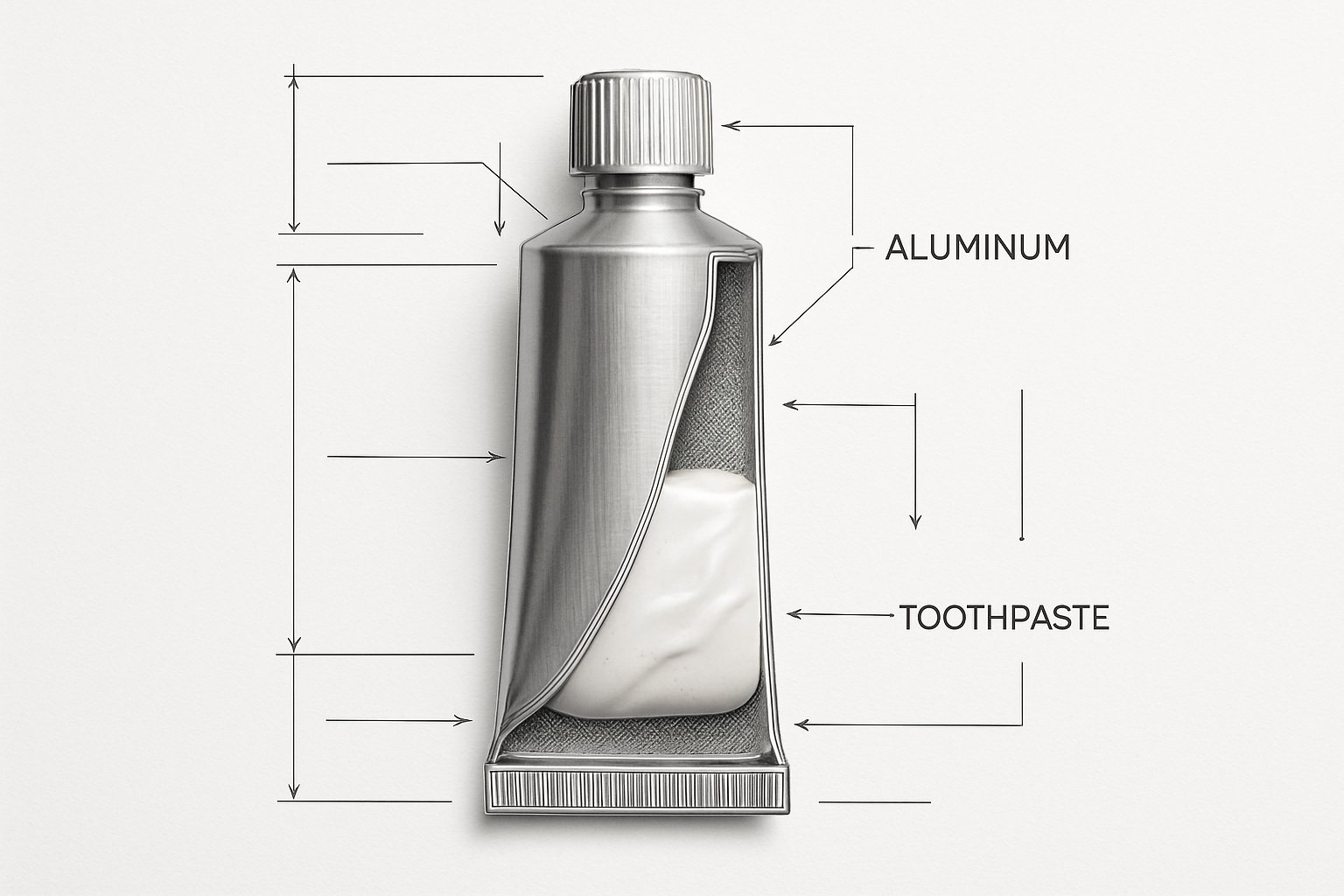
Aluminiumtuber giver bedre beskyttelse af tandpastaingredienser, overlegen genanvendelighed og indeholder ofte sikrere materialer som BPA-fri foringer, der forhindrer kemisk kontakt med pastaen. I modsætning til traditionelle plastikrør, der blander flere materialer sammen, kan aluminiumsrør genbruges korrekt og nemmere nedbrydes i miljøet.
Disse rør repræsenterer et skift i, hvordan virksomheder pakker mundplejeprodukter, med innovationer i fremstillingsprocesser, ingredienskonservering og bæredygtigt design. Fra små håndværkermærker til store producenter, flere virksomheder udforsker aluminiumsemballage, da de reagerer på forbrugernes krav om renere, mere ansvarlige produkter, der yder bedre og holder længere.
Hvad er tandpasta i aluminiumsrør?
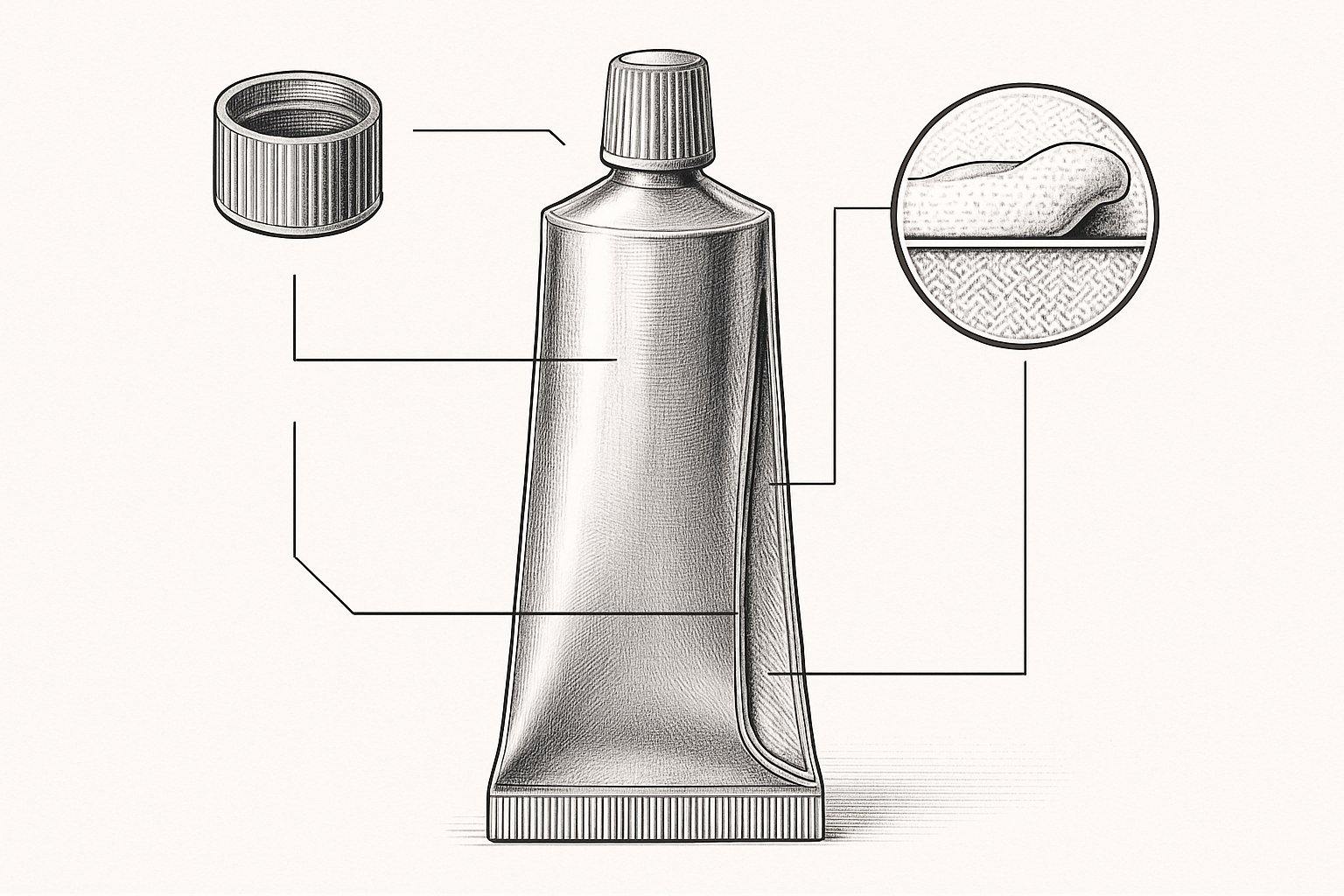
Tandpasta i aluminiumtuber repræsenterer en emballageløsning, der bruger aluminium som det primære materiale til at indeholde tandplejeprodukter. Disse rør er udviklet fra tidlige metalbeholdere og kommer nu i flere forskellige typer, der tilbyder forskellige fordele for både producenter og forbrugere.
Definition og koncept
Tandpasta i aluminiumtuber refererer til tandplejeprodukter pakket i beholdere, der primært er fremstillet af aluminiummetal. Disse aluminiumsrør giver en fleksibel, klembar beholder, der beskytter tandpastaen indeni mod luft, lys og fugt.
Rene aluminiumsrør udelukkende består af aluminiumsmateriale. De tilbyder fuldstændig genanvendelighed og fremragende barrierebeskyttelse. Metalkonstruktionen giver brugerne mulighed for nemt at klemme og folde røret.
Aluminium barriere laminat (ABL) rør kombinere aluminium med plastlag. Disse rør har en sandwichstruktur af plast-aluminium-plastmaterialer. Dette design giver forbedret beskyttelse, samtidig med at fleksibiliteten bevares.
Aluminiumslaget har en afgørende funktion i begge rørtyper. Det skaber en beskyttende barriere, der forhindrer tandpastaingredienser i at nedbrydes. Aktive ingredienser som fluor forbliver længere stabile i aluminiumsemballage.
De fleste aluminium tandpasta tuber bruger en klemmemekanisme til udlevering af produkt. Brugere komprimerer tuben med hånden for at skubbe tandpasta gennem åbningen. Aluminiumsmaterialet holder sin krympede form efter klemning.
Historisk udvikling af tandpastaemballage
Tidlige tandpastabeholdere blev lavet af bly og tinmaterialer i slutningen af 1800-tallet. Dr. Sheffield introducerede den første sammenklappelige tandpasta tube i 1892, hvilket revolutionerede tandplejeemballage.
Aluminiumsrør blev populære i midten af 1900-tallet som et sikrere alternativ til blybaserede beholdere. Det lette metal gav bedre beskyttelse end tidligere materialer. Producenter kunne nemt forme og forsegle aluminium til rørformer.
Vigtigste udviklinger inden for aluminiumsrøremballage:
- 1950'erne: Masseproduktion af aluminiumsrør begynder
- 1960'erne: Forbedrede forseglingsteknikker udvikles
- 1980'erne: Laminerede aluminiumsrør dukker op
- 2000'erne: Miljøhensyn driver udbredelsen af aluminium
Introduktionen af plastlaminatrør i de seneste årtier skabte konkurrence om aluminium. Aluminiumsrør bevarede dog deres position på grund af overlegne barriereegenskaber. Mange premium og naturlige tandpastamærker fortsætter med at bruge aluminiumsemballage.
Moderne aluminiumsrør har forbedret hættedesign og udskrivningsmuligheder. Flip-top hætter og skruelåg giver bedre forsegling end tidlige versioner.
Almindelige typer af aluminium tandpasta tuber
100% aluminiumsrør tilbyder det højeste niveau af beskyttelse og genanvendelighed. Disse rør består udelukkende af aluminiummetal uden plastikkomponenter. De giver fremragende barrierebeskyttelse mod lys, luft og fugt.
Fordelene omfatter fuldstændig genanvendelighed og overlegen ingrediensbeskyttelse. Ulemper omfatter højere omkostninger og tendens til let at bule eller krympe. Disse tuber fungerer bedst til naturlige eller følsomme tandpastaformuleringer.
Aluminium Barrier Laminate (ABL) rør kombiner aluminium med plastlag for forbedret funktionalitet. Strukturen bruger typisk plast-aluminium-plast-lag. Dette design giver fleksibilitet med stærke barriereegenskaber.
ABL-rør modstår buler bedre end rene aluminiumsversioner. De giver fremragende printbarhed til branding og markedsføring. Men de blandede materialer gør genanvendelse sværere end rene aluminiumsrør.
Squeeze vs. pumpe aluminiumsrør repræsenterer forskellige dispenseringsmekanismer. Traditionel klemme rør kræver manuel komprimering for at dispensere produktet. Pumpeslanger bruger mekaniske dispenseringssystemer til kontrollerede portioner.
Aluminiumsrør har almindeligvis flip-top hætter for nemheds skyld. Nogle versioner inkluderer drejehætter eller dysedesign til præcis påføring.
Vigtigste fordele ved aluminiumsrøremballage til tandpasta
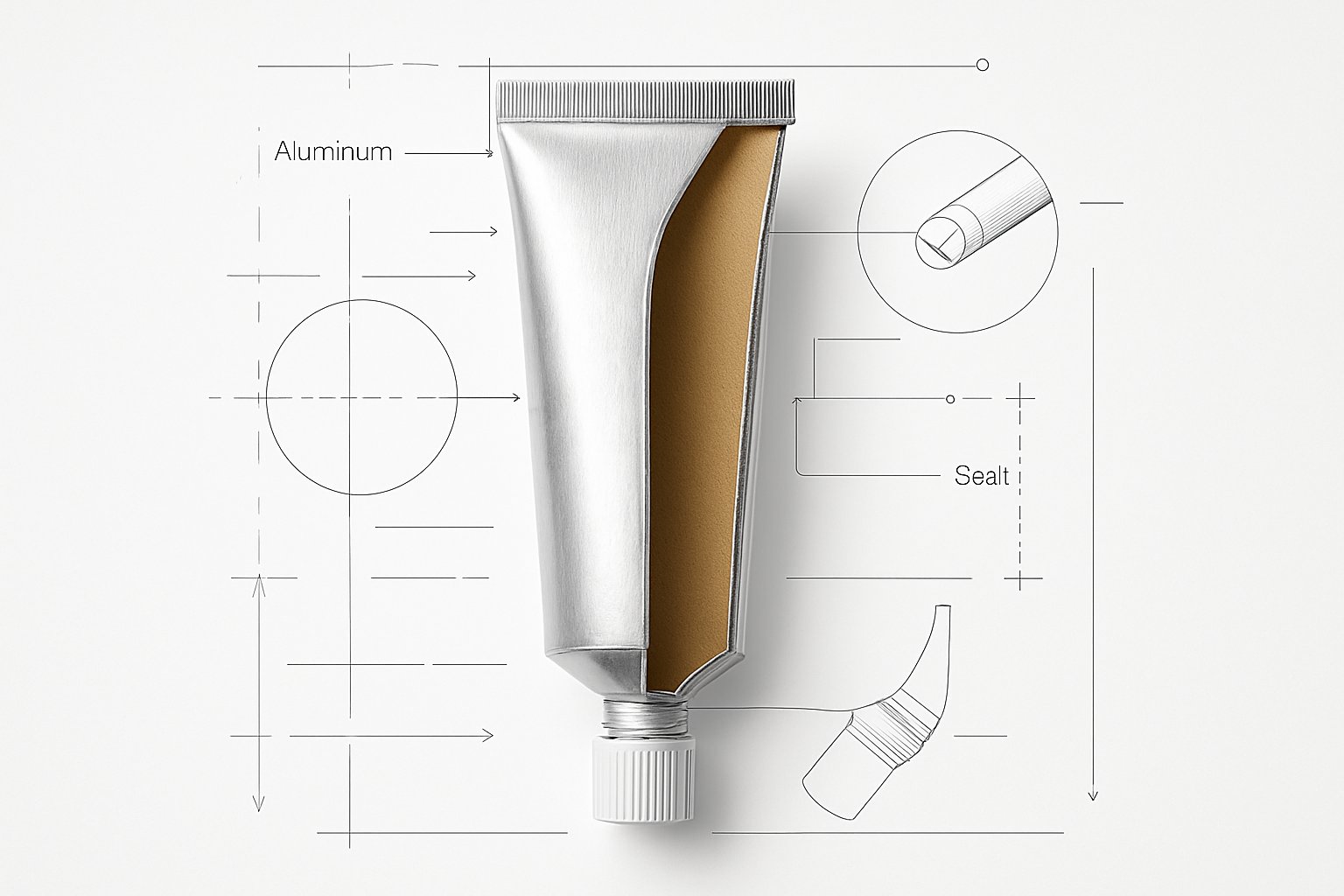
Aluminium tandpasta tuber tilbud overlegen beskyttelse mod forurening og fugt, samtidig med at den giver bekvem dispenseringskontrol. Disse lette beholdere modstår skader og bevarer produktkvaliteten bedre end traditionelle plastikalternativer.
Udvidet produktfriskhed og beskyttelse
Aluminiumsrør skaber en fremragende barriere mod luft, lys og fugt, der kan beskadige tandpastaingredienser. Denne beskyttelse holder produktet frisk i længere perioder.
De metal materiale blokerer for skadelige elementer, der nedbryder aktive ingredienser som fluor. Naturlige tandpastaformler har mest gavn af denne beskyttelse, da de indeholder følsomme komponenter.
Nøgle beskyttelsesfunktioner:
- Blokerer 100 % af lyseksponeringen
- Forhindrer luft i at komme ind i røret
- Stopper fugt i at påvirke formlen
- Vedligeholder ingrediens styrke over tid
Den lufttætte forsegling i aluminium tandpasta tuber forlænger holdbarheden betydeligt. Produkterne forbliver effektive indtil deres udløbsdato uden at miste kvalitet.
This protection matters most for premium and natural toothpaste brands. Their ingredients cost more and need better protection than basic formulas.
Hygiene and Dispensing Advantages
The narrow opening of aluminum tubes reduces contamination risk during use. Less surface area means fewer bacteria can enter the container.
Users get better control over how much toothpaste comes out when they squeeze the tube. This prevents waste and helps the product last longer.
Dispensing benefits include:
- Controlled portions with each squeeze
- Clean application without mess
- Reduced waste from over-dispensing
- Consistent flow throughout the tube’s life
The squeeze-and-roll design lets people use almost every bit of toothpaste inside. Traditional plastic tubes often trap product that users cannot reach.
Aluminiumsmateriale forbliver rent og absorberer ikke lugt eller smag. Røret bevarer sine hygiejniske egenskaber selv efter måneders daglig brug.
Holdbarhed og bærbarhed
Aluminium tandpasta tuber modstår knusning og revner bedre end plastversioner. De bevarer deres form, selv når de klemmes gentagne gange eller tabes.
Den lette metalkonstruktion gør disse rør nemme at have med i rejsetasker eller træningssæt. De vejer mindre end glasbeholdere, men tilbyder mere beskyttelse end plastik.
Holdbarhedsfordele:
- Modstår stødskader
- Bevarer tætningens integritet
- Sprækker ikke under tryk
- Fortsætter med at arbejde efter hårdhændet håndtering
Rejsende foretrækker aluminiumsrør, fordi de ikke nemt går i stykker i bagagen. Det stærke materiale beskytter tandpastaen, selv når poser bliver smidt rundt.
These tubes work well in different temperatures without becoming brittle or soft. Hot cars and cold bathrooms do not affect the aluminum tube’s performance like they do plastic containers.
Bæredygtighed og miljøpåvirkning
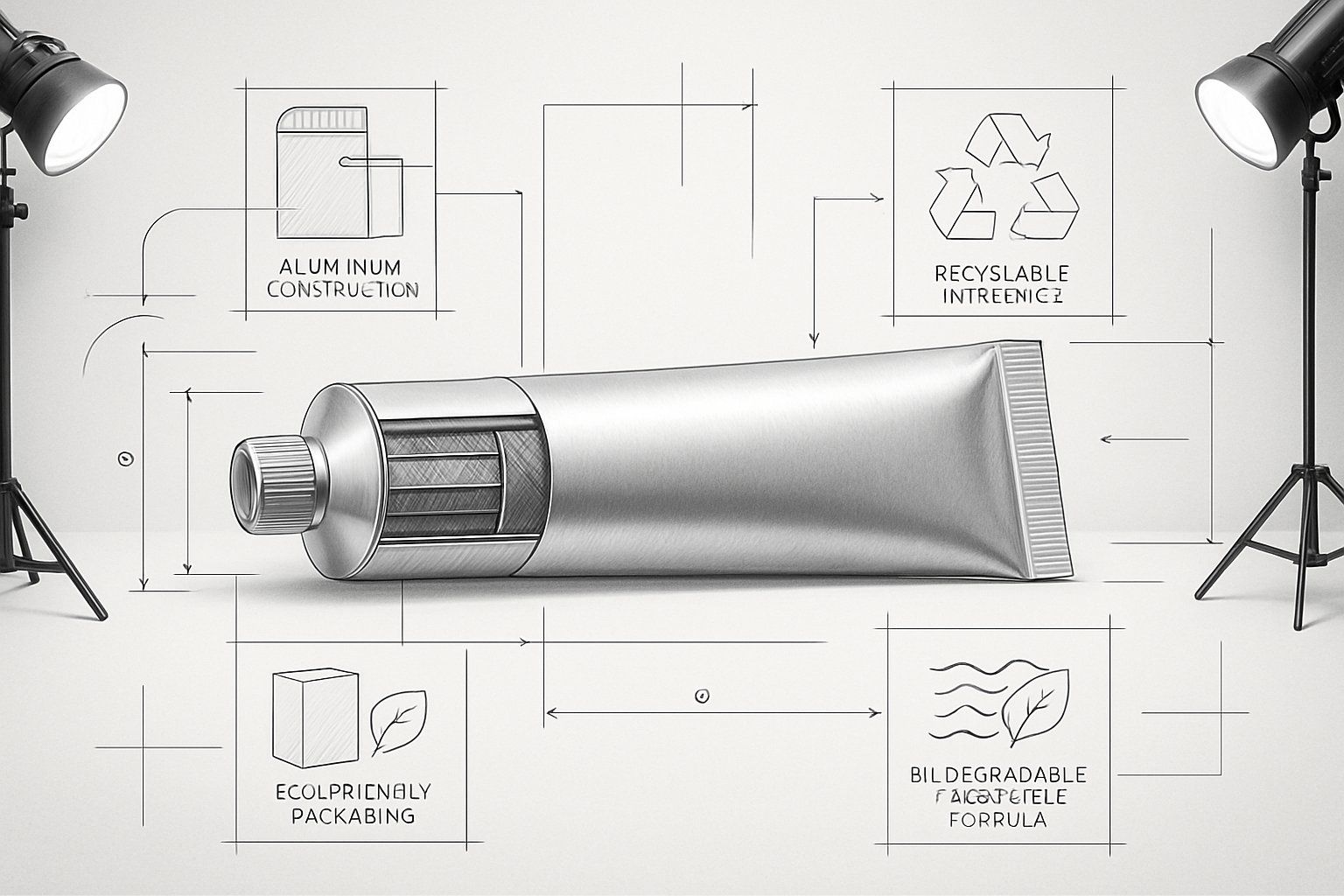
Aluminum tubes offer significant environmental advantages over traditional plastic toothpaste packaging through superior recyclability, waste reduction capabilities, and lower overall carbon emissions. These metal containers can be recycled indefinitely while plastic tubes contribute to mounting landfill waste.
Recyclability Compared to Plastic Tubes
Aluminiumsrør can be recycled repeatedly without losing quality or strength. The recycling process maintains the metal’s properties indefinitely.
Most plastic toothpaste tubes cannot be recycled through standard programs. They contain mixed materials like plastic and aluminum laminates that recycling facilities cannot separate easily.
Traditional toothpaste packaging often combines multiple materials. This makes the tubes difficult to process in recycling centers.
Nøgle recyclability differences:
| Materiale | Genanvendelig | Quality Loss | Processing Difficulty |
|---|---|---|---|
| Aluminium | Ja | None | Lav |
| Plastrør | Begrænset | Høj | Høj |
| Mixed materials | Ingen | N/A | Very high |
Many recycling facilities accept aluminum containers in their standard programs. Consumers can place aluminum tubes in regular recycling bins without special handling.
Reduction of Plastic Waste
Over one billion plastic toothpaste tubes are thrown away each year globally. These tubes accumulate in landfills and oceans because they cannot break down naturally.
Aluminiumsrør help address this waste crisis by providing a reusable alternative. When people choose aluminum packaging, they reduce demand for plastic production.
Plastic toothpaste tubes take hundreds of years to decompose. They often break into microplastics that contaminate soil and water systems.
The switch to aluminum packaging directly prevents plastic tubes from entering waste streams. Each aluminum tube replaces one plastic tube that would otherwise end up in landfills.
Metal packaging doesn’t create microplastics during breakdown. This protects ecosystems from long-term contamination.
Lower Carbon Footprint
Recycling aluminum requires 95% less energy than producing new aluminum from raw materials. This dramatic energy savings reduces greenhouse gas emissions significantly.
Aluminiumsrør generate fewer carbon emissions over their complete lifecycle. The energy savings from recycling offset the initial production costs quickly.
Plastic production requires petroleum-based chemicals and high-temperature processing. These steps create substantial carbon emissions throughout manufacturing.
Transportation costs remain similar for both materials. However, aluminum’s recycling benefits continue reducing environmental impact long after initial use.
The recycling loop for aluminum is shorter and more efficient than plastic processing. Aluminum can return to store shelves as new products within 60 days of recycling.
Manufacturing new plastic toothpaste tubes requires extracting and refining fossil fuels. This process generates significant carbon dioxide emissions at multiple stages.
Leading Ingredients and Innovations in Aluminum Tube Toothpaste
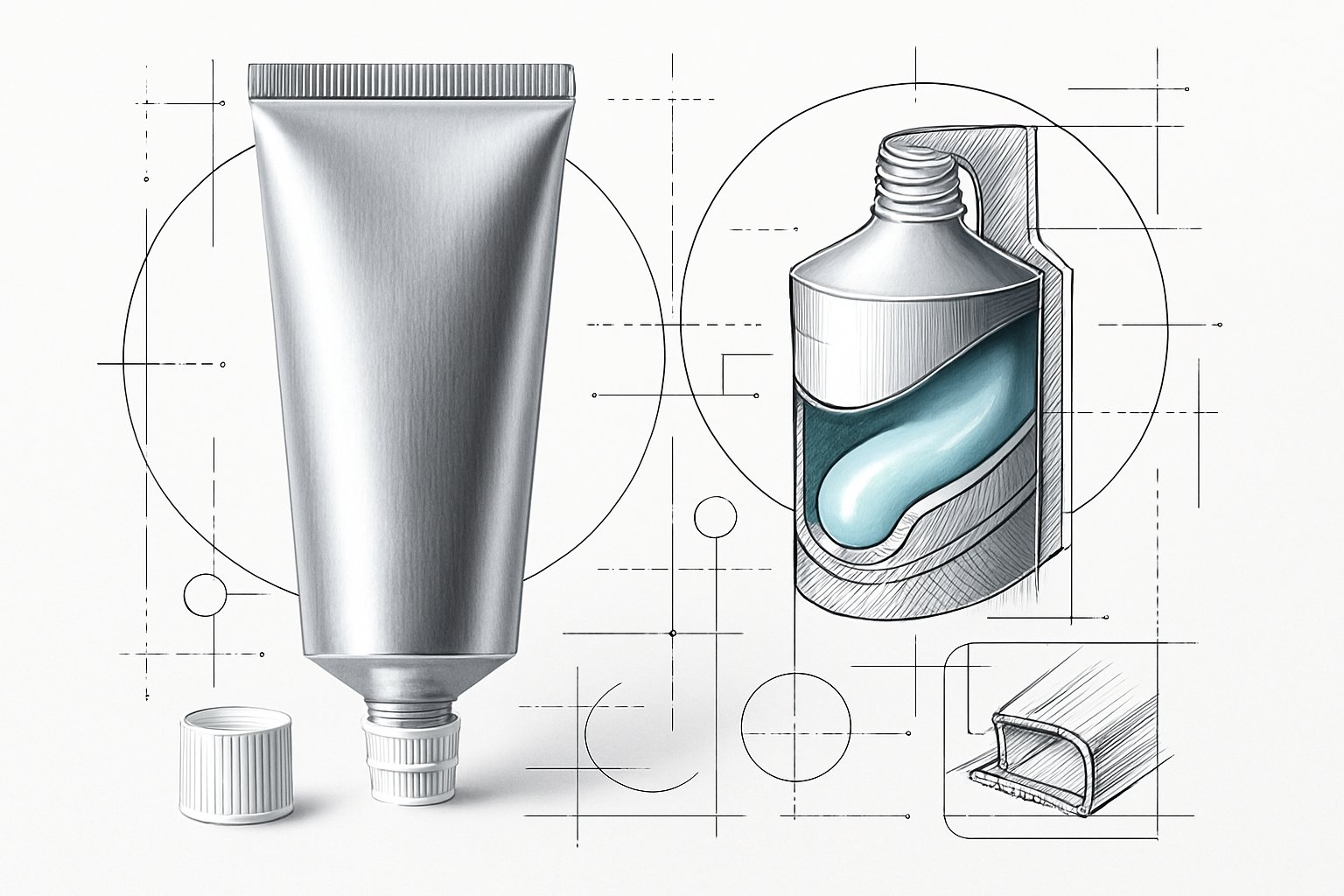
Aluminum tube toothpastes feature advanced ingredients like nano hydroxyapatite for enamel repair and natural formulations for eco-conscious consumers. These tubes also protect sensitive teeth formulas from degradation while maintaining ingredient stability.
Use of Nano Hydroxyapatite in Toothpaste
Nano hydroxyapatite represents a major breakthrough in dental care. This ingredient matches the natural mineral found in tooth enamel and bones.
Vigtigste fordele:
- Repairs microscopic enamel damage
- Reduces tooth sensitivity
- Strengthens teeth without fluoride
Nano hydroxyapatite toothpaste works by filling tiny holes in tooth enamel. The particles are so small they can enter areas regular toothpaste cannot reach.
Aluminum tubes provide excellent protection for this sensitive ingredient. The barrier prevents light and air exposure that could reduce effectiveness.
Studies show nano hydroxyapatite can remineralize teeth as well as fluoride. Many premium brands now offer this ingredient in aluminum packaging for maximum protection.
Natural and Organic Formulations
Natural toothpaste brands increasingly choose aluminum tubes for their products. These formulations avoid synthetic chemicals and artificial ingredients.
Common Natural Ingredients:
- Coconut oil for antibacterial action
- Baking soda for gentle whitening
- Essential oils for fresh breath
- Clay for natural cleaning
Aluminum tubes protect natural ingredients from oxidation. This keeps oils fresh and prevents ingredient separation.
Brands like Ben & Anna use aluminum tubes for their organic toothpastes. The packaging aligns with their sustainable brand values.
Natural formulations often have shorter shelf lives than conventional toothpaste. Aluminum’s superior barrier properties help extend product freshness without preservatives.
Sensitive Teeth and Enamel Protection
Toothpastes for sensitive teeth require special protection during storage. Aluminum tubes prevent active ingredients from breaking down before use.
Active Ingredients for Sensitivity:
- Potassium nitrate blocks pain signals
- Stannous fluoride builds protective barriers
- Arginine seals exposed dentin
These ingredients work best when protected from moisture and temperature changes. Aluminum provides better protection than plastic tubes.
Enamel protection formulas often contain calcium and phosphate compounds. These minerals help rebuild weakened tooth surfaces.
The aluminum barrier ensures these compounds remain stable and effective. This protection is especially important for premium sensitivity formulas that cost more to produce.
Manufacturing, Customization, and Branding
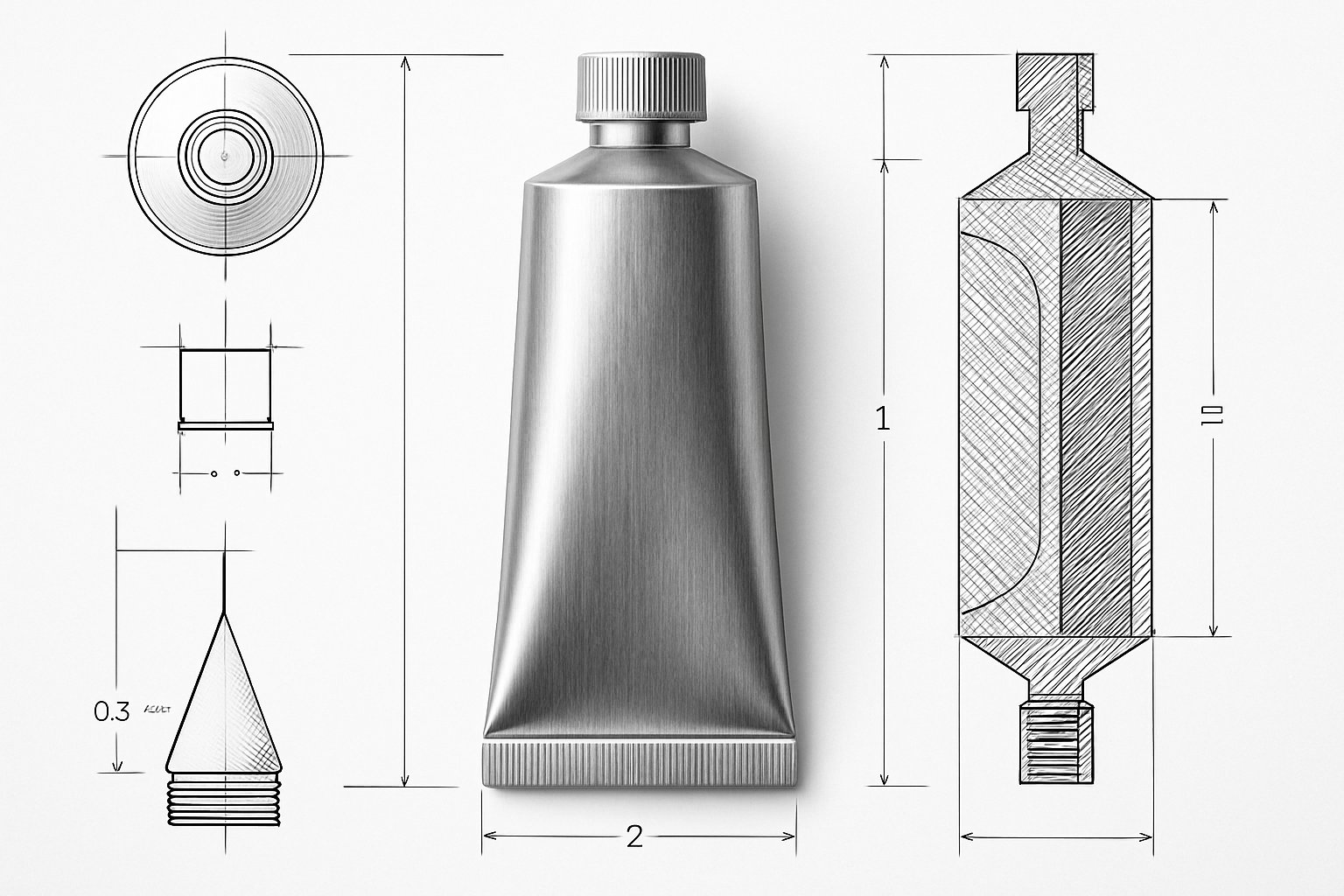
Aluminum tube production involves specialized forming processes, protective coatings, and advanced printing techniques that transform raw materials into branded packaging. Modern manufacturers use offsettryk and other methods to create distinctive toothpaste containers that protect products while building brand recognition.
Aluminum Tube Production Process
The manufacturing of aluminum toothpaste tubes begins with aluminum slugs or sheets that undergo impact extrusion. This process forms the basic tube shape by forcing aluminum through specialized dies under high pressure.
Manufacturers then thread the tube openings and trim them to exact specifications. The tubes receive thorough cleaning to remove any oil or debris from the forming process.
Quality control checks verify wall thickness, dimensions, and structural integrity. Each tube must meet strict standards for strength and durability.
The production line operates at high speeds, with modern equipment producing thousands of tubes per hour. Temperature control during forming prevents metal stress and ensures consistent quality.
Final inspection includes pressure testing and visual examination. Defective tubes get recycled back into the aluminum supply chain.
Internal Lacquering and Lining
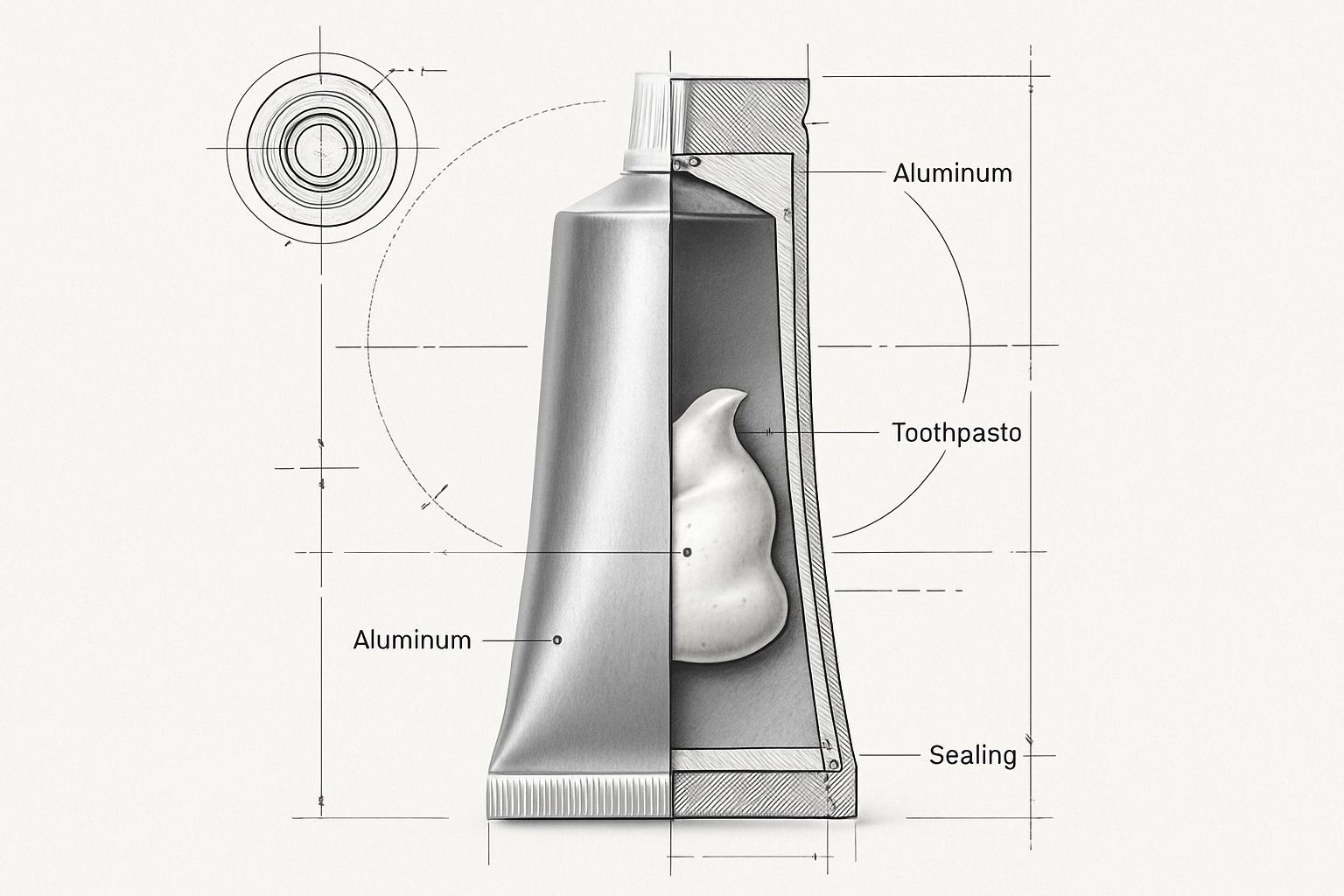
Internal coatings protect toothpaste from direct contact with aluminum and prevent chemical reactions. Manufacturers apply food-grade lacquers or polymer linings that create a barrier between the metal and product.
The coating process uses spray application or dip coating methods. Tubes rotate during application to ensure even coverage on all interior surfaces.
Curing ovens heat the coated tubes to specific temperatures. This step bonds the lining permanently to the aluminum surface.
Different toothpaste formulations require specific liner types. Fluoride products need linings that resist chemical interaction.
Quality testing measures coating thickness and adhesion strength. Proper lining prevents taste transfer and maintains product freshness throughout shelf life.
Offset Printing and Branding Options
Offset trykning provides high-quality graphics and text on aluminum tube surfaces. This method transfers ink from printing plates to rubber blankets, then onto the tube exterior.
Multiple printing methods serve different design needs:
- Silkeskærmtryk – Bold colors and simple designs
- Varm stempling – Metallic finishes and premium effects
- Digital printing – Small runs and variable data
Brand customization includes logo placement, color matching, and unique graphics. Manufacturers can print up to six colors in a single pass.
Protective overcoats seal the printed design and provide scratch resistance. UV-cured coatings offer enhanced durability for retail handling.
Print quality testing ensures color accuracy and adhesion. Samples undergo rub tests and exposure testing before production approval.
Market Trends and Global Availability
De aluminum toothpaste tube market is experiencing strong growth at 5.7% annually and is expected to reach $1.2 billion by 2028. Asian manufacturers dominate production while online platforms have made these specialized tubes accessible worldwide.
Popular Brands and Regional Leaders
Major toothpaste brands are shifting toward aluminum packaging for premium product lines. Companies focus on aluminum tubes because they offer better protection and appeal to eco-conscious consumers.
Regional market distribution shows clear patterns:
- Asia-Pacific controls 72% of global production
- Europe leads in recyclable tube adoption with 38% market share
- North American brands emphasize sustainability messaging
Premium brands use aluminum tubes for specialty formulations like whitening and natural toothpastes. These tubes cost more than plastic but provide superior barrier protection.
The market sees Fortune 500 companies choosing aluminum tubes to meet environmental goals. This trend drives demand for custom printing and unique designs.
China as a Major Supplier
China dominates aluminum toothpaste tube manufacturing with established supply chains and competitive pricing. Major suppliers include Yangzhou Gudifu, Guangzhou Lisson, and Shantou Baolilai.
Chinese manufacturers offer several advantages:
- Minimum order quantities from 100 to 30,000 pieces
- Price ranges from $0.02 to $0.31 per tube
- Custom printing and logo capabilities
- Multiple size options from 5ml to 400ml
Production quality meets international standards including FDA and EU regulations. Many Chinese suppliers hold ISO certifications and work with global brands.
The concentration of suppliers in specific regions like Yangzhou and Guangzhou creates efficient manufacturing clusters. This setup reduces costs and improves delivery times for bulk orders.
Online Purchasing and Delivery Options
B2B platforms connect buyers directly with aluminum tube manufacturers worldwide. Sites like Alibaba feature over 47,000 products from 10,000+ suppliers.
Online ordering provides key benefits:
- Direct factory pricing without intermediaries
- Sample orders for quality testing
- Custom specification requests
- Bulk discount negotiations
Delivery times vary based on order size and customization needs. Standard products ship within 15-30 days while custom printed tubes require 30-45 days.
International shipping options include sea freight for large orders and air express for samples. Many suppliers offer delivery tracking and quality guarantees.
Payment terms typically require deposits for custom orders with balance due before shipment. Established suppliers accept various payment methods including letters of credit.
