
Ever wondered what those squeezable containers for your favorite moisturizers are actually made of? Lotion tubes are part of our daily skincare routine, but most of us rarely think about their composition.
Most lotion tubes are typically made from plastic polymers like polyethylene (PE), polypropylene (PP), or polyethylene terephthalate (PET) which provide flexibility, durability, and product compatibility while protecting the formula inside.

The materials used in lotion tubes matter more than you might think! Different cosmetic products require specific مواد التعبئة والتغليف to ensure product stability and safety. For example, certain herbal lotions might require tubes that prevent oxidation, while products with specific active ingredients need materials that won’t cause chemical reactions.
We’ve seen a growing trend toward eco-friendly alternatives in recent years too! Many companies now offer lotion tubes made from recycled plastics or bio-based materials to reduce environmental impact. These sustainable options still maintain the functionality you need – keeping your favorite body lotions and creams fresh while being gentler on our planet.
Overview of Lotion Tubes

تعتبر أنابيب المستحضر بمثابة حلول التعبئة والتغليف الأساسية التي تحمي وتوزع منتجات التجميل المختلفة. إنها تأتي بأحجام ومواد وتصميمات مختلفة لاستيعاب مجموعة من التركيبات بدءًا من المستحضرات خفيفة الوزن وحتى الكريمات الأكثر سمكًا.
تكوين المواد
معظم أنابيب المستحضر مصنوعة من البوليمرات البلاستيكية مثل البولي إيثيلين (PE)، أو البولي بروبيلين (PP)، أو البولي إيثيلين تيريفثاليت (PET). توفر هذه المواد المرونة والمتانة والمقاومة للمواد الكيميائية الموجودة في المستحضرات والكريمات. غالبًا ما نرى استخدام البولي إيثيلين عالي الكثافة (HDPE) في الأنابيب الأكثر صلابة، في حين أن البولي إيثيلين منخفض الكثافة (LDPE) يخلق خيارات أكثر ليونة وأكثر قابلية للضغط.
بعض قسط منتجات التجميل تأتي في أنابيب متعددة الطبقات تجمع بين مواد مختلفة لتوفير:
- حماية أفضل للمنتج
- تعزيز خصائص الحاجز
- تحسين العمر الافتراضي
- تقليل خطر التلوث
في الآونة الأخيرة، اكتسبت البدائل الصديقة للبيئة شعبية، بما في ذلك الأنابيب المصنوعة من:
- البلاستيك المعاد تدويره
- البلاستيك الحيوي المشتق من المواد النباتية
- مركبات الورق والبلاستيك
وظيفة في تغليف مستحضرات التجميل
تخدم أنابيب المستحضر أغراضًا متعددة تتجاوز مجرد التخزين البسيط. إنهم يساعدون حماية الصيغة من الملوثات الخارجية والتعرض للهواء وتدهور الضوء. يسمح تصميم الأنبوب بالتوزيع السهل دون إدخال البكتيريا إلى المنتج المتبقي.
تعمل أنماط الغطاء المختلفة على تحسين الأداء الوظيفي لأنواع المنتجات المختلفة. تعمل الأغطية القلابة بشكل جيد مع المستحضرات الرقيقة، بينما تناسب الأغطية اللولبية الكريمات السميكة. توفر أطراف أداة التطبيق المتخصصة (مثل البكرات أو الفرش) تطبيقًا مستهدفًا لمنتجات معينة.
The shape and size of tubes vary based on product viscosity and intended use. We’ve found that rheology (flow properties) is crucial when designing tubes for different formulations, as it affects how easily the product can be squeezed out.
Many tubes feature airless pumping systems that prevent product oxidation and extend shelf life – especially important for natural and preservative-free formulations.
Types of Lotion Tubes

تأتي أنابيب المستحضر في مواد مختلفة، ولكل منها خصائص فريدة تؤثر على الحفاظ على المنتج، والتأثير البيئي، وتجربة المستخدم. يمكن أن تؤثر مادة الحاوية بشكل كبير على مدى بقاء غسول الجسم المفضل لديك طازجًا ومدى سهولة عصر كل قطرة أخيرة.
أنابيب الألومنيوم
تعد أنابيب الألومنيوم من بين خيارات التغليف الأكثر تقليدية لمنتجات العناية بالبشرة. توفر هذه الحاويات المتينة حماية ممتازة ضد الضوء والهواء والرطوبة التي قد تؤدي إلى تدهور مستحضراتك. نحن نحب أن تكون قابلة لإعادة التدوير بالكامل ولها تأثير بيئي أقل مقارنة ببعض البدائل.
عندما تضغط على أنبوب ألومنيوم، فإنه يظل مضغوطًا، مما يساعد على منع الهواء من الدخول مرة أخرى إلى الحاوية. هذه الميزة مفيدة بشكل خاص ل الحفاظ على مستحضرات التجميل بمكونات طبيعية قد تتأكسد بسرعة.
الجانب السلبي؟ يمكن أن تنحرف بسهولة وأحيانًا تتشقق على طول خطوط الطي مع الاستخدام المتكرر. كما أنها عادة ما تكون أكثر تكلفة من الخيارات البلاستيكية، ولهذا السبب ستجدها غالبًا تستخدم في منتجات المستحضرات المتميزة.
أنابيب بلاستيكية
تهيمن الأنابيب البلاستيكية على سوق حاويات المستحضر نظرًا لتعدد استخداماتها وفعاليتها من حيث التكلفة. هذه الأنابيب خفيفة الوزن ومرنة وتأتي في أنواع مختلفة مثل البولي إيثيلين (PE)، والبولي بروبيلين (PP)، والبولي إيثيلين تيريفثاليت (PET).
Each plastic type offers different benefits. PE tubes are quite flexible and squeeze easily, while PP provides better chemical resistance. PET offers excellent clarity if you want to see how much product remains.
تتميز معظم الأنابيب البلاستيكية بتصميم غطاء علوي من أجل التشغيل المريح بيد واحدة. إنهم يتمتعون بشعبية خاصة مستحضرات الجسم لأنها متينة ولن تنكسر إذا سقطت في الحمام.
ومع ذلك، يجب أن نلاحظ أنه ليست كل الأنابيب البلاستيكية قابلة لإعادة التدوير بسهولة، وبعض البلديات لديها متطلبات محددة لإعادة تدوير هذه الحاويات.
أنابيب صفح
تمثل الأنابيب المصفحة التطور الحديث لتغليف المستحضر. تجمع هذه الأنابيب متعددة الطبقات بين أفضل خصائص المواد المختلفة لإنشاء حواجز فائقة ضد التلوث والأكسدة.
عادة، تتكون الأنابيب المصفحة من عدة طبقات:
- الطبقة الداخلية: عادة البولي ايثيلين لتوافق المنتج
- الطبقة الوسطى: رقائق الألومنيوم لحماية الحاجز
- الطبقة الخارجية: بلاستيك للطباعة والمظهر والمتانة
نجد أن الأنابيب المصفحة فعالة بشكل خاص حفظ الصيغ بمكونات نشطة قد تتحلل عند التعرض للهواء أو الضوء. تعمل خصائصها الحاجزة الفائقة على إطالة مدة الصلاحية بشكل كبير.
الميزة الرئيسية للأنابيب المصفحة هي أنها توفر حماية مماثلة للألمنيوم ولكن بمزيد من المرونة والمرونة. يمكنك الضغط عليها بشكل متكرر دون أن تتشقق أو تنكسر على طول خطوط الطي.
التصميم والميزات
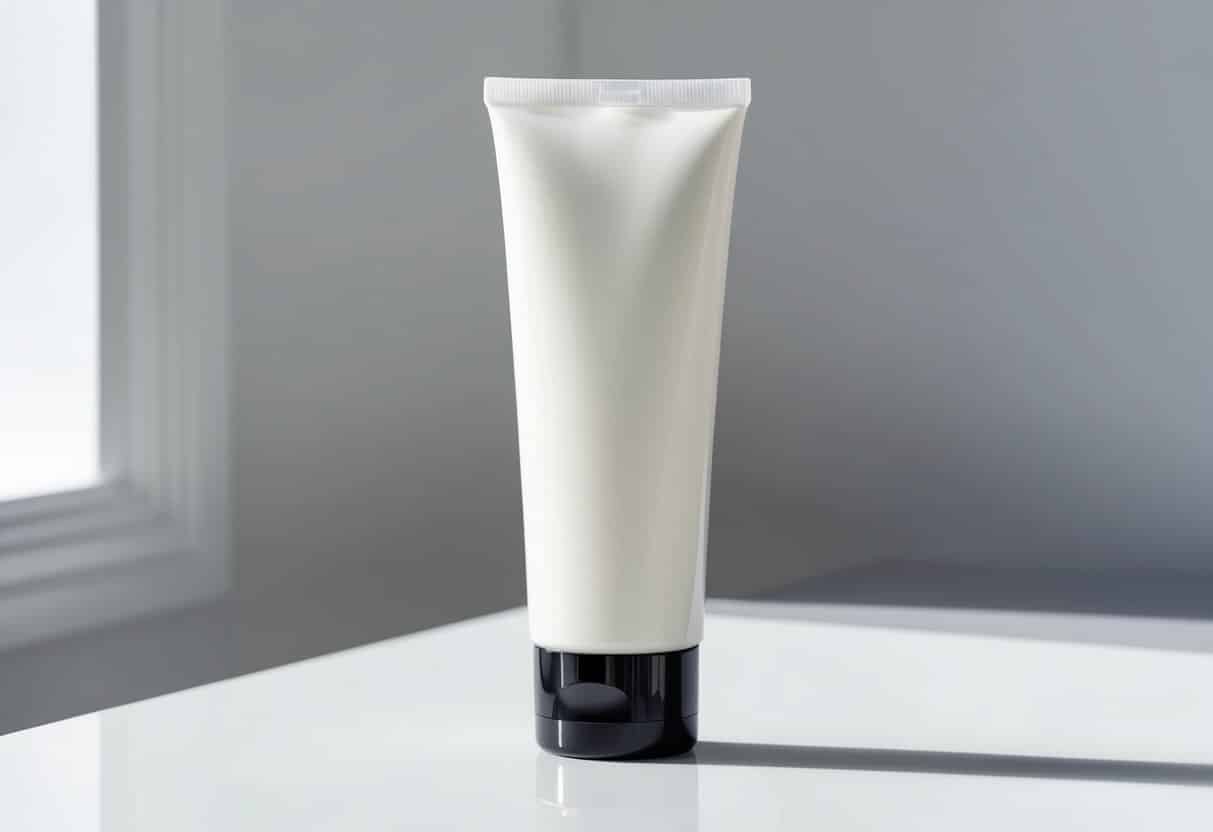
تجمع أنابيب اللوشن بين الوظيفة العملية والجاذبية الجمالية لتقديم منتجات العناية بالبشرة بشكل فعال. إنها تتميز بعناصر تصميم متنوعة تعزز تجربة المستخدم مع حماية المنتج من الداخل.
حجم الأنبوب وقدرته
Lotion tubes come in a wide range of sizes to suit different needs. The most common capacities include:
- Travel size: 15-30ml (perfect for carry-on luggage)
- Standard size: 50-100ml (for regular home use)
- Family size: 150-250ml (economical option for frequent users)
- Professional size: 300-500ml (often used in salons)
The tube diameter typically ranges from 19mm to 50mm, with the width increasing proportionally to the capacity. Smaller tubes are designed for easy portability, while larger ones offer better value for money.
We’ve found that tube size affects not just capacity but also handling comfort. Mid-sized tubes (75-100ml) provide the best balance between product quantity and ease of use for most consumers.
Nozzle Design
The nozzle is a critical ميزة تصميم منتجات اللوشن لأنه يتحكم في تدفق المنتج ودقة التطبيق. تشمل أنواع الفوهات الشائعة ما يلي:
- فتحة قياسية: فتحة دائرية بسيطة (قطر 2-5 مم)
- التحكم في التدفق: مصممة خصيصًا لتوزيع كميات دقيقة
- نصائح قضيب: أشكال متخصصة للتطبيق المستهدف
- قبعات الوجه الأعلى: فوهة مدمجة ونظام إغلاق
يؤثر تصميم الفوهة بشكل كبير على تجربة المستخدم. تعمل الفتحات الصغيرة (1-2 مم) بشكل جيد مع المستحضرات الرقيقة، بينما تتطلب الكريمات السميكة فتحات أكبر (3-5 مم) لمنع الانسداد.
نوصي باستخدام أنابيب ذات فوهات تتناسب مع لزوجة المنتج. تتميز بعض التصميمات المبتكرة الآن بصمامات سيليكون تمنع التدفق العكسي للمنتج وتلوث الهواء.
الكتف الأنبوبي
يربط كتف الأنبوب الجسم الرئيسي بالفوهة ويلعب دورًا حاسمًا في ذلك product dispensing performance. Key aspects include:
- Shoulder angle: Typically 30-45 degrees for optimal flow
- Transition smoothness: Affects how easily product moves toward the nozzle
- سمك المادة: Often reinforced to prevent splitting under pressure
Properly designed shoulders ensure the complete evacuation of product from the tube. They’re engineered to guide the lotion toward the nozzle while maintaining structural integrity.
We’ve observed that tubes with gradually sloping shoulders (around 35 degrees) provide the best balance between easy dispensing and structural strength.
Collapsible Nature
The collapsibility of lotion tubes is perhaps their most distinctive feature. This design aspect:
- Allows for near-complete product extraction (up to 95-98%)
- Prevents air from entering the tube after dispensing
- يطيل العمر الافتراضي للمنتج عن طريق الحد من الأكسدة
- يوفر ردود فعل مرئية على كمية المنتج المتبقية
تم تصميم معظم أنابيب المستحضر الحديثة لتنهار بشكل موحد من الأسفل إلى الأعلى. هذا تعتمد الوظيفة على خصائص المواد مثل المرونة والذاكرة والسمك.
نجد أن الأنابيب عالية الجودة تحافظ على شكلها عندما تكون ممتلئة جزئيًا ولكنها تنهار بسهولة عند الضغط عليها. يضمن هذا التوازن أن يظل الأنبوب جذابًا بصريًا طوال فترة استخدامه بينما يظل يعمل بفعالية.
الطباعة والعلامات التجارية

The visual appeal of lotion tubes goes beyond their physical construction. Branding elements help products stand out on shelves and connect with consumers through carefully designed graphics and text.
طباعة الأوفست
Offset printing remains the most common method for decorating lotion tubes. This technique transfers ink from a plate to a rubber blanket before applying it to the tube surface. We find this method particularly effective for printing detailed designs and multicolor patterns.
The process allows for high-quality reproduction of brand logos, product information, and decorative elements. Modern offset printing can achieve up to 8 colors in a single run, including specialty options like metallic inks.
For tube manufacturers, offset printing offers several advantages:
- Cost-effective for medium to large production runs
- Excellent color consistency across batches
- Sharp image quality even for fine details
- Compatibility with various tube materials
Some premium brands enhance their offset printing with special coatings like matte, glossy, or soft-touch finishes to add tactile elements to their packaging.
ختم ساخن
When we want to add metallic elements to lotion tubes, hot stamping delivers impressive results. This process uses heat and pressure to transfer foil material onto the tube surface, creating a luxurious appearance that catches light and attention.
Popular hot stamping foil options:
- Gold and silver (most common)
- Holographic
- Patterned
- ألوان مخصصة
Hot stamping works particularly well for emphasizing brand names, logos, and decorative accents. The technique can be combined with offset printing to create multi-dimensional designs that elevate the perceived value of the product.
Many high-end cosmetic and skincare brands use hot stamping to signal premium positioning. The metallic elements create visual interest and help distinguish products in competitive retail environments.
Labeling Options
Some manufacturers prefer separate labels rather than direct printing on tubes. We see this approach used particularly for small production runs or when products require frequent design updates.
The most common tube labeling options include:
- Shrink sleeve labels – These conform to the tube shape when heat is applied, allowing for 360-degree decoration.
- Pressure-sensitive labels – Applied with adhesive, these offer flexibility for unique shapes and special materials.
- In-mold labeling – Labels are placed in the mold before the tube is formed, creating a seamless look.
Labeling allows for enhanced branding opportunities like textured papers, clear films, or specialty printing effects. Many natural skincare brands prefer paper labels to reinforce their eco-friendly positioning.
For small batch producers, labels offer advantages in minimum order quantities and setup costs compared to direct printing methods.
Caps and Closures

Caps and closures are essential components of lotion tubes that ensure product integrity and ease of use. They prevent contamination and leakage while providing convenient dispensing options for consumers.
Screw Cap Varieties
Screw caps are among the most common closure types for lotion tubes. These caps feature threaded interiors that securely twist onto matching threads on the tube neck.
Most screw caps are made from polypropylene (PP) due to its durability and chemical resistance. We’ve found that this material maintains its closure integrity even after repeated use, making it ideal for daily personal care products.
Some premium lotion tubes feature specialized screw-cap designs with additional sealing mechanisms like Teflon liners fused to silicone rubber backings. These enhanced closures provide superior protection against microbial contamination.
For products requiring precise application, manufacturers offer screw caps with built-in applicators such as:
- Dropper tips
- الكرات الدوارة
- Brush tips
Flip Top Cap
Flip top caps represent a convenient alternative to screw caps, allowing one-handed operation. These caps remain attached to the tube when opened, preventing loss and making them perfect for on-the-go use.
Research shows that flip-cap closures generally provide better protection against contamination than standard screw caps. This is because they’re designed to create a tight seal when snapped shut.
Most flip top caps feature a living hinge – a thin, flexible piece of plastic that connects the cap to its base. This design element is typically made from polyethylene or polypropylene for durability through thousands of open-close cycles.
We’ve seen innovative flip cap designs with:
- Self-sealing silicone valves
- Oval or specialized openings for controlled dispensing
- Clear “windows” to view remaining product
The size of the opening can be customized to match the lotion’s viscosity, ensuring proper flow and preventing waste.
Sustainability in Lotion Tube Production

The cosmetics industry is shifting toward greener packaging options as consumers demand more eco-friendly products. Sustainable lotion tubes can significantly reduce environmental impact while maintaining product integrity.
Sustainable Materials
Many brands are now using plant-based plastics instead of traditional petroleum-based materials for lotion tubes. These bioplastics are made from renewable resources like sugarcane and corn starch, reducing carbon footprint by up to 40% compared to conventional plastics.
Paperboard tubes are gaining popularity as an innovative solution. They use significantly less plastic while providing similar protection for creams and lotions.
We’re also seeing more tubes made from:
- Recycled ocean plastic
- المواد المعاد تدويرها بعد الاستهلاك (PCR).
- Biodegradable composites
Some companies are developing أنابيب أحادية المادة (made from a single type of plastic) which are easier to recycle than multi-layer options. This approach eliminates the separation issues that typically make tube recycling difficult.
إعادة التدوير وإعادة الاستخدام
A major challenge with lotion tubes is product waste from insufficient emptiability. Studies show that consumers leave behind 8-10% of product in traditional tubes. Newer designs feature special coatings that allow for better product release.
Recyclability ratings are now prominently featured on many tubes. Look for:
| Rating | Meaning |
|---|---|
| Widely Recycled | Accepted by 75%+ of recycling facilities |
| Check Locally | Limited acceptance (20-75% of facilities) |
| Not Yet Recycled | Few facilities can process this material |
لقد وجدنا ذلك life cycle assessments of cosmetic packaging help brands identify environmental hotspots. Many companies now focus on sustainable consumption patterns by designing tubes that are refillable or contain concentrated formulas requiring less packaging overall.
Some innovative brands now offer mail-back programs for empty tubes, ensuring proper recycling even in areas with limited facilities.
Quality and Safety Standards

Lotion tubes must meet strict regulations to protect consumers from harmful substances and ensure product effectiveness. Manufacturers follow Good Manufacturing Practice (GMP) standards and specific guidelines like ISO 22716:2007 to maintain quality.
خصائص الحاجز
The materials used in lotion tubes need excellent barrier properties to protect the contents inside. We’ve found that high-density polyethylene (HDPE) and polypropylene (PP) are commonly used because they resist moisture and chemical penetration.
These plastics prevent oxygen, light, and contaminants from affecting the lotion’s quality. Without proper barriers, ingredients could degrade or become contaminated.
Some premium tubes incorporate multilayer technology with إيفوه (ethylene vinyl alcohol) that provides enhanced oxygen barrier properties. This is particularly important for natural formulations that don’t contain synthetic preservatives.
Testing for barrier effectiveness includes:
- Moisture vapor transmission rate (MVTR)
- Oxygen transmission rate (OTR)
- Chemical resistance tests
- UV light penetration measurements
Product Integrity
We ensure lotion tubes maintain product integrity through rigorous quality testing. Manufacturers check for leaks, tube blockages, and proper cap sealing to prevent product waste or contamination.
The inner lining of tubes often contains a food-grade coating that prevents interaction between the tube material and lotion ingredients. This is crucial for preventing chemical migration that could affect safety or efficacy.
Tubes must also pass drop tests and pressure tests to ensure they won’t rupture during transport or use. Quality control involves checking for aggregation of product particles that could cause tube blockage.
Modern quality systems include:
- Batch testing
- Stability studies at various temperatures
- Compatibility testing between product and packaging
- Microbial challenge tests
Sealing and Filling

The production of lotion tubes involves two critical processes: sealing to ensure product integrity and filling to get the product inside the container. These steps require precision equipment and careful quality control to prevent leakage and contamination.
Sealing Technology
Sealing is the process that ensures your lotion tubes remain closed and protected until use. Proper sealing prevents contamination and product leakage while maintaining product stability during shipping and storage.
Most modern lotion tubes use heat sealing technology. This involves applying heat to the open end of the tube after it’s filled, melting the plastic slightly to create a secure bond. For extra protection, some manufacturers add aluminum foil seals inside the cap.
Common Sealing Methods:
- الختم بالموجات فوق الصوتية
- Induction sealing
- Heat-crimping
- Foil-membrane sealing
The quality of seals is regularly tested during production. We’ve found that proper sealing is crucial for products like lotions that might develop an oil slick on the surface when improperly sealed.
Filling Processes
The filling process gets your lotion into the tube efficiently and accurately. Modern facilities use automated form-fill-seal equipment that combines multiple steps into one streamlined operation.
Most filling systems use one of these methods:
- Pressure filling – Forces product into tubes using compressed air
- Piston filling – Uses precise mechanical measurements for consistent volume
- Time-gravity filling – Controls fill by time and product flow rate
Compatibility between the product and filling equipment is essential. Factors like product viscosity and temperature significantly impact the filling process. Thicker lotions require specialized filling nozzles designed to handle high-viscosity formulations.
After filling, tubes move directly to the sealing station where they’re closed, capped, and prepared for packaging. This integrated process ensures efficiency and maintains product integrity.
Lotion Tube Innovation

The packaging industry has made remarkable strides in improving lotion tubes for better user experience and environmental sustainability. These innovations focus on making tubes more functional while addressing modern consumer needs.
Ergonomic Designs
Have you ever struggled to get the last bit of lotion out of a tube? Modern tubes now feature user-friendly designs that solve this common frustration. We’ve seen significant improvements in tube shapes that make them easier to hold and squeeze, especially for people with limited hand strength.
Many brands have introduced tubes with ergonomic designs that fit perfectly in your hand. These designs include:
- Contoured shapes that provide better grip
- Wider caps for easier opening
- Stand-up bottoms so tubes can be stored upright
- Controlled dispensing tips to reduce waste
Some tubes now include built-in rollers or massage applicators, giving you a spa-like experience at home. These features not only enhance usability but also add value to the product inside.
Advanced Materials
The materials used in lotion tubes have evolved dramatically in recent years. Traditional plastic tubes are being replaced with more innovative alternatives that offer better protection for the product while being kinder to our planet.
Modern lotion tubes often use multi-layer materials that provide:
Strength Benefits:
- Enhanced puncture resistance
- Better flexibility without cracking
- Improved barrier properties to protect formulas
Many tubes now incorporate specialized materials that preserve the integrity of sensitive formulations like natural or organic lotions. We’re also seeing a rise in tubes made from recyclable and bio-based materials.
Airless tube technology prevents product contamination and oxidation, extending shelf life. This innovation is particularly important for preservative-free formulations that might otherwise degrade quickly.
