
Die skoonheidsbedryf skuif na volhoubaarheid, met baie handelsmerke wat nou op eko-vriendelike verpakkingsoplossings fokus. Tradisionele velsorgprodukte kom dikwels in plastiekhouers wat bydra tot omgewingsvermorsing. Onlangse studies toon dat verbruikers toenemend bekommerd is oor hierdie kwessie, met 89% van mense verkies ekovriendelike materiale sterk in hul velsorg- en skoonheidsmiddelverpakking.
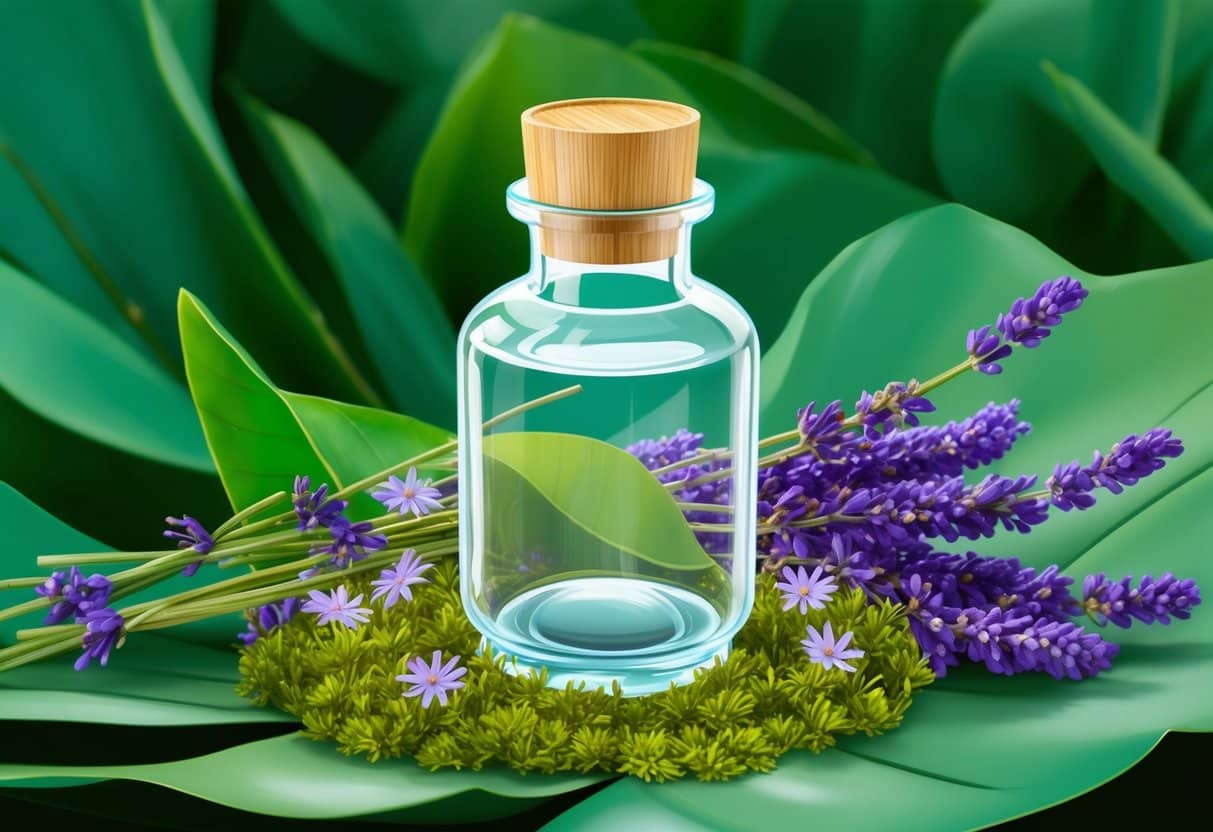
Jy kan jou omgewingsimpak verminder deur velsorgprodukte te kies met volhoubare verpakkingsopsies soos herwinde materiaal, bioafbreekbare houers of hervulbare stelsels. Hierdie alternatiewe help om plastiekafval te verminder terwyl dit steeds doeltreffende velsorg verskaf. Sommige innoverende maatskappye ontwikkel selfs eetbare verpakking en produkte gemaak van voedsel neweprodukte.
Terwyl jy vir velsorgprodukte inkopies doen, soek duidelike etikettering oor verpakkingsvolhoubaarheid. Baie handelsmerke beklemtoon nou hul eko-vriendelike inisiatiewe, hoewel dit opmerklik is dat daar steeds is 'n gebrek aan gestandaardiseerde definisies vir terme soos “eko-vriendelik” of “groen” verpakking. Hierdie bewustheid kan jou help om keuses te maak wat ooreenstem met jou omgewingswaardes sonder om kwaliteit velsorg prys te gee.
Die belangrikheid van eko-vriendelike velsorgverpakking

Ekovriendelike verpakking speel 'n deurslaggewende rol in die vermindering van skade aan die omgewing, terwyl aan groeiende verbruikersverwagtinge voldoen word. Die skoonheidsbedryf produseer jaarliks miljarde verpakkingseenhede, wat aansienlike omgewingsuitdagings skep wat volhoubare alternatiewe kan aanspreek.
Omgewingsimpak van verpakking
Die skoonheidsmiddelsbedryf genereer elke jaar meer as 120 miljard verpakkingseenhede, wat aansienlik bydra tot wêreldwye afval. Baie tradisionele velsorghouers gebruik nie-bioafbreekbare plastiek wat vir honderde jare op stortingsterreine bly.
Wanneer jy produkte kies met eko-vriendelike verpakking, help jy om:
- Plastiekbesoedeling in oseane en waterweë
- Koolstofvrystellings van vervaardigingsprosesse
- Hulpbronuitputting deur die ontginning van grondstowwe
- Energieverbruik tydens produksie
Volhoubare alternatiewe sluit in:
- Bio -afbreekbare materiale
- Herwinbare houers
- Hervulbare stelsels
- Minimale verpakkingsontwerpe
Hierdie opsies gebruik minder hulpbronne en skep minder afval. Maatskappye wat hierdie oplossings implementeer het getoon dat hulle produkgehalte kan handhaaf terwyl hulle hul omgewingsvoetspoor verminder.
Verbruikersvraag na volhoubaarheid
Jou aankoopbesluite het krag. Navorsing toon dat verbruikers toenemend handelsmerke verkies wat omgewingsverantwoordelikheid deur hul verpakkingskeuses toon.
Studies dui daarop omgewingsbewustheid koopgedrag in die skoonheidsektor aansienlik beïnvloed. Baie kopers is bereid om meer te betaal vir produkte met volhoubare verpakking.
Sosiale media het hierdie neiging versterk, met verbruikers wat handelsmerke in die openbaar ondersteun of kritiseer op grond van hul omgewingspraktyke. Maatskappye soos Lush het hul ekovriendelike inisiatiewe suksesvol bemark om met omgewingsbewuste kliënte te skakel.
Wanneer jy velsorg kies met volhoubare verpakkingsontwerp, jy:
- Ondersteun verantwoordelike besigheidspraktyke
- Moedig bedryfswye verbeterings aan
- Belyn jou aankope met jou waardes
Die bereidwilligheid om gesertifiseerde organiese velsorg met eko-vriendelike verpakking te koop, neem toe namate verbruikers meer bewus word van die rol daarvan in die behoud van produkeienskappe.
Definieer ekovriendelike verpakking

Ekovriendelike verpakking fokus op materiale en ontwerpe wat die omgewingsimpak gedurende hul lewensiklus tot die minimum beperk. Die verpakkingsbedryf ontwikkel namate verbruikers meer eis volhoubare opsies in skoonheidsorgprodukte.
Eienskappe van volhoubare verpakking
Volhoubare verpakking gebruik minimale materiaal terwyl produkbeskerming gehandhaaf word. Jy sal dit herken aan sy verminderde gewig, kleiner grootte en eenvoudiger ontwerp in vergelyking met konvensionele alternatiewe.
Materiaal word verkry van hernubare hulpbronne soos bamboes-, suikerriet- of sampioen-gebaseerde verpakking. Hierdie hernubare insette help om afhanklikheid van petroleum-gebaseerde plastiek te verminder.
Energiedoeltreffendheid is nog 'n sleutelkenmerk. Verpakking wat minder energie benodig om te produseer, vervoer en weg te gooi, verdien hoër volhoubaarheidspunte.
Die ideale eko-vriendelike pakket neem die hele lewensiklus in ag—van grondstofontginning tot uiteindelike wegdoening of hergebruik. Hierdie holistiese benadering verseker dat niks skadelik in die omgewing voortduur nie.
Sommige handelsmerke bevat duidelike wegdoeninstruksies, wat dit vir jou makliker maak om hul houers behoorlik te herwin of te kompos.
Bioafbreekbare vs herwinbare materiale
Bio -afbreekbare materiale breek natuurlik af in nie-giftige komponente. Wanneer jy velsorgprodukte kies, soek na verpakking wat spesifiseer hoe vinnig dit afbreek en onder watter omstandighede.
Ware bioafbreekbare verpakking ontbind heeltemal binne maande eerder as eeue. Maar behoorlike kwesbaarheidsbeoordeling is nodig aangesien sommige bioafbreekbare houers dalk nie sensitiewe formulerings voldoende beskerm nie.
Herwinbare verpakking kan herverwerk word tot nuwe produkte. Algemene herwinbare materiale in velsorg sluit in:
- Glas (oneindig herwinbaar)
- Aluminium (hoogs doeltreffend om te herwin)
- PET- en HDPE-plastiek (wyd aanvaar)
Die onderskeid maak saak omdat herwinning verbruikersoptrede en infrastruktuur vereis, terwyl biodegradasie natuurlik plaasvind. Beide benaderings het voordele, maar nie een is perfek nie.
Sommige Colorado-gebaseerde velsorghandelsmerke kombineer hierdie benaderings met innoverende verpakking wat na gebruik geplant kan word, wat dubbele doeleindes dien.
Materiaal wat in ekovriendelike verpakking gebruik word

Die skoonheidsmiddelsbedryf skuif na volhoubare verpakkingsoplossings wat die omgewingsimpak verminder terwyl die produkintegriteit gehandhaaf word. Hierdie materiale bied verskeie voordele, insluitend verminderde koolstofvoetspoor en bio-afbreekbaarheid aan die einde van die lewe.
Plant-gebaseerde materiale in velsorgverpakking
Plantgebaseerde verpakkingsmateriaal rewolusie die velsorgbedryf deur hul hernubare aard en laer omgewingsimpak. Lignosellulose materiale afgelei van plantvesels word toenemend gewild vir die skep van stewige houers en bokse. Hierdie materiale gebruik natuurlike vesels wat makliker afbreek as konvensionele plastiek.
Bamboes het na vore gekom as 'n toonaangewende opsie vanweë sy vinnige groeisiklus en minimale verwerkingsvereistes. Jy sal bamboes vind wat gebruik word in potdeksels, kompakte houertjies en buiteverpakking vir premium velsorglyne.
Suikerriet-bagasse, 'n neweproduk van suikerproduksie, word nou in gevormde verpakking omskep wat plastiekhouers kan vervang. Hierdie benadering gee nuwe lewe aan landbou-afval wat andersins weggegooi sou word.
Sampioenmiseliumverpakking verteenwoordig 'n innoverende grens, wat kussingsmateriaal skep wat glashouers tydens versending beskerm terwyl dit binne 45 dae ten volle komposteerbaar is.
Innovasies in bioafbreekbare materiale
Onlangse deurbrake in bio-afbreekbare materiale bied opwindende alternatiewe vir tradisionele plastiek in velsorgverpakking. Eko-vriendelike bio-afbreekbare materiale is ontwerp om veilig in natuurlike omgewings af te breek en minimale oorblyfsels agter te laat.
Seewier-gebaseerde verpakkingsfilms kan nou plastiekomhulsels en sakkies vervang. Hierdie materiale los in water op en skep geen afval na gebruik nie.
Mieliesstysel-gebaseerde bioplastiek boots die beskermende eienskappe van tradisionele plastiek na, maar ontbind binne 6-12 maande in behoorlike kompostoestande. Jy sal hierdie materiale herken aan hul effens mat afwerking en natuurlike gevoel.
Verskeie handelsmerke gebruik nou eetbare verpakking vir monstergrootte produkte, neem die konsep van afvalvermindering tot sy logiese gevolgtrekking. Hierdie materiaal afkomstig van organiese afval dien dubbele doeleindes in die skoonheidsmiddelsbedryf.
Algemene bioafbreekbare materiale:
- Alge-gebaseerde films
- Sellulose afgeleides
- Stysel-gebaseerde polimere
- Samestellings vir landbouafval
Die rol van Polimelksuur
Polimelksuur (PLA) het 'n hoeksteenmateriaal in eko-vriendelike velsorgverpakking geword as gevolg van sy veelsydigheid en relatief lae omgewingsimpak. Hierdie plantafgeleide polimeer word tipies uit mielies of suikerriet vervaardig en kan in verskillende vorms gevorm word.
PLA bied uitstekende duidelikheid, wat dit perfek maak vir produkte waar sigbaarheid belangrik is. Jou velsorgserums en -olies kan ten toon gestel word deur PLA-bottels wat soortgelyk aan konvensionele plastiek lyk, maar 'n fraksie van die omgewingslas dra.
Wanneer dit behoorlik in industriële komposfasiliteite weggedoen word, breek PLA binne 3-6 maande af in water, koolstofdioksied en biomassa. Dit is dramaties vinniger as petroleum-gebaseerde plastiek wat vir eeue voortduur.
PLA kan wees gemeng met ander materiale om spesifieke eienskappe soos buigsaamheid of vogweerstand te verbeter. Hierdie aanpasbaarheid maak dit geskik vir alles van stewige houers tot buigsame films.
Die materiaal vaar goed in die beskerming van sensitiewe velsorgformulerings teen lig- en lugblootstelling, en handhaaf produkstabiliteit regdeur sy raklewe.
Ontwerp van volhoubare velsorgverpakking

Volhoubare verpakkingsontwerp balanseer estetiese aantrekkingskrag met omgewingsverantwoordelikheid. Die skoonheidsbedryf skuif na materiale en stelsels wat die ekologiese impak minimaliseer terwyl dit steeds produkintegriteit beskerm.
Verpakkingsontwerp vir verminderde omgewingsvoetspoor
Wanneer ekovriendelike velsorgverpakking ontwerp word, is materiaalkeuse van kritieke belang. Bio -afbreekbare materiale is toenemend gewilde alternatiewe vir tradisionele plastiek. Opsies sluit in:
- Naverbruikersherwonne (PCR) plastiek
- Plant-gebaseerde bioplastiek
- Papier en karton van FSC-gesertifiseerde bronne
- Glas (hoewel dit swaarder is, is dit oneindig herwinbaar)
Die struktuur van jou verpakking maak ook saak. Minimalistiese ontwerpe wat minder materiaal gebruik, kan omgewingsimpak aansienlik verminder. Oorweeg om onnodige komponente soos ekstra bokse of plastiekvensters uit te skakel.
Color choices affect recyclability. Donker pigmente kan plastiek moeiliker maak om te herwin, dus ligter kleure is verkieslik. Water-gebaseerde ink en soja-gebaseerde drukwerk verminder chemiese besoedeling.
You should also design for end-of-life. Skep verpakking wat maklik uitmekaar gehaal kan word help verbruikers om elke komponent behoorlik te herwin.
Hervulbare stelsels en nul-afval-oplossings
Hervulbare bottels verteenwoordig een van die mees belowende oplossings vir volhoubare velsorgverpakking. Wanneer jy hervulstelsels implementeer, kan jy verpakkingsafval met tot 70% verminder.
Gewilde hervulbare opsies sluit in:
- Duursame buitehouers met vervangbare binnepatrone
- Sakke wat minder materiaal as stewige verpakking gebruik
- Gekonsentreerde produkformate wat kleiner houers benodig
- Hervulstasies in die winkel vir klantehouers
Geen afvalverpakkingsontwerp neem die hele produklewensiklus in ag. Verpakking wat verskeie doeleindes dien, strek bruikbaarheid verder as die aanvanklike aankoop.
Vir hervulbare stelsels om suksesvol te wees, moet jy verseker dat dit intuïtief en gerieflik is. Die hervulproses moet eenvoudig genoeg wees dat verbruikers dit nie sal laat vaar vir geriefliker opsies nie.
Handelsmerke wat duidelik kommunikeer oor hoe om verpakking te gebruik en weg te doen, sien hoër verbruikersdeelname in volhoubaarheidsinisiatiewe.
Eko-vriendelike verpakkingsopsies

Die skoonheidsbedryf ontwikkel met innoverende oplossings wat omgewingsimpak verminder terwyl produkintegriteit behou word. Hierdie volhoubare alternatiewe spreek verbruikersvraag na verantwoordelike verpakking aan sonder om funksionaliteit of aantrekkingskrag in te boet.
Seewierverpakking in die skoonheidsbedryf
Seaweed packaging represents a revolutionary advancement in eco-friendly skincare containers. This biodegradable material breaks down naturally in marine environments, leaving no toxic residue. Maatskappye soos Pangea Organics het baanbrekerswerk gedoen seewier-gebaseerde verpakkingsoplossings wat produkte beskerm terwyl ekologiese skade tot die minimum beperk word.
Wanneer jy velsorgprodukte met seewierverpakking kies, kies jy 'n opsie wat:
- Biodegradeer binne 4-6 weke
- Vereis 70% minder energie om te produseer as plastiek
- Bevat geen skadelike chemikalieë of bymiddels nie
- Kan soms geplant word om kruie of plante te kweek
Die tekstuur en voorkoms van seewierverpakking het dramaties verbeter, en bied nou waterbestande eienskappe en aantreklike ontwerpe wat aanklank vind by luukse velsorgverbruikers.
Voordele van ekovriendelike houers
Eco-friendly containers deliver multiple benefits beyond environmental protection. These sustainable options can enhance your brand experience while reducing your carbon footprint. Studies toon dit omgewingsvriendelike verpakkingsontwerpe beïnvloed aankoopbesluite positief, die skep van sterker kliëntelojaliteit.
Sleutelvoordele sluit in:
Vir Verbruikers:
- Verminderde blootstelling aan potensieel skadelike chemikalieë
- Belyning met persoonlike omgewingswaardes
- Dikwels meer innoverende en kenmerkende ontwerpe
- Potensiële herbruikbaarheid vir ander doeleindes
Vir handelsmerke:
- Verbeterde reputasie en markdifferensiasie
- Verlaagde versendingskoste (ligter materiale)
- Verlaagde afvalverwyderingsfooie
- Voldoen aan toenemende regulatoriese vereistes
Baie eko-vriendelike houers bied nou vergelykbare of voortreflike beskerming teen kontaminasie in vergelyking met tradisionele verpakking, wat vorige kommer oor mikrobiese risiko's.
Oorgang na volhoubare grimeringverpakking
Jy kan oorskakel na volhoubare make-upverpakking deur geleidelike, deurdagte keuses. Die skoonheidsmiddelsektor bied nou belangrike ekovriendelike verpakkingsopsies om beide omgewingsimpak en handelsmerkreputasie te verbeter.
Begin deur te soek na:
- Hervulbare kompakte en houers
- Glasbottels in plaas van plastiek
- Bamboesverpakking vir items soos maskarabuisies
- Papiergebaseerde verpakking van FSC-gesertifiseerde bronne
- Produkte met minimale of uitgeskakel buiteverpakking
Groot skoonheidskleinhandelaars beskik nou oor toegewyde volhoubare afdelings, wat dit makliker maak om werklik ekovriendelike opsies te identifiseer. Wanneer jy inkopies doen, kyk vir sertifiserings soos Cradle to Cradle-, EcoCert- of FSC-etikette.
Jou verpakkingskeuses skep markaanvraag. Even small changes—like choosing one product with eko-vriendelike kosmetiese verpakking—dra by tot bedryfstransformasie na meer volhoubare praktyke.
Handelsmerk en eko-vriendelike verpakking

Verpakking dien as die fisiese voorstelling van 'n handelsmerk se waardes en verbintenis tot volhoubaarheid. Wanneer velsorgmaatskappye eko-vriendelike verpakkingsoplossings aanneem, kommunikeer hulle hul omgewingsetiek direk aan verbruikers.
Die impak van verpakking op handelsmerkbeeld
Jou handelsmerk se identiteit raak nou gekoppel aan jou verpakkingskeuses. Studies toon dit verbruikers reageer positief op ekovriendelike verpakking, wat jou handelsmerkbeeld aansienlik kan verbeter in vandag se omgewingsbewuste mark.
Maatskappye hou van Pangea Organics het hul volhoubare verpakking suksesvol geïnkorporeer as 'n sleutelverkooppunt, wat dit sentraal tot hul handelsmerkidentiteit maak.
Jou verpakkingsontwerp dien as 'n stille ambassadeur vir jou waardes. Wanneer jy materiaal kies wat omgewingsorg weerspieël, bou jy vertroue by verbruikers wat toenemend soek handelsmerke wat ooreenstem met hul omgewingswaardes.
Verbruikerslojaliteitsfaktore:
- Konsekwente volhoubaarheidsboodskappe
- Verkryging van deursigtige materiaal
- Innoverende verpakkingsoplossings
- Verminderde omgewingsvoetspoor
Navorsing dui daarop dat kliënte dikwels is bereid is om premiepryse te betaal vir velsorgprodukte met eko-vriendelike verpakking, wat die direkte finansiële waarde van volhoubare handelsmerkkeuses demonstreer.
